Here’s What The Names Of Your Favourite Japanese Restaurants Actually Mean
Sushi… ambition?!


 Cover image via Venoth's Culinary Adventures | Giphy
You know you're a true Japanese foodie when you can look at the name of a dish on the menu and effortlessly rattle off its English meaning

Image via Tumblr
But have you ever wondered what some of the words typically used in Japanese restaurant names actually mean?
For a start, here's the literal translation of zanmai:
Question of the day: If *zanmai* literally translates to ambition, does Sushi Zanmai refer to the ambition of a sushi?

Image via Daily Scandinavian
Sadly, no. *Zanmai* which also means 'luxury' and 'indulgence', can be used to convey a state where one loves something so much that it is all they do. So basically, Sushi Zanmai refers to an overwhelming love for sushi that that's all one eats =)

Image via Super Sushi / SAYS
We've always wondered if this one might relate to the green frog somehow. Clearly, that's a no.
According to Douglas Foo, founder of the Sakae Sushi chain, the name was also picked due to its similarity to a word most sushi fans know and love: *sake*.
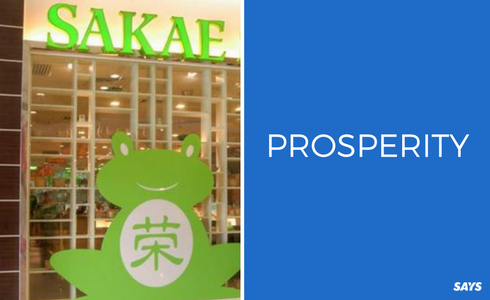
Image via The Mines / SAYS
Who knew this one had such a deep, philosophical meaning?
The beautifully poetic meaning behind Senjyu is used by the restaurant to reflect its "lifelong passion in serving the freshest and finest Japanese food, inspired by the truest traditions of Japanese cuisine."

Image via Hungry Go Where / SAYS
And it just gets more and more poetic…
Ichiban, meaning 'the first' or 'the best', forms this gorgeous meaning when paired with the word *boshi*, meaning 'star'.
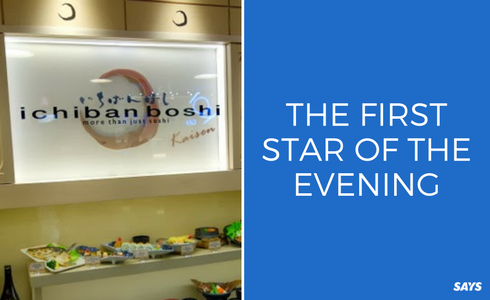
Image via rolling writes / SAYS
Gotta love how Rakuzen celebrates the simplest pleasure in life
The word *raku* (meaning 'ease' or 'comfort') and *zen* (meaning 'goodness' or 'virtue') take on the meaning of 'joy of dining' when combined.

Image via Super Dining
No berbunga-bunga meaning here though, Sushi Tei keeps it straight to the point

Image via Ai Makan / SAYS
*Tei* can also be used to mean 'mansion', 'cottage', or 'pavilion'.
Meanwhile, Sushi Mentai draws inspiration from a special ingredient
*Mentai* is commonly used to refer to the distinctive sauce made using spiced roe.
On an unrelated, less savoury note, it's also slang for a very specific genre of adult entertainment.
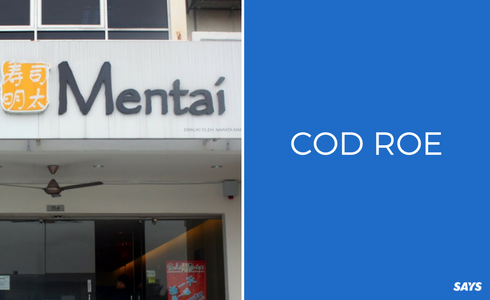
Image via Finding Fats / SAYS