How The Court Of Appeal’s Favourable Decision Toward 3 Transgender Muslims Affects You Too
Section 66 penalises Muslim men for dressing or posing as women in public places. It does not provide an exception for those with Gender Identity Disorder, but subjects them to the enforcement of the law.


 Cover image via themalaymailonline.com
Back in November 2014, the Court of Appeal, in a landmark judgement, declared that Section 66 of the Negri Sembilan Enactment 1992 violated several Articles of the Constitution
A three-member panel led by Justice Datuk Mohd Hishamudin Mohd Yunus, allowing the appeal of three trans women, recognised the rights of transgender Muslims who suffered from Gender Identity Disorder (GID) where they dressed and behaved like a woman.
The three trans women are Muhamad Juzaili Mohamad Khamis, Shukor Jani, and, Wan Fairol Wan Ismail.
During the ruling, Judge Mohamad Yunus said the "degrading, oppressive and inhumane" law discriminated against people with gender issues, adding that criminalising cross-dressing is an unreasonable restriction of a person's freedom of expression.
In Malaysia, where gender issues and homosexuality continue to remain a taboo topic, all Muslims are subject to Islamic laws, under a double-track legal system. Under those laws Muslim men dressing or acting as women is illegal.
The panel, which included Justices Aziah Ali and Lim Yee Lan, agreed that Gender Identity Disorder (GID) was a mental condition which could not be changed through therapy or pharmaceuticals, and thus, was an intrinsic part of an affected individual.
Following the Court Of Appeal's ruling, the Negeri Sembilan government said it will file an appeal to the Federal Court
Menteri Besar Mohamad Hasan said although the state government respected the decision, it was of the opinion that the case should be reviewed by the Federal Court because Section 66 should be looked from the religious point of view, and not from other aspects.
He said this was a very important case and if not addressed accordingly, would be destructive for Malaysia and bring about negative implications to the status of Islam in the country.
On 27 January, the Federal Court allowed the Negeri Sembilan government's leave application to challenge the Court of Appeal's ruling. However, it denied state religious authorities to intervene.

The Federal Court has allowed the Negri Sembilan government to appeal against the Court of Appeal's ruling which deemed a provision in the state religious enactment that criminalised cross-dressing by Muslims as unconstitutional.
Image via null

But why should you care about it? Well, because it's not just about the 3 trans women. The case affects every single Malaysian where our fundamental liberties are concerned.

Constitutional lawyer Firdaus Husni speaks during a forum on human rights and the Malaysian transgender community in Kelana Jaya.
Image via null
Let's take a look at how the Court of Appeal's favourable decision in November 2014 toward the 3 trans women by declaring invalid Section 66 criminalising cross-dressing impacts all Malaysians

Supporters of transgender rights group Justice for Sisters celebrate outside the Court of Appeal after court declares Section 66 of Negri Sembilan Shariah law unconstitutional.
Image via null
First of all, the decision, which has been hailed as landmark, upheld the basic rights promised under the Federal Constitution
The constitution forbids discrimination against citizens based on sex, religion, and race.
The Court of Appeal in its ruling affirmed 4 of the 9 human rights articles stated in the Federal constitution
They are Article 5 on the right to live with dignity
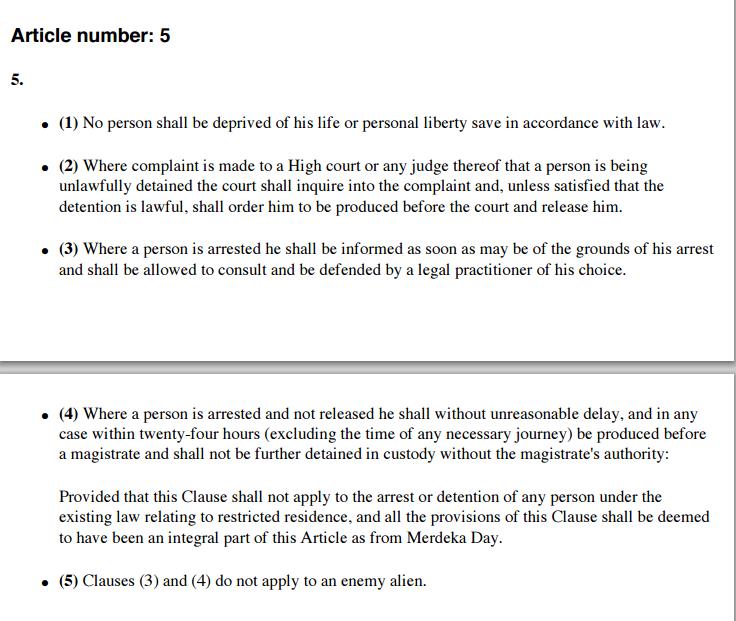
Image via null
Article 8 on gender equality
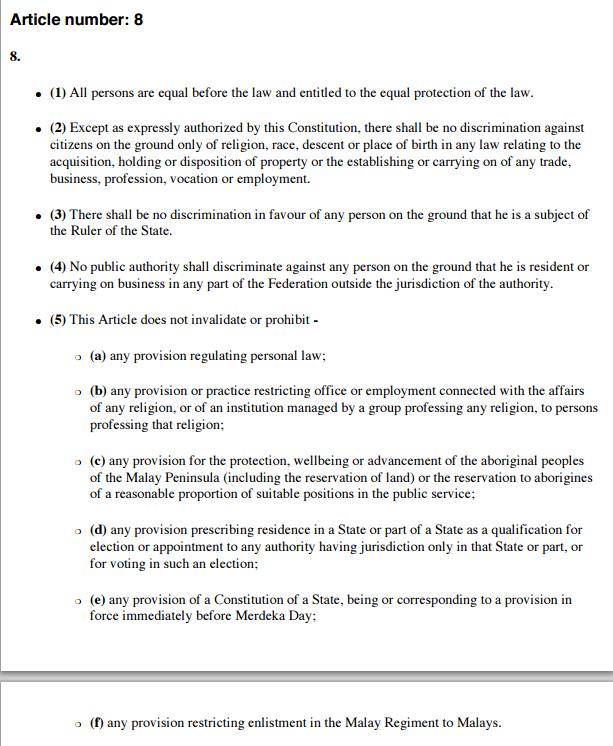
Image via null
Article 9 on freedom of movement
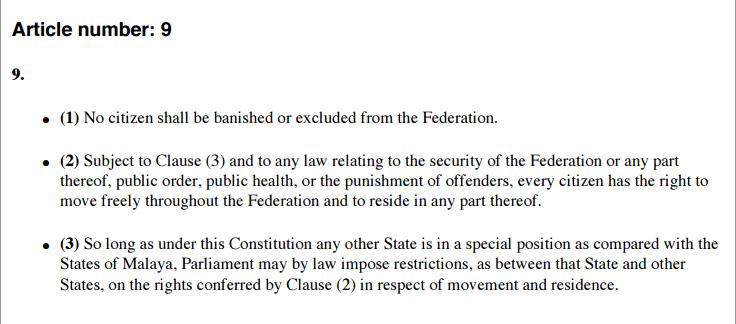
Image via null
Article 10 on freedom of speech and expression
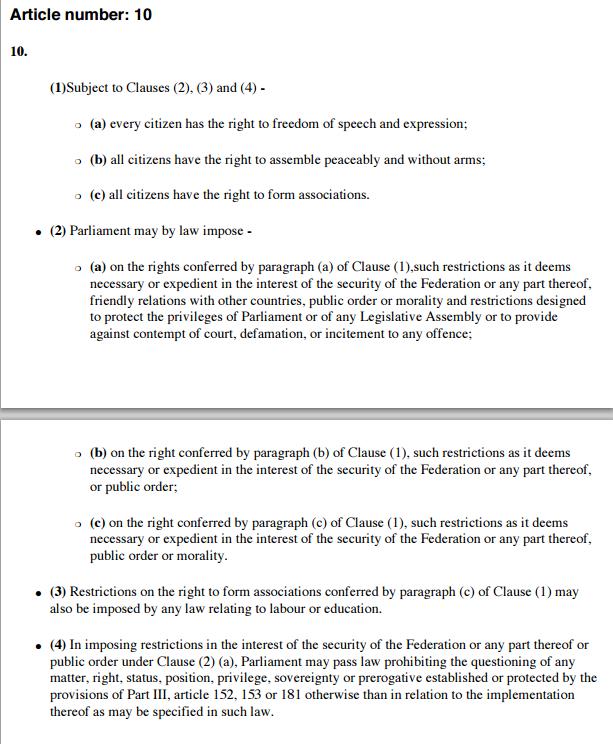
Image via null
The Section 66 of the Negri Sembilan Enactment 1992, that violated several Articles of the Federal Constitution, discriminated against Muslim men with Gender Identity Disorder
The shariah enactment's Section 66 penalised Muslim men who dressed or posed as women in public places. It did not provide an exception for those with GID, but simply ignored them and unfairly subjected them to the enforcement of the law.
If the Court of Appeal's ruling in favour of transgender people is overturned, not only are they going to be deprived of these basic rights, but the same decision can be used to curtail any other Malaysian's basic rights

Image via null