Paris And Beijing Banned Cars From The Roads And The Results Were Pretty Incredible
Air pollution is bad, but the transformation that resulted from Paris and Beijing's car-free policies – albeit short-lived – leaves us hopeful that change is still possible.


 Cover image via CNN
Can you imagine a day in the bustling city without the infernal honking cars, blaring sirens, revving truck engines, and lung-choking exhaust fumes?

Image via Shutterstock
In the 2 weeks leading to China's biggest military parade in celebration of the 70th anniversary of their victory in World War II on 3 September, several restrictions were put in place including banning 5 million cars from driving in the main urban hub
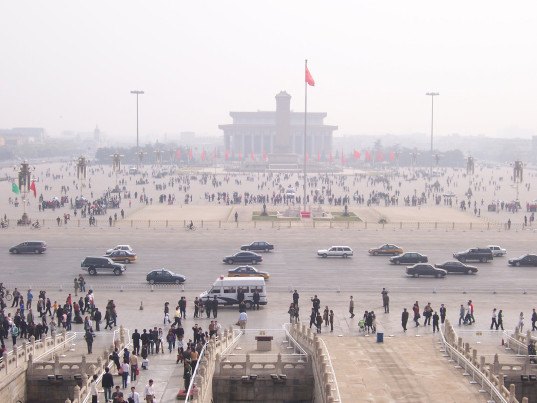
Image via CNN
The city, which is usually shrouded in haze due to emissions from vehicles and factories, cleared up to reveal crystal blue skies and a touch of colour to its panoramic landscape
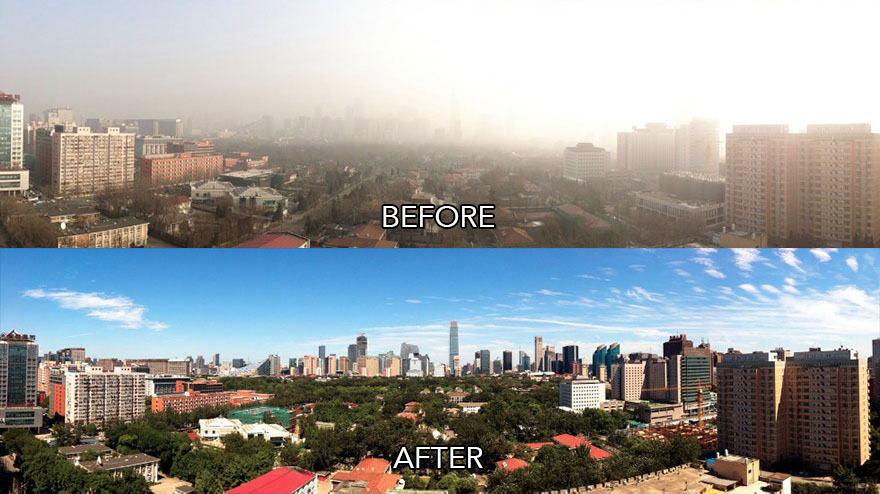
Image via CNN
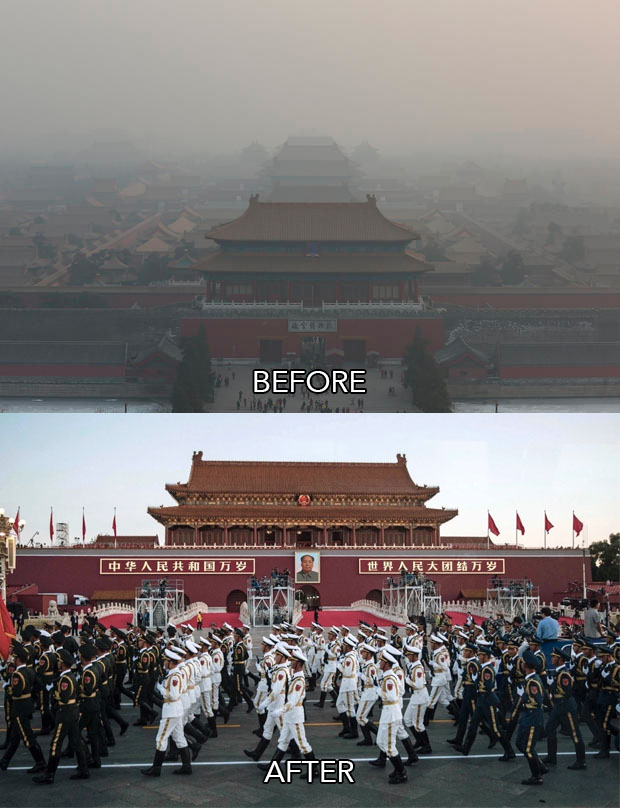
Image via CBS & Kevin Frayer / Getty Images
Construction works were also halted while factories were shut down to help clear the air in preparation for the parade
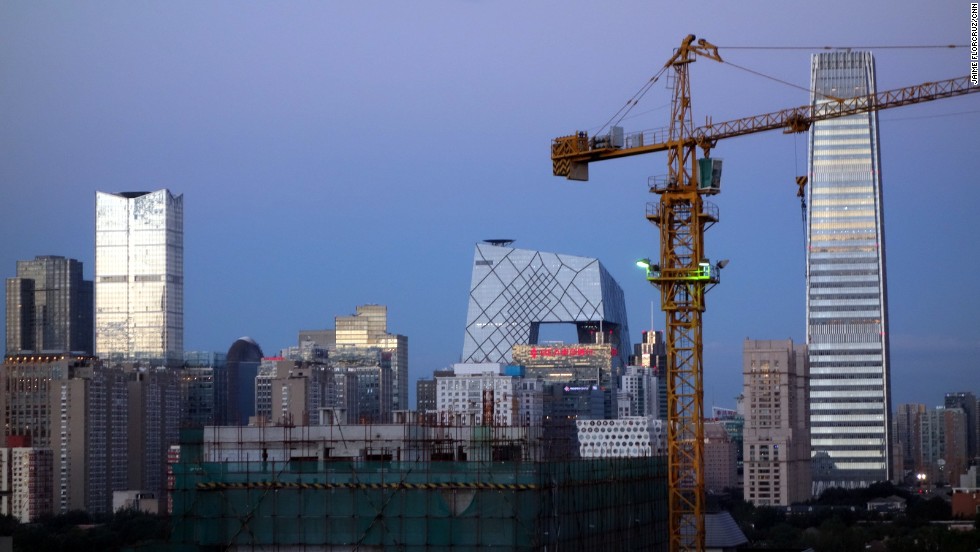
Image via CNN
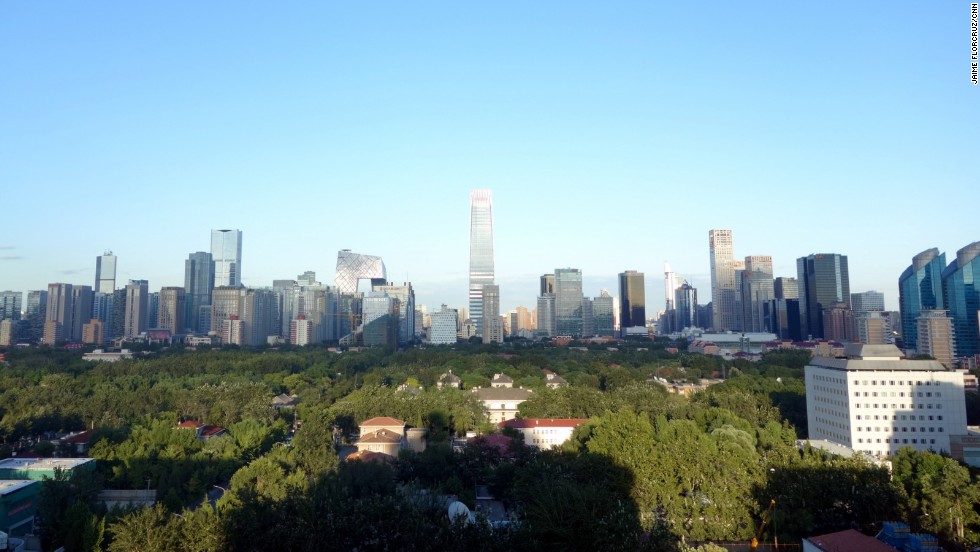
Image via CNN
By the day of the parade, the air quality had dramatically improved, dropping to an API of 17 from 160 (the API of an average day in Beijing)
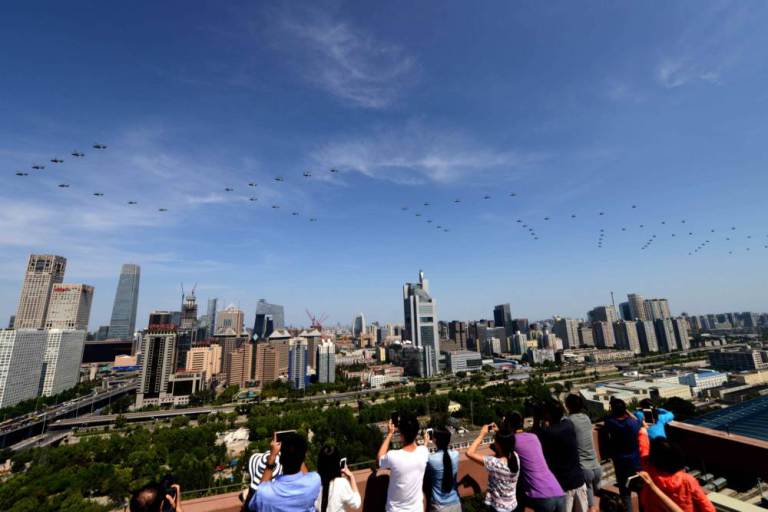
Image via AP

Image via AP
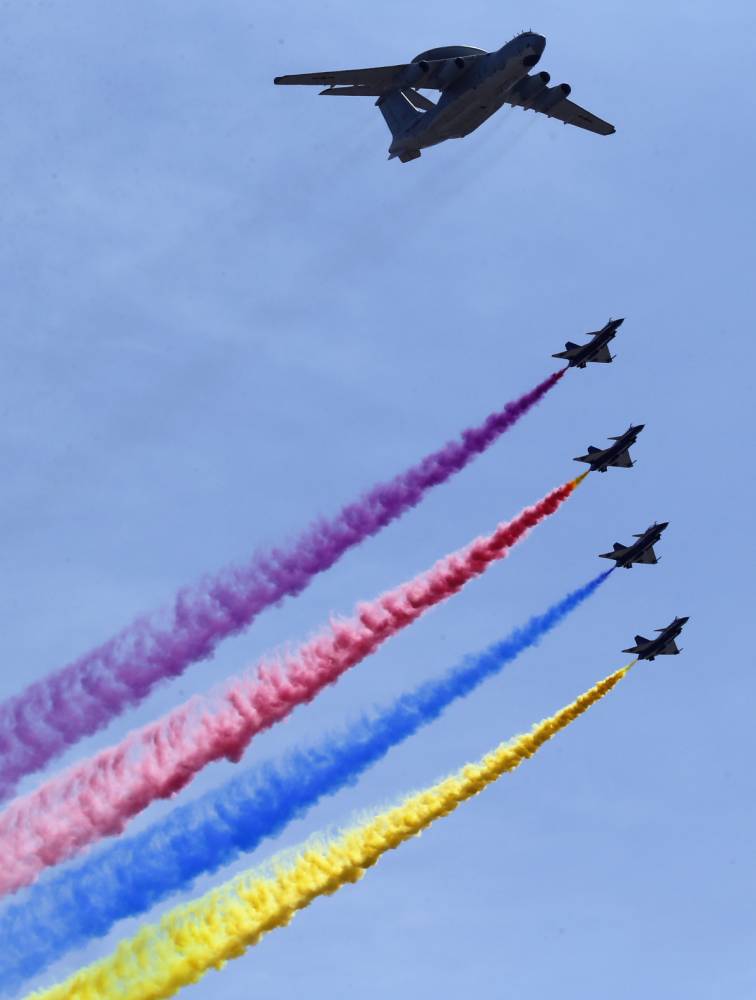
Image via AP
However, the onset of clear blue skies were short-lived as the murky grey clouds resettled upon the city after the parade when factories are reopened and cars were allowed on the roads again
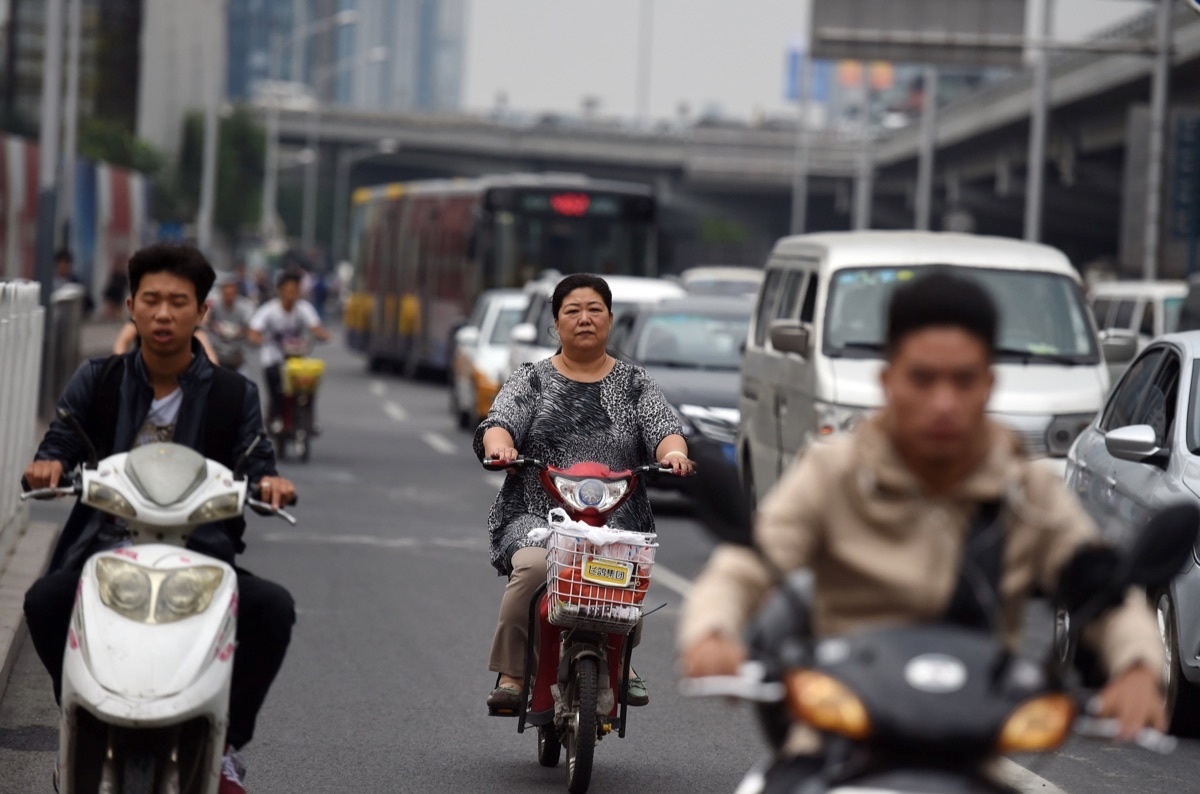
Image via Greg Baker / AFP / Getty Images
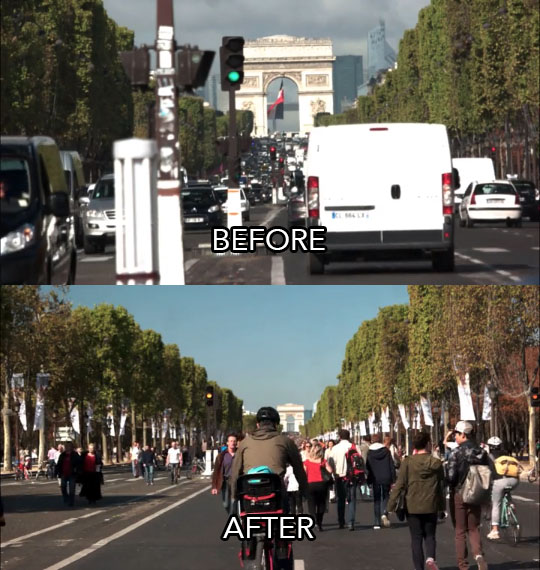
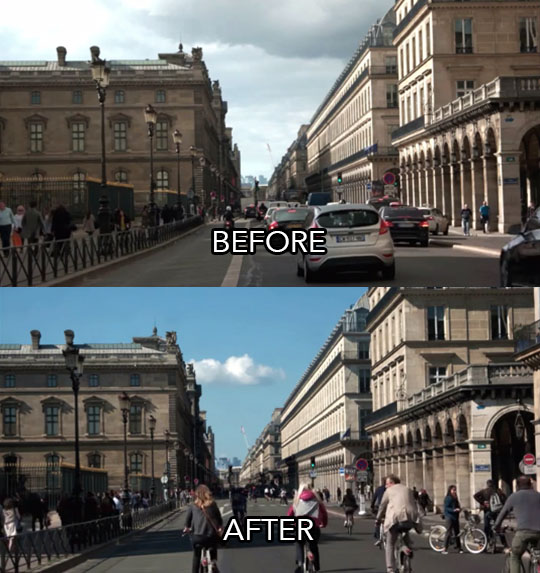
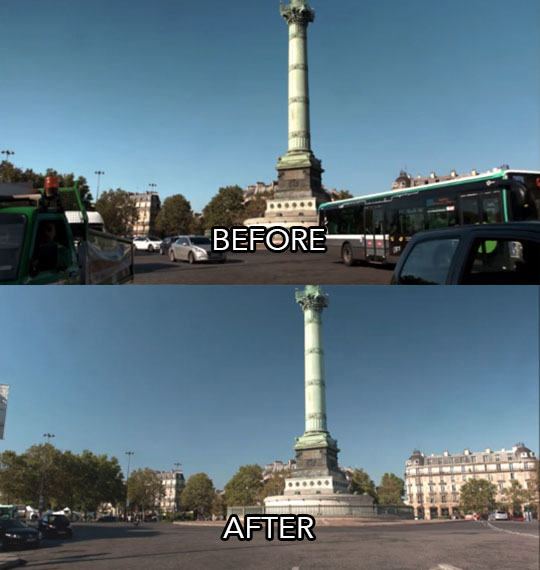
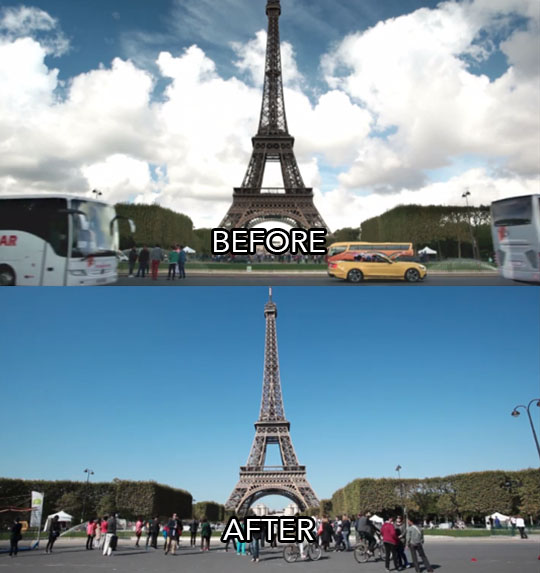
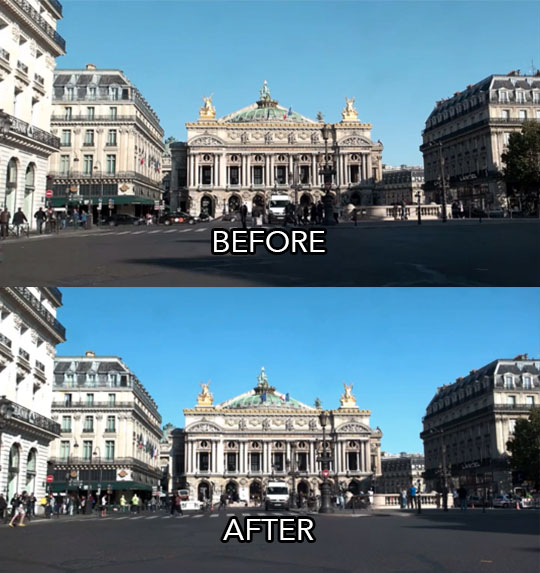
Most recently, Paris – a city with one of the worst traffic congestions in the world – banned vehicles (except public transportation) in several central neighbourhoods and areas around its world-famous landmarks on its first ever car-free day on 27 September
For context, air pollution in the French capital has gotten increasingly bad lately. In March 2014, this is what the City of Love looked like:
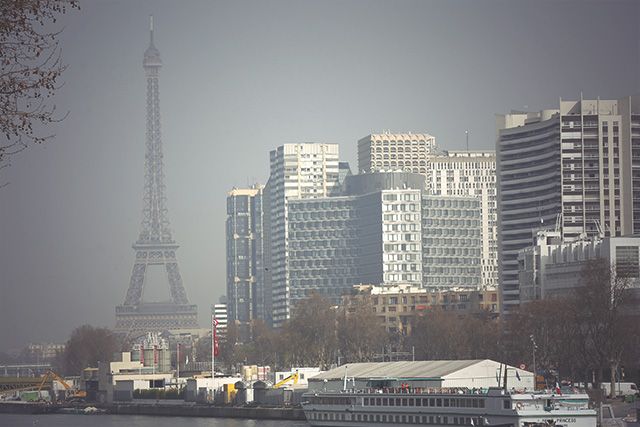
A view of the Eiffel Tower seen through smog, on March 14, 2014, in Paris.
Image via Thomas Samson / AFP / Getty Images