
9 Common Online Scams Every Malaysian Should Be Aware Of By Now
Know how to spot scams that are too good to be true.

Published For Klik Dengan Bijak - 16 Jul 2015, 04:34 AM


 Cover image via authenticid.co
1. The Rental Scam. Common in classifieds sites and forums.
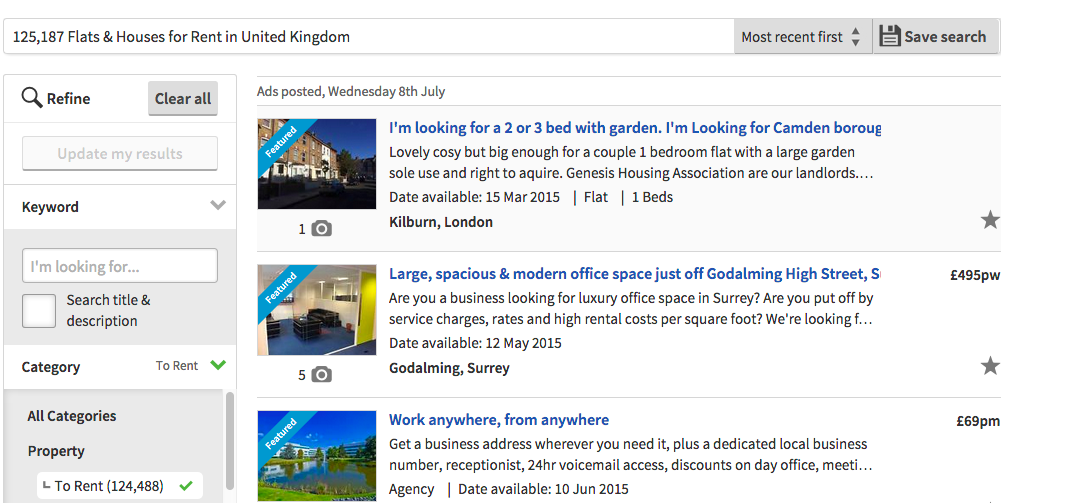
**Modus operandi**: The conmen usually advertise incredible properties at attractive rents in exclusive areas. They will then trick the target by asking them to transfer their deposits and rental advances through money transfer agencies such as Western Union.
**What you should do**:
1. Always ensure that you arrange for an on-the-site tour of the said property.
2. Check out the rental rates of other properties to see the going rate. If the rate is much lower than the average rate, it probably is a scam.
3. Run a Google image search on the property photos.

2. The Romance Scam. Common in online dating sites and social networks.
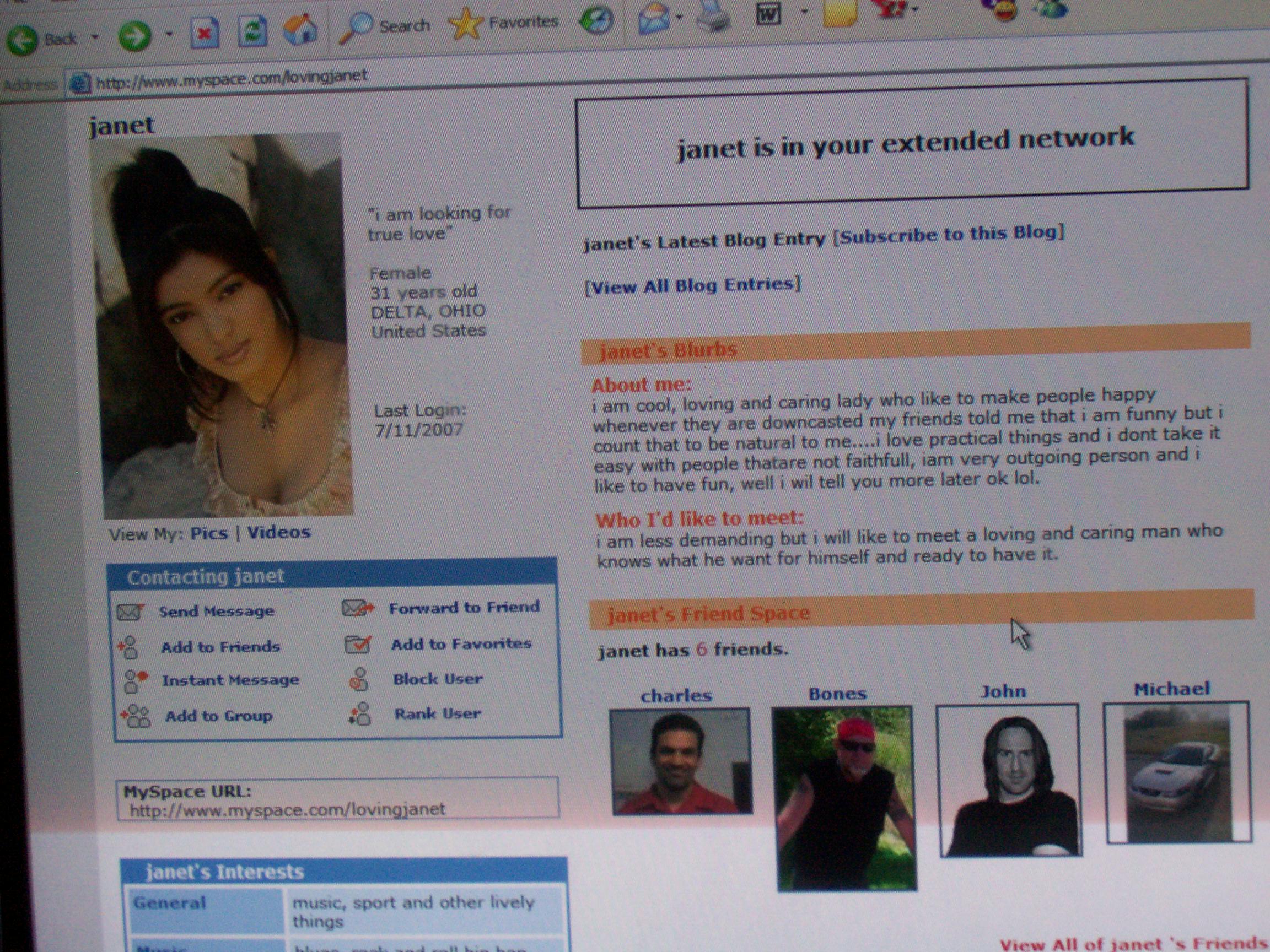
**Modus operandi**: The con artist will make a fake account on a dating site such as OKCupid or eHarmony and will often target lonely women or men. These con artists are more sophisticated, and slowly build trust as a budding romance ripens. Then the request for money comes, normally a relatively small amount at first; but once the hooks are in, the victim struggles to turn down subsequent heftier demands without admitting to having been hoodwinked.

**What you should do**:
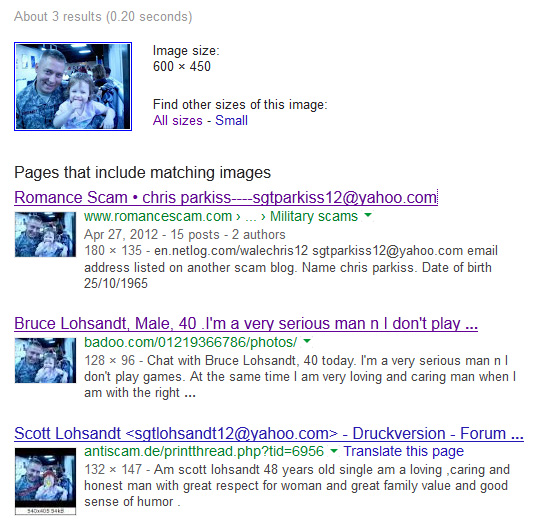
1. Protect yourself by running a reverse Google image search on the photo. Check to see if the image matches any other profile.
2. Arrange a meet up at a public place where there is a lot of people. Bring a friend to look out for you.
3. Check if the person is real by setting up a video call. Any hesitance to do so usually means that it is a scam.
Read another first hand account of how a Malaysian woman got scammed [here](http://says.com/my/news/online-romance-scam-in-malaysia-part-one).
3. The Nigerian Fraud Scheme. Common in emails and social networks.

Image via Peninsularity
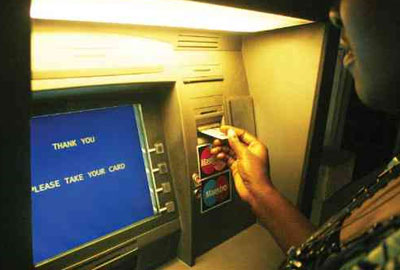
Image via vanguardng
4. The Auction And Merchandise Scam. Common in auction sites such as eBay.
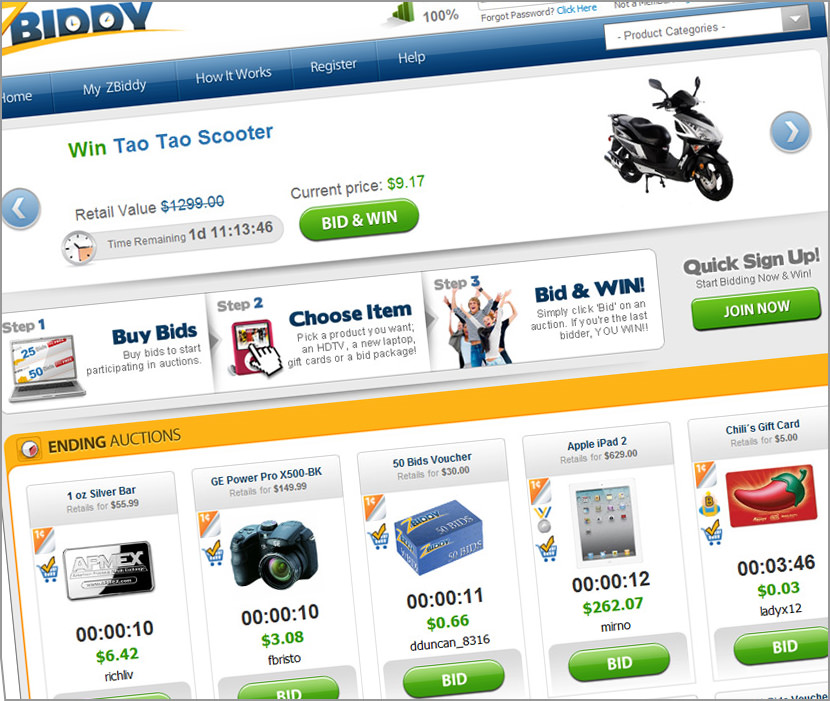
Image via hubhomedesign
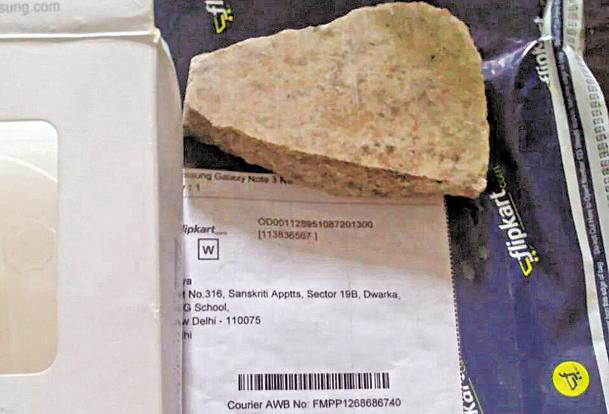
Image via livemint
5. The Credit Card Scam. Common in fake websites mimicking banks.
**What you should do**:
1. Do not ever allow the card out of your sight.
2. Check your payment receipt every time and make sure the amount is correct.
3. Try not to write the pin number anywhere and memorise it well.
4. Get the card cancelled if misplaced in any case.
5. Be careful while making big transactions.
6. Be careful while responding to special offers online.

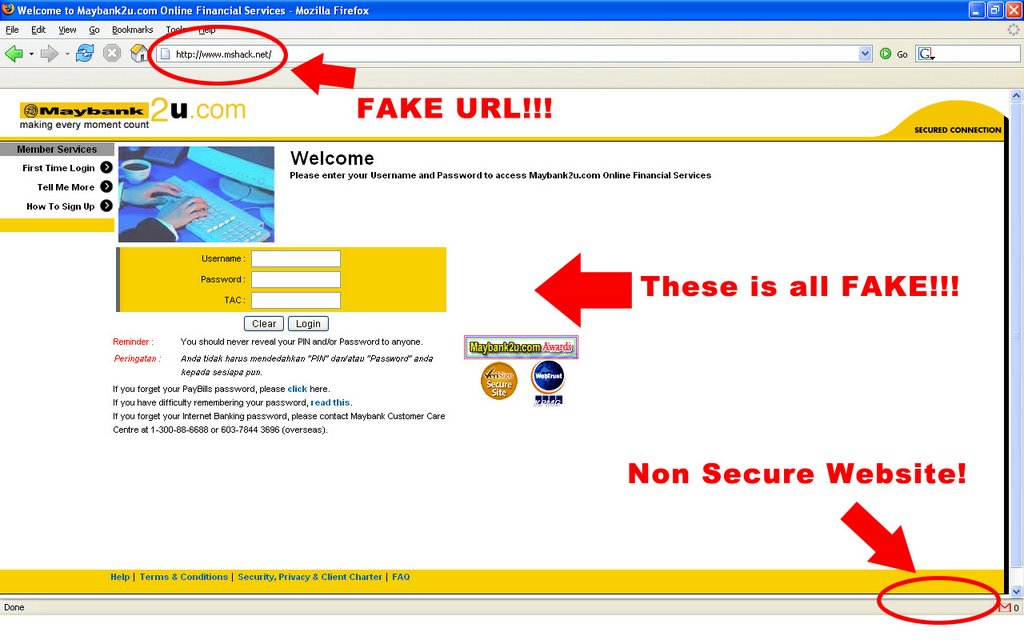
A fake website designed to look similar to Maybank2u, a Malaysian bank. Notice the fake URL on top.
Image via rojaks.blogspot
6. The Lottery Scam. Common in emails and social network sites.
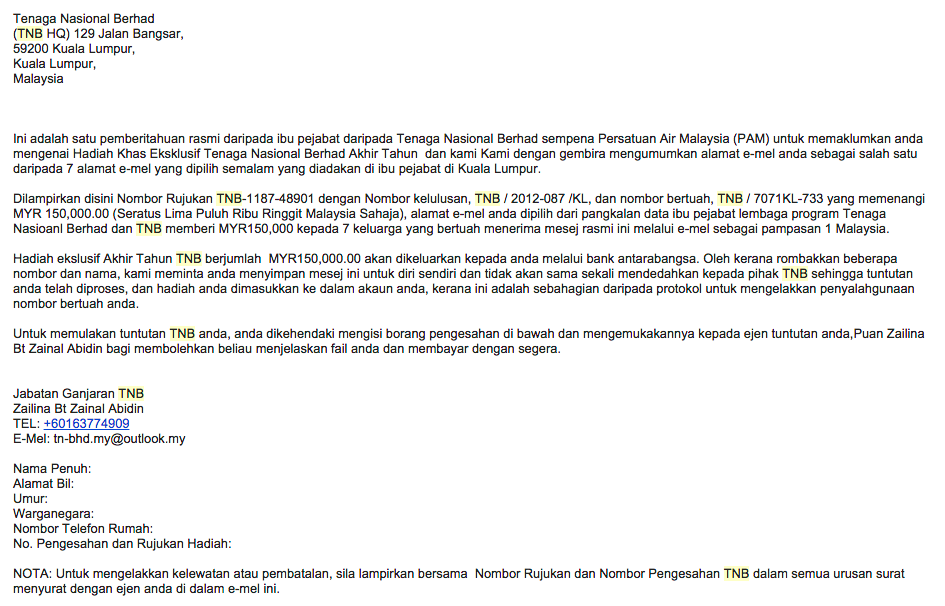
A sample lottery scam one of our colleagues received. They used Tenaga Nasional's name in this case.
Image via SAYS.com

7. The Overpayment Scam. Common in auction and classifieds sites.
**Modus operandi**: The con artist will purchase an item the target puts on sale on an auction site. The con artist will overpay by a generous amount to cover the cost of shipping with the difference to be refunded back. Usually, the PayPal account and eBay account is hijacked and the seller would lose both the product and hand cash to the scam artist just like that.


8. The Charity Scam. Common in emails, social networks, and websites.
**What you should do**:
– Check whether there are alternative payments to the charity besides Moneygram and Western Union. If there isn't, it usually is a scam.
– Run a Google search to see if the charity is registered properly.
– Visit the original site or call the charity directly to see if the donation page is legitimate.

Image via bbb
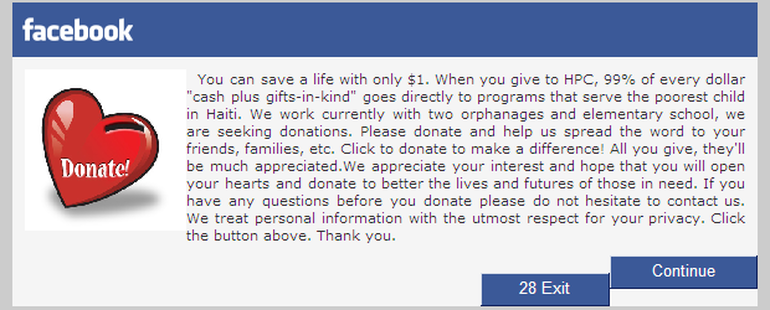
Image via ZDNet
9. The Share And Win Scam. Common in social network sites.
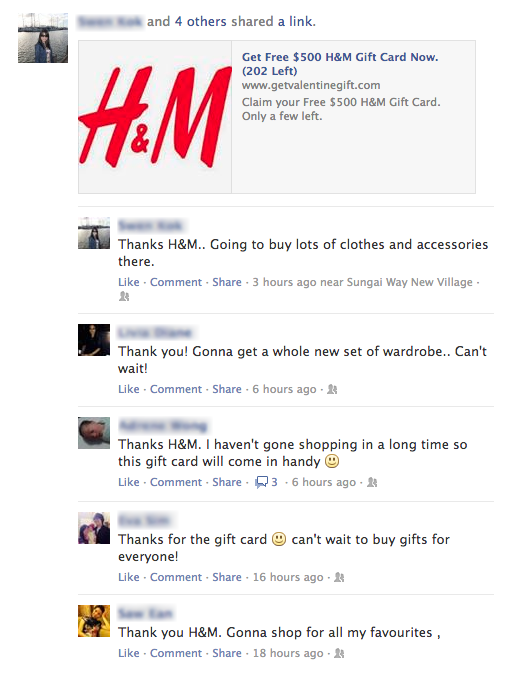
Image via SAYS
**Modus operandi**: Scammers will create a fake contest by using a popular brand. The link is seeded on social media and once a user clicks on it, he or she will be redirected to a page which may potentially be used to steal personal information. This scam is hard to control due to the nature of sharing on social networks.
**Example**: Malaysians were sharing the "H&M" gift vouchers link on social media and were told by H&M that this was a fake contest. Read more about it [here](http://says.com/my/tech/h-m-voucher-ads-on-facebook-aren-t-real-it-s-a-hoax).
**What you should do**:
1. Hover and check the URL to see if it's suspicious.
2. Contact H&M or view their social media pages to see if they are running this contest.
3. Report the posts shared by your friends and comment on their post to remove it.
4. Limit the spread of the scam by removing the post.

Image via SAYS
