You’ve Probably Used AI Dozens Of Times Today (Without Even Realising It)
There's a lot more to AI than ChatGPT and Gemini.


 Cover image via Canva
Follow us on Instagram, TikTok, and WhatsApp for the latest stories and breaking news.
When most people think of Artificial Intelligence (AI), they picture tools like ChatGPT, Gemini, or Midjourney
But there is a massive difference between the Generative AI making headlines today, which is designed to create new content, and the Predictive or Narrow AI that has been quietly running in the background for years.
The truth is, you have probably interacted with AI dozens of times today without ever opening a single chatbot.
Over the past decade, AI has become deeply embedded into our everyday applications. It actively analyses data, predicts behavior, and protects your digital footprint behind the scenes.
1. Unlocking your phone with Face ID

Every time you look at your smartphone to unlock it, AI is at work. Rather than comparing a 2D photo of your face, modern biometric systems (like Apple's Face ID) project tens of thousands of invisible infrared dots to map the unique 3D topography of your facial features.
A dedicated AI chip inside your phone, often called a neural engine, runs machine learning models to analyse this depth map. Because it focuses on underlying structural data, the AI can recognise you even if you change your hairstyle, grow a beard, put on glasses, or naturally age over time.
2. Getting the fastest route on Google Maps or Waze
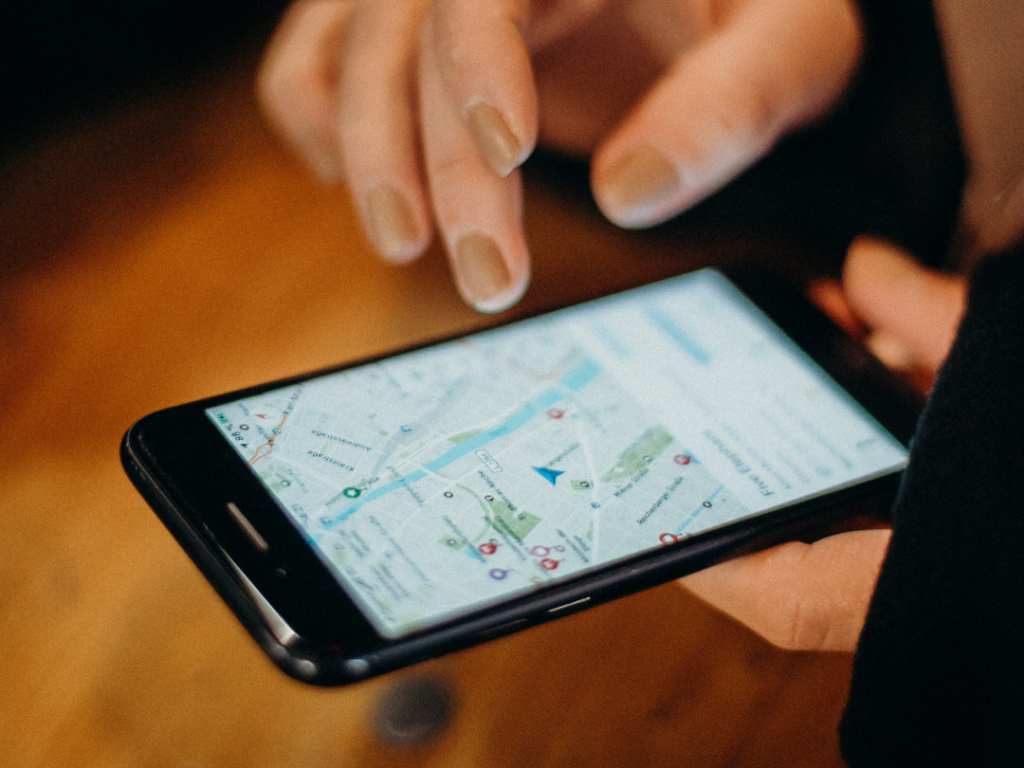
Ever wondered how navigation apps know there is a traffic jam before you can even see the brake lights ahead? It isn't just a digital map, it is a massive forecasting engine.
Google Maps and Waze use advanced Graph Neural Networks to analyse millions of live data points. By combining real-time crowdsourced reports from drivers, historical traffic patterns, weather reports, and road closures, the AI doesn't just show you where traffic is right now, it actually predicts where congestion will form 20 or 30 minutes into your drive, constantly recalculating the fastest route.
3. Watching Netflix or listening to Spotify
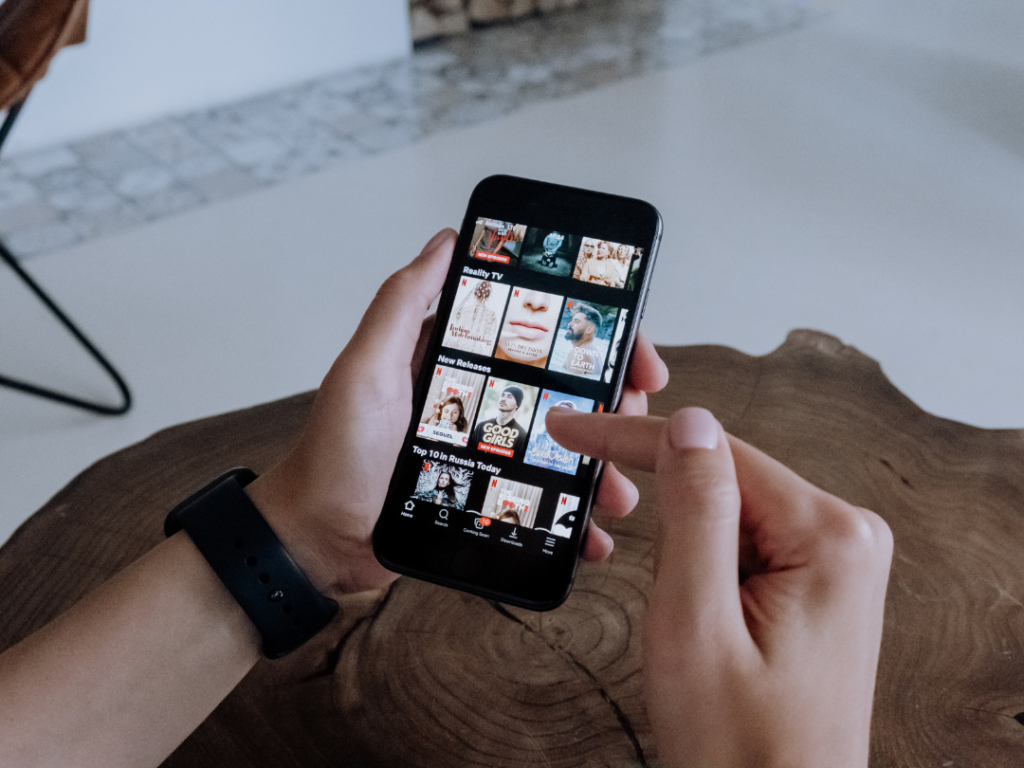
That 'Recommended For You' carousel or personalised playlist is the result of AI recommendation engines.
Streaming platforms track every micro-action: what you watch, what you skip, when you pause, and even how long you hover over a thumbnail.
Spotify goes a step further by using Collaborative Filtering to match your habits with similar users, alongside Audio Models that scan the raw audio frequency of songs to analyse tempo, key, and mood.
The result is curated experiences like 'Discover Weekly' that understand your tastes better than your friends do.
4. Filtering spam calls and suspicious emails
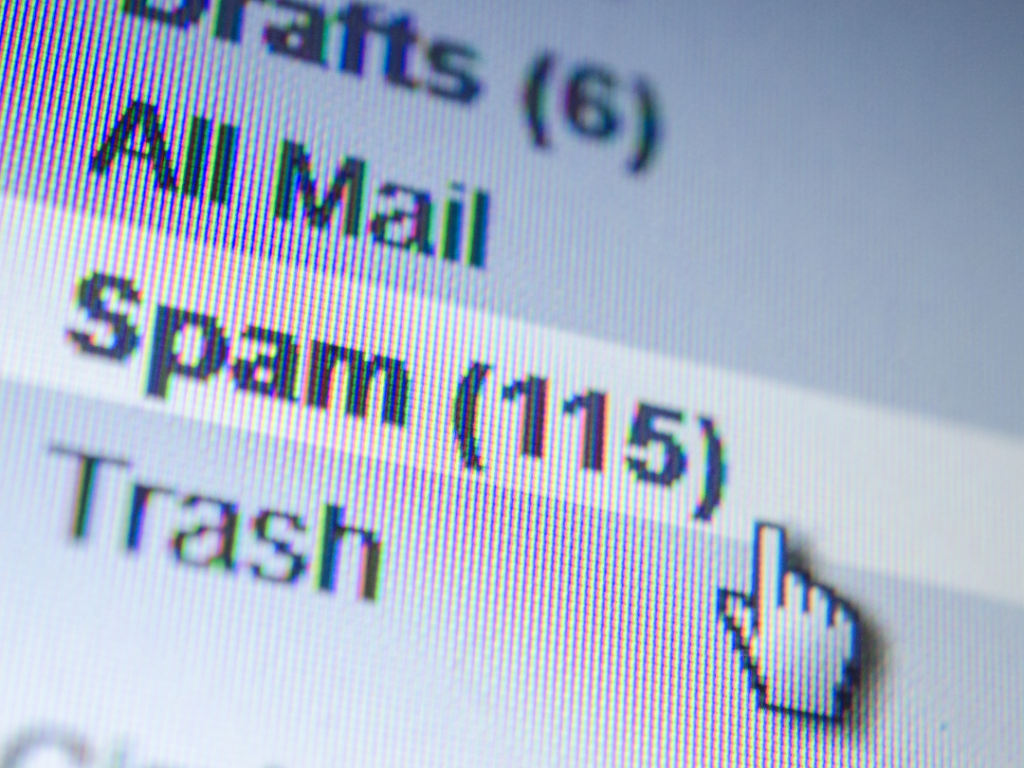
When your phone automatically labels an incoming call as "Spam Risk," or your email filters a malicious message away from your inbox, that's AI at work.
In the past, spam filters relied on keyword rules, which scammers easily bypassed. Today, services like Gmail use deep learning models to evaluate the semantic meaning of an email, sender behaviour, and metadata in real-time.
This dynamic defence blocks over 99% of spam and is crucial for catching phishing attempts where the wording is subtly altered to trick traditional filters.
5. Seamless online shopping

Whether you are browsing regional platforms like Shopee and Lazada or global giants like Amazon, AI acts as a personal digital shopper.
Behind the scenes, machine learning algorithms track your click-through rates, purchase history, and even how long your screen pauses on a specific item.
By processing this data alongside regional buying trends, the AI instantly predicts what customers are most likely to buy together.
Those "You May Also Like" recommendations are mathematically generated probabilities tailored to your exact psychological behaviour at that moment.
6. Detecting fraud before money leaves your account

Fraud detection is one of the most successful applications of Anomaly Detection in AI.
The algorithm builds a highly specific baseline profile of your "normal" spending habits based on your typical transaction sizes, locations, and times of day.
If your credit card is suddenly used at a luxury retail store overseas, the AI instantly flags the extreme deviation. It can temporarily pause the transaction and trigger an automated security alert before the money ever leaves your account.
7. Taking better photos with your smartphone
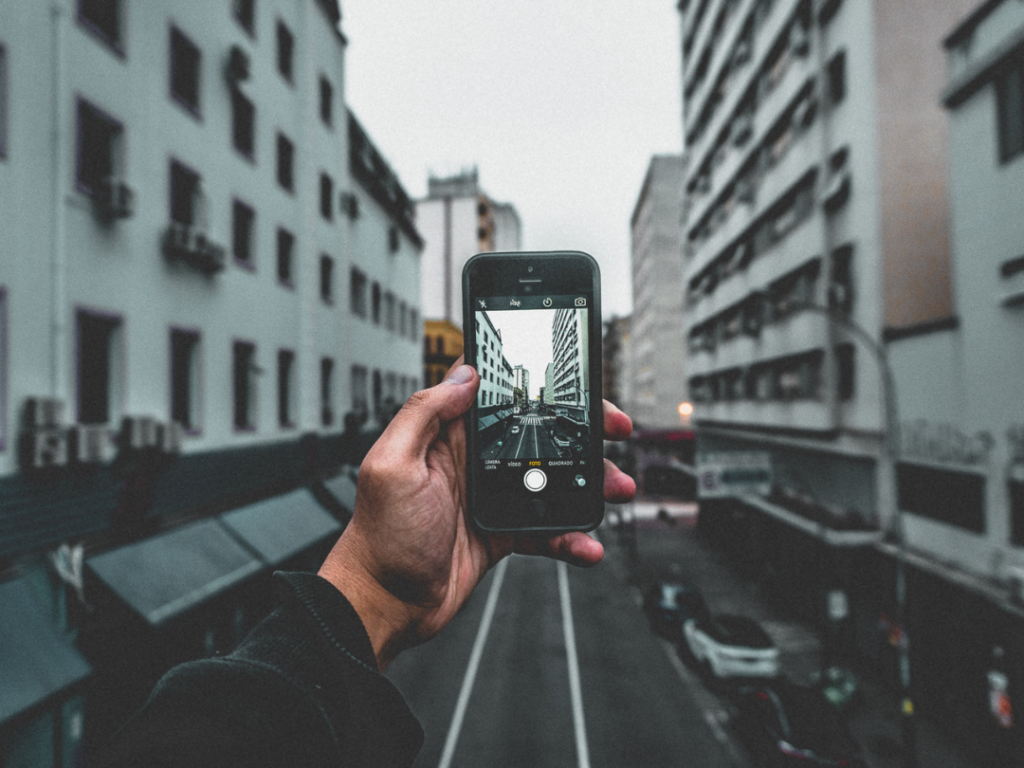
Modern smartphone cameras are physically too thin to house the massive glass lenses found on professional DSLR cameras. To bridge the gap, phone manufacturers rely heavily on computational photography.
The moment you open your camera app, the AI is already capturing a continuous buffer of frames. When you tap the shutter button, machine learning sharpens edges, segments the image to isolate skin tones from the background, and more.
By instantly identifying whether you are shooting a sunset, a pet, or a plate of food, the AI optimises the camera settings in fractions of a second.
While Generative AI tools have captured the headlines, they represent only one segment of AI capabilities
The reality is that Predictive and Applied AI have quietly interwoven themselves into our daily routines, and that's not necessarily a bad thing.
Whether it is helping us avoid traffic jams, protecting our money from scams, or making everyday photos look professional, AI is no longer a technology of the future.
REAL ke AI? Fact-check before you act. Everyone plays a role.