
5 Creative Projects In M’sia That Show How Indigenous Communities Are Tackling Climate Change
Some of the most important climate action work happens outside labs and international conferences.


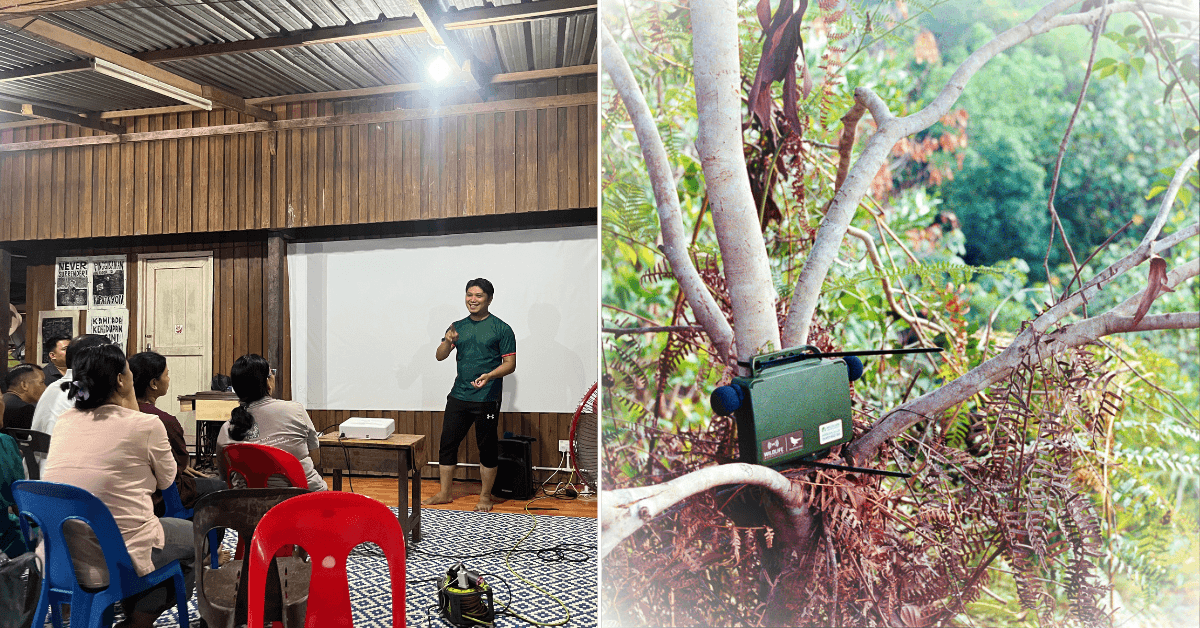 Cover image via British Council
Follow us on Instagram, TikTok, and WhatsApp for the latest stories and breaking news.
This Spotlight is sponsored by the British Council in Malaysia.
You might think climate action only happens at international summits or within high-tech research labs.
The truth is that some of the most important work is already happening much closer to home.
Across Malaysia, Indigenous communities have long relied on deep knowledge of forests, rivers and wildlife to understand changes in the environment.
Through the British Council's Human-Nature programme, five Malaysia-UK collaborations are building on that knowledge through research, conservation and storytelling.
Awarded under the programme's Alternative Narratives Creative Collaboration Grants, these projects bring together researchers, artists, conservationists, and indigenous communities from both countries to uncover novel ways of understanding climate change.
Here's what they're working on:
1. Rainforest sounds could show us how ecosystems are changing
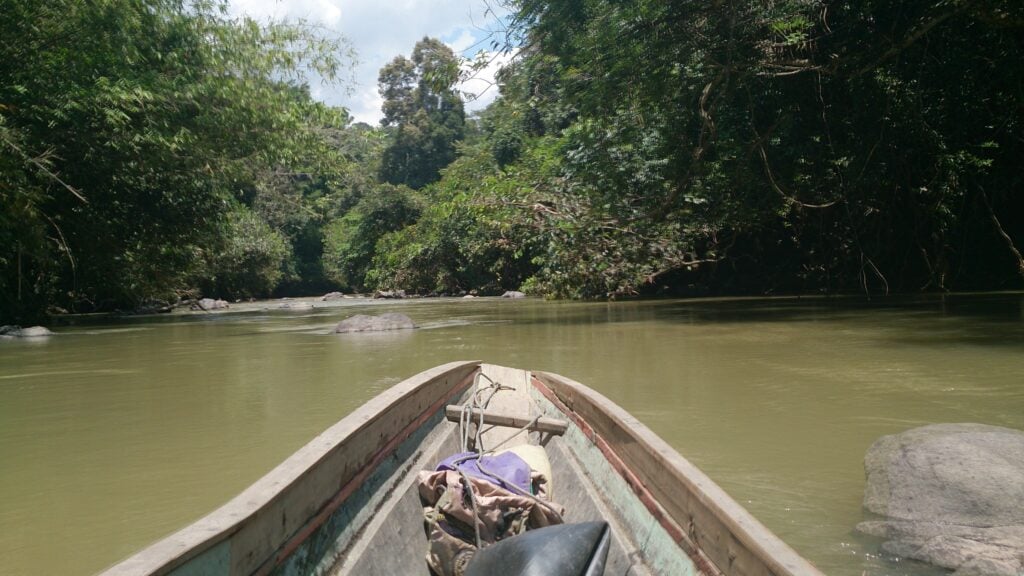
Scenes from a boat ride from Long Banga to Long Lamai.
Image via Tariq Zaman/British CouncilThe Penan community in Long Lamai, Sarawak have long used the sounds of birds, insects, and rainfall to understand what's happening to the environment, and the Ha' lem Tana' lalun (Carrier Frequencies) project aims to take this to the next level.
A collaboration between Professor Tariq Zaman of Universiti Teknologi Sarawak, Catherine Baxendale of UK arts collective Invisible Flock, the Penan community in Long Lamai, and Orang Ulu Gallery, Carrier Frequencies operates through custom-built sound and climate sensors in forest locations chosen by the community.
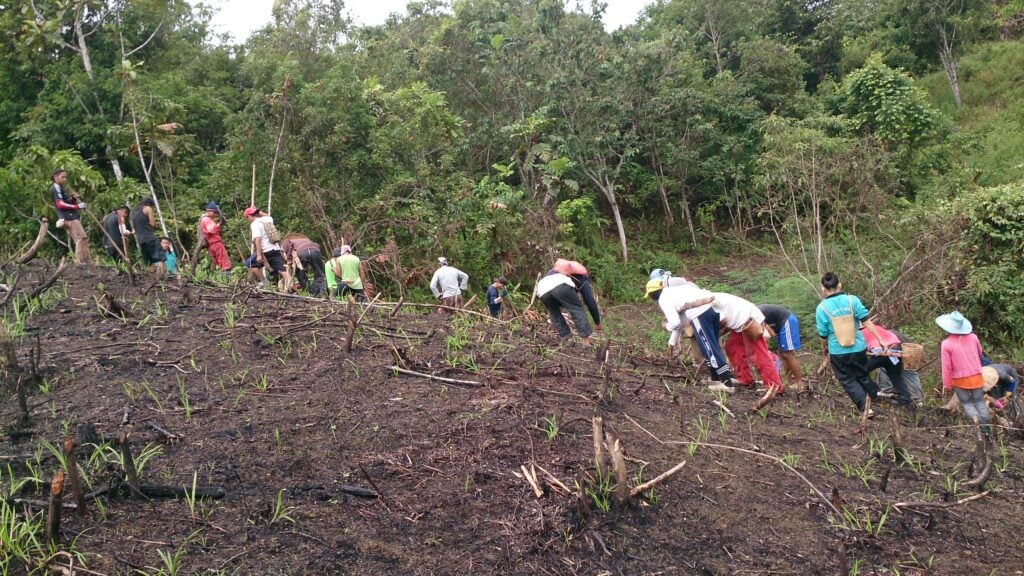
The Long Lamai community participating in a 'gotong-royong' at a hill paddy plantation.
Image via Tariq Zaman/British CouncilOver six months, the devices will record everything from birdsong and insects to rainfall and wind, creating an acoustic record of the rainforest.
As Baxendale and Prof Tariq explain: "It's a way to read and navigate the forest. It's an extension of thought, of well-being and understanding."
They say the Penan see the forest as "a language of the spirit", where birds, animals and weather communicate guidance and warning.
Today, scientists are also increasingly using natural soundscapes to monitor biodiversity and ecosystem health, making this a meeting point between Indigenous knowledge and ecological research.
2. The Tanah Adat project shows how customary land can teach us about sustainability
The term tanah adat refers to customary land that has long connected communities with forests, rivers, farms and shared living spaces.
As development, new farming practices and historical events reshaped these landscapes, traditional ways of caring for these lands evolved too.
The Tanah Adat project is a collaboration between the University of East London and Universiti Malaysia Sarawak (UNIMAS), working alongside the Bidayuh community to explore how the relationships between land and memories, identities, and responsibilities have changed over the past century.
Using participatory creative recording of community memory and knowledge, the collaboration is documenting these changes while exploring how Indigenous approaches to land stewardship can contribute to wider conversations on sustainability, environmental change and climate resilience.
3. Enhancing climate data with community stories
Climate models can predict future weather patterns, but they don't always capture how those changes affect people's daily lives.
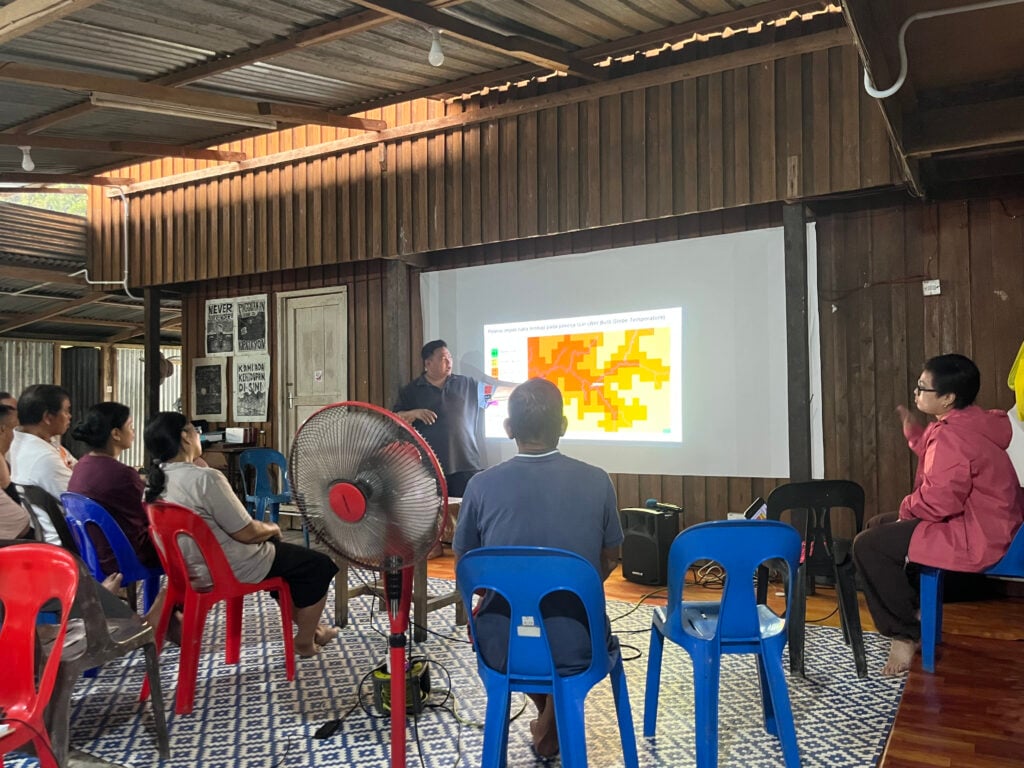
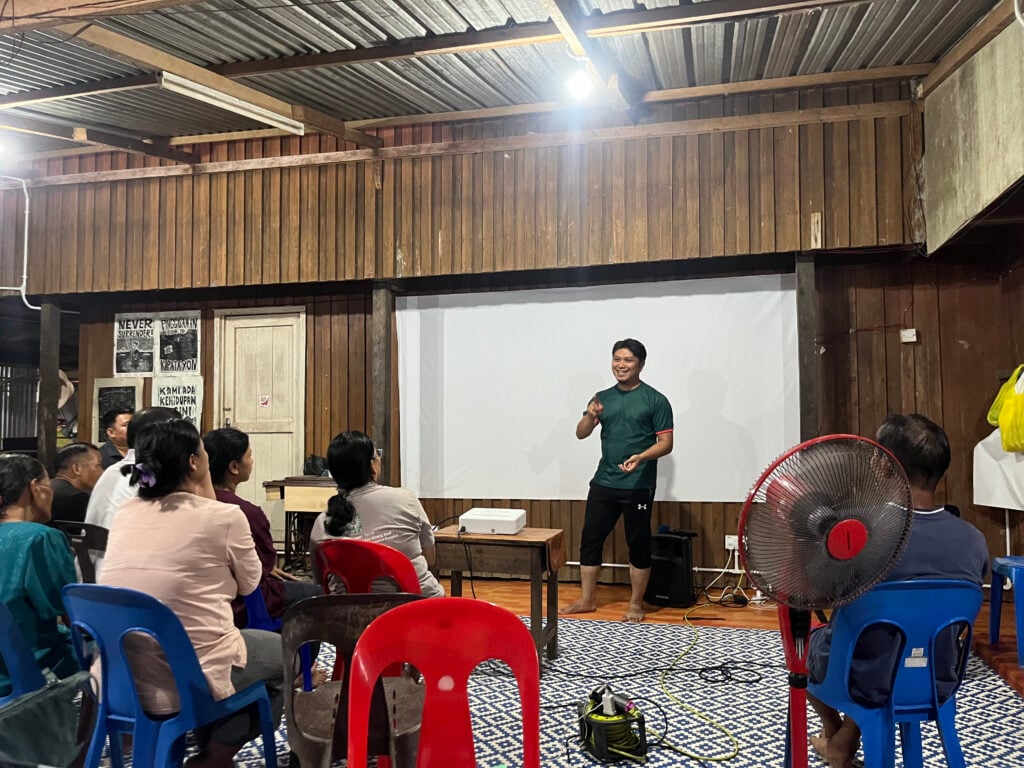
A climate presentation being delivered to participants from the community.
Image via British CountilThat's why Sabah's Future Climate Chronicles, led by Ecosystem2 and Forever Sabah, combines climate modelling with Indigenous-led storytelling through an interactive digital platform.
Community representatives participating in an introduction storytelling training.
Image via British CouncilThe team works closely with communities from the very beginning, discussing what the project involves, what stories should be shared publicly and how people want to participate.
Community members remain involved throughout the process, helping shape how their experiences are represented.
4. Using ritual chants to preserve generations of ecological information
The forests of Sabah aren't only documented in books or scientific records. They're also remembered through cultural songs.
Rinait Soundscapes is a collaborative project involving Rupert Cox from the Granada Centre for Visual Anthropology, University of Manchester and Pertubuhan Kolektif Seni Budaya Sabah' Juliana Aping.
Working with community custodians and cultural practitioners, their endeavour involves documenting the ecological knowledge embedded in Rinait chants performed by Kadazandusun Bobolian elders.
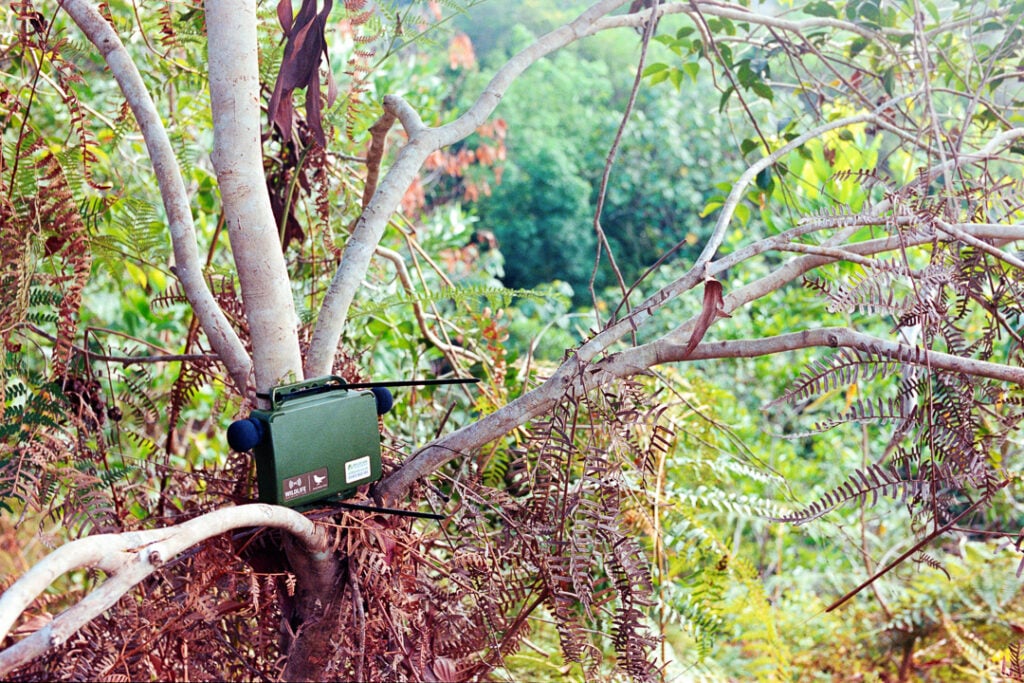
A bioacoustics recorder being used for the Rinait Project.
Image via Alastair Lomas/British CouncilThese ceremonial chants preserve knowledge about rainforest plants, wildlife and the natural world that's rarely found in everyday language.
Using sound recordings, visual documentation and ecological arts practices, the collaboration is helping preserve that knowledge for future generations while ensuring sacred chants remain private in accordance with community customs.
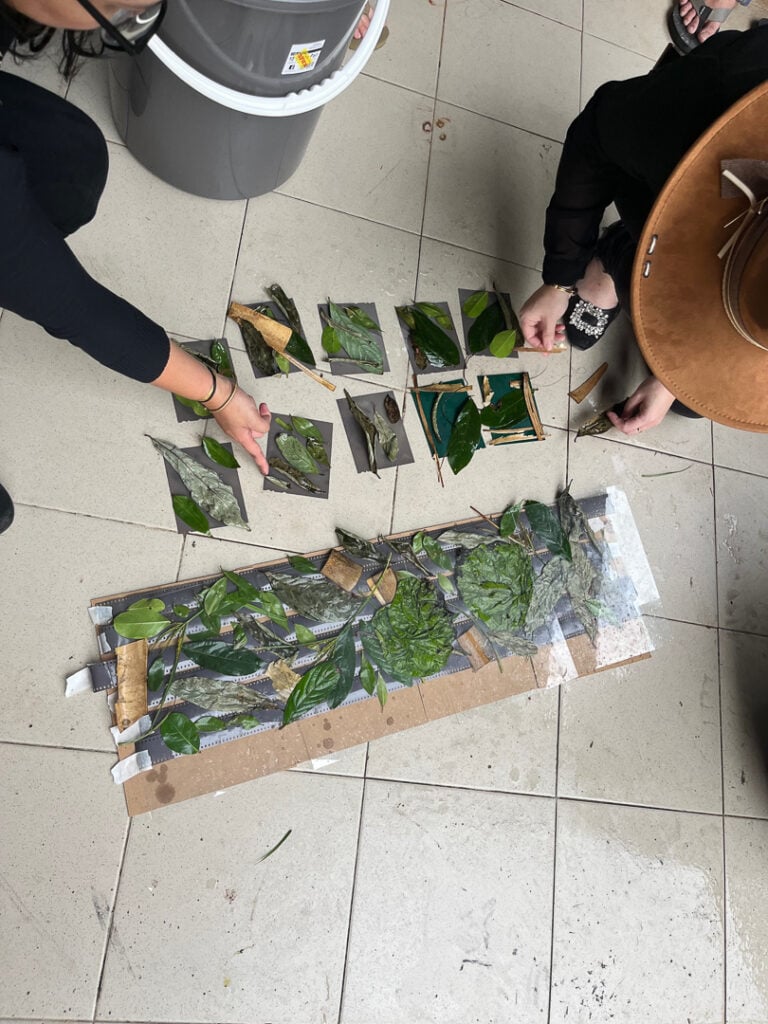
A phytogram workshop in session.
Image via Alastair Lomas/British Council5. Showing the effects of climate change through personal stories
Climate change is often discussed through statistics, reports and global targets. Shared Ground takes a different approach by focusing on people's everyday experiences.
Co-created by Alice Aedy from Earthrise Studio in the UK and Anthropocene Media's Abe Lim, the collaboration explores how environmental change shapes relationships with land, labour and natural resources through a short documentary and supporting digital content.
The project encourages audiences to think about how these issues affect ordinary lives and why local stories deserve a place in conversations about climate action.
All five projects share the goal of helping people see that Indigenous knowledge, community voices, and lived experiences have important roles to play alongside scientific research
The five projects are already underway, with public exhibits and creative showcases expected between October and December 2026.
Before any work is released, each participating community will have the opportunity to review the materials and decide whether they're comfortable with how their stories and knowledge are being shared.
One project's creative output will also be presented at the 2026 UN Climate Change Conference (COP31).
