
7 Common Car Modifications & Whether They’ll Get You Fined By JPJ
Some modifications could leave you with a hefty fine.


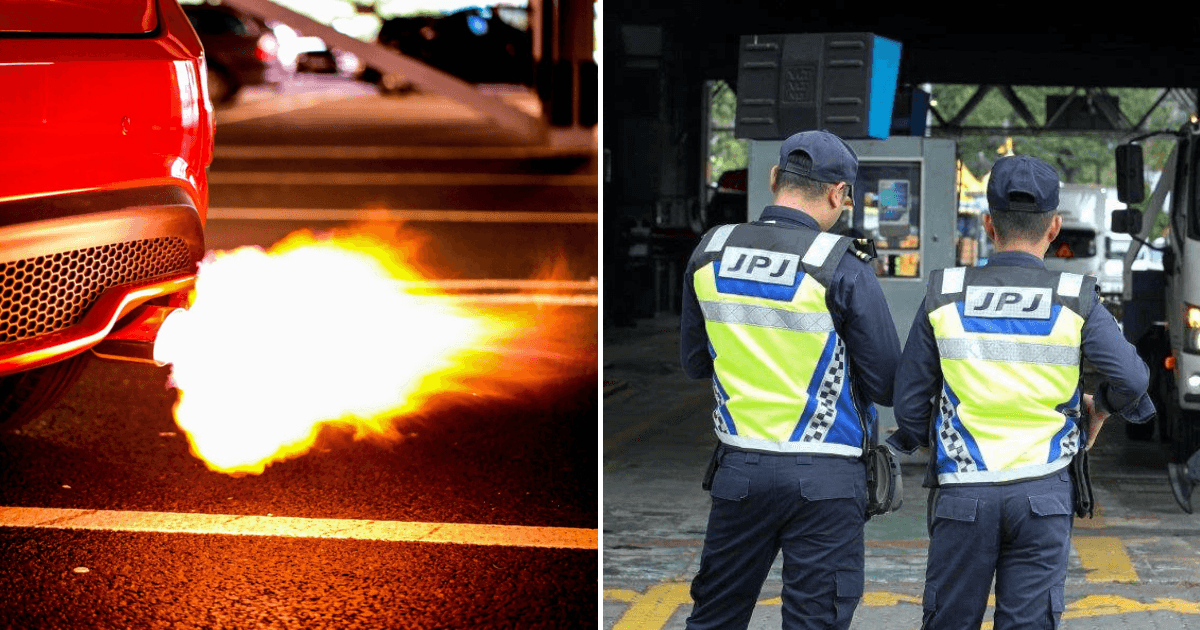 Cover image via
 Follow us on Instagram, TikTok, and WhatsApp for the latest stories and breaking news.
Many Malaysians make small changes to our cars without ever thinking twice about them
Whether it's tinting your windows to cope with the heat or replacing cosmetic parts to enhance the look and comfort of your car, not every modification is legal just because a workshop offers the service.
Motorists who make unauthorised vehicle modifications may face enforcement action under the Road Transport Act 1987, including summonses, inspection orders, being required to restore the vehicle to its original condition, or prosecution in court for certain offences.
If you're thinking about giving your ride a small makeover, here's what you should know first:
1. Tinting your windows
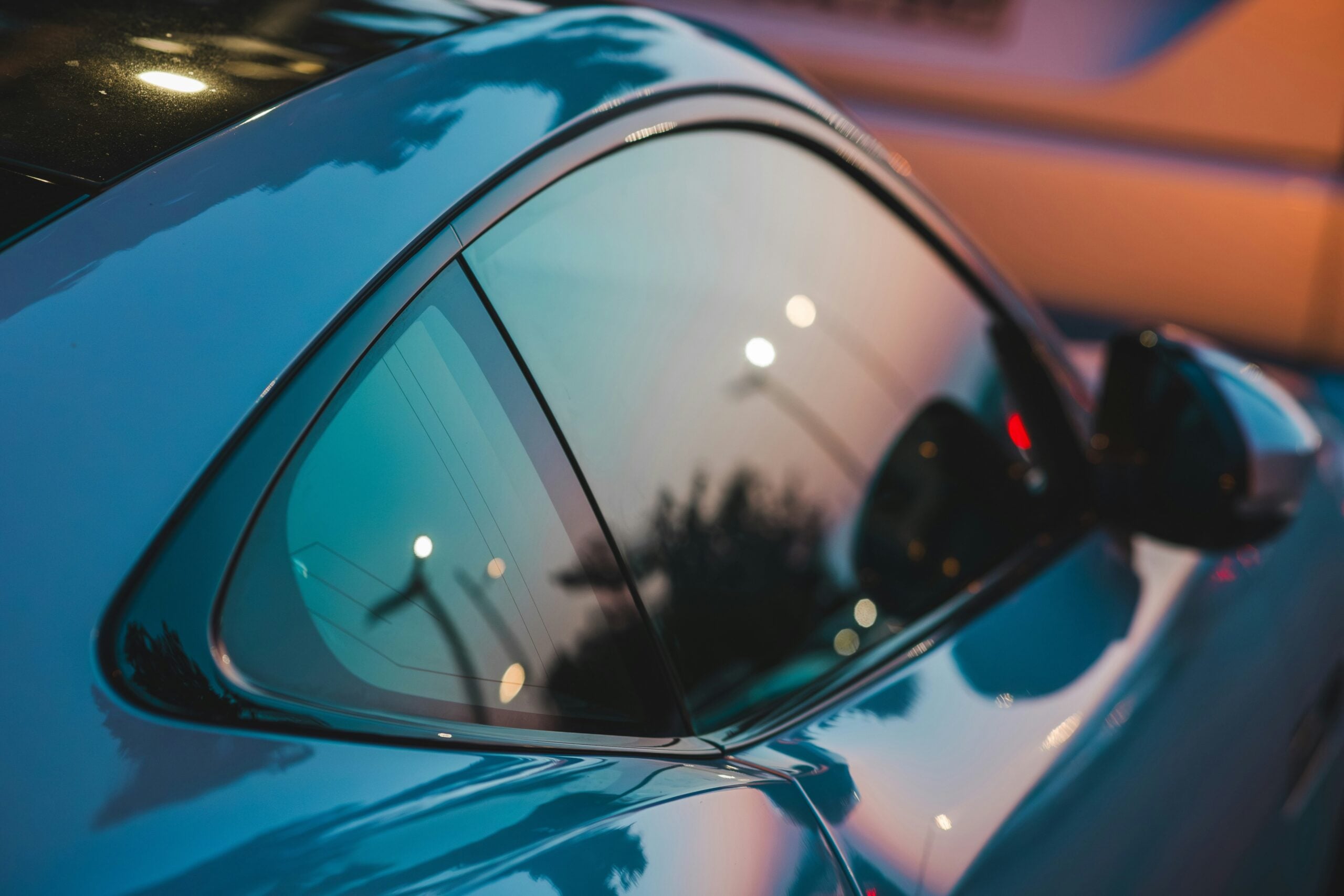
Malaysia's hot, sunny weather is a tempting reason for us to tint our car windows as dark as possible. This is especially true if you constantly park outdoors, where heat can penetrate and get trapped inside your car.
Under current regulations from JPJ, the front windscreen must allow at least 70% of light to pass through, while the front side windows need a minimum of 50% visible light transmission (VLT).
The rear side windows and rear windscreen generally do not have minimum VLT requirements like the front windows.
If you get caught using non-compliant tint, you may end up with a fine up to RM2,000 or up to six months of jail, or both if you're a first time offenders.
Repeat offenders may end up with a fine up to RM6,000 or up to 12 months of jail, or both.
You can also read more about how dark you're allowed to tint your windows here.
2. Installing "cooler" or bigger rims
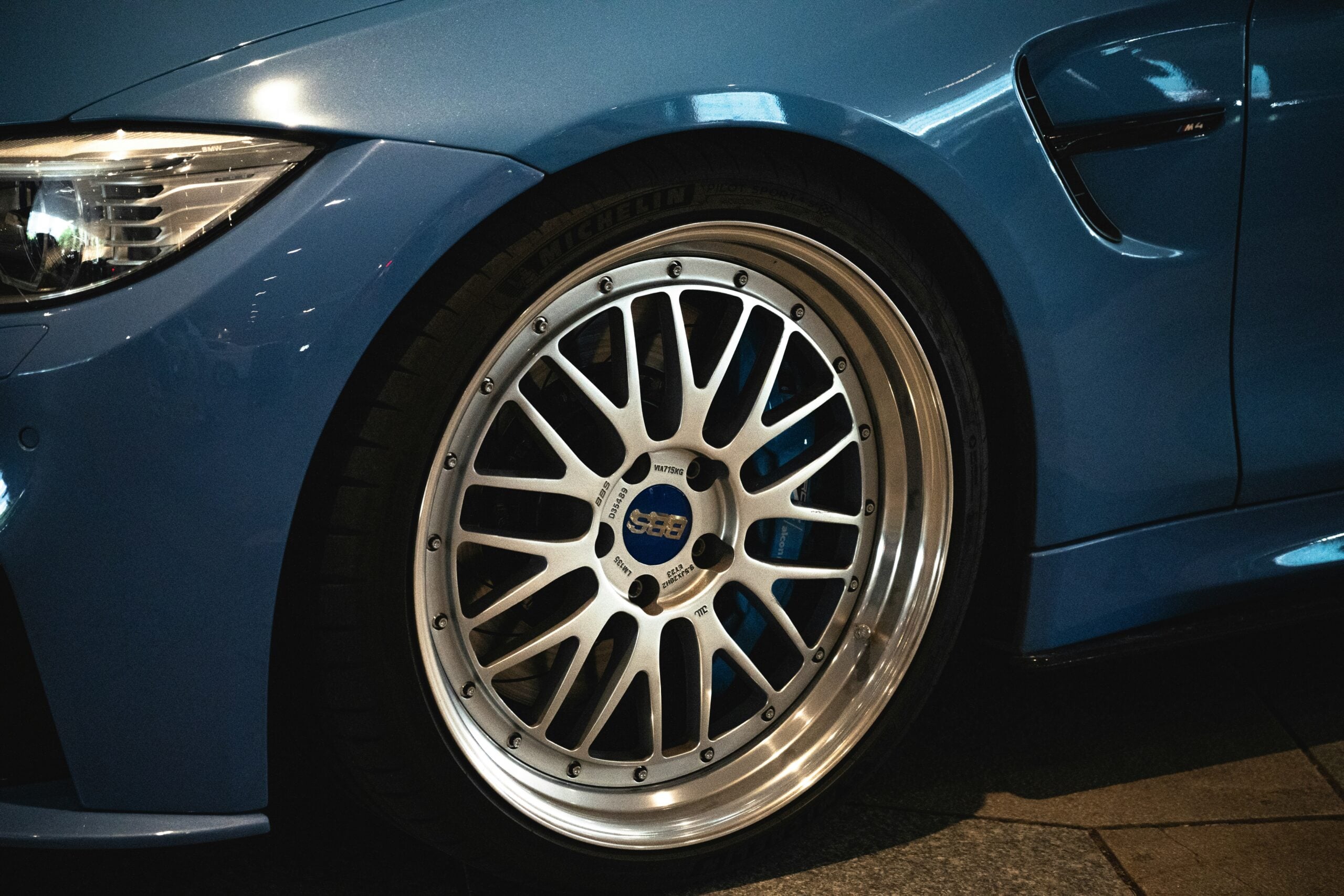
Swapping your original rims for a different design is one of the most common changes people make to "beautify" their car, and it's generally allowed.
However, the new rims and tyres still need to suit your vehicle. According to JPJ, they shouldn't stick out beyond the car body or affect how safely the car handles on the road.
Going for a much larger size simply because it looks better can sometimes create issues, especially if it changes the car's stability or causes problems during inspections.
If you do decide to swap out your rims, here's what you should avoid:
- Tyres that are significantly larger or smaller than the original specifications
- Rims that cause the tyres to protrude beyond the wheel arches
- Rims that cause your tyres to rub against the bodywork or suspension
- Modifications that restrict steering movement
- Major wheel and suspension modifications without prior approval from JPJ
3. Using fancy or unconventional lighting
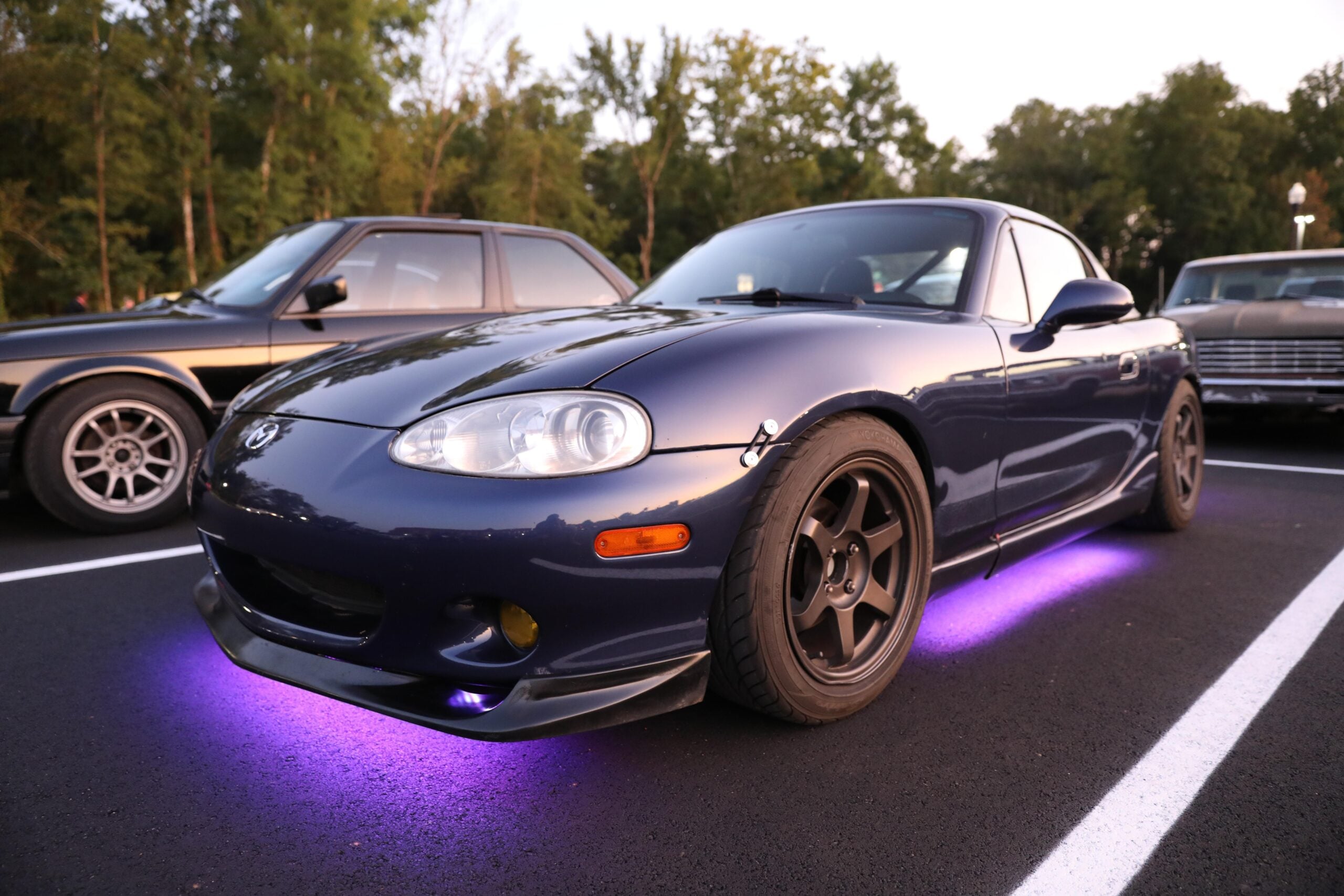
LED lights have become increasingly popular, and many drivers install them because they're brighter and give their cars a more modern look.
Fancy lighting can range all the way from underglow lights to fancy LEDs.
However, certain colours and lighting effects aren't permitted. For instance, flashing lights or colours associated with emergency vehicles, such as blue and red, can lead to trouble with the police.
Other modifications, such as white coloured head lamps and tail lights, more commonly known as "albino" lights or swapping out indicator bulbs to emit colours other than yellow/amber, are also not permitted as they can confuse other road users.
4. Changing your car's look with body kits
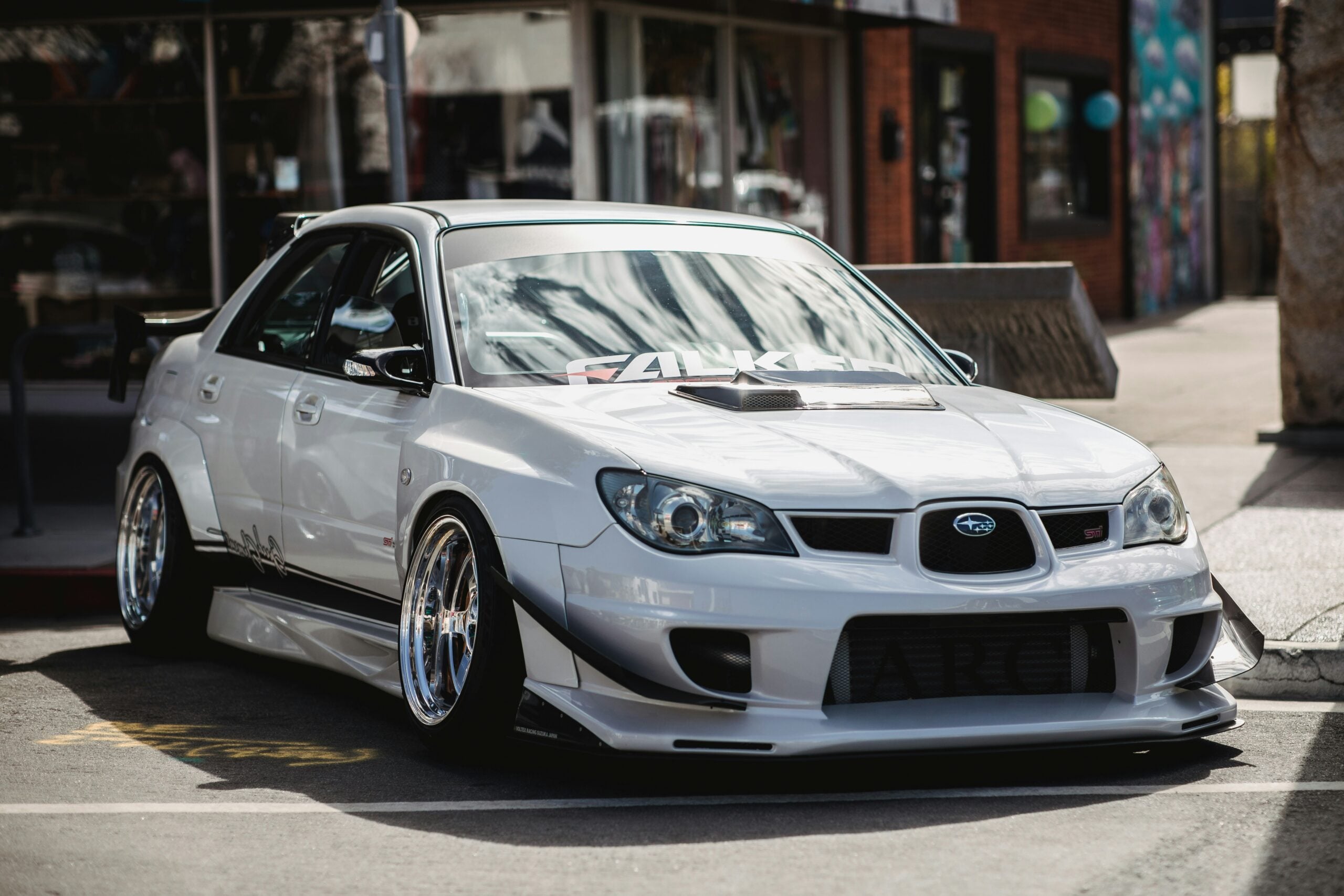
Adding a front lip, side skirts, spoilers, or other cosmetic accessories is fairly common among Malaysian drivers who want to personalise their vehicles.
Minor additions are generally acceptable if they don't create safety hazards or significantly alter the vehicle's appearance.
Parts with sharp edges or components that block your lights make your car unsafe, and it could attract attention during inspections.
If the changes go beyond appearance and affect the vehicle itself, checking with JPJ beforehand is the safest option.
5. Swapping your exhaust system
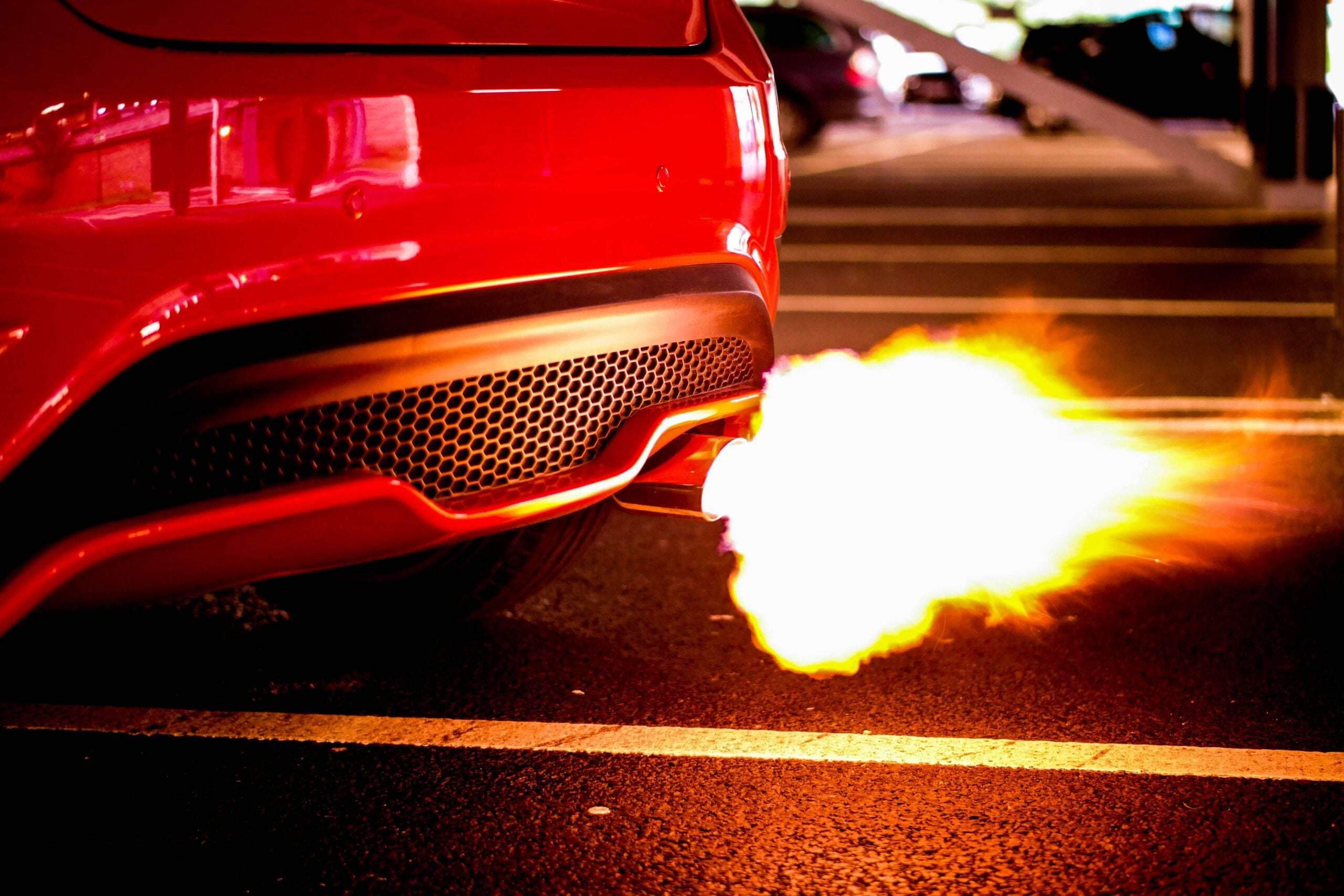
A different exhaust system may improve the performance or change the noise signature of your car, but there are limits to what is allowed on public roads.
JPJ and the police regularly take action against vehicles that exceed permitted noise levels. Upgrading your exhaust isn't automatically illegal, but it still needs to comply with existing regulations and shouldn't create excessive noise that would be a nuisance to the public.
If you're found guilty of using a non-compliant exhaust system, you could be fined up to RM2,000 or face up to six months' imprisonment, or both.
6. Using a completely different engine
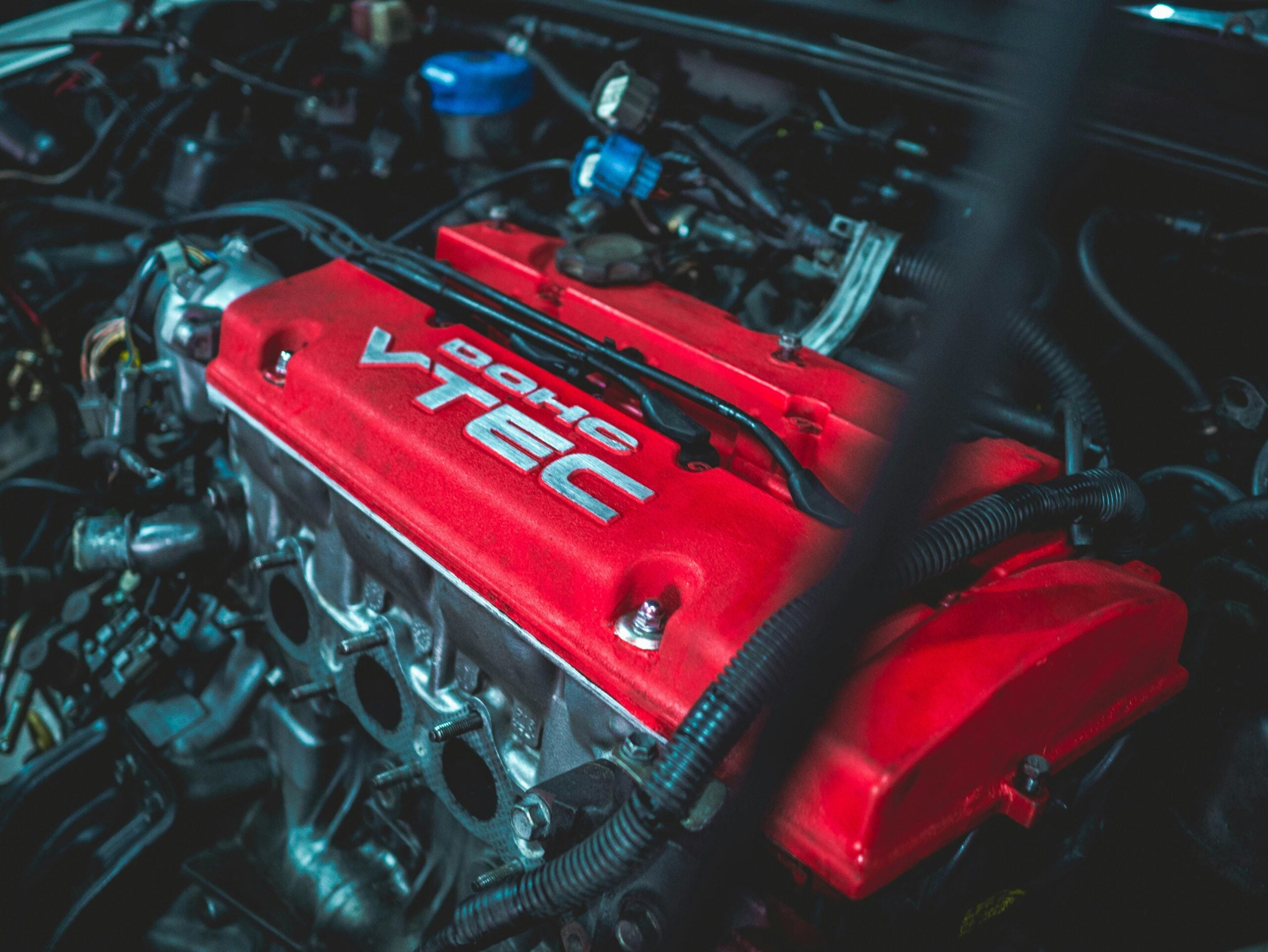
Swapping out an old engine for a new one is fairly common, especially for those who want to give their old car a fresh driving experience.
However, engine conversions usually require approval from JPJ, along with inspections and updates to the vehicle's registration records. You will also need documents proving that the replacement engine was obtained legally.
Skipping these steps can create problems later, especially when renewing your road tax or insurance, transferring ownership, or going through inspections.
Major mechanical modifications such as engine swaps always require official approval, so it's best to verify the requirements before you proceed.
7. Altering your suspension

Some lower their cars for a more aggressive appearance, while others might install lift kits to increase ground clearance.
Small adjustments may be acceptable, but modifications that significantly affect how the vehicle handles or operates can become an issue.
A car that's too low or too high compared to its original design may not meet safety requirements and might land you a fine.
If you have valid reasons for a specific suspension setup for your car, you can also seek approval from JPJ to ensure safety regulations are met.
If you're still unsure whether a modification is allowed, JPJ's Private & Commercial Vehicle Modification Guide outlines which modifications are permitted and which aren't
Spending a few minutes checking the guide before making major changes could save you from costly inspections or having to undo the work later.
