
#Belanjawan2027: MCMC Steps Up Connectivity, Digital Safety & AI Initiatives
Including plans to extend 4G coverage to all Orang Asli villages next year.


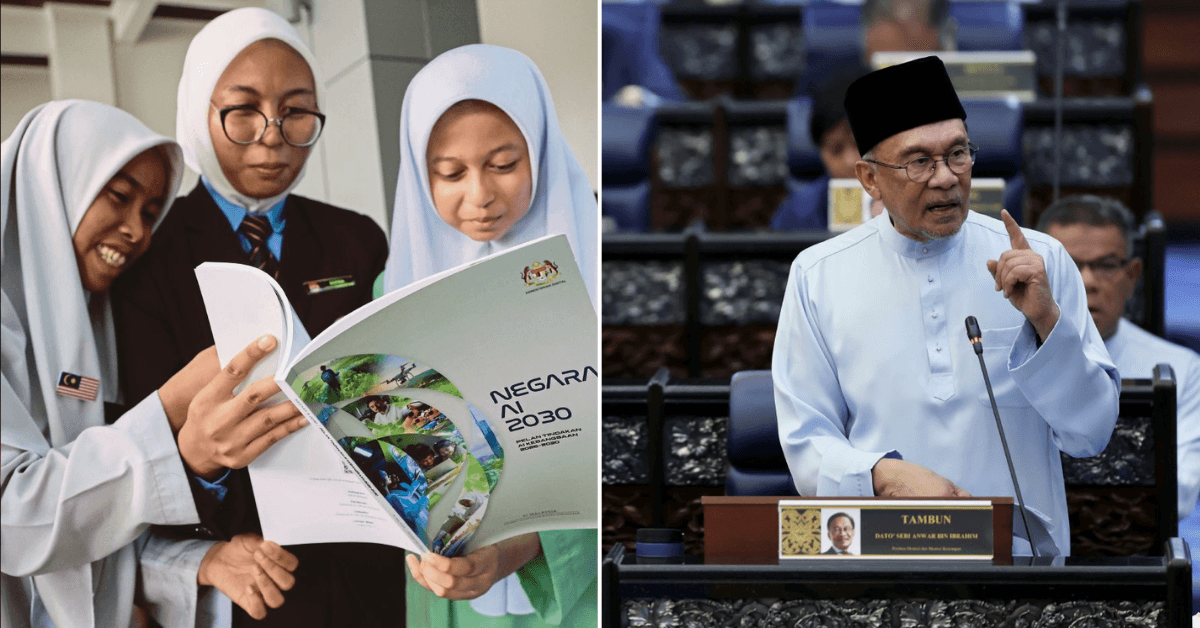 Cover image via
 Follow us on Instagram, TikTok, and WhatsApp for the latest stories and breaking news.
This Spotlight is sponsored by Malaysian Communications and Multimedia Commission (MCMC).
Budget 2027, tabled by Prime Minister Datuk Seri Anwar Ibrahim in the Dewan Rakyat on 9 October, outlined several government initiatives to strengthen the country's digital infrastructure
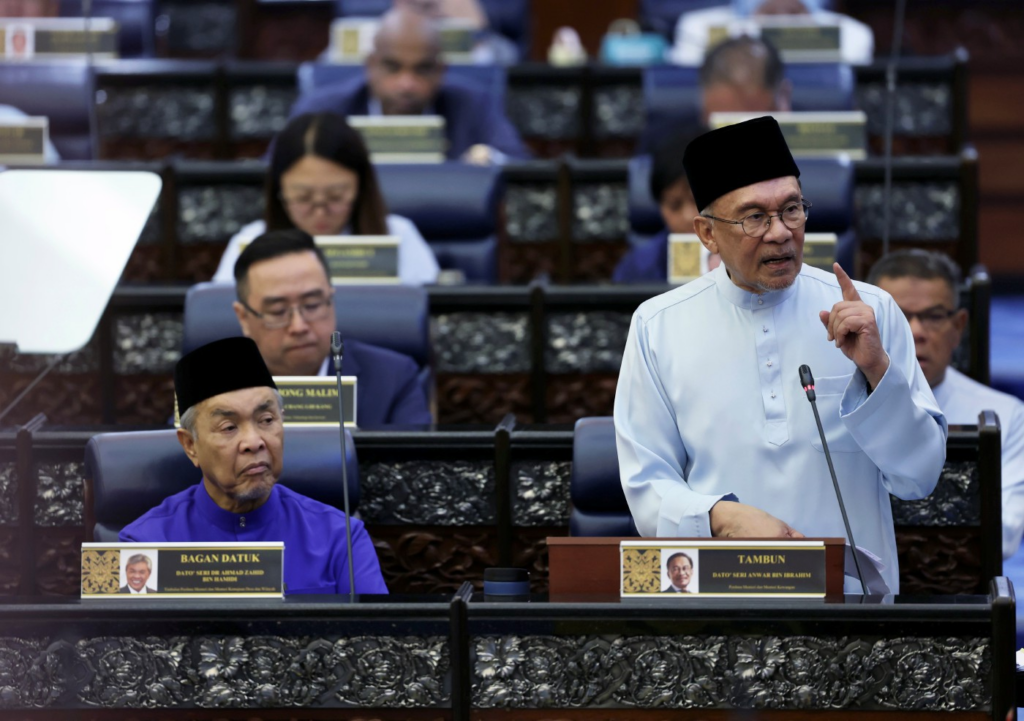
These will be done through programmes implemented by the Malaysian Communications and Multimedia Commission (MCMC).
Anwar said MCMC will step up efforts to improve internet connectivity, strengthen digital safety and accelerate artificial intelligence (AI) adoption under Budget 2027, backed by a RM5 billion allocation for the National Digital Network Plan (Jendela), which includes plans to extend 4G coverage to all Orang Asli villages next year.
Anwar said WiFi coverage had been provided at all public university campuses, while 4G coverage had been extended to all Felda settlements.
"We have so far successfully provided WiFi coverage at all public university campuses and 4G coverage in all Felda settlements," he said when tabling the Budget 2027.
He said efforts next year would focus on ensuring internet connectivity along 7,000km of roads and 1,700km of railway lines, as well as implementing the Madani Submarine Cable (SALAM) project.
The government will also work to extend 4G coverage to all Orang Asli villages, bringing more remote communities into the digital network.
The connectivity push forms part of the government's broader efforts to ensure Malaysians can benefit from digital services, education and economic opportunities, alongside initiatives to strengthen online protection and develop the country's digital capabilities.
A key priority is protecting the public from online scams and other cyber threats
MCMC has blocked more than 5.7 billion scam-related calls and short message service messages, while the National Scam Response Centre (NSRC) will develop an AI-powered application to help the public check suspicious phone numbers, bank accounts and links.
The initiative aims to help people identify potential scams before falling victim to them.
Efforts to protect children online will also be strengthened. The police's D11 division will enhance the Malaysia Internet Crime Against Children (MICAC) system with advanced analytics, while MCMC will intensify its Safer Internet Campaign in schools nationwide, focusing on cyberbullying and child exploitation.
Beyond digital safety, the government is looking to accelerate AI adoption, develop local expertise and strengthen the country's digital capabilities
An additional 100,000 free AI subscriptions will be made available, including access to applications such as ChatGPT, to widen access to AI tools.
The government is also developing a sovereign AI cloud, while RM6 billion has been allocated for research and development and commercialisation across ministries.
AI Malaysia Bhd will receive nearly RM15 million to strengthen the safe and ethical AI ecosystem, supporting the country's target of producing 200,000 skilled AI workers.
Meanwhile, the Malaysian Digital Economy Corporation will receive RM30 million to help 4,000 micro, small and medium enterprises adopt AI and automate their operations. A separate programme will train and certify 5,000 AI professionals.
To prepare for emerging cybersecurity risks, the National Cyber Security Agency and MCMC will develop local data protection technologies to address post-quantum threats and strengthen CSCDC Bhd.
The government is also investing in digital skills and entrepreneurship to help more Malaysians participate in the digital economy
The Digital Rakyat platform offers more than 16,000 courses and certificates through Coursera, providing users with opportunities to acquire new skills and improve their employability.
At the community level, RM142 million has been allocated to strengthen the NADI platform, which helps people in underserved areas access digital services and develop online businesses.
The platform has also helped entrepreneurs expand their reach. One example is Azmi Warisan, an entrepreneur from Kampung Sungai Leman, Selangor, whose sales increased by 80 per cent to RM240,000 through Nadi.
The allocation is expected to further support digital entrepreneurship and help communities participate more actively in the digital economy.
MCMC's role will also extend to healthcare, where digitalisation is expected to improve service delivery and efficiency
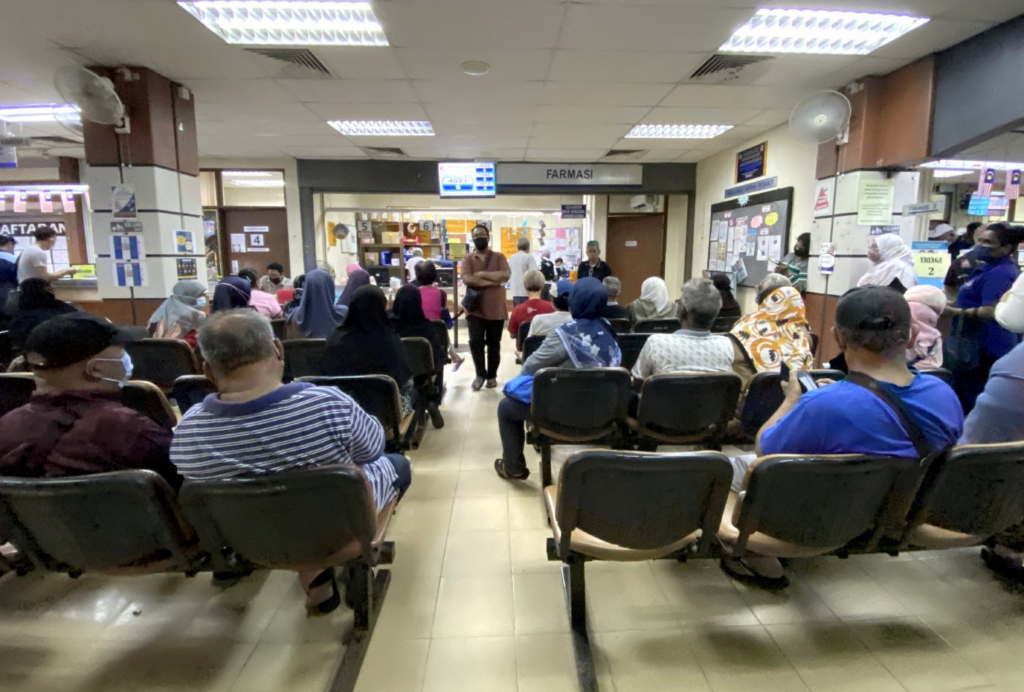
The commission will continue implementing the Electronic Medical Record (EMR) System at healthcare facilities nationwide through the National Digital Health Ecosystem and Connectivity Driver (PERSADA) initiative, with an investment of RM1 billion.
The initiative is expected to improve the efficiency of healthcare service delivery to the public.
Other healthcare measures announced under Budget 2027 include the MediAsas basic medical plan, scheduled to be introduced in January 2027.
Under the plan, hospital charges will be based on diagnosis and treatment. Employees Provident Fund members below 55 may pay premiums using savings in Akaun Sejahtera.
Employees of small and medium enterprises will also receive a RM200 subsidy towards the first-year premium. The scheme is open to SMEs with fewer than 75 employees, with the subsidy capped at 50 employees per company. It is expected to benefit up to 200,000 workers.
In a move to improve transparency, private hospital bills will adopt standardised charge categories from 2027. The e-CKAPS portal will also digitise the licensing process for private healthcare facilities, with processing times expected to be reduced by up to 65 per cent.
Taken together, the initiatives place digital technology at the centre of the government's efforts to improve connectivity, protect the public, support businesses, widen access to skills and improve essential services.
This article originally appeared on New Straits Times, with rights to be republished on SAYS.
Follow SAYS on Instagram, Facebook, and TikTok for updates!

Read more trending stories on SAYS
“Red Means Go” — This Short Film Reminds M’sians To Keep Moving Forward Amid Life’s Challenges
It doesn't matter if you're expanding your business, starting your family, or saving up for the future.
