
Do You Turn Down Your Radio Volume When Parking? Here’s The Psychology Behind It
It's not just a quirky habit we all have.


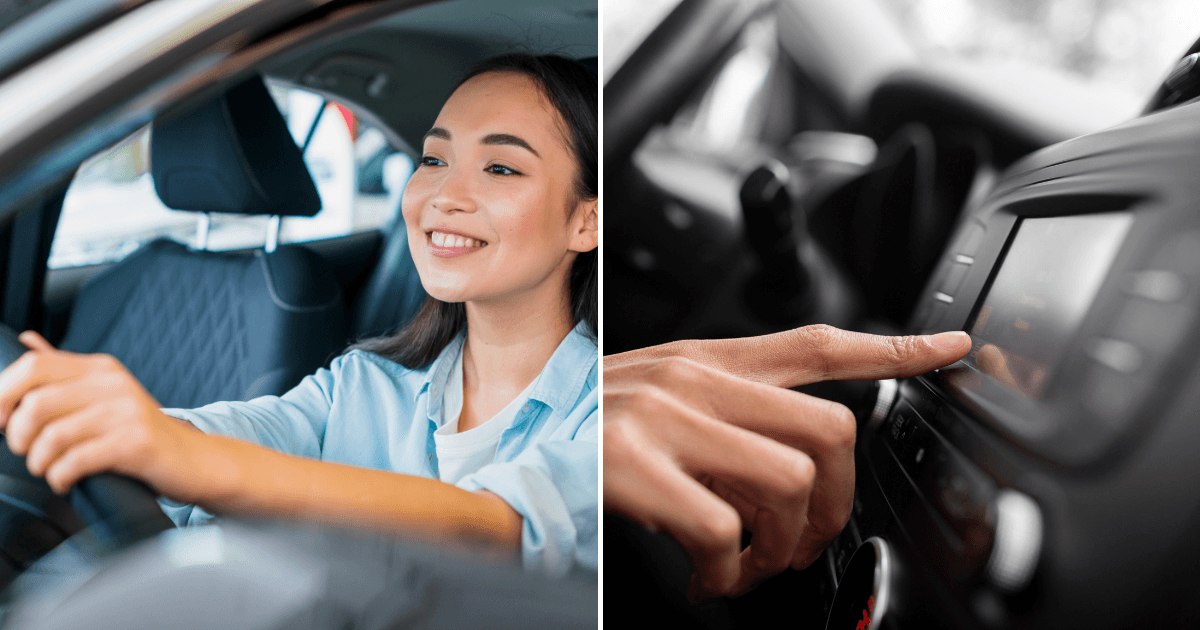 Cover image via
 Follow us on Instagram, TikTok, and WhatsApp for the latest stories and breaking news.
If you've ever reached a parking spot and instinctively turned down the radio, you're definitely not alone
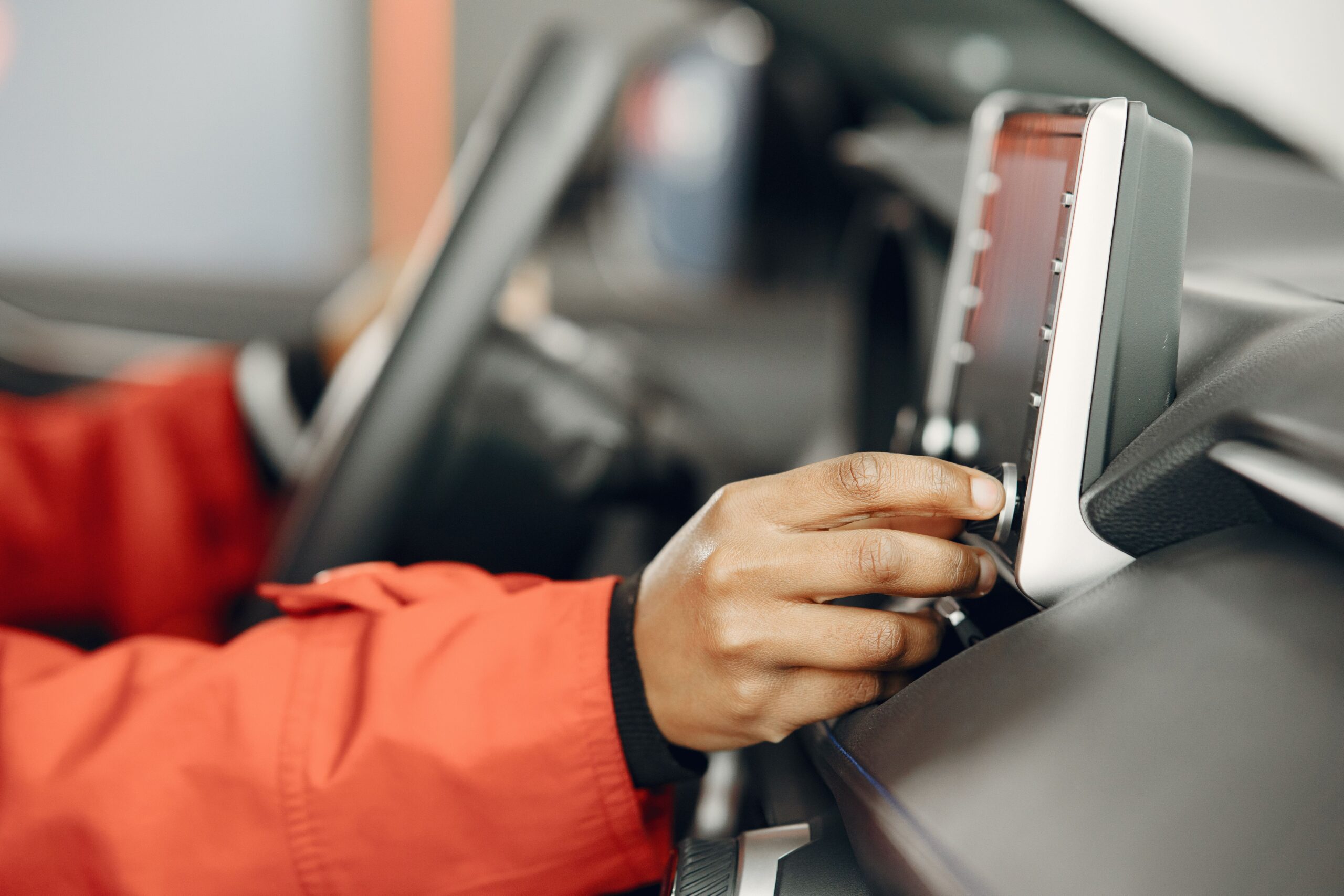
One second, you're jamming to your favourite song and next thing you know, you're turning the volume knob down and maybe even hunching forward a little.
Some car companies even have a built-in feature where your car radio is turned down any moment you're in reverse mode.
It might seem like another human habit that makes no sense, but there's a reasonable scientific explanation behind it.
Parking is simply a more demanding task compared to casual, day-to-day driving

Parking requires precise movements and constant spatial judgement. You're always estimating distances, checking mirrors, monitoring blind spots, controlling your speed, and keeping an eye on pedestrians or moving vehicles nearby.
Cognitive psychologists generally describe attention as a limited resource. When one task becomes more demanding, people naturally reduce other sources of information so they can focus more effectively on what's important and that's exactly what turning down the volume does.
That's also why most of us prefer it when passengers stay quiet while we're parking
Conversation requires attention. The brain has to process language, interpret meaning, and sometimes prepare responses while simultaneously handling another task.
If you're an experienced driver, you might be able to manage this without much difficulty because many aspects of driving have become automatic.
However, if you're a newer driver, you tend to be more affected by distractions because you're still actively thinking about every movement and decision.
Research suggests that audio information competes with visual and spatial tasks, taking up precious mental capacity
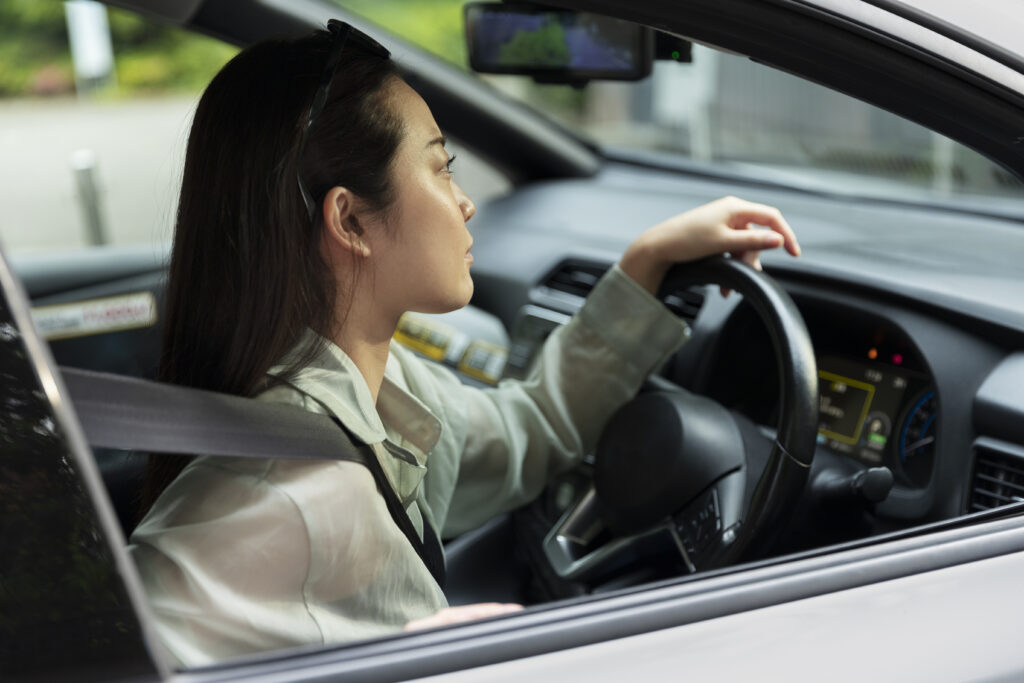
This is especially true when the audio contains lyrics or emotionally engaging content that demands some degree of language processing and interpretation.
That said, individual preferences also play a role in this. Some people have no trouble parking with loud music playing, while others prefer complete silence. Instrumental music also tends to be less distracting than songs with vocals, since it generally requires less linguistic processing.
The type of task matters too. Parking in an empty lot probably places different demands on attention compared with manoeuvring into a cramped parking space during peak hours.
For many people, reducing audio input simply makes it easier to concentrate on judging distances and making precise movements.
The reason this behaviour feels so automatic is that it becomes reinforced over time

Your brain associates that quieter environment with better concentration and a positive outcome. After years of repetition, the action gradually turns into habit.
Psychologists refer to this as learned association, or habit formation. Research on habit formation shows that behaviours repeated in the same context can become increasingly automatic over time, requiring less conscious thought.
Eventually, turning down the volume becomes as routine as checking your mirrors or adjusting your seat before you start driving.
