
Here’s Why Some Traffic Lights Have Countdown Timers While Others Don’t
One of those things that we don't always think about.


 Cover image via
 Follow us on Instagram, TikTok, and WhatsApp for the latest stories and breaking news.
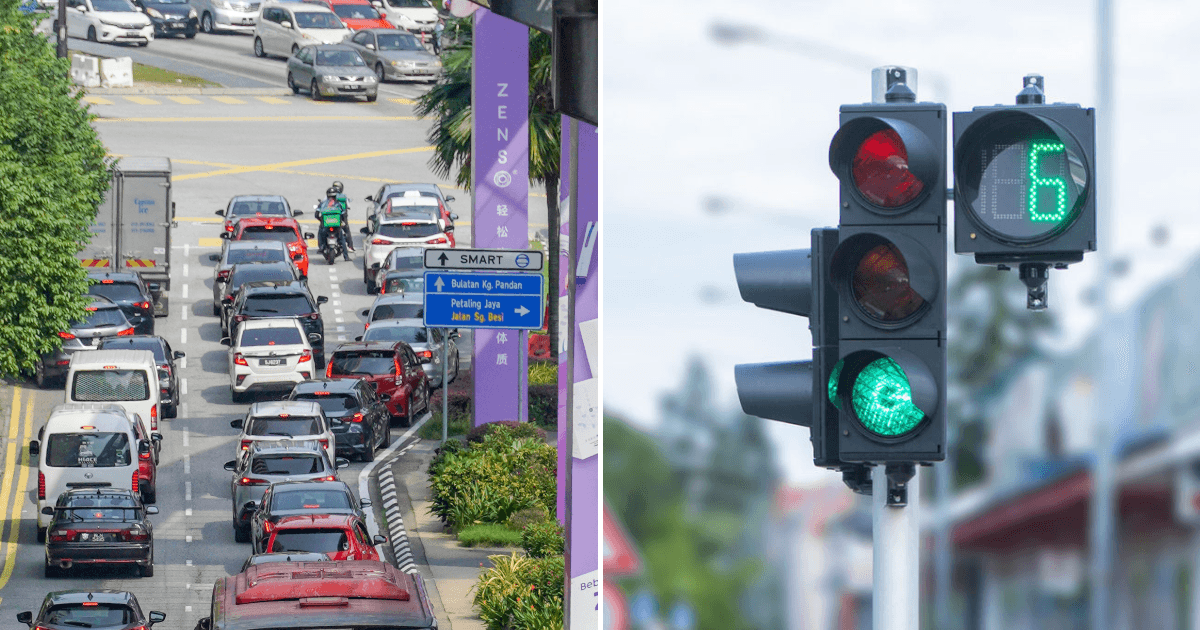
Traffic lights with countdown timers are the ones that have fixed timings
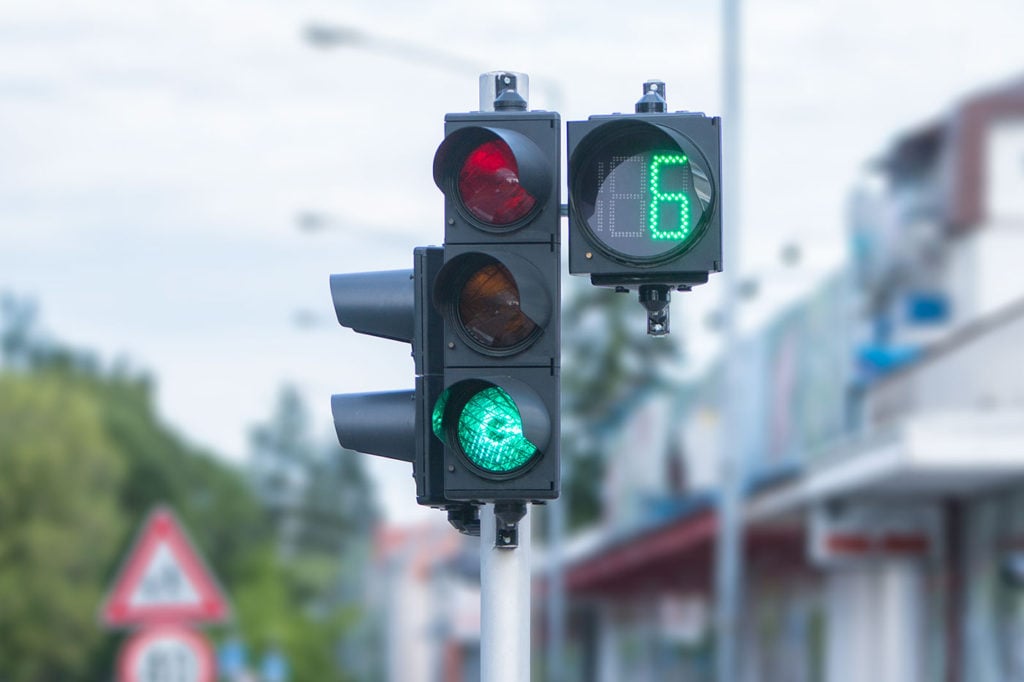
But why do some have the timer while others don't?
The simplest explanation is that countdown timers work best when traffic lights follow a pre-set schedule.
At many intersections, especially in residential areas or roads with consistent traffic flow, the duration of green, amber, and red lights remains relatively fixed throughout certain periods of the day. Since the system already knows exactly how long each phase lasts, displaying a countdown is straightforward.
That's why you'll often see countdown displays at pedestrian crossings, school zones, or standard urban junctions where traffic patterns don't fluctuate too much.
However, modern smart traffic systems constantly adjust their timings in real time
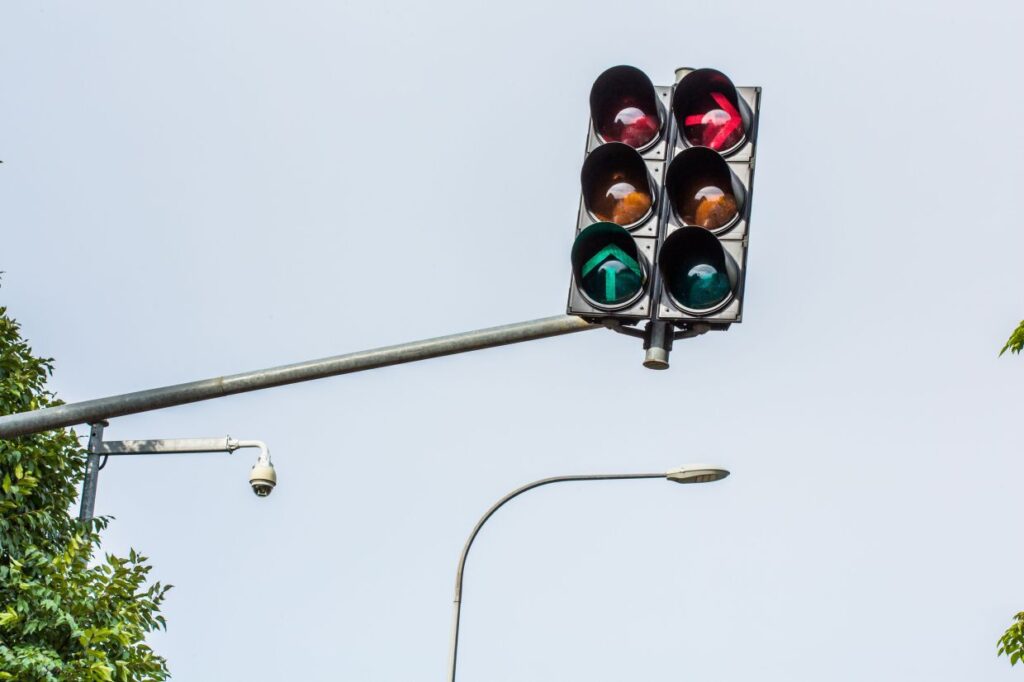
Many urban traffic lights today rely on adaptive traffic control systems that respond to actual road conditions. Sensors embedded in the road, cameras, or central traffic management systems monitor vehicle volumes and adjust signal durations accordingly.
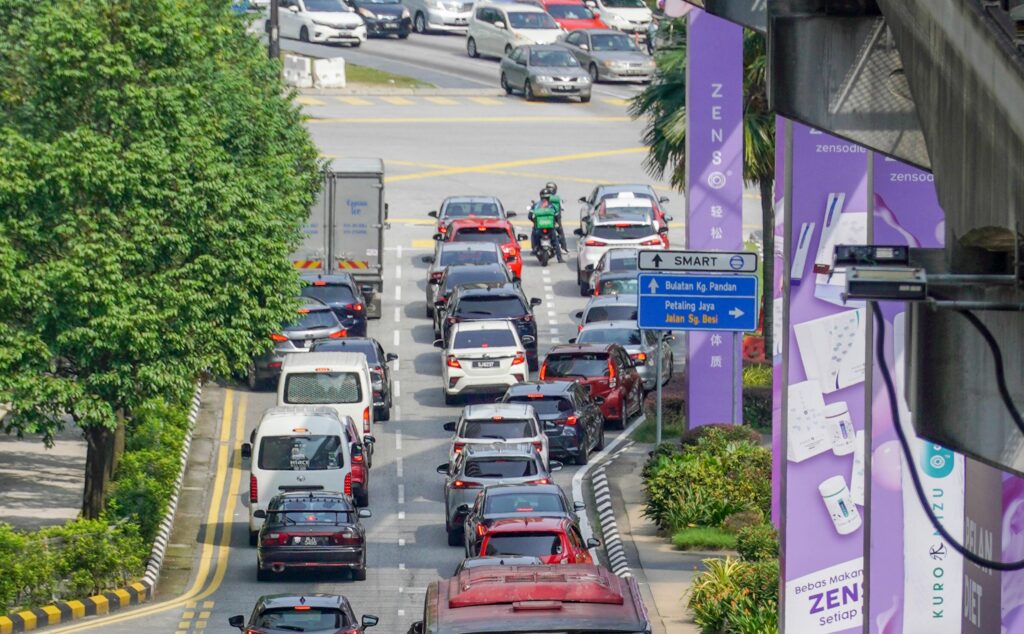
If one direction suddenly experiences heavy congestion, the green light may stay on longer to clear the queue. Another lane might receive a shorter cycle if there are fewer vehicles waiting.
In these situations, displaying an accurate countdown becomes difficult because the system itself may not know the exact timing and might confuse you and other road users.
Maintenance and overall cost also play a part in deciding if a traffic light will have a countdown timer or not
Adding a countdown display isn't as simple as attaching a digital clock beside an existing traffic light.
The system must be compatible with the traffic controller, properly calibrated, and maintained over time. Older traffic infrastructure may also require upgrades before countdown features can be installed, which adds to the overall cost.
That's why if a junction already functions effectively without a countdown timer, installing one may not be considered an urgent upgrade.
Besides traffic lights, you may have noticed that pedestrian crossings are more likely to feature countdown displays as well
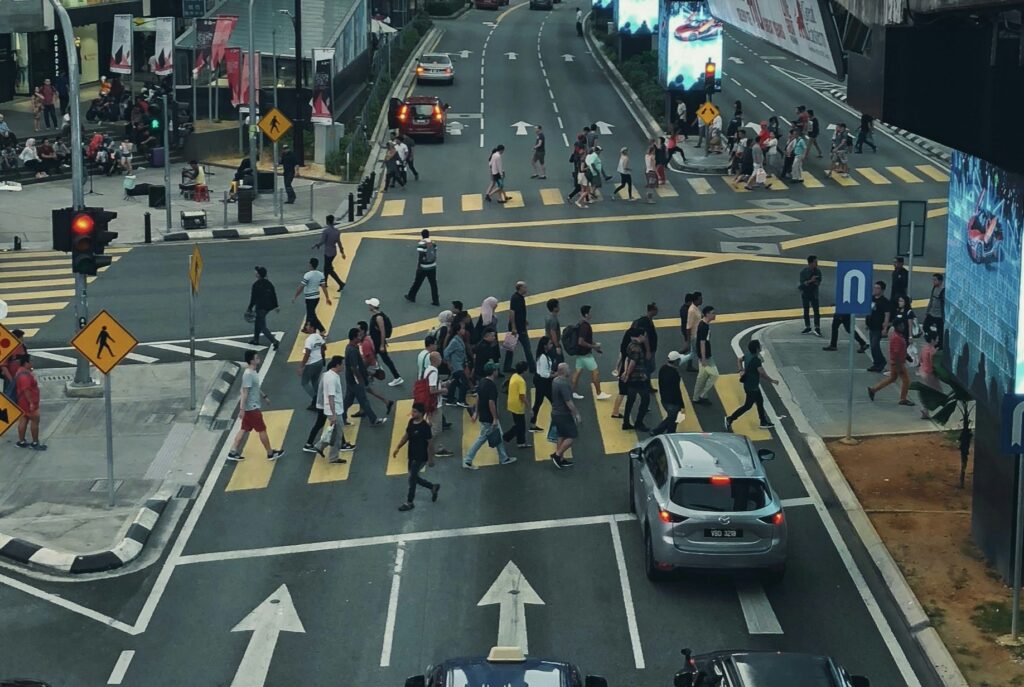
That's because pedestrians need a clear indication of how much time they have to cross safely, especially at wider roads. The countdown helps people decide whether they should start crossing or wait for the next signal cycle.
Many other countries have also adopted pedestrian countdown timers as part of broader road safety measures, particularly in urban centres with heavy foot traffic.
Read more trending stories on SAYS

“Red Means Go” — This Short Film Reminds M’sians To Keep Moving Forward Amid Life’s Challenges
It doesn't matter if you're expanding your business, starting your family, or saving up for the future.