
How To Use Elephant Glue Without Getting It All Over Your Fingers & Furniture
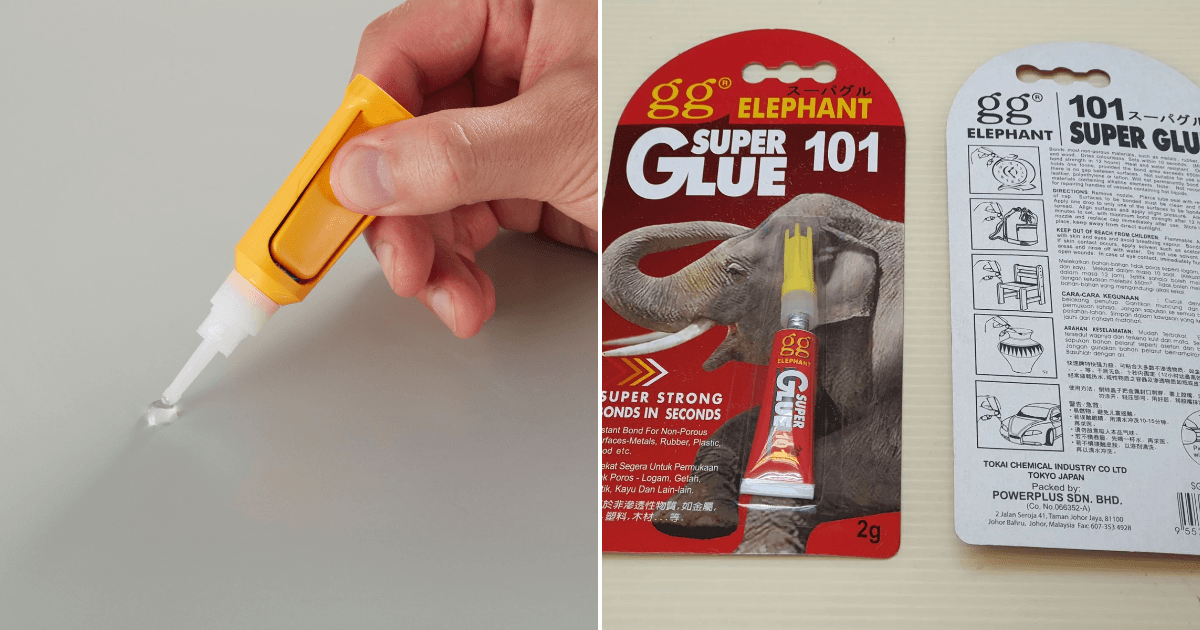
For starters, keep the tube upright when opening.


Follow us on Instagram, TikTok, and WhatsApp for the latest stories and breaking news.
If you've ever bought elephant glue before, you probably know how quickly a small repair can become a mess
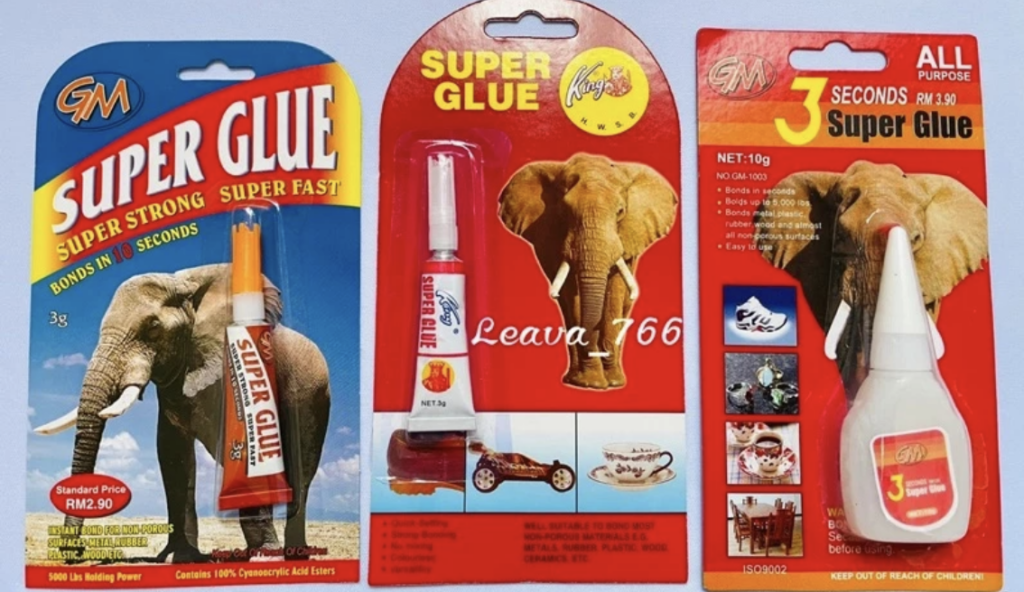
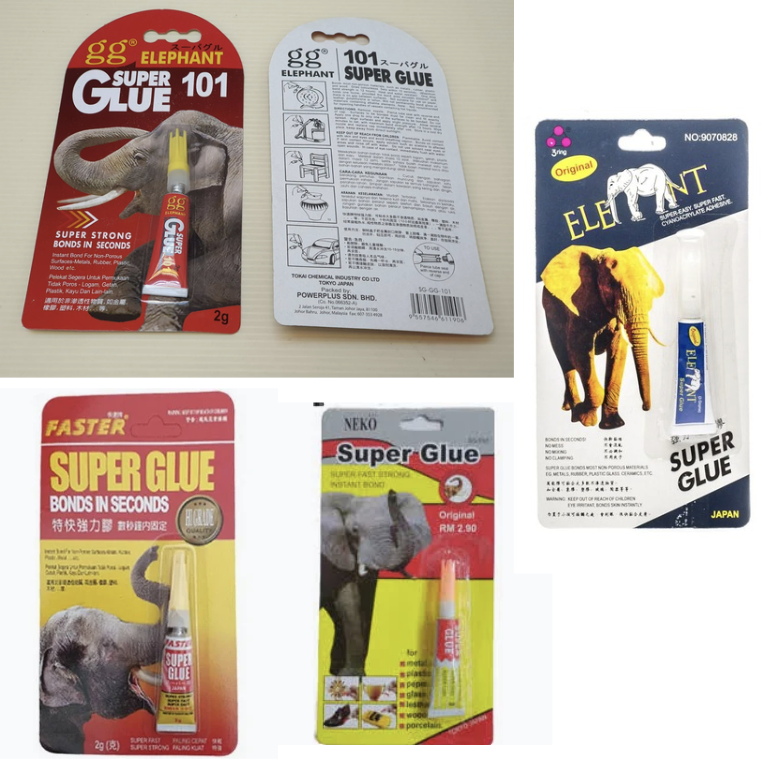
Perhaps you were looking for UHU, but the only glue you could find was a little tube with the reassuring image of an elephant on its packaging.
If you're anything like me, you probably didn't read the instructions, pierced a hole in the tube, and gave it a squeeze, only to be surprised by how runny the glue was.
Once, it splattered all over my spectacles and damaged them. Another time, it got all over my fingers. And on yet another occasion, it ended up on a wooden table, leaving a mark on the surface.
Suffice to say, I hadn't learnt my lesson.
The first thing to know is that elephant glue is usually a cyanoacrylate-based super glue
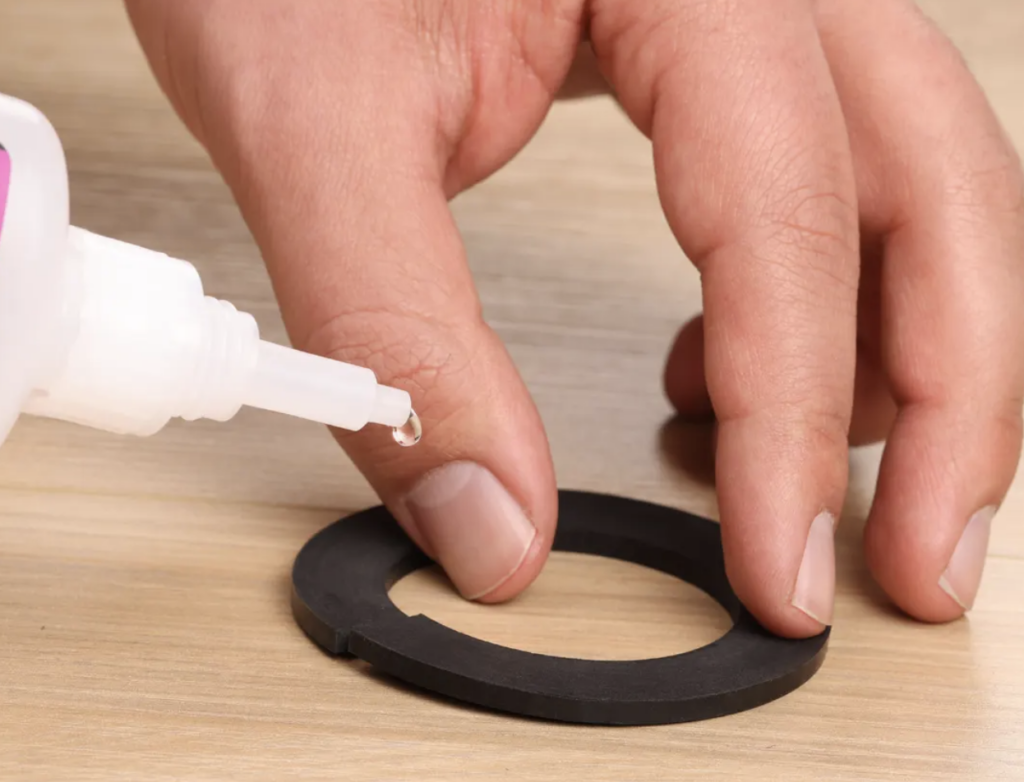
Image used for illustration purposes only.
Image via CECCORPCyanoacrylate is a fast-setting adhesive that hardens through a chemical reaction triggered by moisture. That includes the small amount of moisture on surfaces and your skin, which explains why your fingers can stick together so quickly.
If you're used to a general-purpose craft glue or gel super glues that remain adjustable for a few minutes after application, the liquid-style elephant glue can catch you off guard.
But what's interesting is that the runny consistency is actually intentional, allowing it to flow into narrow cracks.
Elephant glue is also known as gam gajah in Malaysia. If you've seen hardware store or convenience store shelves, you may have seen elephant imagery on different super glue products — they all generally refer to cyanoacrylate-based super glue.
Here's how to use elephant glue properly:
STEP 1: Check that it's suitable for the repair
Read the packaging first. Elephant glue doesn't work equally well on every material or surface.
STEP 2: Prepare the pieces and your workspace
Clean and dry the surfaces, removing dust and grease. Fit the pieces together without glue first so you know exactly where they need to go. Work in a well-ventilated area and wear eye protection if there's a risk of splashes, and keep children away from the work area.
STEP 3: Open it according to the packaging instructions
Follow the opening method supplied with your tube. Generally, you should keep the tube upright, pointing it away from you. Don't squeeze it while opening it, and never use your teeth.
STEP 4: Apply a small amount to one surface
Use the quantity recommended on the label. For a small repair, you may need only a tiny drop. Don't coat both pieces unless the instructions specifically say to.
STEP 5: Press the pieces together and leave them alone
Hold them in place for the time stated on the packaging, keeping your fingers clear. Initial bonding may occur after seconds or minutes, while full cure can take up to 24 hours depending on the formulation.
What should you do if elephant glue gets on your hand?
Image used for illustration purposes only.
Image via LoctiteIf elephant glue gets on your hands, don't pull the skin apart, as it can tear your skin. Start by soaking the affected area in warm, soapy water. As the glue softens, gently roll or rotate the fingers apart rather than pulling. Repeat the soak if necessary.
A little vegetable oil or petroleum jelly may also help loosen the bond. Give it time; it may take hours rather than minutes.
Acetone-based nail polish remover can help dissolve super glue, but may dry, crack, or irritate skin; use the smallest amount and avoid sensitive areas.
If there's burning, blistering, significant pain, or a large spill on your skin, seek medical help. If glue gets into your eyes, rinse with water for 15 minutes and get urgent medical attention. Don't force glued eyelids open or put acetone in your eyes.
What should you do if elephant glue gets onto your table or floor?
If it's a small, fresh spill, carefully blot up the excess without spreading it around, keeping the glue away from your fingers.
Do not use cotton wool, cotton pads, tissue, or woollen cloth to wipe up fresh cyanoacrylate glue. These fibres can accelerate curing and generate enough heat to burn skin or ignite the material. Use a plastic spatula or disposable plastic scraper instead.
If the glue has hardened up, acetone can help dissolve it, but may also damage finishes, including the finish on laminated wood. Before treating the residue, check the furniture's care instructions and whether your chosen remover is suitable for that particular surface.
The information provided is for educational and communication purposes only and it should not be construed as personal medical advice. Information published in this article is not intended to replace, supplant or augment a consultation with a health professional regarding the reader's own medical care.
