
India’s New Air Suvidha 2.0 Mandate Impacts 3 Million Monthly Travellers, Including Malaysians
More than 400,000 Malaysians travel to India annually for tourism, business, family visits, and medical treatment.


 Cover image via Niharika Kulkarni/AFP & Idrees Mohammed/AFP
Follow us on Instagram, TikTok, and WhatsApp for the latest stories and breaking news.
If you're travelling to India anytime soon, there's one more item to add to your pre-flight checklist
Starting 25 June, India has made it mandatory for all international passengers arriving in the country to complete an online health declaration through its upgraded Air Suvidha 2.0 portal before arrival.
The requirement affects everyone arriving from overseas, including Malaysian tourists, Overseas Citizens of India (OCI), foreign nationals, and Indian citizens returning home.
According to the High Commission of India in Kuala Lumpur, the online Self-Declaration Form (SDF) must be submitted within 24 hours before arriving in India.
The health declaration was reintroduced following the recent Ebola outbreak
India's Ministry of Civil Aviation and health authorities reinstated Air Suvidha after the World Health Organization (WHO) declared the recent Ebola (Bundibugyo virus disease) outbreak in the Democratic Republic of the Congo and Uganda a Public Health Emergency of International Concern.
The digital screening system is designed to help authorities identify travellers who may have recently visited affected regions or had potential exposure to the virus, allowing them to be flagged before entering the country.
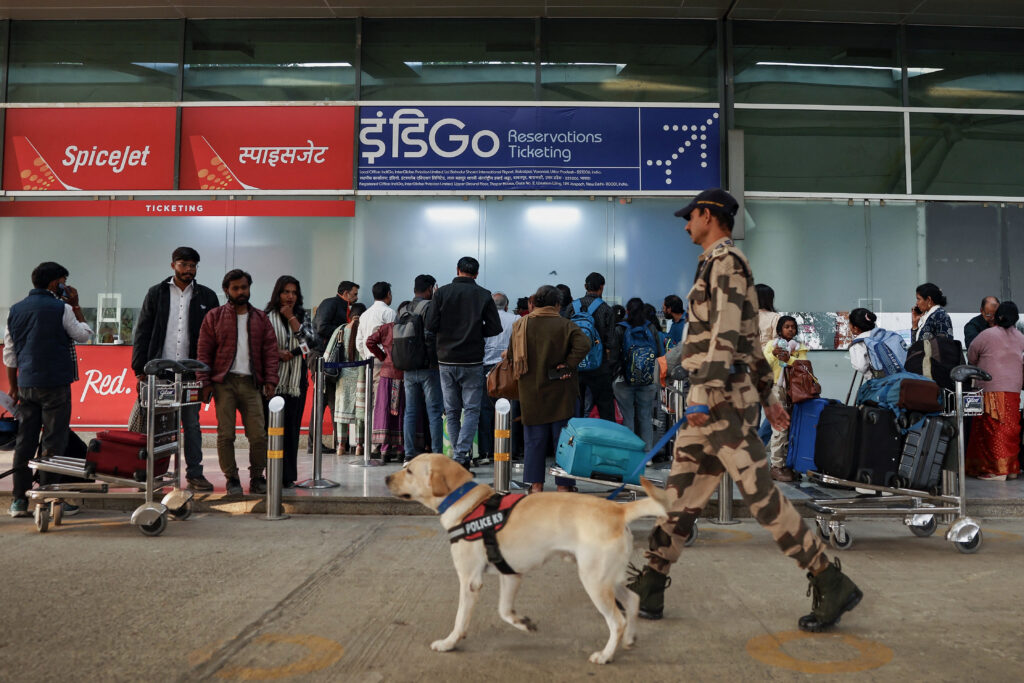
A police personnel walks with a sniffer dog at the Lal Bahadur Shastri International Airport in Varanasi, India.
Image via Niharika Kulkarni/AFPEvery international passenger must complete the form, even if they've never been to Africa
Travellers do not need to have visited Africa or any Ebola-affected country to be subject to the rule. Every international arrival into India must complete the declaration regardless of nationality, visa type, or travel history.
The Indian High Commission recommends filling out the form during your airline's online check-in or shortly before boarding your flight.
The declaration must be submitted through the official Air Suvidha government portal.
Authorities also reminded travellers that Air Suvidha 2.0 is completely free, warning passengers to avoid unofficial third-party websites that charge fees for processing the form.
Here's what you'll need to prepare
The paperless online declaration requires travellers to provide:
- Passport details, flight number, PNR, and seat number.
- A verified phone number and email address through a One-Time Password (OTP).
- The full address of where they'll be staying in India.
- Their travel history for the previous 21 days, including any countries visited or transited through.
- A health declaration confirming whether they have symptoms such as fever, headache, or muscle pain, or have had known exposure to Ebola cases.
Once submitted, travellers should download or save the acknowledgement receipt on their phone.
They may be asked to present it at the International Travel Health Desk or Immigration Counter upon arrival in India.
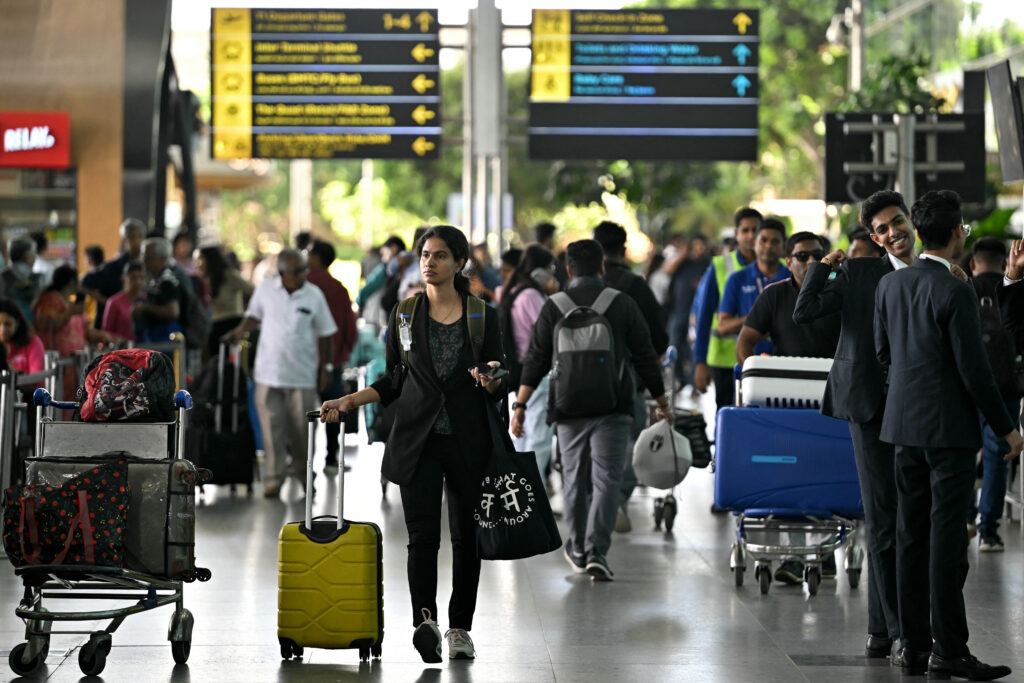
The Kempegowda International Airport in Bengaluru, India.
Image via Idrees Mohammed/AFPAround three million to 3.6 million passengers are expected to complete the form every month
Because the mandate applies to every international arrival instead of only travellers from affected countries, Air Suvidha 2.0 now covers a massive number of passengers.
Based on aviation and airport data, India's international airports process approximately 115,000 to 120,000 arriving passengers every day, translating to roughly three million to 3.6 million international arrivals each month.
That group includes returning Indian citizens, OCI cardholders, foreign tourists, business travellers, medical travellers, and other overseas visitors.
Malaysians are also among those affected, with more than 400,000 Malaysians travelling to India annually for tourism, business, family visits, and medical treatment.
Health authorities say the blanket requirement allows the system to quickly identify passengers who may have recently travelled through high-risk regions or shared flights and transit hubs with potentially exposed individuals, helping streamline health screening without delaying the vast majority of travellers.
