
A High Fever Could Be More Than Just A Fever. Here’s What To Know About Dengue
Keep an eye out for warning signs and seek medical advice if you're concerned.


 Cover image via
 Follow us on Instagram, TikTok, and WhatsApp for the latest stories and breaking news.
Malaysia is seeing a worrying increase in dengue cases

Between 1 January and 9 July 2026, 42,848 dengue cases were reported across Malaysia. This marked a 34.8% increase from 31,790 cases during the same period last year. Even more concerning, dengue-related deaths rose from 19 to 34, marking a 78.9% increase.
With Aedes mosquitoes thriving in Malaysia's hot and humid climate, dengue remains a public health concern. But how does dengue spread, what should you look out for, and what should you do if you suspect you have it?
Here's what to know:
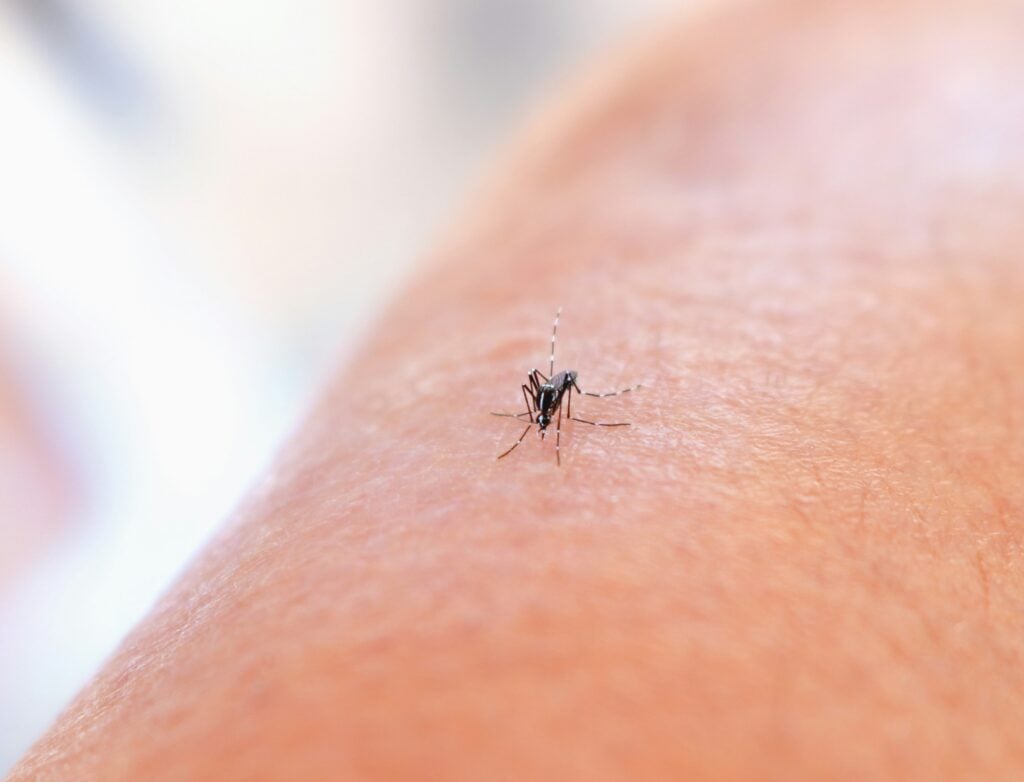
1. Dengue is a viral infection transmitted through the bite of an infected Aedes mosquito
The virus does not normally spread directly from one person to another. Instead, a mosquito can pick up the virus after biting someone who has dengue, then transmit it to another person through a later bite.
And getting dengue once does not mean you're protected for life.
There are four dengue virus serotypes: DENV-1, DENV-2, DENV-3 and DENV-4. Being infected with one type does not protect you against the others, meaning a person can be infected multiple times.
2. Symptoms usually appear four to 10 days after a mosquito bite and may last between two and seven days
Common symptoms include:
- High fever of around 40°C
- Severe headache
- Pain behind the eyes
- Muscle and joint pain
- Nausea or vomiting
- Rash
ㅤ
Since some of these symptoms can look like an ordinary viral infection, it's important not to simply brush them off, especially if the fever is high or several symptoms appear together.
3. The fever subsiding doesn't always mean you're recovering
Severe dengue can develop when the fever starts to subside, so feeling better after the fever comes down does not necessarily mean the danger has passed. Seek immediate medical attention if you experience:
- Severe abdominal pain
- Persistent vomiting
- Bleeding from the nose or gums
- Blood in vomit or stool
- Restlessness
- Extreme fatigue or weakness
ㅤ
If these warning signs appear, don't wait for them to pass on their own.
4. There is no specific cure for dengue, so treatment focuses on managing symptoms and staying hydrated
The World Health Organization and Malaysia's Ministry of Health recommend paracetamol to help relieve fever, headaches, muscle aches and joint pain. It can help with pain and fever without increasing the risk of bleeding.
But not every common fever medicine is suitable.
People with suspected or confirmed dengue should avoid aspirin, ibuprofen and other NSAIDs, as these may increase the risk of bleeding and other complications.
In short: For dengue-related fever and pain, choose paracetamol and avoid NSAIDs such as aspirin and ibuprofen.
If you've been diagnosed with dengue, giving your body enough time and care to recover is important

Make sure to drink plenty of water, get enough rest, and use paracetamol appropriately to help manage fever and pain.
However, keep an eye on how you're feeling. If your symptoms worsen or you notice any warning signs, seek medical attention promptly.
You may not be able to keep every mosquito away, but a few simple habits can help reduce your risk of getting bitten
To protect yourself from mosquito bites:
- Wear long-sleeved clothing
- Use mosquito repellent containing DEET, Picaridin, or IR3535
- Use mosquito nets where appropriate
ㅤ
It's also important to make your home less inviting to Aedes mosquitoes, which can breed in containers holding stagnant water.
Start by removing items that can collect water, disposing of solid waste properly, and covering, emptying and cleaning domestic water storage containers every week.
With dengue cases and deaths on the rise, knowing the symptoms and warning signs could help you act sooner if you or someone around you becomes unwell
If you develop a high fever along with dengue-like symptoms, don't brush it off. Keep an eye out for warning signs and seek medical advice if you're concerned.
Read more trending stories on SAYS
“Red Means Go” — This Short Film Reminds M’sians To Keep Moving Forward Amid Life’s Challenges
It doesn't matter if you're expanding your business, starting your family, or saving up for the future.
