
“They’re Not For Cleaning Your Shoes!” — Here’s Why Escalators Have Brushes On The Side
One of the most overlooked parts of an escalator.


 Cover image via
 Follow us on Instagram, TikTok, and WhatsApp for the latest stories and breaking news.
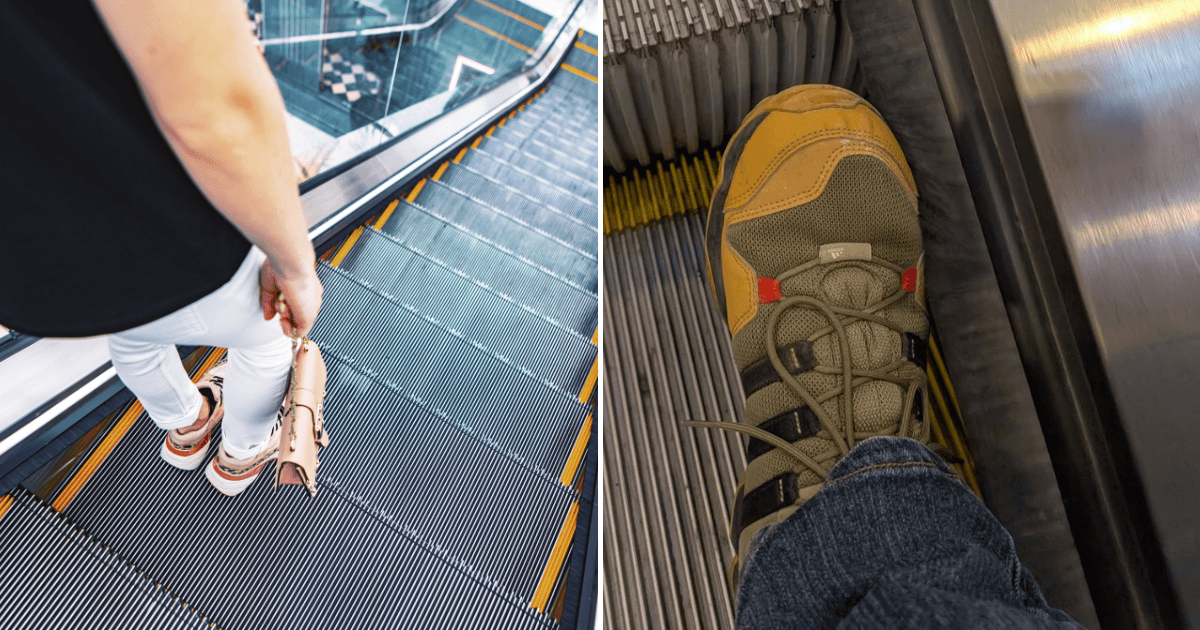
You may have noticed escalators that have these "brushes" on the side, especially in a shopping mall or building with multiple levels
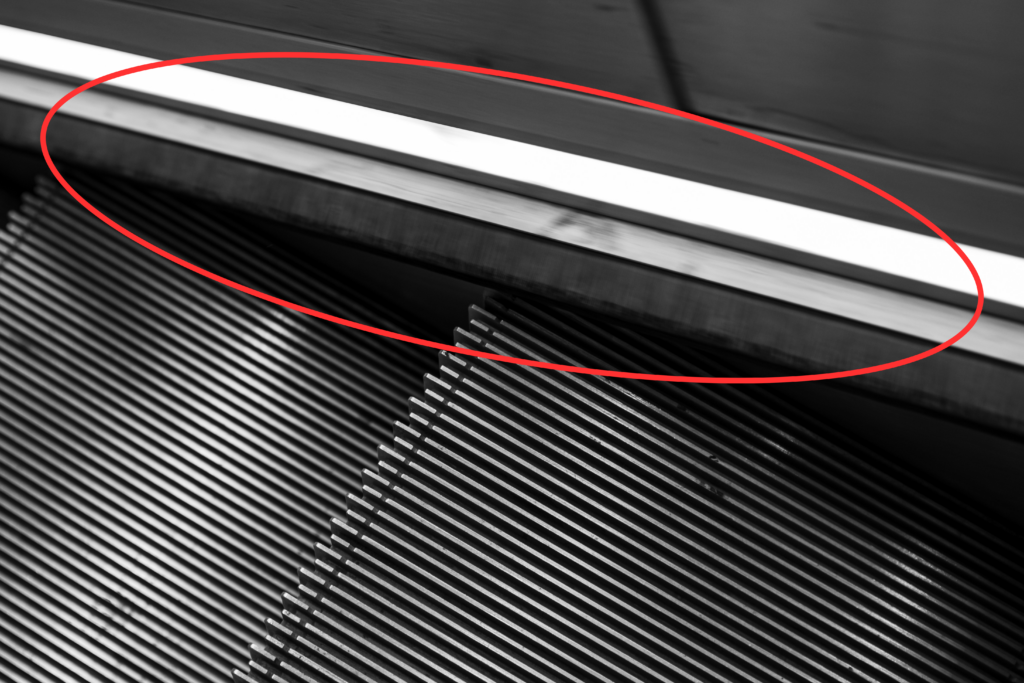
Most people assume they're there to sweep dirt off shoes or clean the escalator as it moves.
While they may incidentally help prevent debris from collecting along the edges, there's an actual reason why they're installed in the first place.
Why do escalators have brushes on the side?
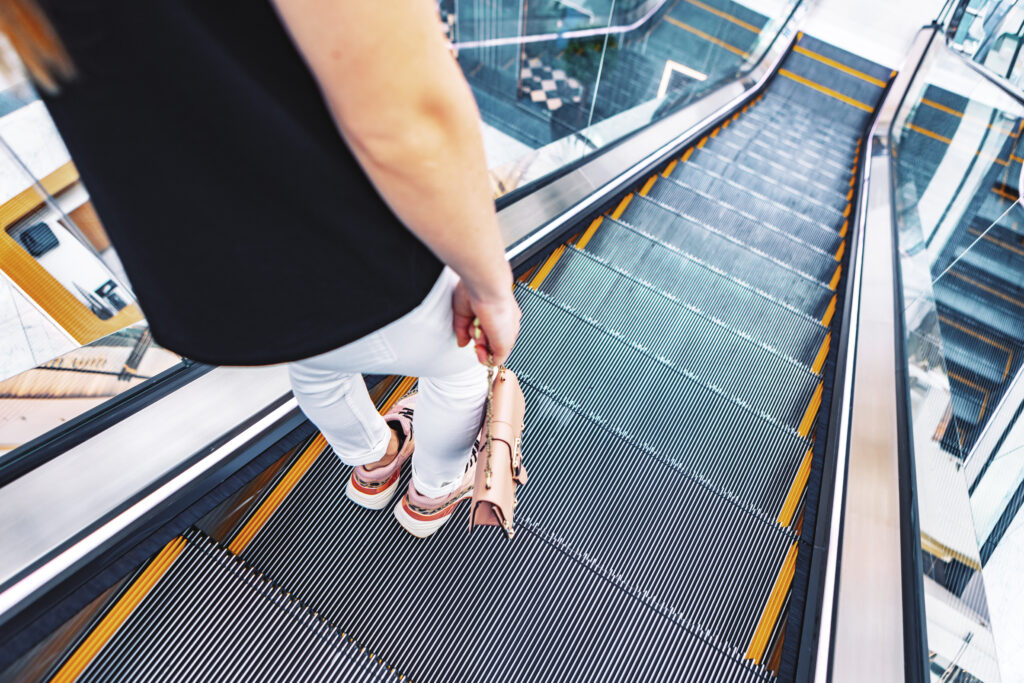
Their primary purpose is to improve safety by discouraging people, clothing, and loose belongings from getting too close to the gap between the moving steps and the stationary side panels.
Every escalator has a tiny gap between its moving steps and the fixed side panel, known as the skirt panel.
The clearance is intentionally kept as small as possible, but it can't be completely eliminated because the steps need enough space to move smoothly.
If shoes, loose clothing, shopping bags, or other belongings press against this area, there's a small risk they could become trapped, especially if the material is soft or flexible.
That's where the brushes come in.
When your foot or belongings brush against the bristles, they create a light tactile sensation that encourages you to instinctively move back towards the centre of the step
This helps you avoid getting your loose clothing or any belongings stuck, which can hurt you or cause damage to your belongings.
It's a simple piece of behavioural design that just works.
One common misconception is that the brushes physically prevent accidents
The thing is, they don't. The bristles are flexible rather than rigid, so they aren't designed to stop a shoe or object from entering the gap if enough force is applied.
This is the result of safety standards that have continued to evolve as engineers learned more about how accidents happen
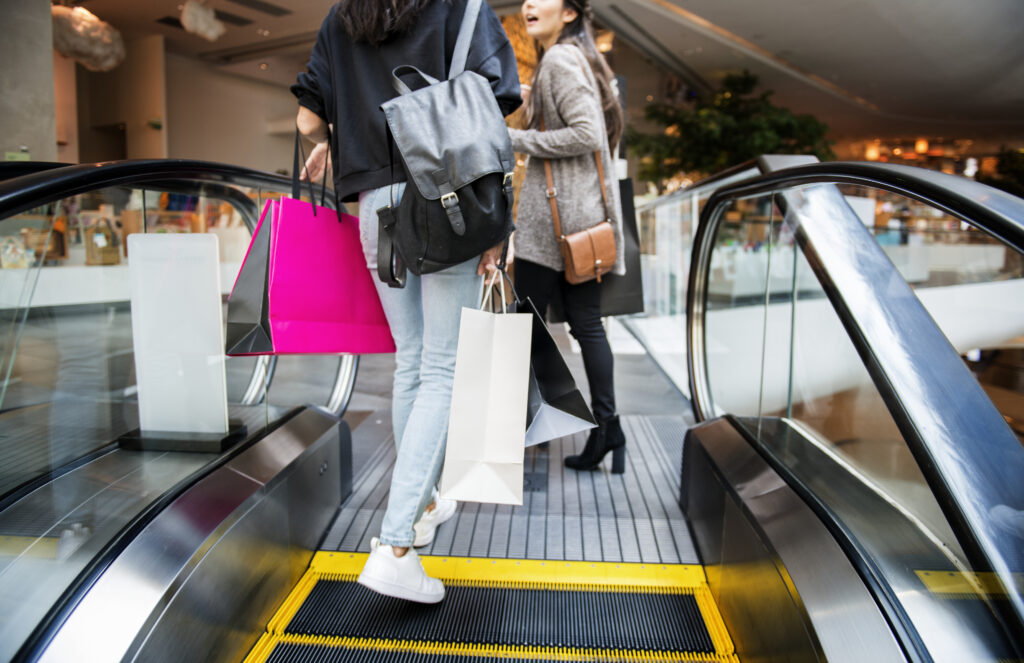
Investigations found that many entrapment incidents occurred when footwear, long coats, shoelaces, shopping bags, or other loose items came into contact with the skirt panel.
Children wearing soft rubber shoes were found to be particularly vulnerable because some materials could deform slightly under pressure and become wedged against the moving steps.
To help reduce these risks, manufacturers introduced skirt deflectors as an additional safety feature.
Today, skirt deflectors are widely used on modern escalators and are recognised in many national and international safety standards.
While modern escalators include multiple safety features, it's important not to take you and your child's safety for granted
Safety authorities generally recommend you to:
- Stand near the centre of each step
- Hold the handrail throughout the ride
- Keep loose clothing, shoelaces, scarves, and bags away from the sides
- Supervise young children closely
- Avoid sitting on the steps or letting children play on escalators
- Use lifts instead of escalators for prams, trolleys, or bulky luggage unless the escalator is specifically designed for them
So, the next time you step on an escalator, just know that the brushes are not for cleaning your shoes!
In fact, you probably shouldn't be putting your shoes anywhere close the edge.
Read more trending stories on SAYS

“Red Means Go” — This Short Film Reminds M’sians To Keep Moving Forward Amid Life’s Challenges
It doesn't matter if you're expanding your business, starting your family, or saving up for the future.