
What Does A Basic Blood Test Actually Cover?
Had a blood test and wondering what those numbers mean? This is for you.


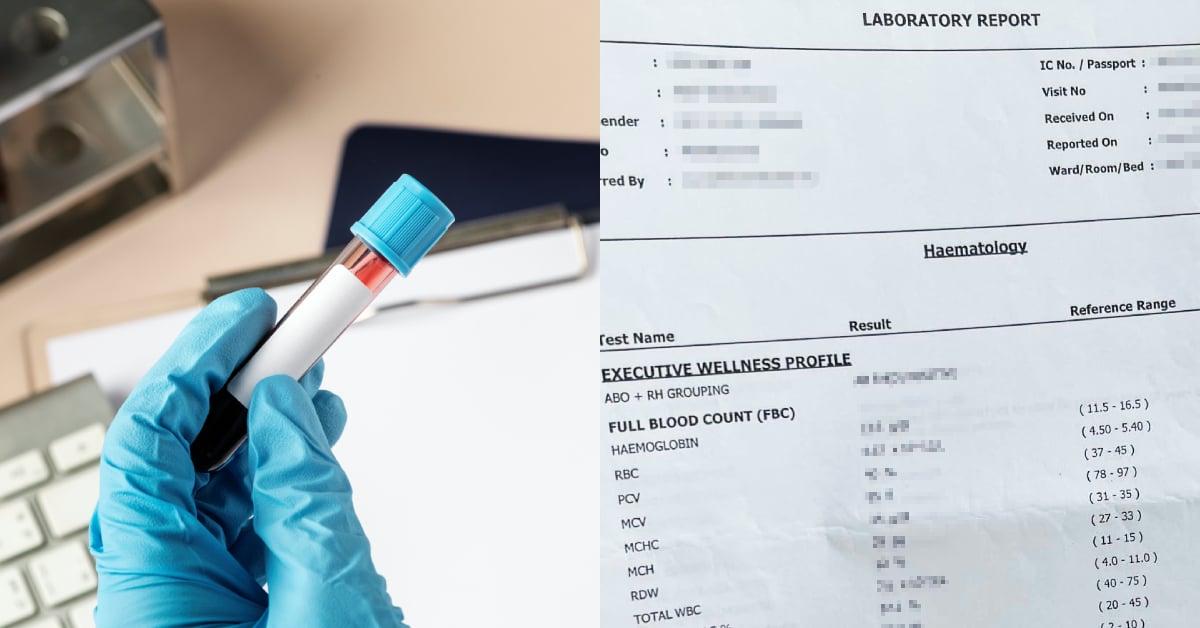 Cover image via
 Follow us on Instagram, TikTok, and WhatsApp for the latest stories and breaking news.
A blood test can tell doctors a surprising amount about what is happening inside your body
With just one tube of blood, laboratories can run multiple tests depending on what your doctor is looking for.
There are several common blood test panels that doctors may order as part of a routine health check-up or to monitor existing conditions.

Here's a basic rundown of some of the most common blood test panels:
1. Full Blood Count
A full blood count looks at the different cells in your blood: red blood cells, white blood cells, and platelets.
It can help doctors identify abnormalities such as anaemia, infections, and problems with blood clotting.
What it checks:
– Red blood cells (RBC): Can help identify anaemia and other blood-related conditions
– White blood cells (WBC): Can indicate infection or inflammation
– Platelets: Important for blood clotting and can help identify bleeding or clotting problems
Common parameters include:
RBC, haemoglobin, haematocrit, WBC, neutrophils, eosinophils, lymphocytes, and platelets.
2. Kidney Function Test / Renal Profile
A renal profile assesses how well your kidneys are functioning.
Your kidneys filter waste products from your blood, so changes in certain substances in your blood can indicate that your kidneys may not be working properly.
What it checks for:
– Acute kidney injury
– Chronic kidney disease
– Electrolyte imbalances
Common parameters include:
Urea, creatinine, uric acid, sodium, potassium, chloride, and estimated glomerular filtration rate (eGFR).
3. Liver Function Test
A liver function test measures several substances, including enzymes and proteins, in your blood that can provide information about your liver and bile ducts.
Abnormal liver enzyme levels can be associated with liver injury or inflammation, although they do not always tell you exactly what is causing the problem.
What it can help detect or monitor:
– Liver inflammation or injury
– Fatty liver disease
– Alcohol-related liver disease
– Bile duct problems
Common parameters include:
Liver enzymes such as ALT, AST, ALP, and GGT, as well as bilirubin, albumin, and total protein.
4. Lipid Profile
A lipid profile measures different types of fats in your blood.
It is commonly used to assess your cholesterol levels and help determine your risk of cardiovascular disease.
What it checks for:
– High cholesterol
– Abnormal blood lipid levels
Common parameters include:
– HDL cholesterol: Often known as "good" cholesterol
– LDL cholesterol: Often known as "bad" cholesterol
– Triglycerides: A type of fat found in your blood

5. Blood Glucose
A blood glucose test checks your blood sugar levels and can be used to screen for or monitor diabetes.
Depending on the test being performed, doctors can look at your blood glucose level at a specific point in time or your average blood glucose levels over the past two to three months.
What it checks for:
– Prediabetes
– Diabetes
Common parameters include:
Fasting blood glucose, HbA1c.
6. Thyroid Function Test
A thyroid function test checks whether your thyroid gland is producing the right amount of thyroid hormones, which play an important role in regulating your body's metabolism.
It can help doctors identify an underactive or overactive thyroid.
What it checks for:
– Hypothyroidism: An underactive thyroid
– Hyperthyroidism: An overactive thyroid
Common parameters include:
TSH, T3, and T4.

While these tests can provide doctors with useful information about your health, the numbers do not necessarily tell the whole story on their own
Doctors will interpret your results based on your symptoms, medical history, age, medications, and other test results.
So, if you've recently had a blood test and are staring at a long list of abbreviations and numbers, don't panic — your results are best interpreted in context by a healthcare professional.
The information provided is for educational and communication purposes only and it should not be construed as personal medical advice. Information published in this article is not intended to replace, supplant, or augment a consultation with a health professional regarding the reader's own medical care.
