
Why Do Fingers & Toes Wrinkle In Water? Here’s The Science Behind It
It's actually not caused by water absorption.


 Cover image via
 Follow us on Instagram, TikTok, and WhatsApp for the latest stories and breaking news.
Have you ever spent a day at the swimming pool or taken a long shower, and noticed your fingers get wrinkled like a prune?
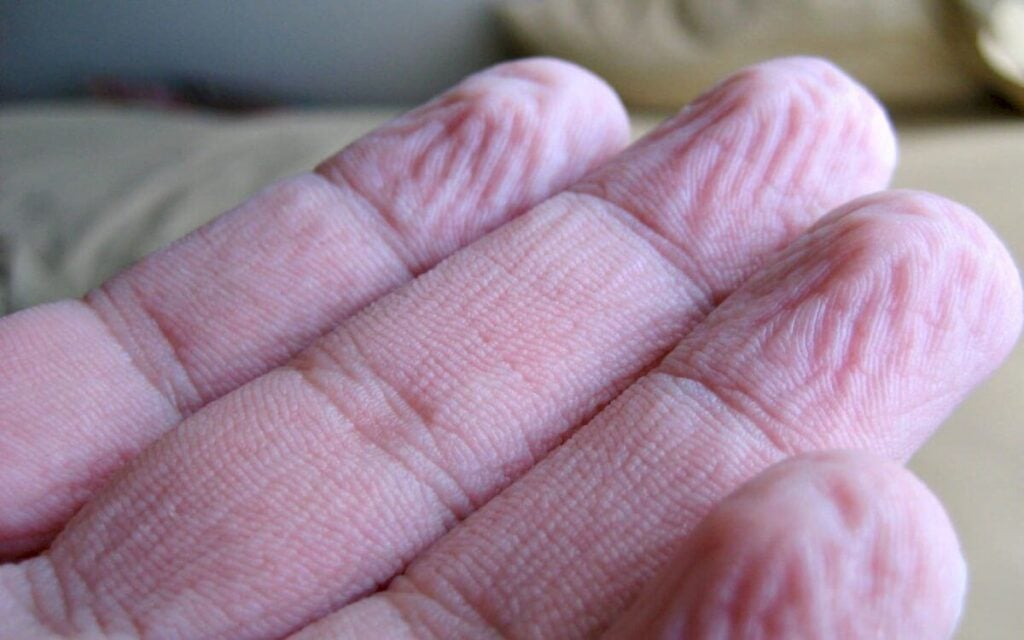
People used to think that this was caused by our skin absorbing water, but scientists have discovered that our nervous system is responsible for this response.
A review in the Clinical Autonomic Research explained that the wrinkling response is linked to a process called vasoconstriction controlled by the autonomic nervous system
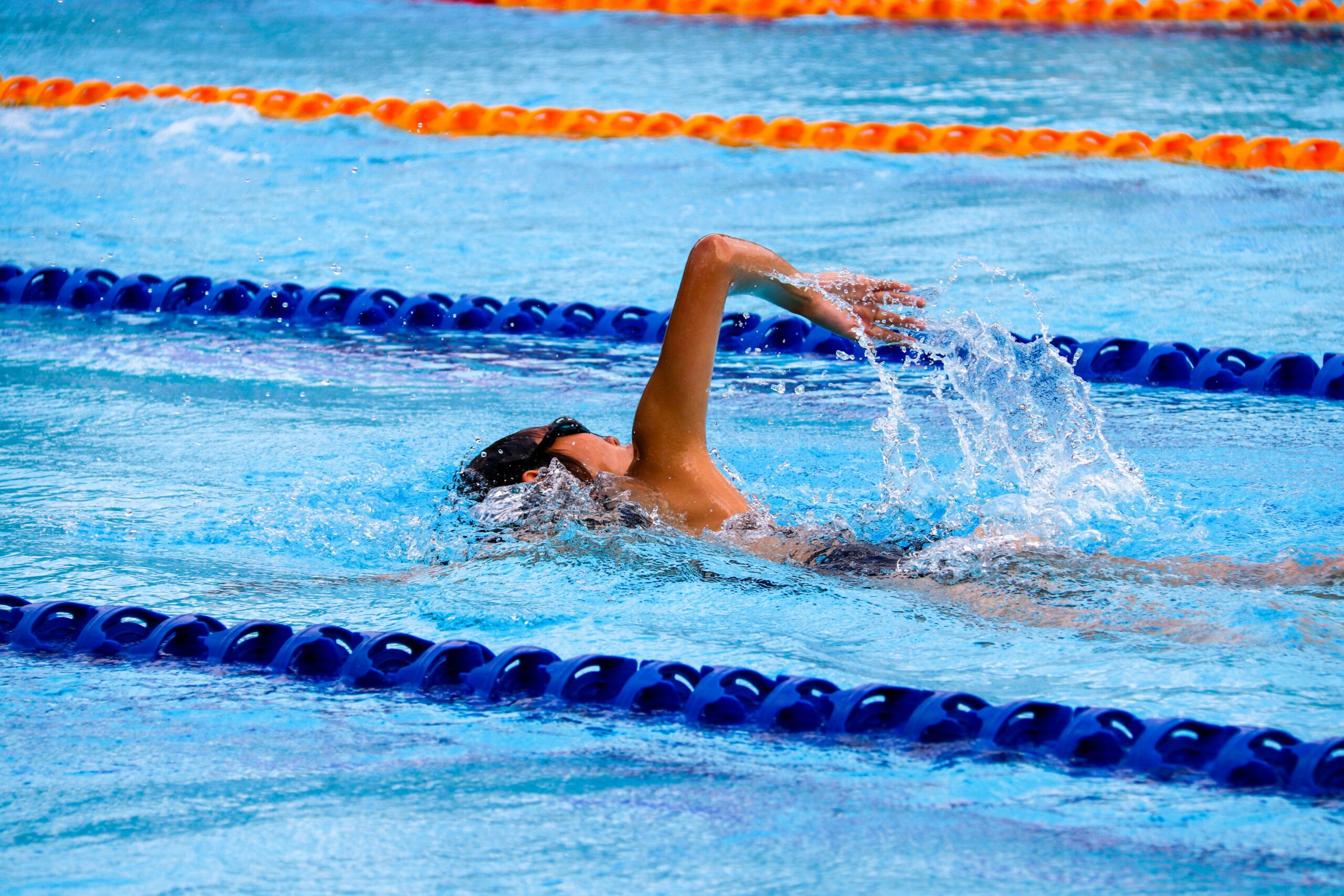
When your hands and feet remain submerged in water for several minutes, the blood vessels beneath the skin begin to narrow through the process.
This response is controlled by the autonomic nervous system, which manages automatic bodily functions such as heart rate and digestion.
As the blood vessels constrict, the volume beneath the skin decreases slightly. The skin above then folds inward, creating the familiar wrinkled appearance.
But why do our fingers and toes wrinkle up? Researchers have a theory on this.

Several studies suggest that wrinkled fingers improve our ability to handle wet objects by increasing traction, much like the tread patterns on a car tyre.
In a 2013 study published in Biology Letters, participants with wrinkled fingers were able to move wet objects more efficiently than those without wrinkles.
You'll also notice that wrinkling mainly affects your fingers and toes rather than your entire body. That's because these areas have a higher concentration of specialised skin structures and are particularly useful for gripping and movement.
The response is also temporary. Once you're out of the water, blood flow returns to normal and your skin gradually smooths out again.
Can staying in water too long damage your skin?
For most people, wrinkly fingers are completely harmless and temporary.
Once your hands dry off, the blood vessels return to normal and the skin smooths out again.
However, if your skin remains wrinkled for unusually long periods or develops without water exposure, it may be worth consulting a healthcare professional, as certain medical conditions can affect the body's normal wrinkling response.
