
3 Reasons Why White Clothes Turn Yellow Even With Regular Washing & How To Fix It
Don't throw them away just yet!


 Cover image via
Follow us on Instagram, TikTok, and WhatsApp for the latest stories and breaking news.
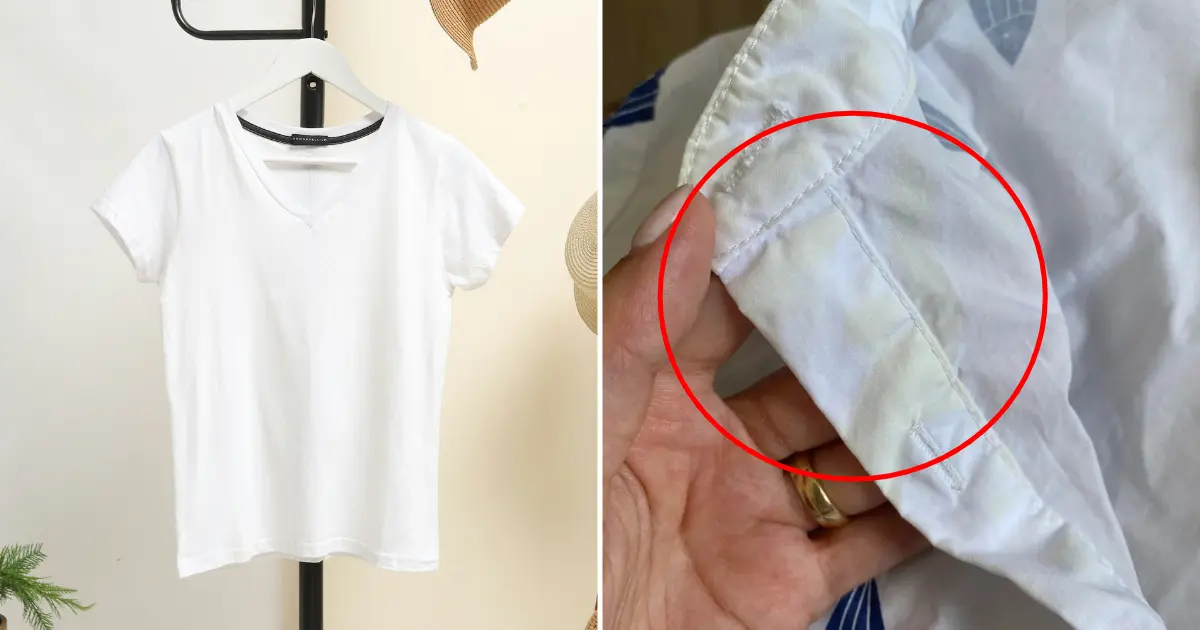
White shirts, bedsheets, and towels can gradually discolour, developing yellow patches around the collar, underarms, and other areas
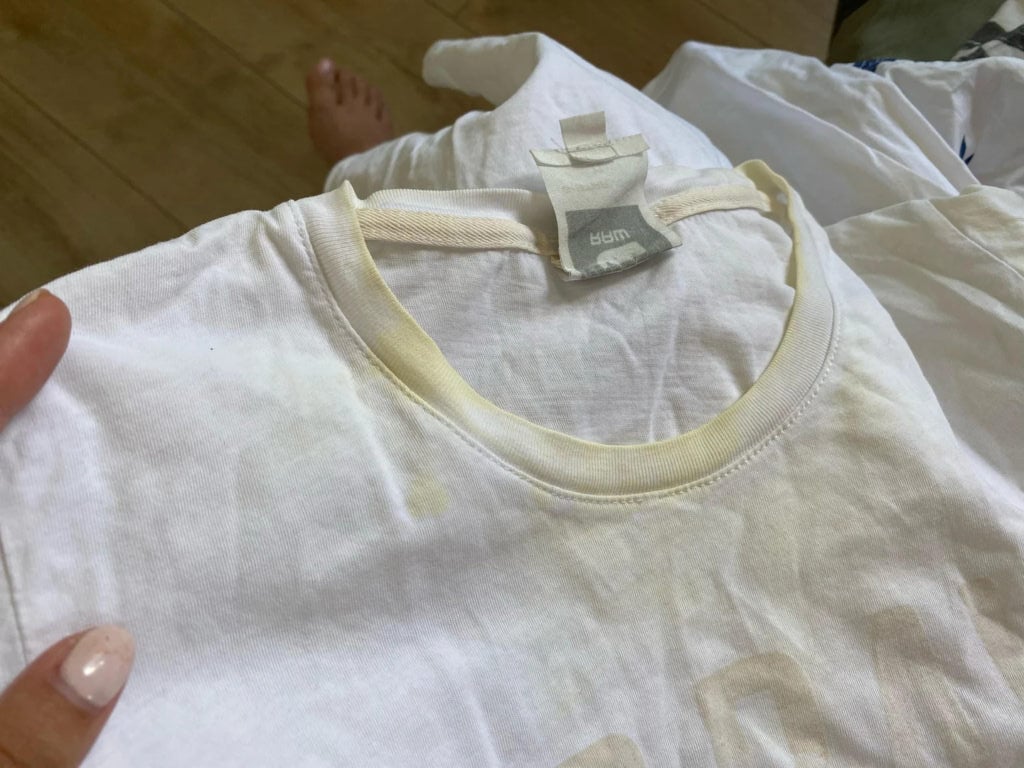
This can happen even with regular washing. Fortunately, some yellow stains can be treated with the right laundry products and techniques.
Here's why it happens and what you can do about it:
1. Sweat and body oils can build up inside fabric fibres
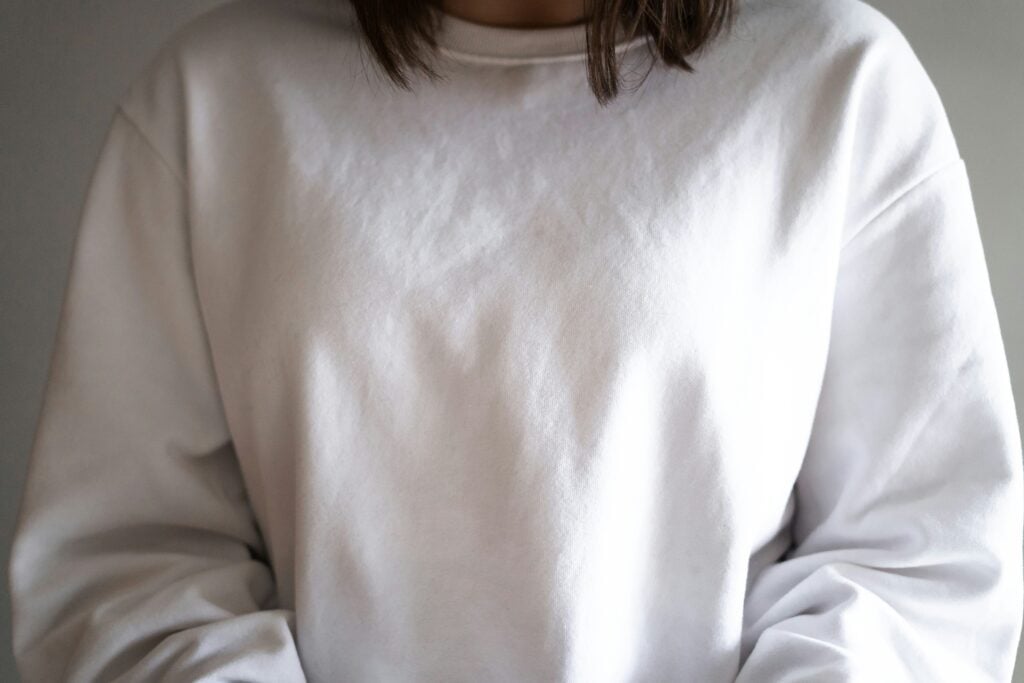
Every time you wear a shirt, your skin transfers small amounts of perspiration and oil onto the fabric. These substances tend to collect around the collar, cuffs, and underarms.
Regular washing may not remove all the residue. Over time, leftover oils can oxidise when exposed to air, resulting in yellowish stains.
2. Deodorant and detergent residue can make yellowing worse
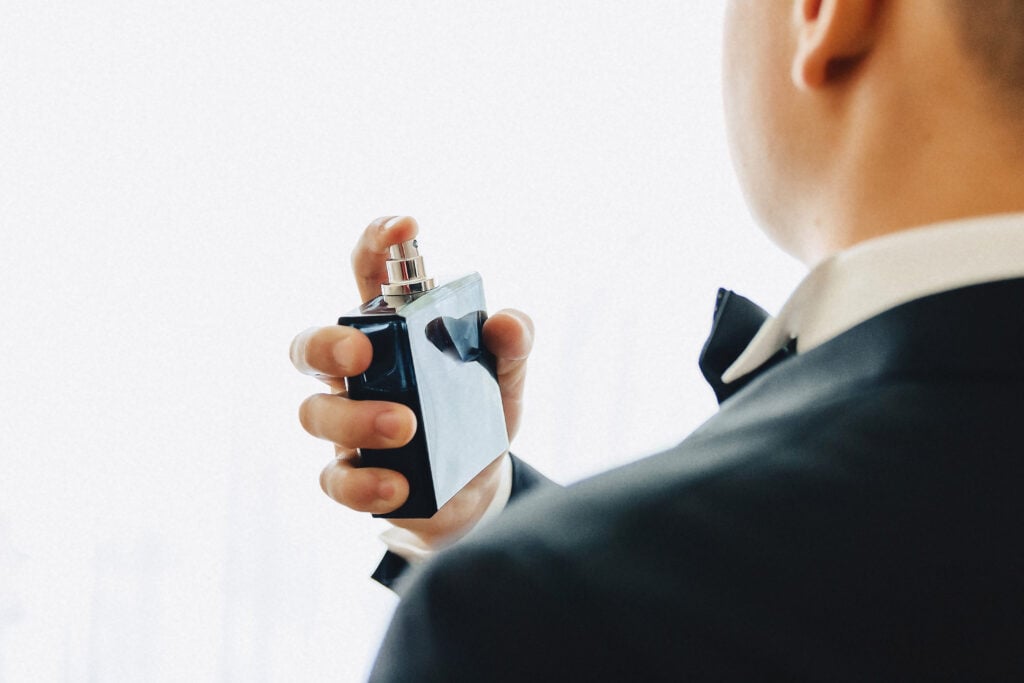
Yellow underarm stains are often associated with antiperspirants containing aluminium compounds, which can interact with perspiration and contribute to stubborn deposits on fabric.
Laundry products can also affect the appearance of white clothes. Excess detergent or fabric softener may leave residue behind, particularly when the washing machine is overloaded or clothes aren't rinsed properly.
Using too little detergent can be problematic too, as body oils and dirt may remain in the fabric.
3. Poor storage and natural ageing
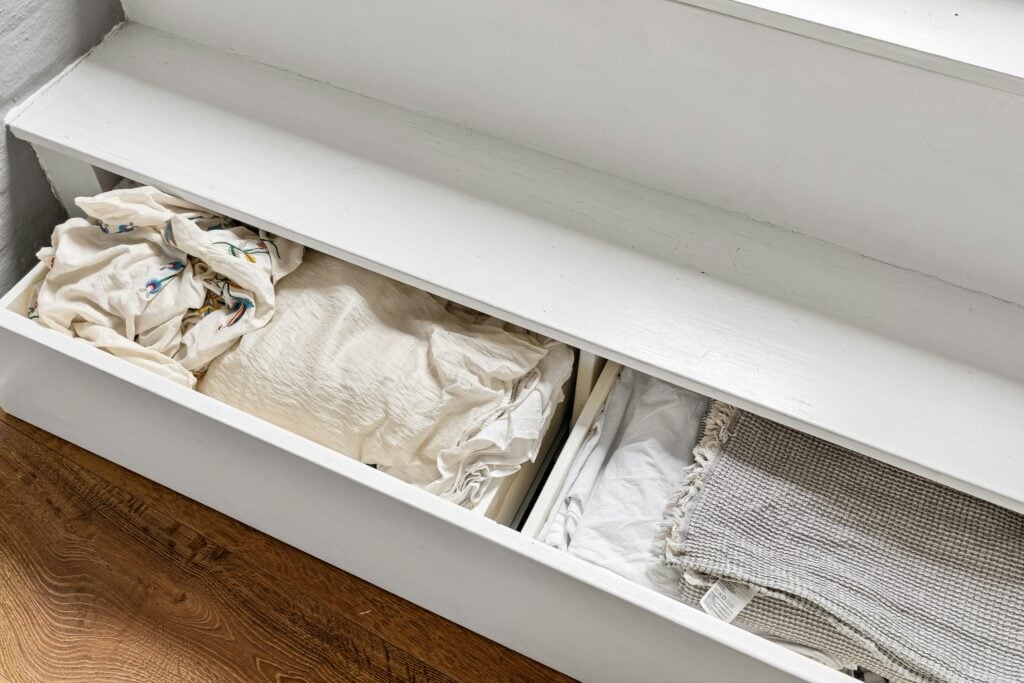
Traces of sweat and body oils left behind after washing can continue to oxidise during storage. Humid conditions can also encourage mildew, especially when clothes aren't completely dry before being put away.
Another factor is the gradual loss of optical brighteners, which are treatments used to make fabrics appear whiter by changing how they reflect light.
Repeated washing and environmental exposure can reduce their effectiveness, leaving older garments looking dull or yellowish.
If your white clothes have started to turn yellow, don't just give up
You can start off by pre-treating heavily stained areas of your clothes.
Apply a suitable liquid laundry detergent or enzyme-based stain remover directly to yellow patches. Gently work it into the fabric and leave it for the recommended time before washing.
This helps loosen accumulated sweat and body oils, making them easier to remove during the wash cycle.
Oxygen bleach can also help remove many stains and maintain the brightness of washable white fabrics
Dissolve it in water according to the product instructions, then soak your clothes for the recommended duration before washing.
However, older or heavily yellowed garments may not return to their original colour, particularly if the discolouration is caused by permanent fabric ageing.
For better cleaning, use the hottest water temperature permitted by the garment's care label. Warmer water can help remove accumulated body oils, but delicate fabrics may require cold washing.
Prefer a simple home remedy? Baking soda can also loosen some surface dirt and oily residue on washable fabrics.
Mix four tablespoons of baking soda with some water to form a paste. Apply it to the yellowed area, gently rub it in with your fingers or a soft toothbrush, and leave it for about 15 to 30 minutes. Rinse thoroughly before washing the garment as usual.
This method may help with light discolouration, although it won't necessarily remove stubborn or old yellow stains. Test it on a small, hidden area first, especially if you're dealing with delicate fabric.
Keeping your white clothes clean doesn't have to be complicated, keep these simple habits in mind to reduce the chances of discolouration:
- Wash sweaty clothes promptly: Avoid leaving damp, worn garments in the laundry basket for days
- Separate whites from coloured clothes: This helps prevent colour transfer
- Measure your detergent: Use the recommended amount to avoid residue or ineffective cleaning
- Don't overload the washing machine: Give clothes enough room to move during washing
- Dry clothes completely: Avoid storing damp garments, as trapped moisture can encourage mildew
- Choose breathable storage: Keep clothes in a cool, dry wardrobe for long-term storage
This is especially useful in Malaysia's humid climate, where damp laundry and poorly ventilated wardrobes can make fabric care more challenging.
