
Why Your House Gets Dusty Even If You Vacuum Every Other Day
Don't worry, it's not you.


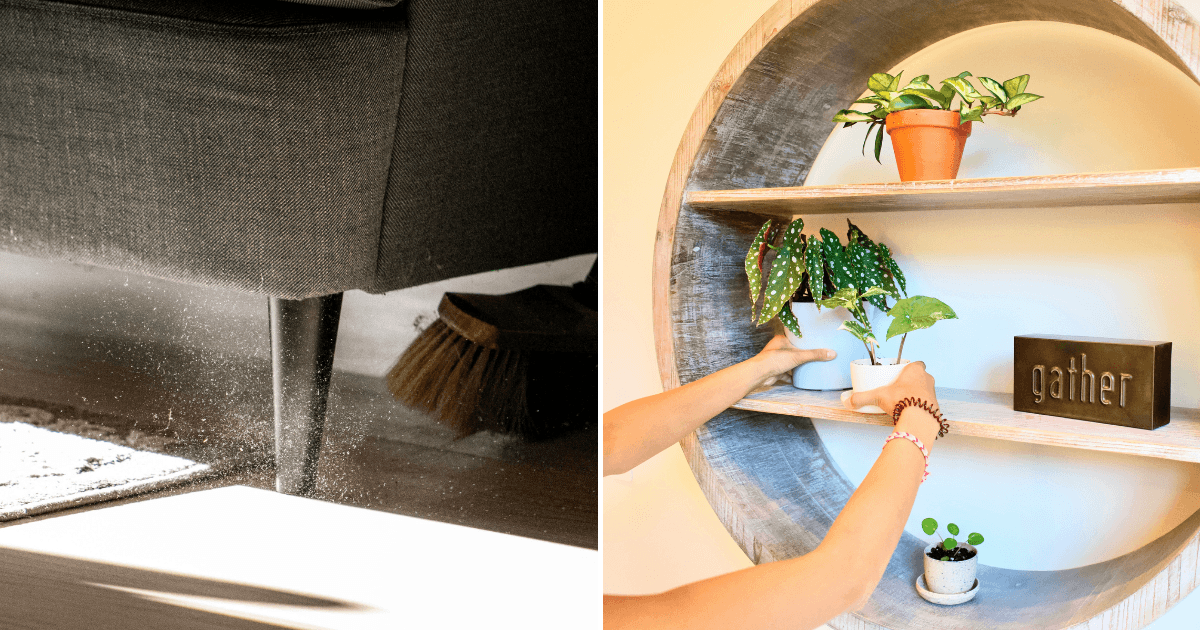 Cover image via
 Follow us on Instagram, TikTok, and WhatsApp for the latest stories and breaking news.
Picture this: You took a day out of your weekend to dust your shelves and clean your home
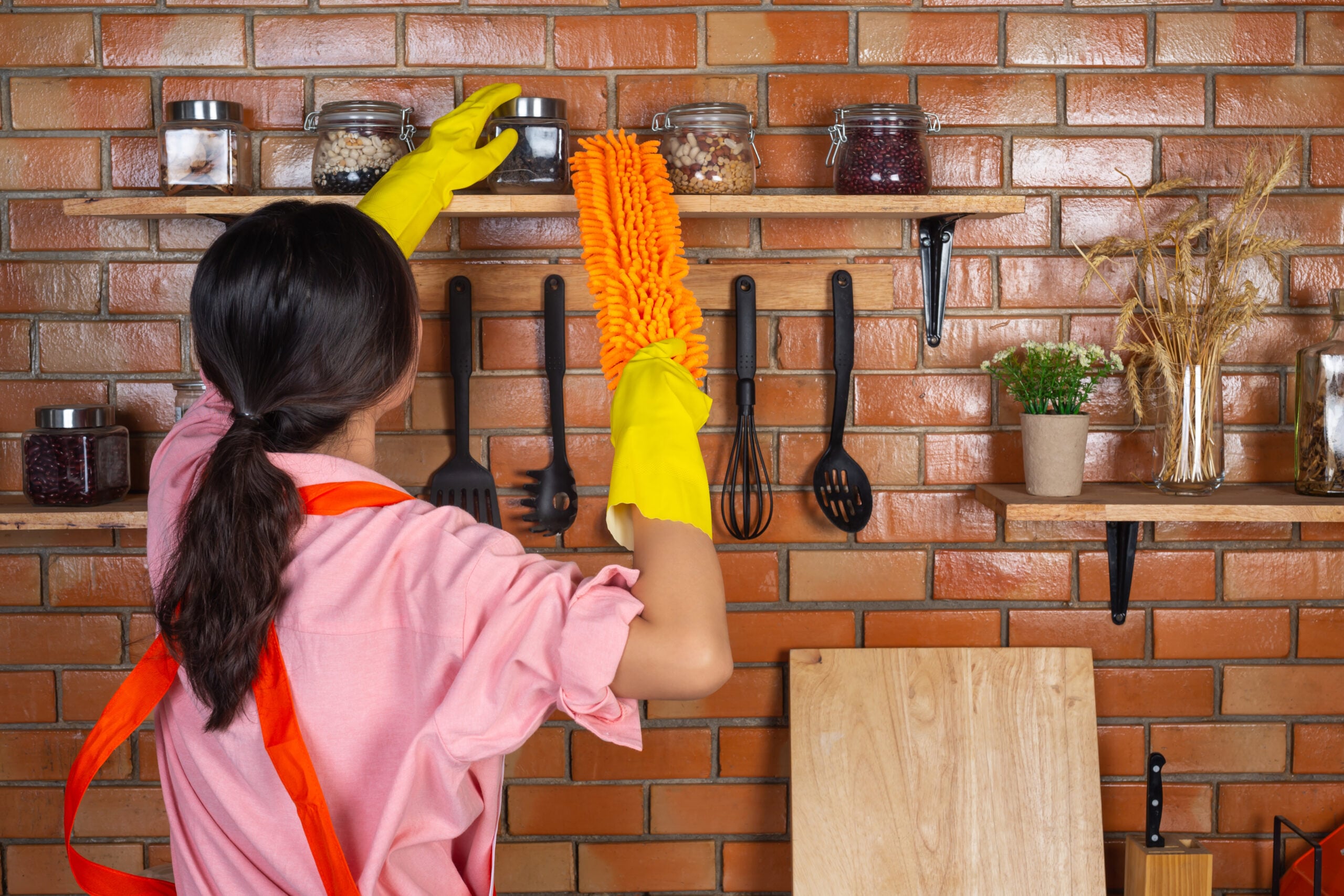
Then, after a couple of days, you take a look at the same spots and find that it's as dusty as before
That's because household dust comes from a mix of outdoor particles, dirt brought in on shoes and clothing, and material produced inside the home.
People and pets shed skin, hair, and dander, while fabrics such as carpets, bedding, and curtains can trap and release particles over time.
Plus, your home isn't completely sealed from the outside
Air and tiny particles can enter through gaps around doors, windows, and other parts of the building. Opening the door also gives outdoor dust an easy route in, especially if you're bringing in dirt on your shoes.
Then there's the dust that's already inside. Everyday movement and activity within your property itself can disturb particles that have settled on floors, furniture, and fabrics, putting them back into the air before they settle somewhere else.
You can't completely prevent household dust, but here are a few habits that can reduce how quickly it accumulates:
1. Create a "dirty zone" near the entrance of your home
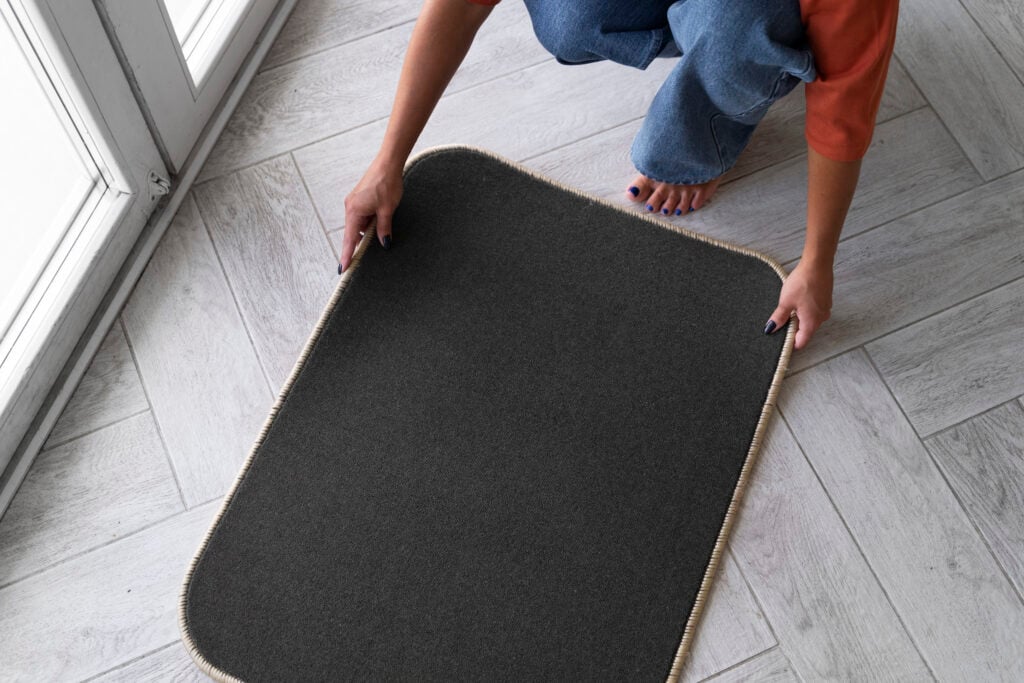
Put a doormat outside and another one just inside your entrance.
After visiting a particularly dusty place such as a construction area, change your clothes before sitting on the sofa or getting into bed.
This helps you keep any dust you collected outside contained instead of letting it spread throughout your home.
2. Damp-wipe instead of dry-dusting
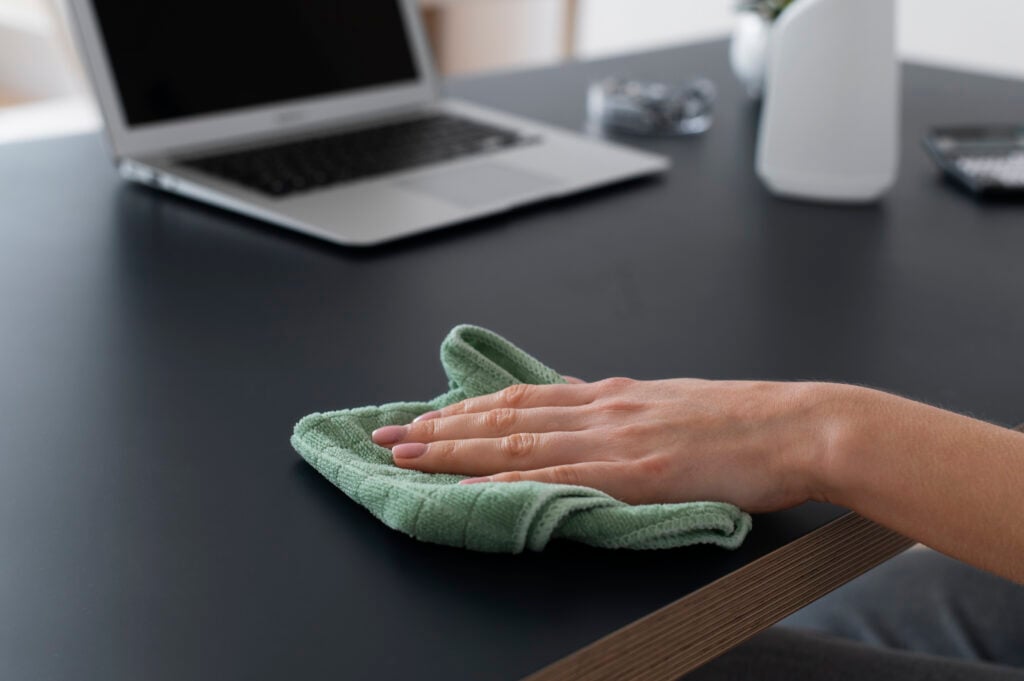
Use a slightly damp microfibre cloth on shelves, tables, and other hard surfaces. Clean from the top down so anything that falls can be picked up when you vacuum or mop the floor.
For carpets, rugs, and fabric sofas, vacuum instead of brushing or shaking them around indoors. A vacuum with a HEPA filter can also help trap finer particles.
3. Wash soft furnishings regularly

Soft furnishings can hold onto a lot of dust because particles get trapped in the fabric.
You don't need to deep-clean everything every few days, but wash your bedding regularly and vacuum your rugs and upholstered furniture.
Even curtains should also be cleaned according to their care instructions.
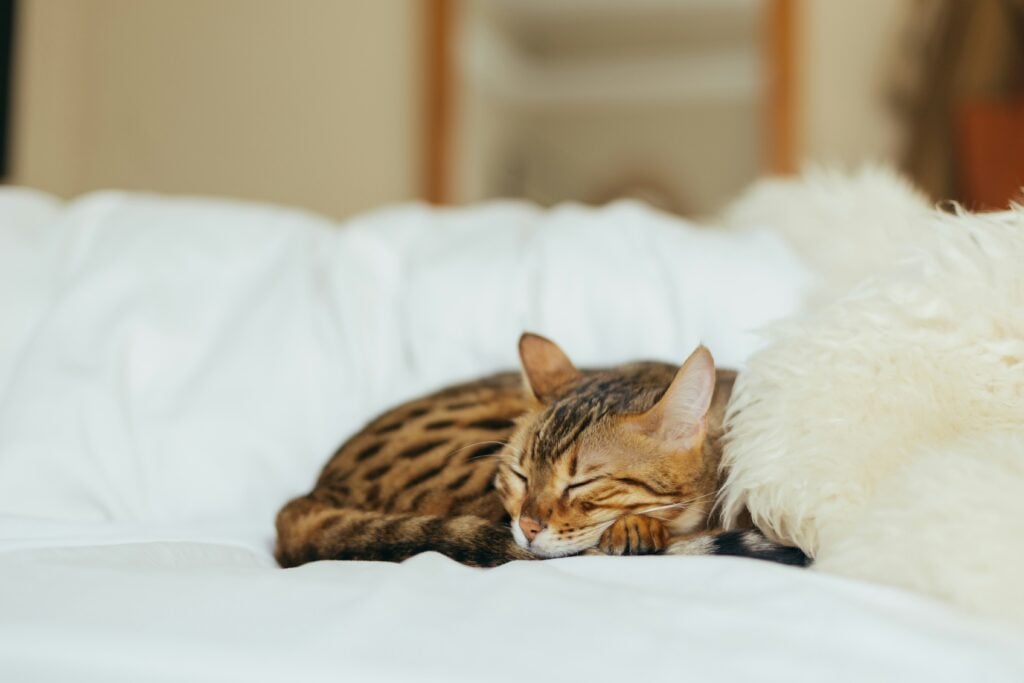
If you have pets, clean their bedding and the areas where they spend most of their time too as pet dander can become part of the dust around your home.
4. Check your home's humidity
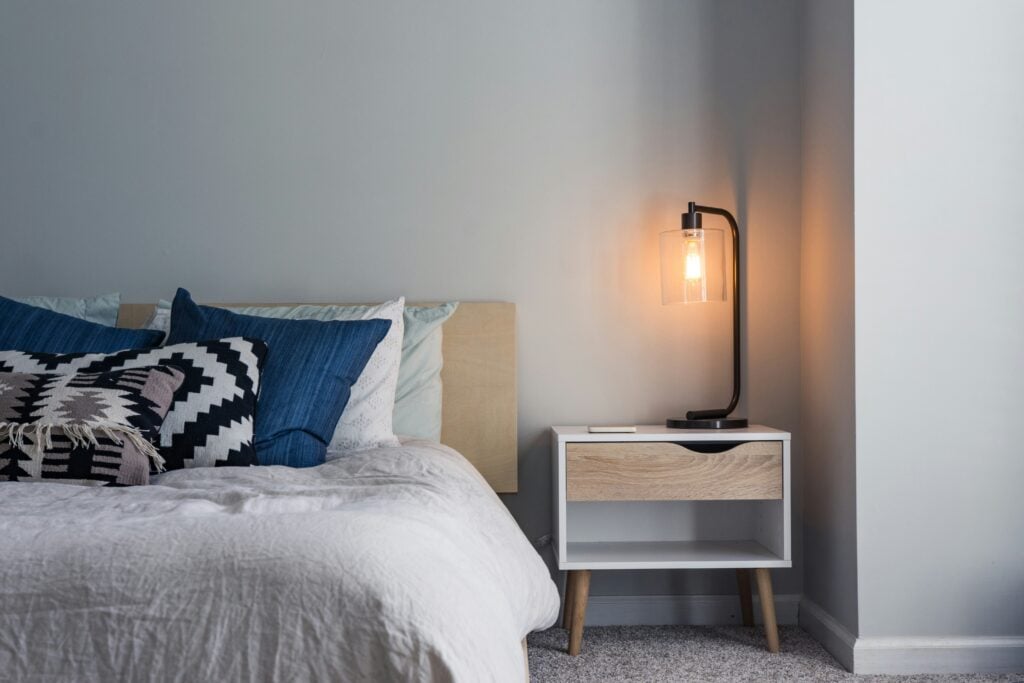
High humidity doesn't cause normal household dust, but it can create better conditions for dust mites and mould.
A hygrometer, which measures the amount of water vapour in the air or in gases, can tell you how humid your home actually is.
The US Environmental Protection Agency recommends keeping indoor relative humidity around 30% to 50%.
At the end of the day, you probably won't get your house completely dust-free
That's why keeping outdoor dirt at the entrance and properly cleaning the dust that's already inside can make a noticeable difference.
