
Ancient Virus DNA Discovered Inside 1,000-Year-Old Gospel Manuscript
Scientists said studying this virus could provide insights into how viruses evolve.


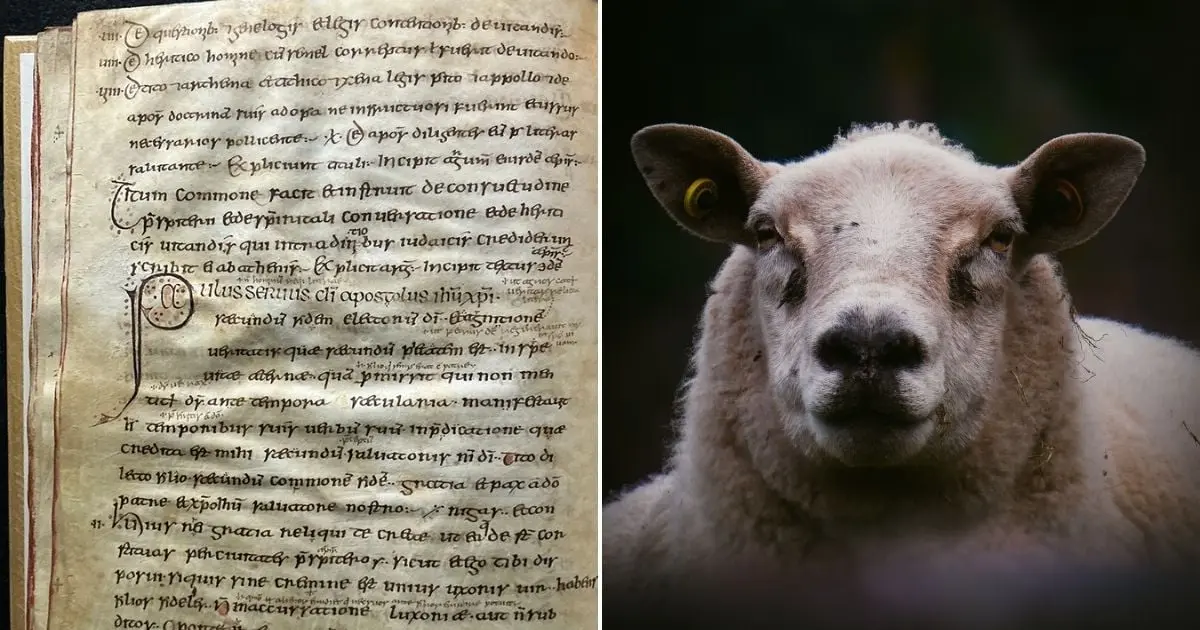 Cover image via
 Follow us on Instagram, TikTok, and WhatsApp for the latest stories and breaking news.
Scientists analysing a 1,000-year-old Christian manuscript preserved in York Minster have uncovered genetic traces of an ancient animal disease embedded within its parchment
The York Gospels, written by Anglo-Saxon scribes in Canterbury during the 10th century, have served as a historic ecclesiastical text for centuries.
However, a groundbreaking study led by researchers at University College Dublin (UCD) reveals that the manuscript also functions as an unintentional "biological time capsule", housing preserved viral material from a sheep pathogen within its pages.
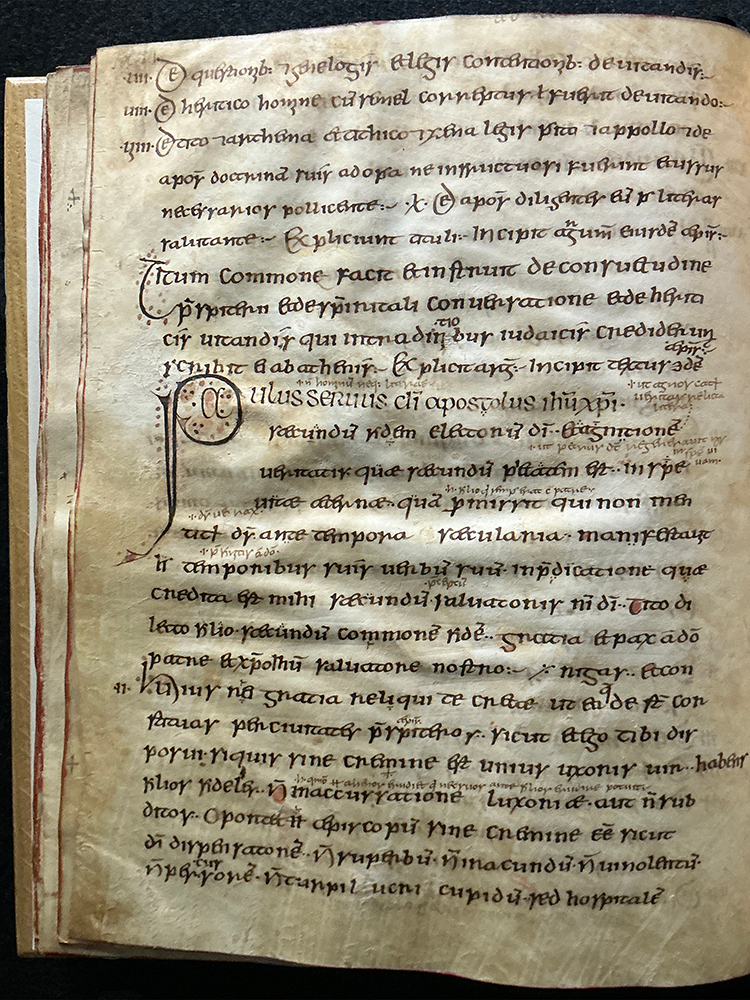
Using advanced genetic sequencing, researchers detected traces of the sheep pox virus within the animal skins processed to create the parchment
Sheep pox spreads rapidly through livestock herds and can prove lethal to young animals, though it is not known to infect humans.
Intriguingly, biological testing showed that the parchment leaves containing the viral DNA were made from calf or goat skins rather than sheep. Researchers noted that this unexpected finding points to either cross-species transmission among livestock in early medieval Britain or accidental cross-contamination during the parchment-making process.
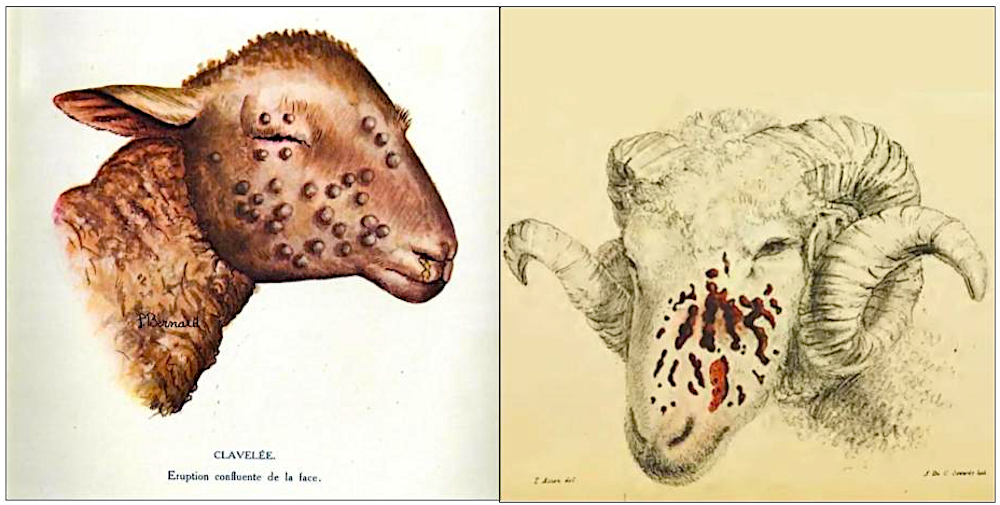
Scientists said studying this virus could provide insights into how viruses evolve
"It is possible that archives and libraries around the world also contain the genetic traces of disease outbreaks in animals in the past", explained Louis L'Hôte, the study's lead author.
L'Hôte emphasised that analysing ancient viral genomes offers valuable insight into how livestock pathogens evolved and shaped historical farming communities. Genetic data indicates that the sheep pox virus has affected Eurasian sheep herds for at least three and a half millennia.
