
The Sky Is Blue Again In Most Parts Of Malaysia. Here’s Why & How Long It Might Last
One expert said the reprieve could last until July next year, before slash-and-burn activities in Indonesia bring it back if the current trend continues.


 Cover image via Asyraf Hamzah/Harian Metro
Follow us on Instagram, TikTok, and WhatsApp for the latest stories and breaking news.
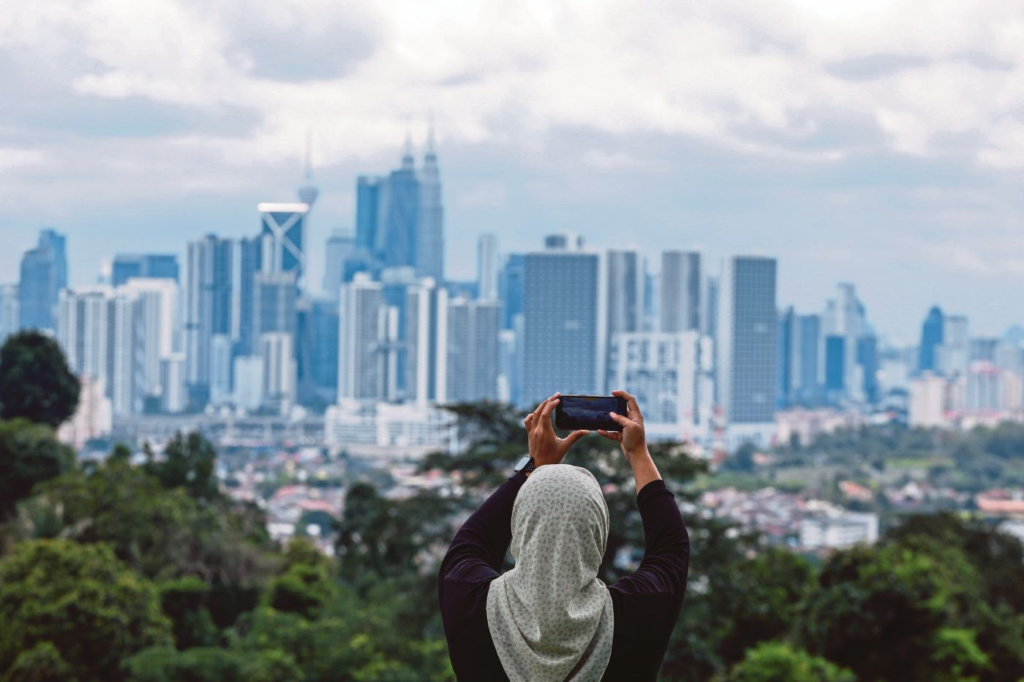
Blue skies are back in many parts of Malaysia, and people are taking to social media to share photos of clear skylines after weeks of haze
Air-quality readings are also reflecting the improvement. As of 9am today, 26 October, 29 monitoring stations nationwide recorded good air quality, while another 32 recorded moderate levels, reported the New Straits Times.
However, seven areas in Sarawak still recorded unhealthy readings: Samarahan (160), Kuching (159), Sarikei (157), Sibu (154), Sri Aman (139), and Mukah (109).
The improving conditions come as Malaysia approaches the northeast monsoon, which is expected to bring changing in winds and more rain. But the weather outlook also includes flood risks, followed by potentially hotter and drier conditions.
In other words, the expected respite from the haze is linked to changing winds and increased rainfall, rather than any confirmed end to slash-and-burn activities in Indonesia.
The northeast monsoon brings winds from the direction of China and Vietnam across the South China Sea, reducing the likelihood of smoke from Indonesian fires reaching Malaysia.
What is changing with the weather?
The northeast monsoon is expected to begin tomorrow, 27 October, and continue until March 2027, said Malaysian Meteorological Department (MetMalaysia) director-general Dr Mohd Hisham Mohd Anip.
"During this period, winds typically blow consistently from the northeast," he said.
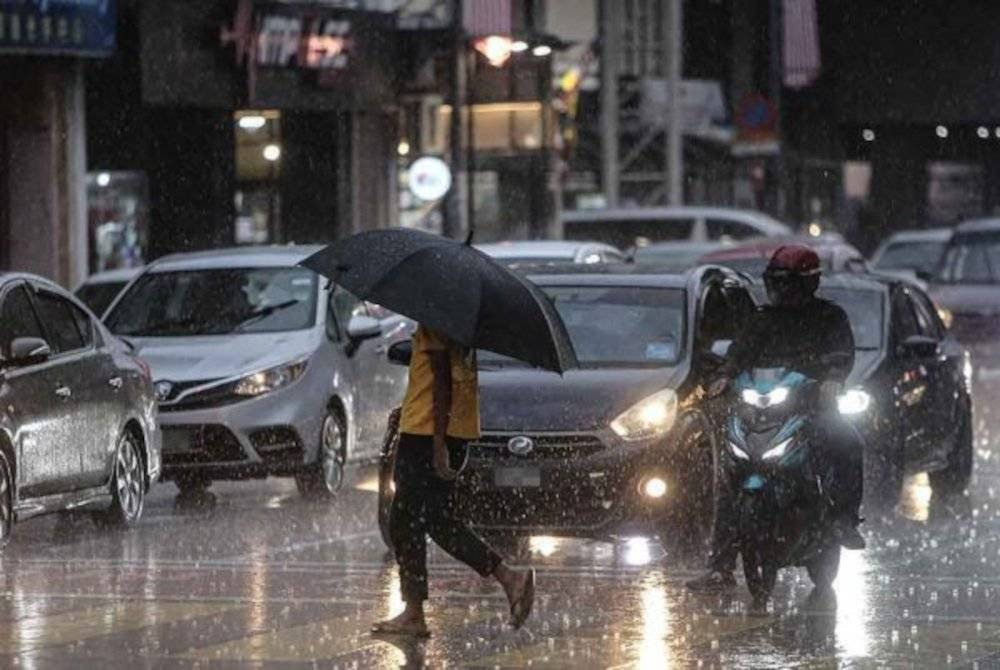
That seasonal change comes with risks. Between November 2026 and January 2027, MetMalaysia expects three to five episodes of continuous heavy rain, potentially causing floods near rivers and in low-lying areas, reported The Star.
Persistent, strong northeasterly winds could also bring rough seas and elevated sea levels in the South China Sea.
Towards the final phase, from January to March 2027, rainfall is expected to decrease, particularly in the northern peninsula and Sabah.
Mohd Hisham warned that the resulting hot, dry conditions could bring more extreme heatwaves under the influence of a very strong El Niño.
Why could the haze relief last until July?
Universiti Malaya meteorologist Prof Emeritus Datuk Dr Azizan Abu Samah told The Star that Malaysia is approaching the end of its current haze episode.
He said the respite could last from November until July 2027, before slash-and-burn activities and the southwest monsoon potentially bring haze back.
That is an estimate of the possible haze reprieve, rather than the duration of the northeast monsoon or a promise of uninterrupted blue skies.
Universiti Kebangsaan Malaysia's Prof Emeritus Fredolin Tangang said changing winds and increased rainfall could help clear the haze. Rain in southern Sumatra and Kalimantan also helps put out peatland fires.
Could drought follow the rain?
Yes. Both experts and MetMalaysia warned of drier conditions towards late 2026 and early 2027, with Fredolin highlighting drought risks in northern Sarawak and Sabah during extreme El Niño conditions.
Azizan said rain during previous El Niño monsoons tended to be shorter and less intense, with rainfall generally 10% to 20% below normal.
He urged close monitoring of water levels ahead of January and April 2027, particularly in northern peninsular states where dam levels had reportedly reached critical and warning levels.
