Elephant That Killed Couple 14 Years Ago Strikes Again, Killing Their Child’s Family
The elephant has killed at least 25 people since 2009.


 Cover image via
 Follow us on Instagram, TikTok, and WhatsApp for the latest stories and breaking news.
A rogue elephant in Nepal has killed four members of the same family over 14 years, after recently claiming the lives of a woman and her 4-year-old son
The elephant, infamously named Dhurbe, had previously killed the parents of Shanichara Bote in 2012, reported the Straits Times.
Fearing for his family's safety, Shanichara sold his home and moved from Madi to Jagatpur, which is about 30km away.
He crossed two rivers through a national park before settling in a house built on a narrow plot of land.
The house had a double-sloped roof covered with corrugated zinc sheets. The materials were old and badly corroded, and its walls were also fragile and in poor condition.
Shanichara lived there peacefully for over a decade with eight other family members: his wife, three sons, eldest daughter-in-law, grandson, granddaughter, and his daughter-in-law's mother.
However, at midnight on 12 July, the same wild elephant broke into the house.
During the attack, Shanichara's 25-year-old daughter-in-law, Ashika Bote, and his 4-year-old grandson, Bharat Bote, escaped from the house.
It was then Dhurbe fatally struck them.
In an attempt to save the remaining family members, Shanichara's wife set fire to the dry thatch on their porch, causing the rest of their home to eventually burn down.
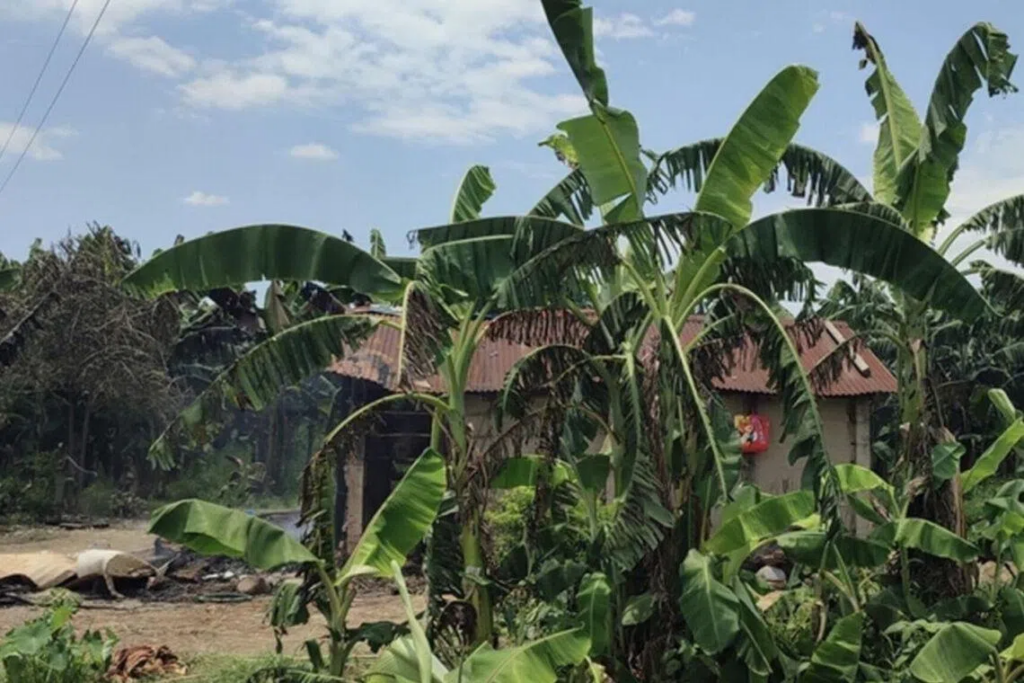
The house after Dhurbe's attack.
Image via Kathmandu Post via The Straits TimesThe deaths of Ashika and Bharat brought back painful memories for Shanichara, whose parents were killed by the same elephant 14 years earlier
Dhurbe has since become one of Nepal's most notorious rogue elephants, with authorities linking the animal to dozens of human deaths over the years.
The elephant even has its own Wikipedia page, and among its victims were two military personnel deployed for counter-poaching and park security duties.
Dhurbe's violent history has been well documented by authorities at Chitwan National Park, Nepal's first protected area.
Conservationists explained that young male elephants often leave their family herds when they mature. This can force them into a solitary life, sometimes making them more aggressive.
Dhurbe was believed to have followed a similar path, turning into a solitary elephant that increasingly entered human settlements in search of food.
The elephant began attacking human settlements in 2010, and has since been linked to the deaths of at least 25 people across the region.
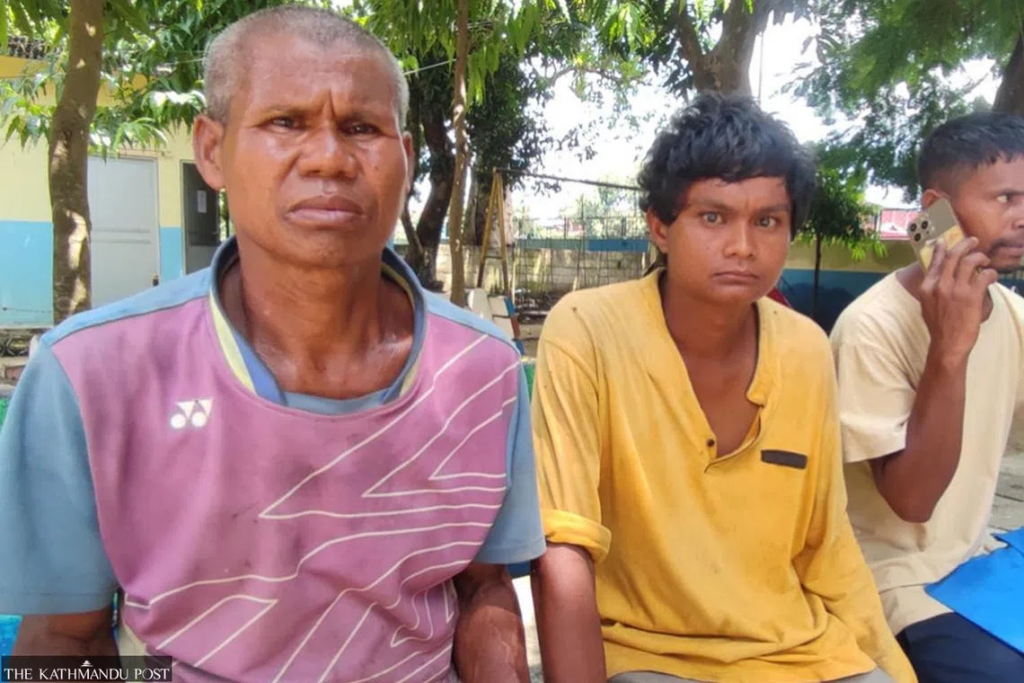
Shanichara Bote (left) and his son Purna waiting for the post-mortem of Purna's wife and 4-year-old son.
Image via Kathmandu Post via The Straits TimesOver the years, authorities have fitted Dhurbe with tracking collars to monitor its movements.
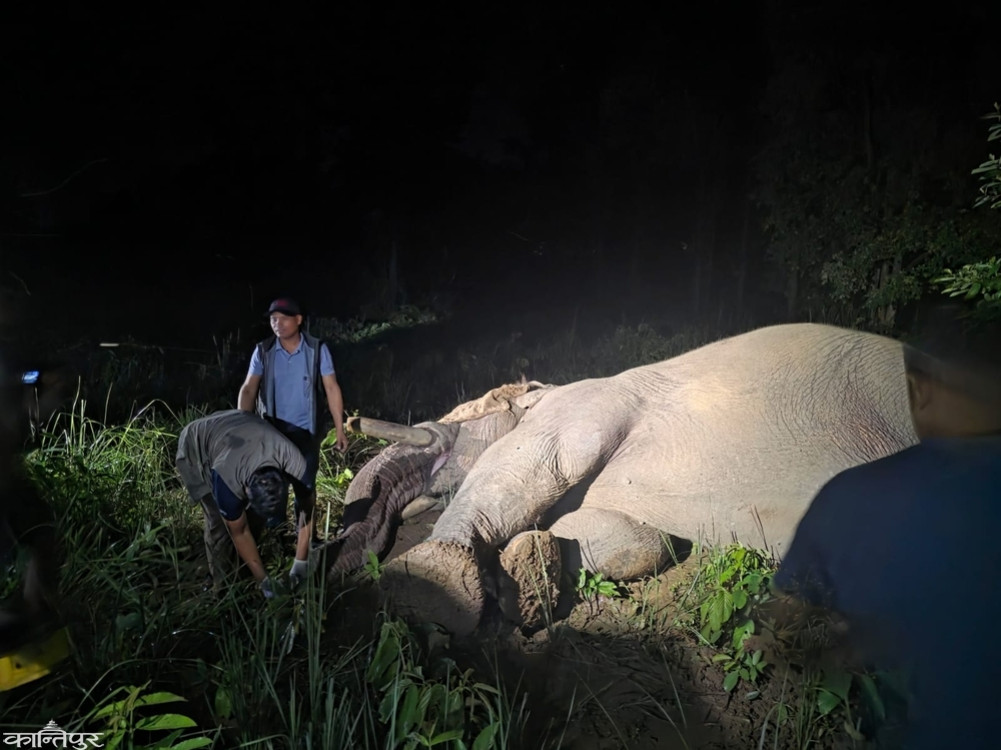
Following the latest attack, a fourth collar was placed on the elephant.
In December 2012, park authorities and army personnel attempted to stop Dhurbe by shooting at it on two separate occasions.
Dhurbe escaped deep into the forest with severe injuries. The operation reportedly cost the Nepalese government more than 1.6 million rupees (about RM67,000).
Officials later believed the elephant had died from its injuries, but Dhurbe unexpectedly resurfaced in western Chitwan during the winter of 2016.
In the latest effort to monitor the elephant, conservation officers placed a satellite tracking collar on Dhurbe. A conservation officer also said the elephant's tusks had been cut off to reduce the risk of further attacks, reported Kantipur.