
Experts: Dual 5G Networks Could Give M’sia An Edge In ASEAN’s USD2 Trillion Digital Economy
However, they also warn that a lack of safeguards could weaken this advantage in the future.


 Cover image via
Follow us on Instagram, TikTok, and WhatsApp for the latest stories and breaking news.
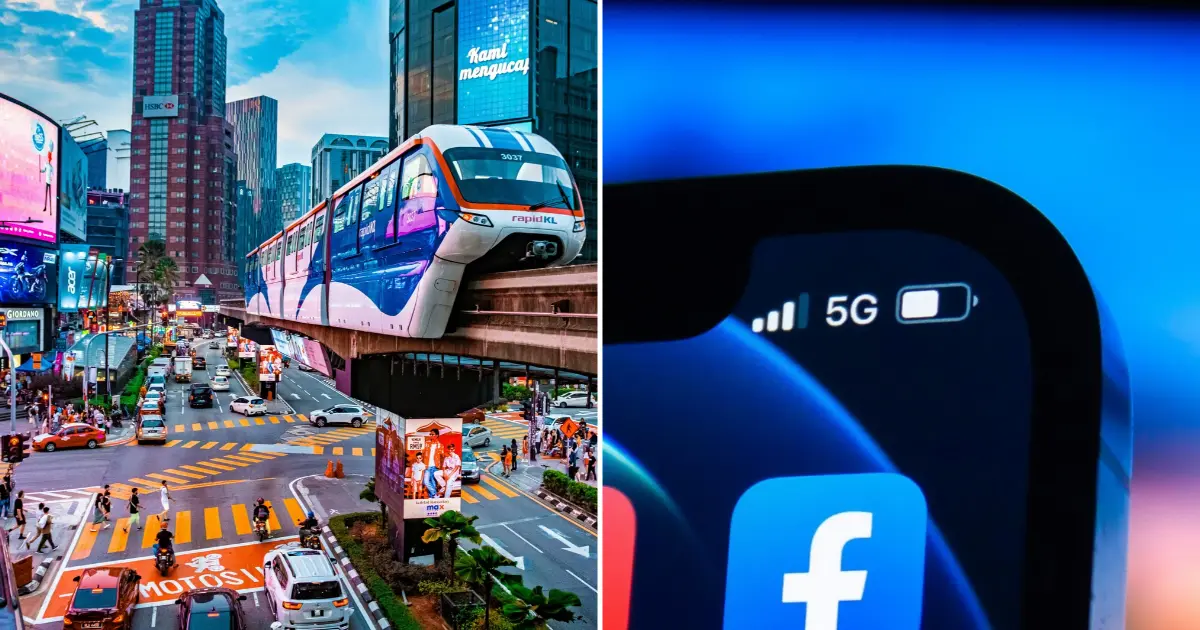
Malaysia's decision to operate two separate 5G networks could give the country an advantage as ASEAN prepares for a digital economy projected to reach USD2 trillion (approximately RM8.4 trillion) by 2030
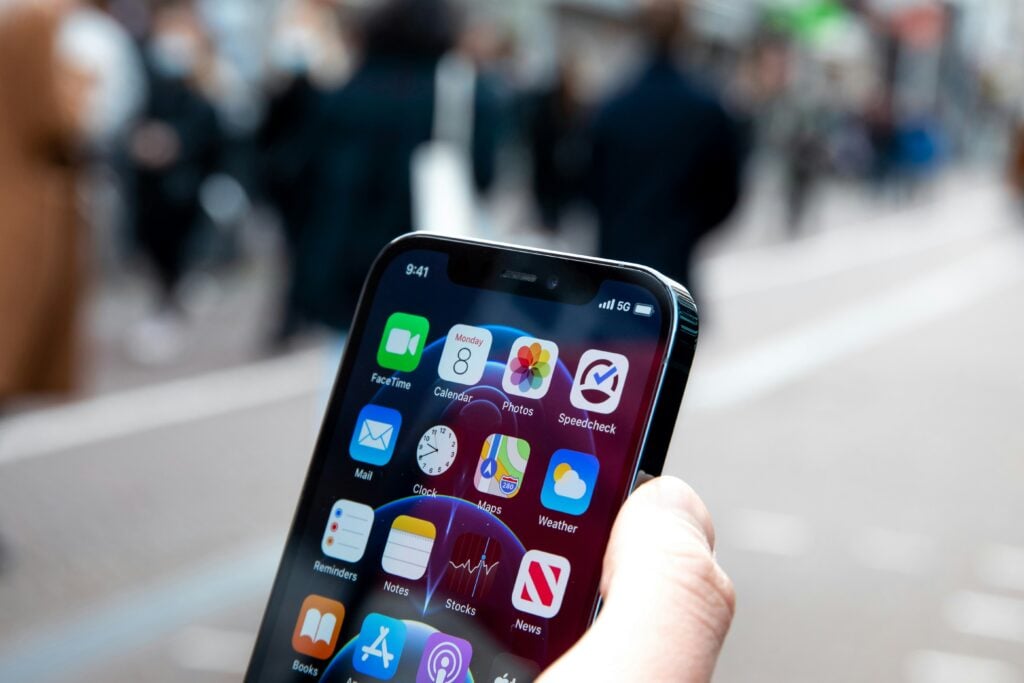
The two networks use different technology ecosystems, potentially allowing Malaysia to cater to businesses with varying cybersecurity requirements and supplier preferences.
Digital Nasional Bhd (DNB)'s network uses Ericsson technology, while U Mobile's second network uses equipment from Chinese companies Huawei and ZTE.
According to National Defence University (UPNM) academic Khairol Amali Ahmad, having both ecosystems could make Malaysia a more attractive destination for multinational companies with different technology and cybersecurity requirements

"Having two distinct 5G technology ecosystems could provide a strategic advantage for Malaysia as a digital hub of Southeast Asia," he said.
He explained that the arrangement could accommodate American, European, and Japanese companies with specific security requirements, alongside businesses already operating within Chinese technology ecosystems.
Maintaining both options could also reduce Malaysia's dependence on a single technology ecosystem amid geopolitical tensions and supply-chain disruptions.
However, Khairol cautioned that Malaysia's advantage depends on keeping the two networks technologically distinct
DNB announced on 1 October that it was preparing to transition to equal ownership among CelcomDigi, Maxis Broadband, and YTL Power International, while the Finance Ministry would exit as an ordinary shareholder.
Despite this, the Finance Ministry would retain a special share to safeguard national interests and oversee strategic matters.
Khairol said future infrastructure contracts, equipment purchases, and network upgrades could gradually reduce the differences between the two networks if proper safeguards were not established
"Without formal protection, Malaysia risks losing the unique strategic advantage it gained by pivoting from a Single Wholesale Network to a dual-network model," he said.
He added that an explicit commitment to maintaining both ecosystems would give multinational investors greater certainty about the technology options available to them.
Global Asia Consulting's Samirul Ariff Othman also warned that removing technology options relied upon by security-sensitive businesses could lead to additional compliance checks, diplomatic scrutiny, and potentially higher investment costs
"If technology changes removed the option relied upon by security-sensitive customers, my assessment is that Malaysia could face stronger diplomatic scrutiny, additional corporate compliance checks and demands for dedicated connectivity," he said.
"Some investment decisions could become slower or more costly. There would also be a credibility issue if Malaysia first promised enduring separation and subsequently diluted it without consultation," he added.
The discussion comes as ASEAN targets November 2026 for the signing of its Digital Economy Framework Agreement (DEFA)
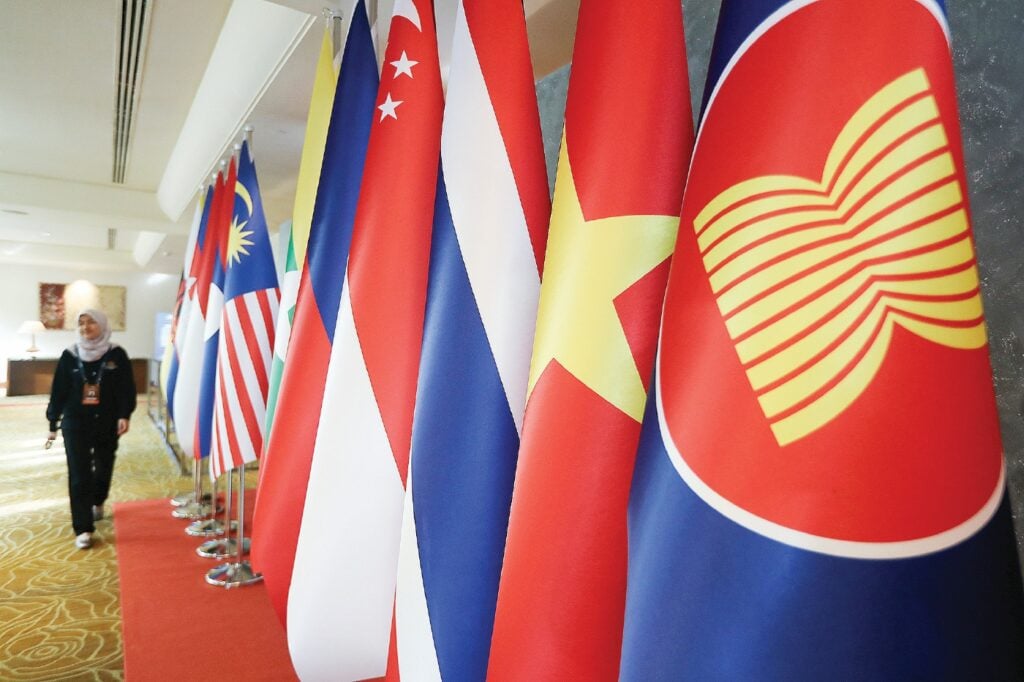
The agreement aims to facilitate digital trade, cross-border data flows, and digital payments, while supporting emerging technologies such as artificial intelligence.
