
Study Shows Coffee May Slow Ageing, But The Type You Drink Matters
It's how you brew your cup of coffee.


 Cover image via
 Follow us on Instagram, TikTok, and WhatsApp for the latest stories and breaking news.
Coffee lovers interested in supporting healthy ageing may want to pay closer attention to how their daily brew is prepared
A large-scale scientific study published in npj Science of Food found that drinking filtered coffee was associated with slower biological ageing, while instant coffee consumption was linked to markers associated with faster cellular ageing.
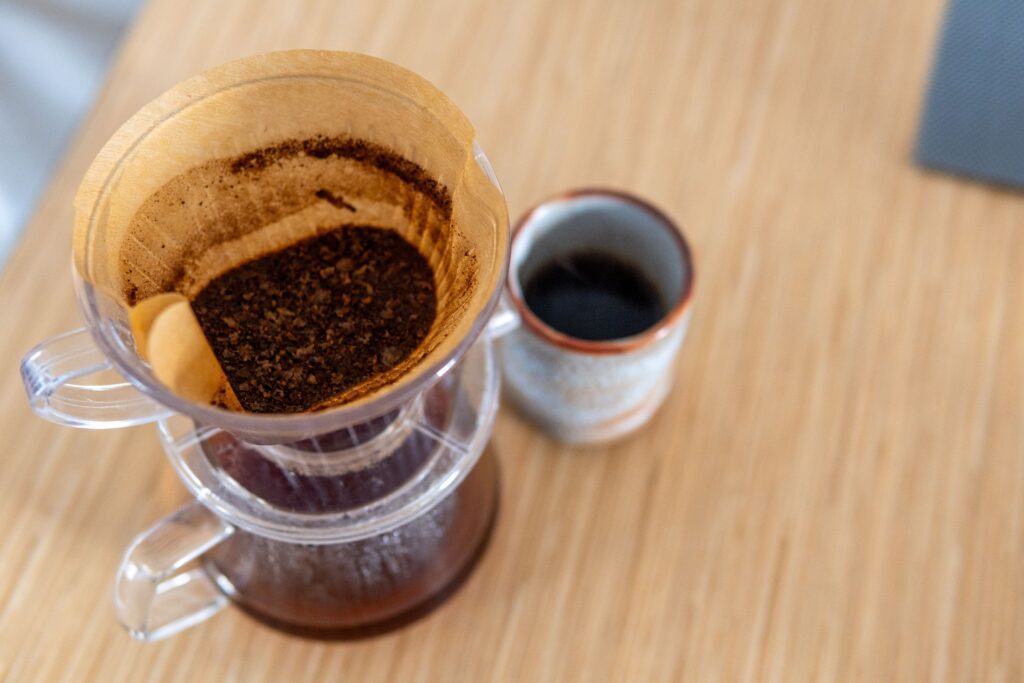
Image used for illustration purposes only.
Image via Israyosoy S./PexelsHere's how the researchers measured ageing:
Researchers analysed health and dietary data from 49,414 participants with an average age of 56.4 years to examine how different coffee preparation methods were associated with biological ageing.
Instead of measuring age based on the number of years a person has lived, scientists examined three distinct clinical indicators linked to biological ageing: relative leukocyte telomere length, a key biomarker of cellular longevity, as well as two clinical scoring systems known as PhenoAge Acceleration and Klemera-Doubal Method Biological Age Acceleration.
The findings showed differences depending on the type of coffee participants consumed
Participants who regularly consumed filtered coffee exhibited longer telomeres and lower biological age-acceleration scores, suggesting a possible association with slower cellular ageing.
In contrast, individuals who preferred instant coffee showed an overall trend towards shorter telomeres and higher age-acceleration scores, even after researchers accounted for confounding lifestyle factors such as smoking, alcohol consumption, body mass index, and added sugar or milk.
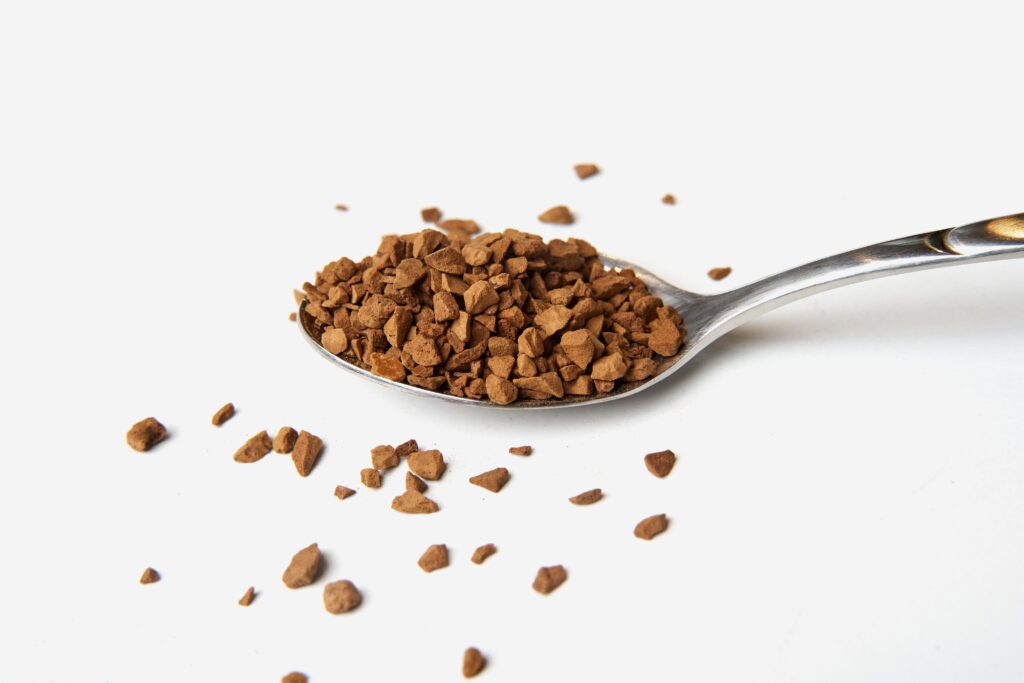
Image used for illustration purposes only.
Image via Peter/PexelsDespite the contrasting results, experts stressed that the physical impact of instant coffee remains relatively modest at an individual level
Most estimates linked to instant coffee consumption corresponded to only about 0.1 to 0.2 years of biological age acceleration, which researchers described as having limited clinical significance for a single person.
However, the association became more noticeable among specific groups, particularly men, people aged 60 and above, and active smokers who consumed more than three cups of instant coffee daily.
To explain these biological differences, researchers analysed potential physiological factors involved in the ageing process
Glycoprotein acetylation, a marker associated with systemic inflammation, accounted for over 20% of the statistical relationship for both coffee types, while basal metabolic rate and kidney function biomarkers also played partial roles in the influence of filtered coffee on metabolic health.
These findings are particularly relevant for Malaysia, where instant coffee and premixed sachets are common parts of daily workplace routines and household consumption
Nevertheless, scientists caution against making major dietary changes based solely on these results.
Since the study was cross-sectional, it cannot definitively prove that instant coffee directly causes faster ageing or that filtered coffee reverses it. The research also relied on self-reported dietary information and was conducted with a predominantly White European demographic.
The information provided is for educational and communication purposes only, and it should not be construed as personal medical advice. Information published in this article is not intended to replace, supplant or augment a consultation with a healthcare professional regarding the reader's own medical care.
