
KL, Putrajaya & Selangor Now Hit By Haze, Public Urged To Reduce Outdoor Activities
The worsening air quality has been linked to a combination of transboundary haze and local fires.


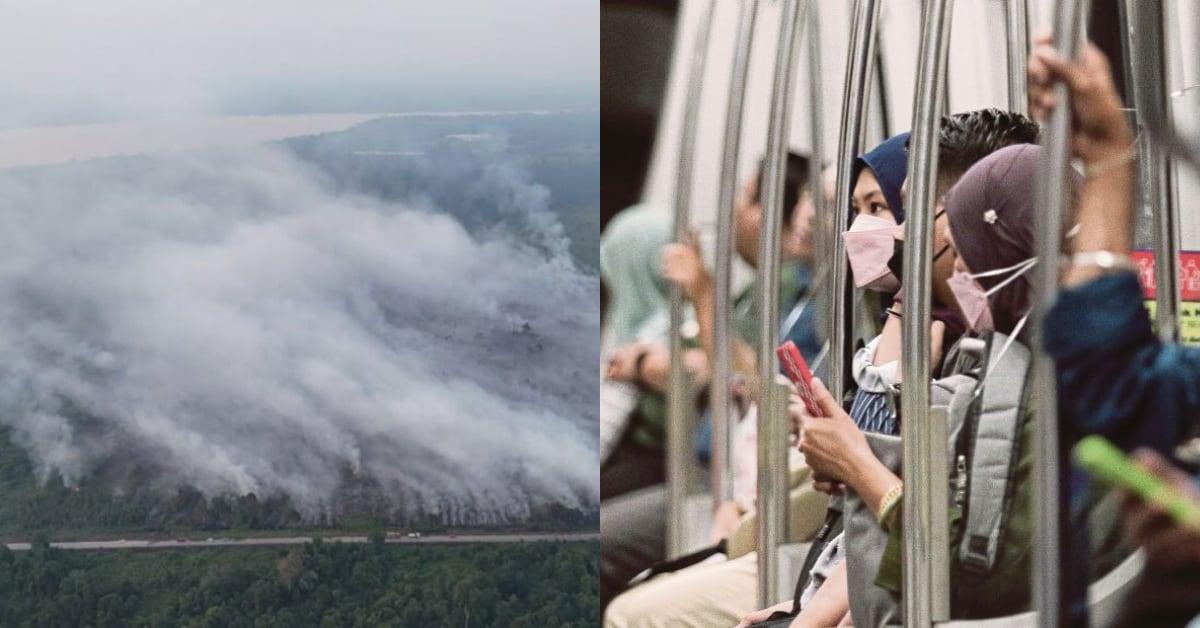 Cover image via
 Follow us on Instagram, TikTok, and WhatsApp for the latest stories and breaking news.
Haze has now hit more parts of Peninsular Malaysia, with three monitoring stations in Kuala Lumpur, Putrajaya, and Selangor recording unhealthy air quality readings as of Wednesday afternoon, 12 August
According to the Ministry of Natural Resources and Environmental Sustainability (NRES), Cheras recorded an Air Pollutant Index (API) reading of 122 at 3pm, while Putrajaya recorded 121 and Shah Alam recorded 112.
An API reading between 101 and 200 is classified as "Unhealthy".
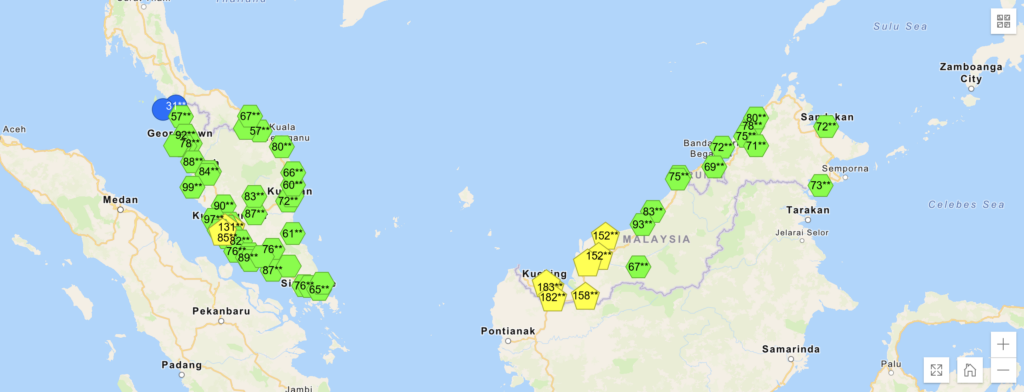
API readings as of 10am this morning, 13 August.
Image via Air Pollutant Index Management System (APIMS)The ministry said the country has been experiencing haze since 8 August, with the El Niño phenomenon and Southwest Monsoon contributing to drier-than-average conditions in several areas
"The combination of lower rainfall and higher temperatures has the potential to increase the risk of water shortages, forest and peatland fires, as well as haze events, especially in areas experiencing dry conditions for prolonged periods," it said.
It added that Sarawak has been the hardest-hit state, with 11 monitoring stations recording unhealthy API readings as of 3pm on Wednesday.
These included Miri (152), Samalaju (120), Bintulu (154), Sibu (135), Sarikei (161), Sri Aman (158), Samarahan (177), and Kuching (177).
Serian recorded an API reading of 204, placing it in the "Very Unhealthy" category.
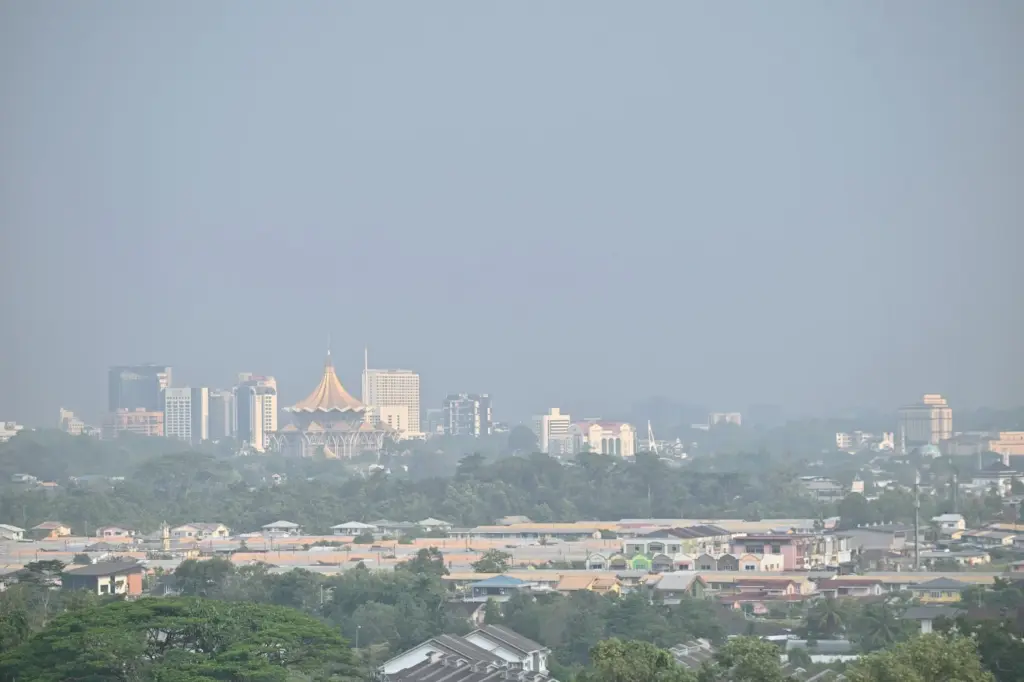
According to the ministry, the deterioration in air quality in Sarawak is caused by a combination of transboundary haze and local fires
It said a fire at a landfill site under the Sibu Municipal Council had affected an estimated 1.5 hectares, while forest and bush fires in Sri Aman had spanned an estimated 100 hectares.
Firefighting operations are still ongoing at both locations.
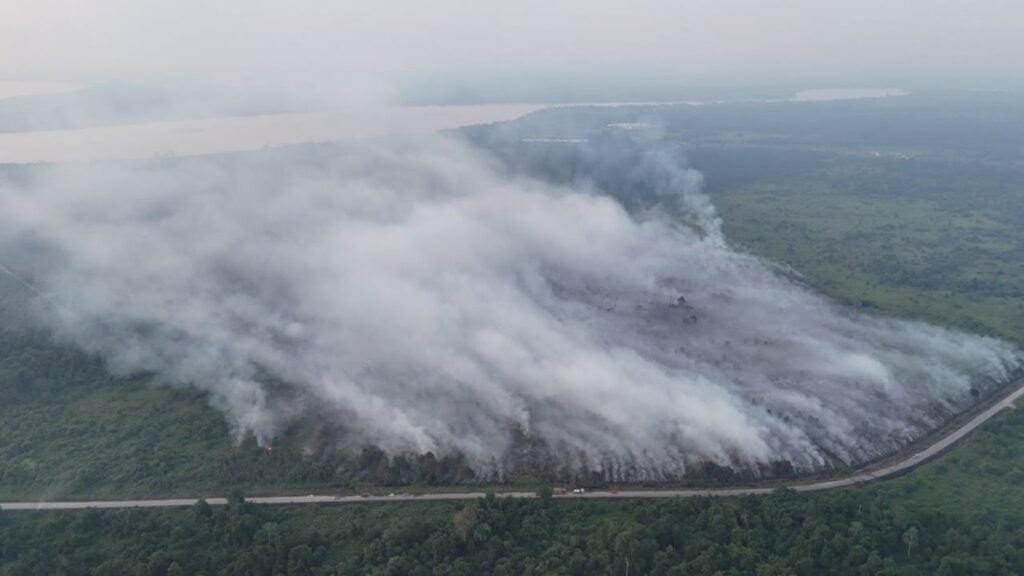
About 100 hectares of forest in Sri Aman, Sarawak caught fire on Monday, 10 August.
Image via New Straits TimesMeanwhile, based on data issued by the ASEAN Specialised Meteorological Centre, dry conditions were observed across much of the southern ASEAN region as of Wednesday morning
Isolated hotspots were detected in the central and southern parts of Sumatra, as well as southern and eastern Kalimantan. Several hotspots were also detected in Peninsular Malaysia, Sarawak, Java, and Sulawesi.
Satellite monitoring by NOAA-20 detected 12 hotspots in Malaysia — one in Pahang and 11 in Sarawak. Meanwhile, 60 hotspots were detected in Sumatra and 354 in Kalimantan.
The ministry warned that dry weather is expected to persist across much of the region, which could increase the risk of hotspots and transboundary haze.
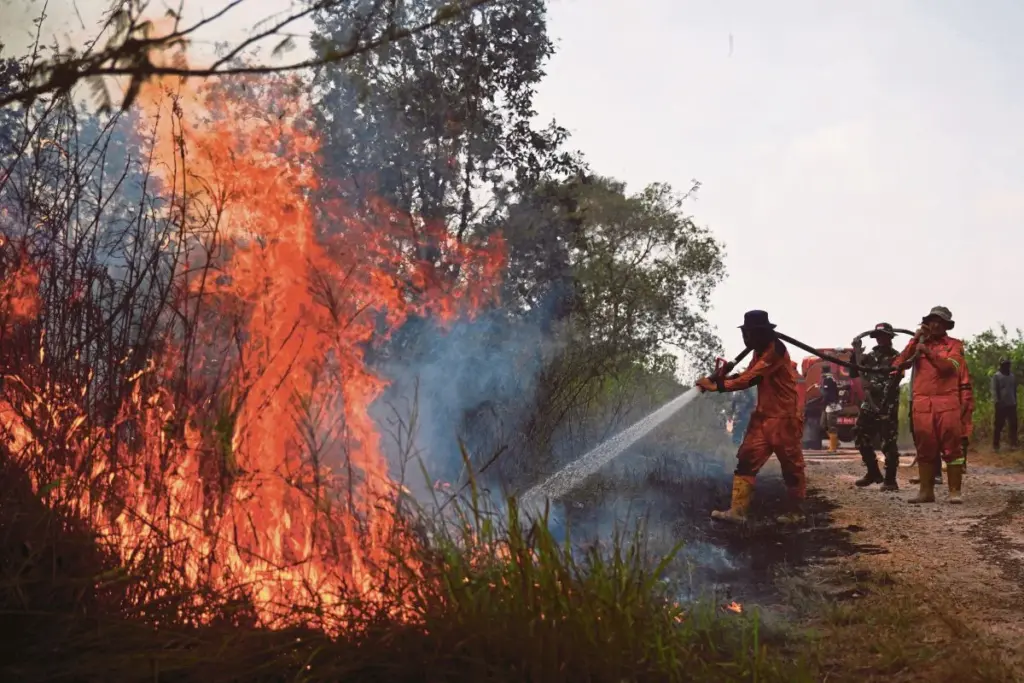
Firefighters attempting to extinguish wildfires in the Ogan Ilir regency in South Sumatra, Indonesia on 9 August.
Image via Harian Metro/ReutersWith hot, dry weather and haze expected to persist, people in affected areas have been advised to reduce outdoor activities
The ministry also advised the public to wear face masks and drink enough water to stay hydrated.
Members of the public are also prohibited from carrying out open burning, as this could worsen the haze situation.
NRES, together with the Department of Environment and METMalaysia, will continue to monitor the weather, air quality, and haze situation and provide updates from time to time.
You can check the latest official API readings through the Department of Environment's Air Pollutant Index Management System (APIMS).

Read more trending stories on SAYS
Flight Attendant Who Ploughed Into Work Crew, Killing DBKL Road Supervisor, Granted Bail
Mohd Iman Nafiz Fong Mohd Sabirin, 26, allegedly recorded a blood alcohol level above Malaysia's legal limit.