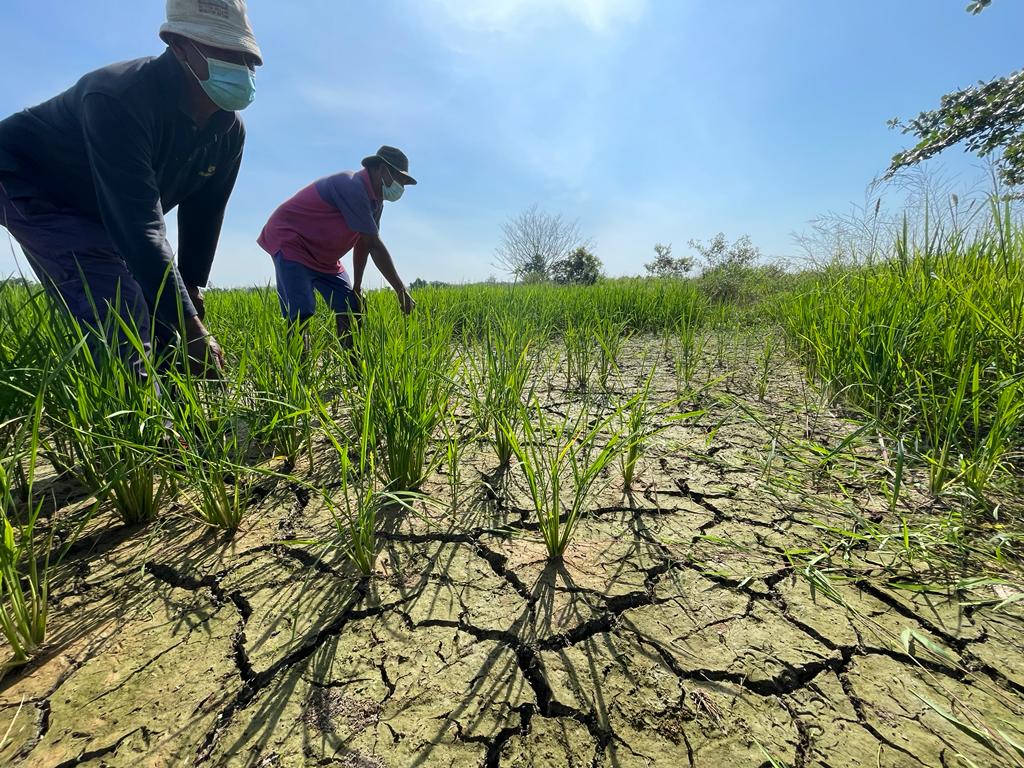
Malaysia Urged To Prepare For Expected Super El Niño. Here’s What You Can Do
The warnings should be treated as a call for preparedness, not public panic.


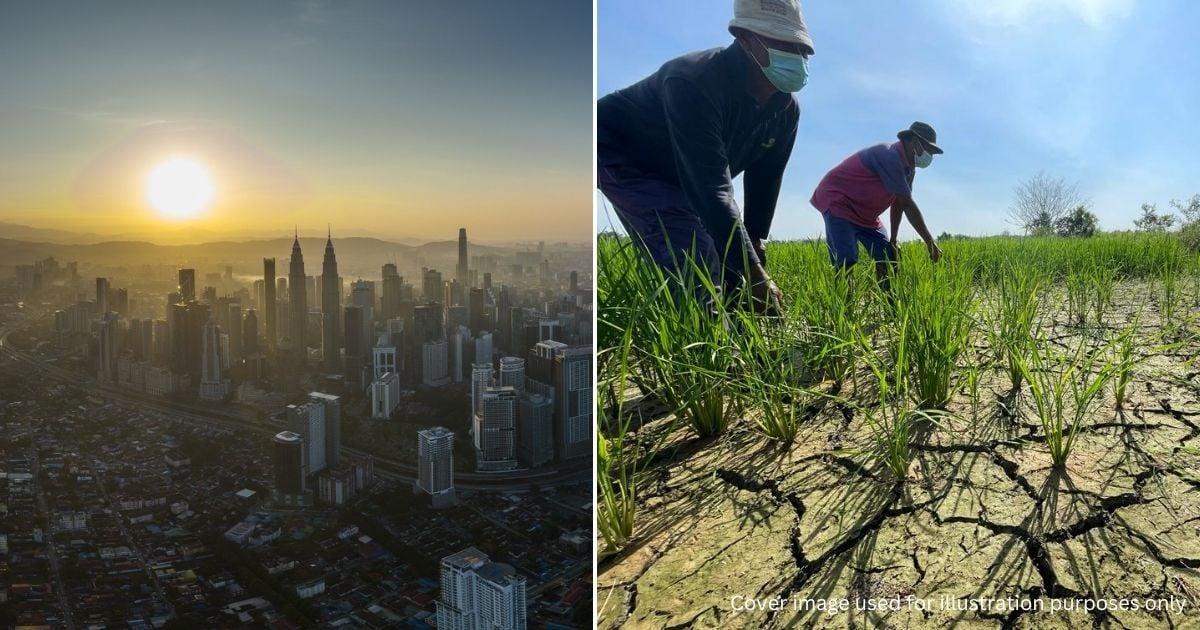 Cover image via
 Follow us on Instagram, TikTok, and WhatsApp for the latest stories and breaking news.
Malaysia should begin implementing comprehensive mitigation measures ahead of a possible Super El Niño later this year
Alliance for a Safe Community Chairman Tan Sri Lee Lam Thye cautioned on Sunday, 19 July, that meteorological forecasts indicate the climate phenomenon could develop around November, with extreme weather conditions expected to peak between November and January, according to the New Straits Times.
Lee stressed that the warning should be treated as a call for proactive preparation rather than public panic.
If it materialises, the climate pattern could bring significantly higher temperatures, prolonged dry spells, and a sharp decline in rainfall across the country
Such conditions have historically increased the risk of transboundary haze, particularly as the region transitions out of the annual monsoon season.
Lee said past climate cycles have shown how prolonged periods of extreme heat can strain critical infrastructure. Historical El Niño episodes, he noted, have caused widespread water shortages, triggered forest and peatland blazes, reduced agricultural yields, and threatened national food security.
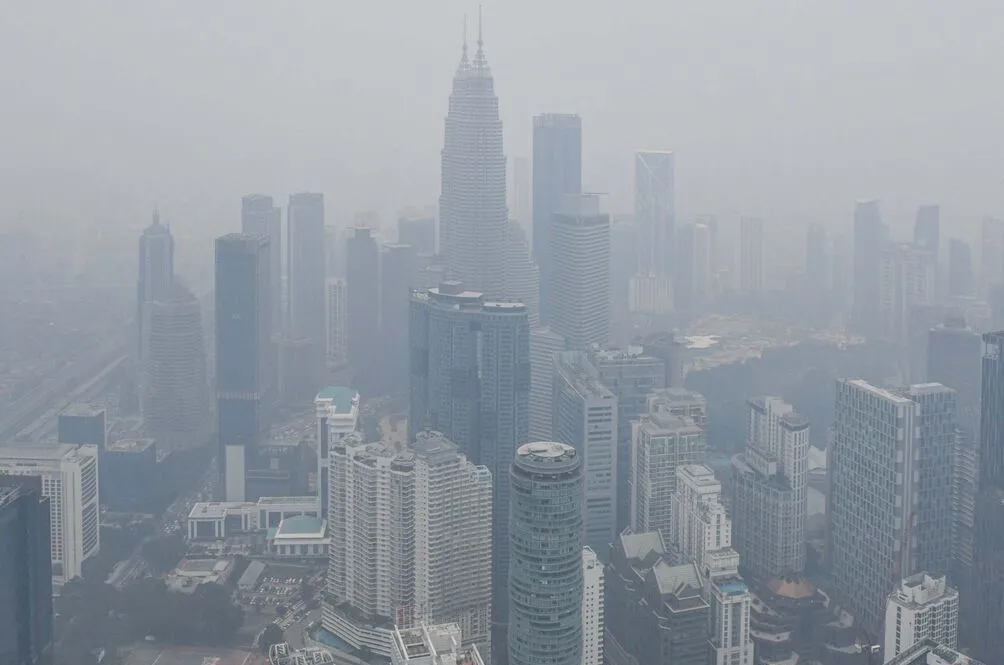
Image used for illustration purposes only.
Image via GempakExtreme heat poses a serious public health risk to vulnerable groups, including senior citizens, young children, outdoor labourers, and those with chronic medical conditions, who face a higher risk of heat stress and severe dehydration
To protect the country from the worst of the environmental disruption, Lee called for a coordinated nationwide response involving federal, state, and local governments, businesses, and the public.
He highlighted water resource management as an immediate national priority. Local utilities should strengthen conservation efforts, reduce water leakages, increase reservoir storage capacities, and prepare emergency distribution plans for drought-prone locations.
He also said environmental enforcement agencies must step up monitoring against illegal open burning to prevent small fires from escalating. Emergency responders should also remain prepared to act quickly when needed.
On healthcare, the government should issue timely heat advisories, establish accessible cooling centres in urban areas, and educate the public on preventing heat-related illnesses
The agricultural sector also requires immediate support to protect domestic food supply chains. Lee recommended providing targeted technical assistance, upgrading irrigation systems, distributing drought-resistant crops, and offering financial aid to farmers affected by crop losses.
Utility providers must also ensure a stable electricity supply to cope with higher demand as businesses and households rely more heavily on air conditioning during prolonged dry spells.
Here's what you can do to prepare:
Households should start practising water conservation by repairing leaking taps, collecting rainwater for cleaning purposes, and using stored water wisely.
With water supplies expected to come under pressure, reducing daily wastage can help preserve reserves before reservoirs reach critically low levels.
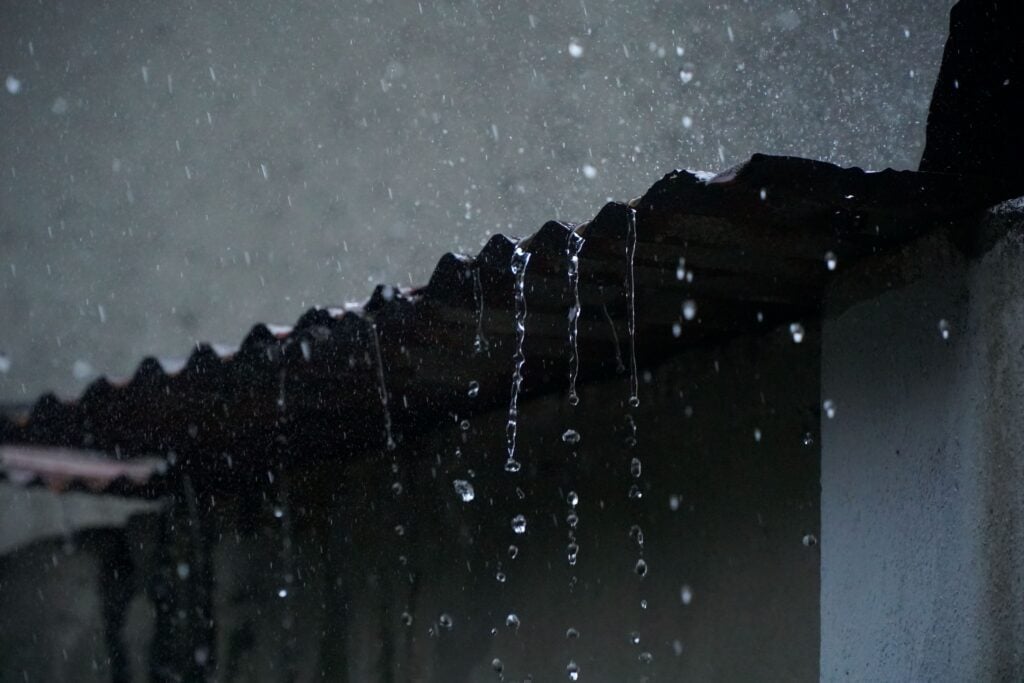
Image used for illustration purposes only.
Image via Nguyễn Hữu Nhã/PexelsProtecting family health requires simple changes in daily habits, especially when it comes to outdoor activities during the hottest hours of the day between 11am and 4pm. Parents should limit their children's outdoor playtime to early mornings or late evenings when temperatures are cooler.
Making sure family members bring extra drinking water to school or work is also important, as staying hydrated can help prevent heat cramps, heat exhaustion, and potentially life-threatening heat strokes.

Image used for illustration purposes only.
Image via Ketut Subiyanto/PexelsFinally, civic responsibility is vital to preventing environmental damage and maintaining air quality. Residents should strictly observe the ban on open burning, including burning dry leaves or rubbish, as dry vegetation can easily turn small fires into uncontrollable peatland blazes.
Malaysians should also stay informed by downloading the official myCuaca application from the Malaysian Meteorological Department (METMalaysia), allowing them to adjust their daily routines based on the latest weather updates and heat warnings.