
MRSM Pasir Salak Students Turn Harmful Invasive Fish Into Award-Winning Calcium Supplement
Turning an invasive species into something beneficial for people.


 Cover image via
 Follow us on Instagram, TikTok, and WhatsApp for the latest stories and breaking news.
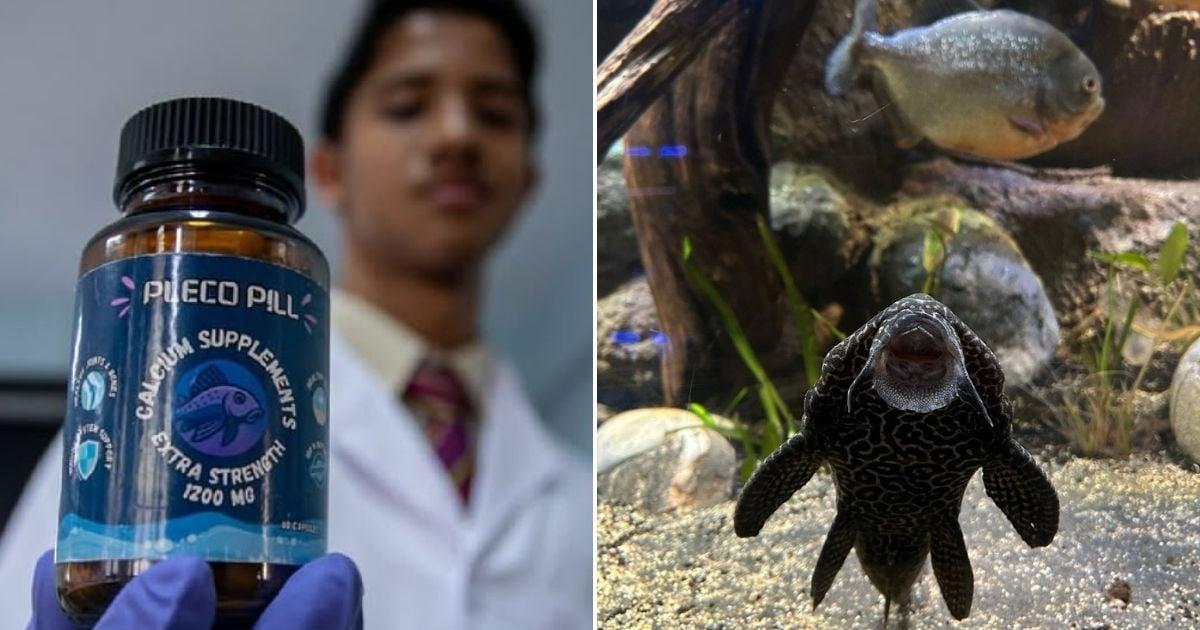
A team of six secondary students and a biology teacher from Maktab Rendah Sains MARA (MRSM) Pasir Salak have developed a high-grade calcium supplement using the discarded bones of the invasive suckermouth catfish, locally known as ikan bandaraya
By transforming an environmental pest into a health product, the team hopes to address the growing threat posed by Hypostomus plecostomus, a South American freshwater species that disrupts local aquatic ecosystems by outcompeting native species for food and habitat, according to Bernama.
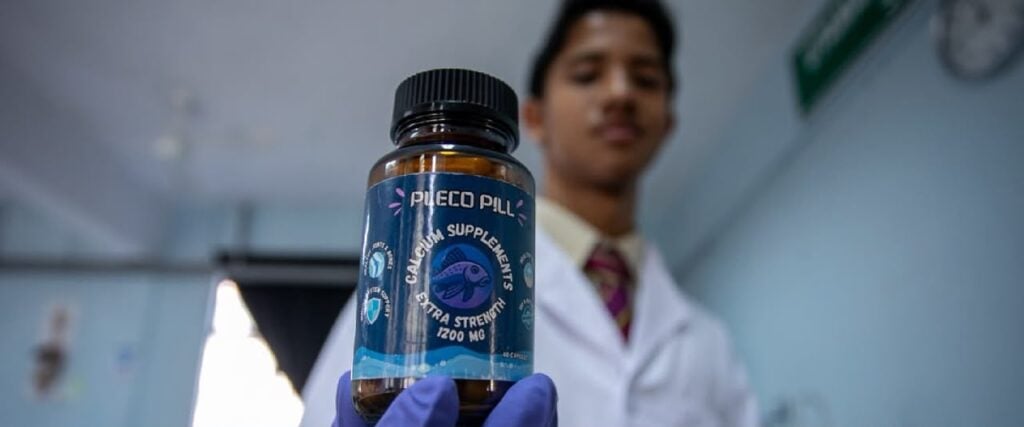
The project originated from a research initiative led by biology teacher Mahfuza Mansor, who previously guided students in extracting calcium powder from discarded chicken bones, an effort that clinched a gold medal at the Idea'24 competition in September 2024
Recognising growing public concern over the ecological threat posed by ikan bandaraya, Mahfuza adapted the concept last year under the school's Schoolwide Enrichment Model (SEM).
Before stepping into the laboratory, the young researchers spent nearly three months analysing scientific literature and studies by Universiti Putra Malaysia (UPM).
Their research confirmed that fish bones are rich in calcium, collagen, and gelatin, making them a promising raw material for a calcium supplement.
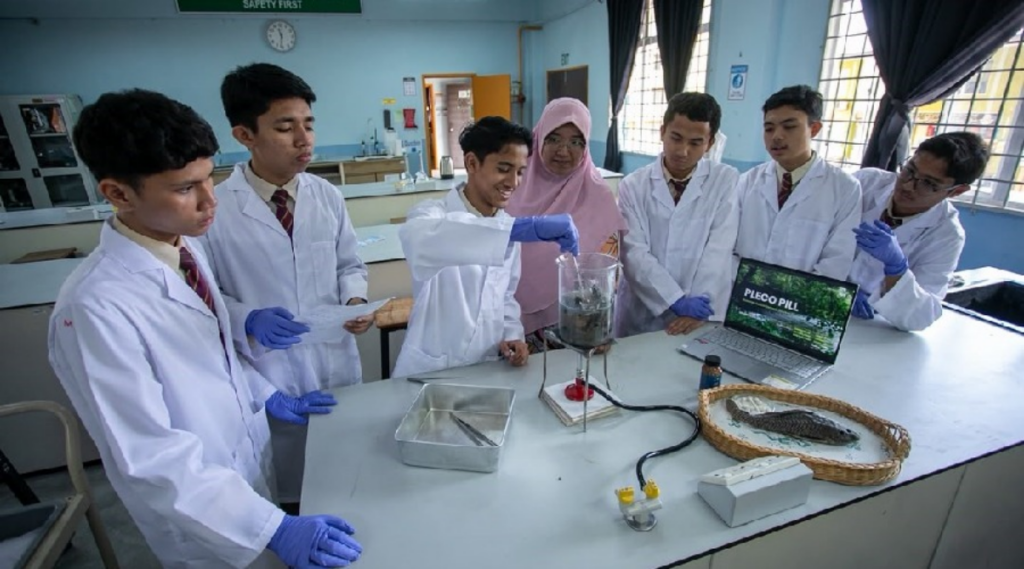
To obtain the raw materials, the team contacted local social media content creator Mohd Nur Badri Mat Sidek, also known as 'Dunia Badol', who regularly catches the invasive fish from local waterways
After refining the raw fish bones into a stable prototype powder through repeated trial runs, the team sent samples to Universiti Teknologi Petronas (UTP) for precise composition analysis using Inductively Coupled Plasma (ICP) Spectroscopy.
The laboratory findings confirmed exceptionally high calcium content alongside negligible arsenic traces measuring just 0.008mg per litre, well beneath the safety threshold of 5mg per litre.
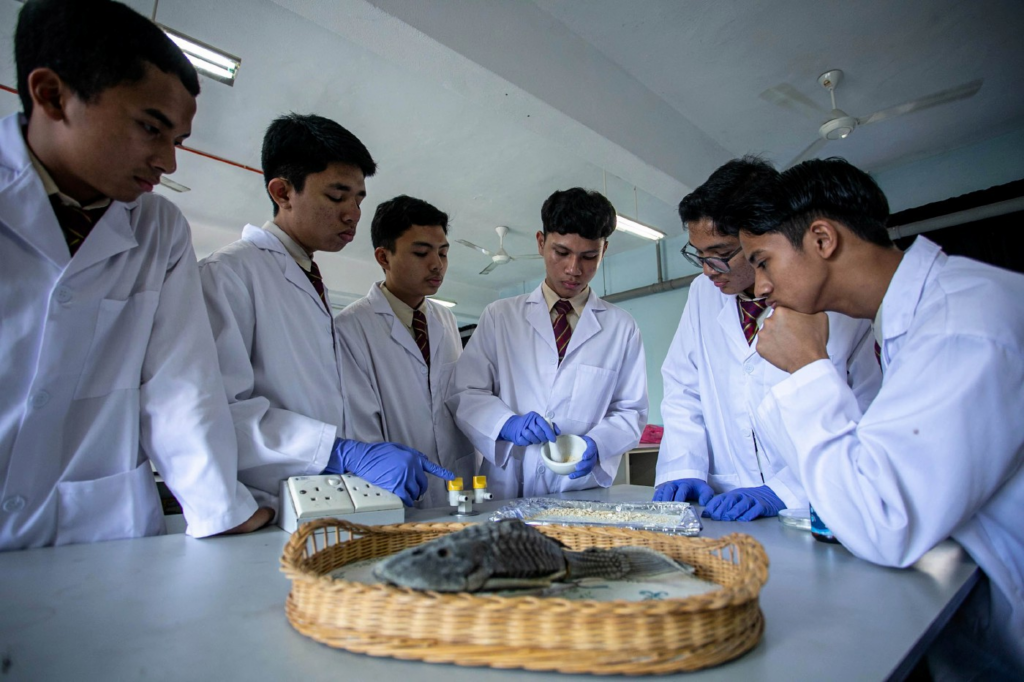
The three-month research project quickly gained recognition on the international stage
In Jakarta, the team emerged as champions in the Sustainable Development Goals category while securing gold medals at both the International Invention & Innovation Competition and the Innovation World Cup.
These achievements build upon their previous success at the Expo-Sciences International in Abu Dhabi, where the project earned a gold medal and the Excellent Research Award. Similar student-led environmental innovations in Malaysia, such as recent university efforts converting agricultural waste into bio-packaging, underscore a growing movement towards eco-friendly, science-based solutions.
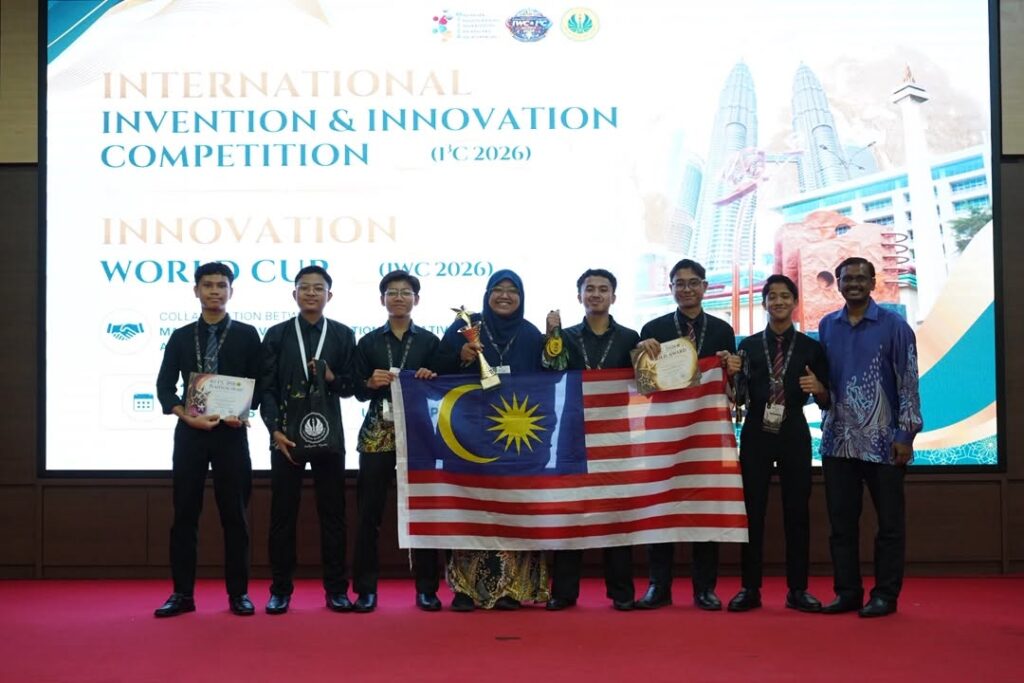
Reflecting on the achievement, 16-year-old team leader Muhammad Danish Iman Ahmad Daud highlighted time management as a crucial hurdle, while teammate Muhammad Rayyan Zafri Che Amat emphasised the need for strict precision during chemical processing
MRSM Pasir Salak principal Mohd Fadzli Muhammad commended the team, noting that the breakthrough underscores the institution's commitment to cultivating a research-driven culture under the SEM framework.
The school targets at least 90% of its student body to pursue science, technology, engineering, and mathematics (STEM) fields, paving the way for future scientific breakthroughs. Commercialising the supplement could incentivise local communities to harvest the species, helping restore ecological balance in Malaysian rivers.
