
The Northeast Monsoon Is Here. Here’s How It Will Affect Malaysians
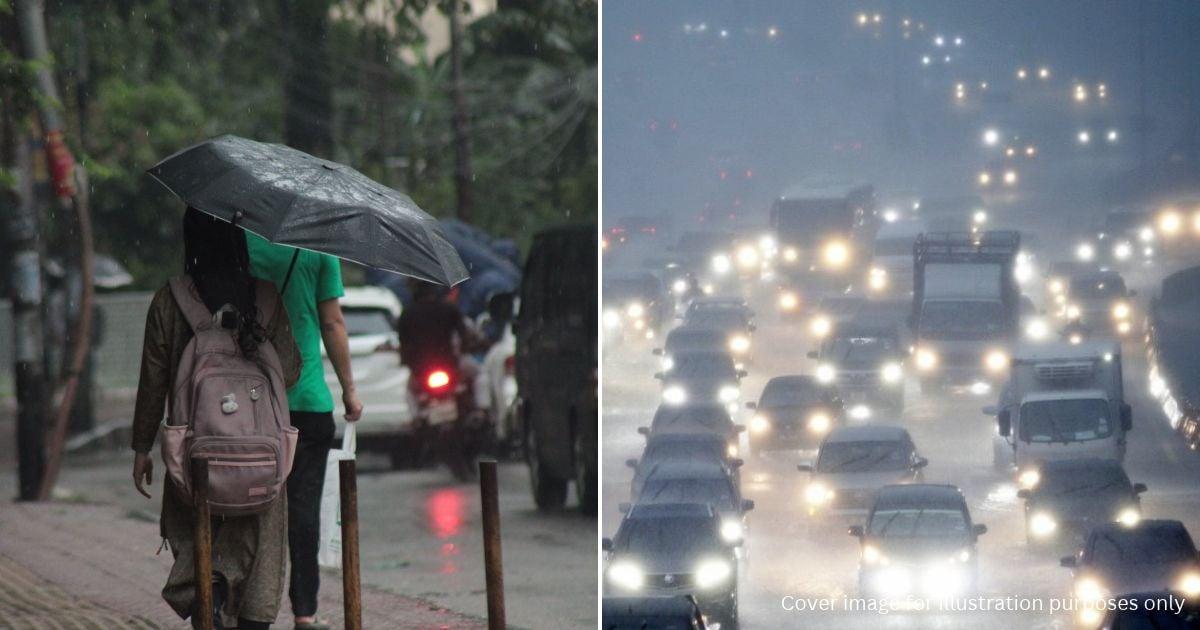
Meteorologists forecast three to five episodes of prolonged, heavy rainfall.


 Cover image via
Follow us on Instagram, TikTok, and WhatsApp for the latest stories and breaking news.
The 2026/2027 Northeast Monsoon (MTL) phase began on Tuesday, 27 October, and is expected to continue until March 2027
Malaysian Meteorological Department (METMalaysia) director-general Dr Mohd Hisham Mohd Anip announced that the prevailing north-easterly winds will persist throughout the monsoon.
During the initial phase, from November 2026 to January 2027, meteorologists forecast three to five episodes of prolonged, heavy rainfall.
These prolonged periods of rainfall could cause major flooding, particularly in low-lying areas and river basins. Strong north-easterly gusts are also expected to bring rough sea conditions and increase the risk of rising sea levels along the South China Sea.
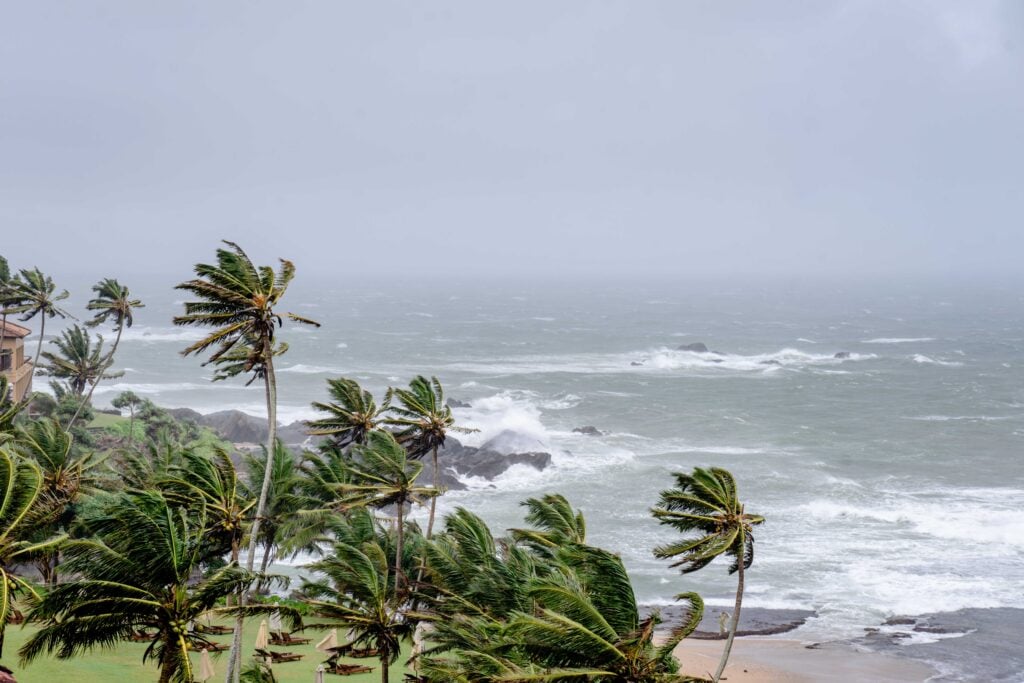
Image used for illustration purposes only.
Image via Atlantic Ambience/PexelsConditions are expected to change towards the end of the monsoon, from January to March 2027, as rainfall decreases, particularly in northern Peninsular Malaysia and Sabah
The shift is expected to bring hotter, drier weather, with the potential for more extreme heatwaves due to the influence of the ongoing Super El Niño phenomenon.
METMalaysia urged the public to take precautions and stay updated on official weather advisories, forecasts, and warnings through the myCuaca mobile application, the department's official website and social media channels, or its hotline at 1-300-22-1638.
Here's how Malaysians will be affected
The monsoon is expected to bring heavy rain and flood risks in its early phase, followed by hotter and drier conditions towards the end of the season.
Heavy downpours can cause flash floods and traffic congestion along major roads and expressways, particularly in low-lying areas of the Klang Valley, Johor, and the East Coast.
Motorists should check for road closures on local navigation portals, avoid driving through floodwaters, and ensure their windscreen wipers and tyres are in good condition.
Coastal residents, offshore operators, and artisanal fishermen in Terengganu, Kelantan, Pahang, and eastern Sabah should prepare for rough seas and potentially higher sea levels. Maritime warnings or restrictions may also affect recreational activities and small-boat trips.
Hotter, drier conditions linked to the Super El Niño phase from January onwards could increase the risk of heat-related illnesses, particularly among schoolchildren and people who work outdoors.
Families should brace for higher household electricity usage from running air conditioning units, alongside potential regional water conservation measures if dam storage levels decline.
