
Parrotfish Allegedly Sold At NSK Spark Marine Conservation Concerns
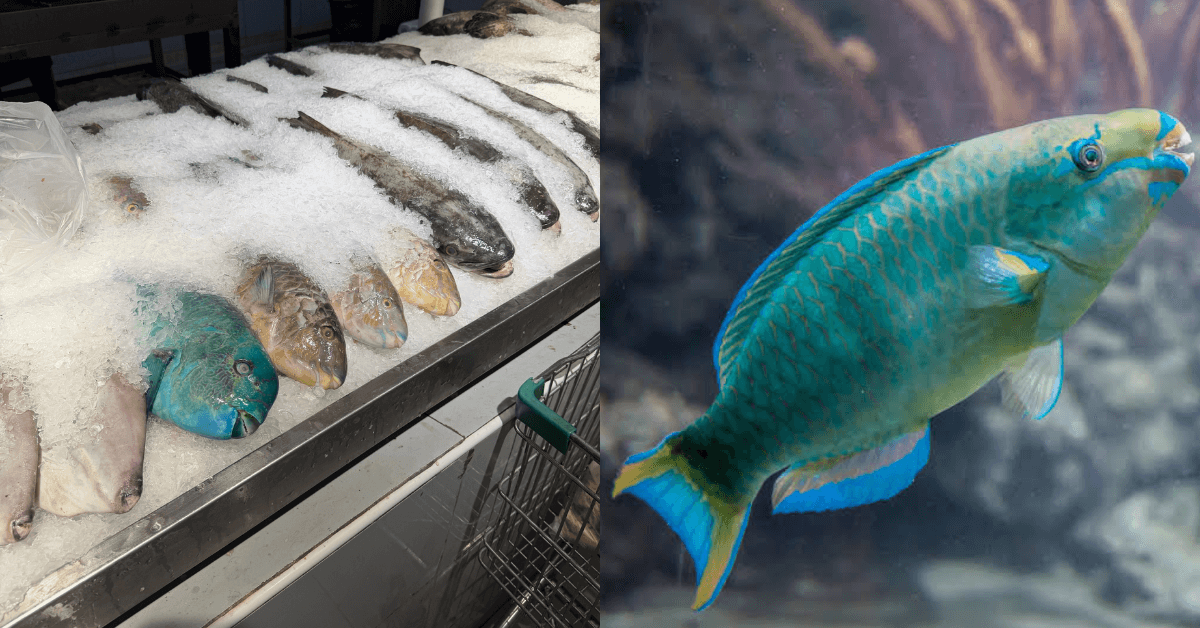
Photos of parrotfish and a hammerhead shark allegedly found at NSK have reignited conversations about what seafood we choose to eat.


 Cover image via
 Follow us on Instagram, TikTok, and WhatsApp for the latest stories and breaking news.
Photos of fish allegedly spotted at an NSK supermarket in Kepong have sparked conversations about marine conservation and the seafood Malaysians choose to eat
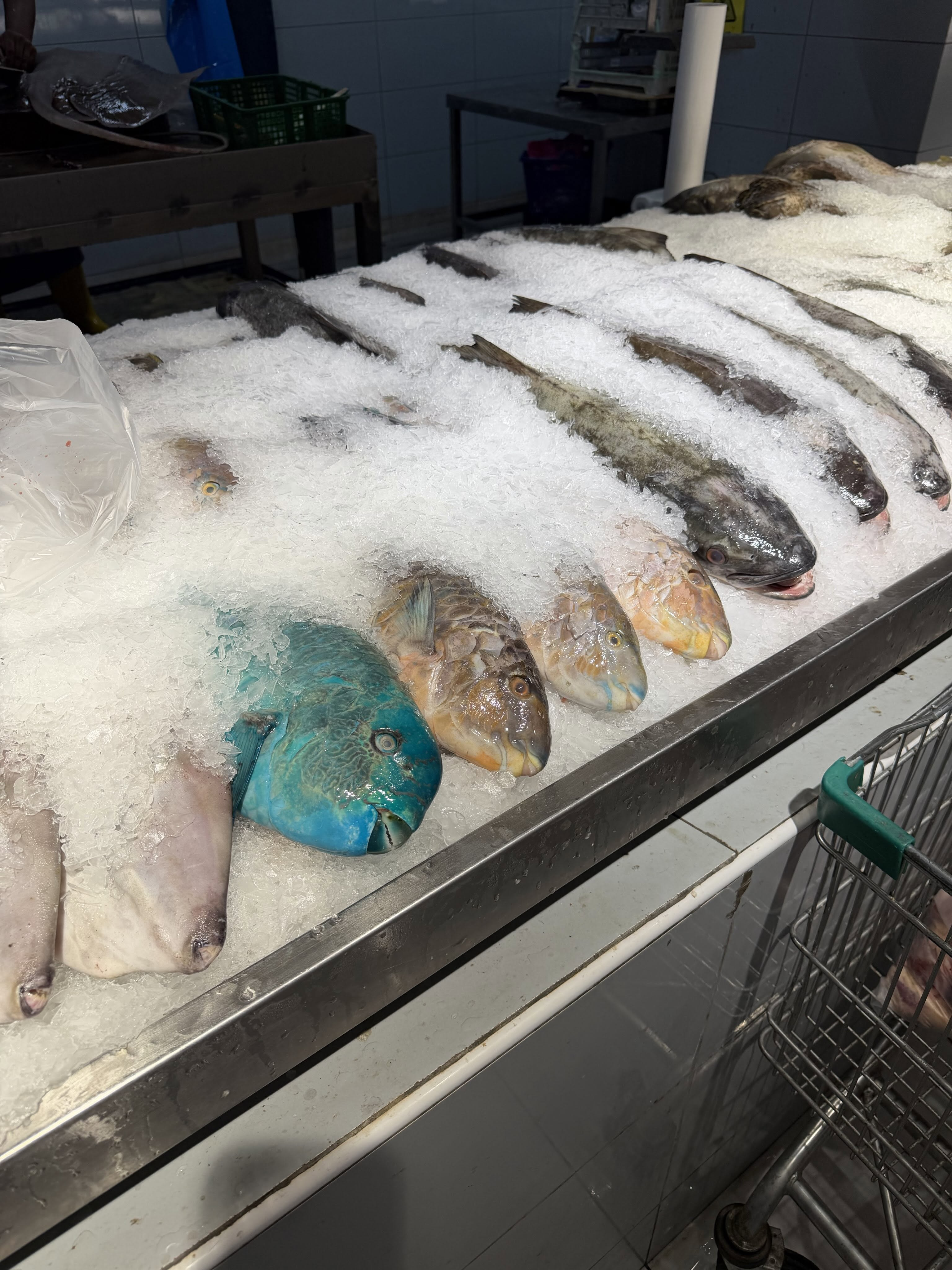
The photos recently made their way onto Threads, prompting some users to question whether the fish should be sold for consumption.
Threads user @giashn shared photos of colourful fish she identified as parrotfish, saying she had spotted them at NSK and wanted to remind others about the species' role in keeping coral reefs healthy.
"There are literally plenty of fish in the sea. These are the ones you should NOT eat," the user wrote.
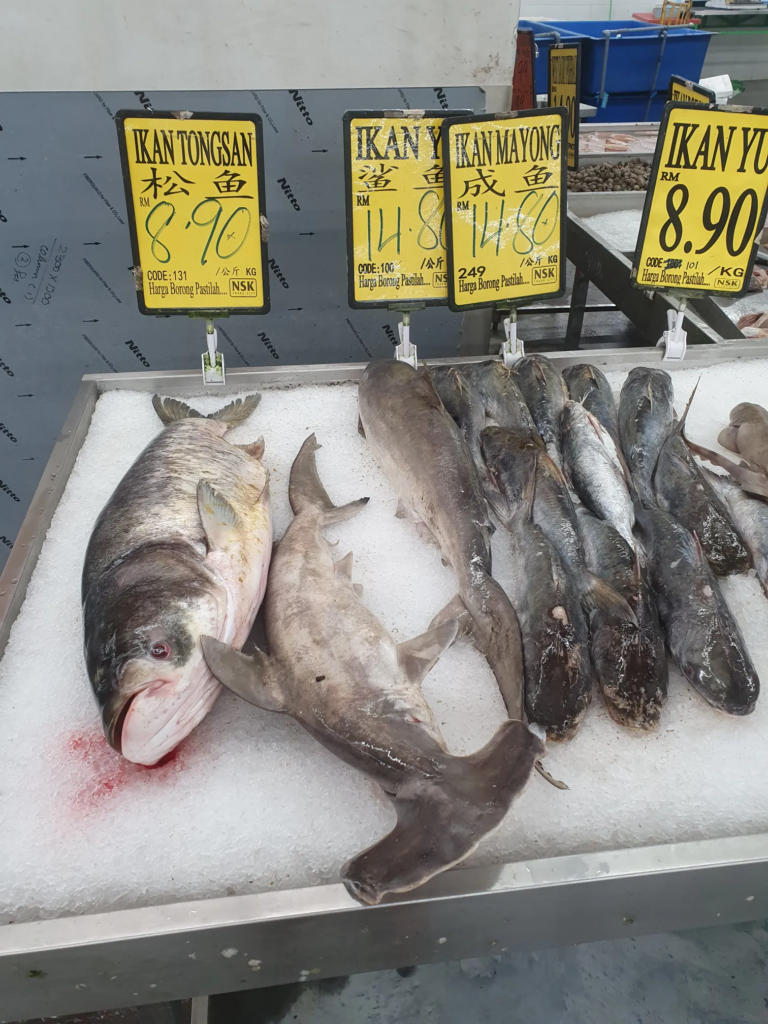
Another person joined the conversation by sharing photos of what they described as a baby hammerhead shark that had allegedly been listed for sale at NSK Seri Kembangan around three years ago.
The commenter said seeing the shark displayed lifeless on ice had stayed with them and described the experience as heartbreaking.
However, the posts alone do not establish whether the fish pictured were sold illegally.
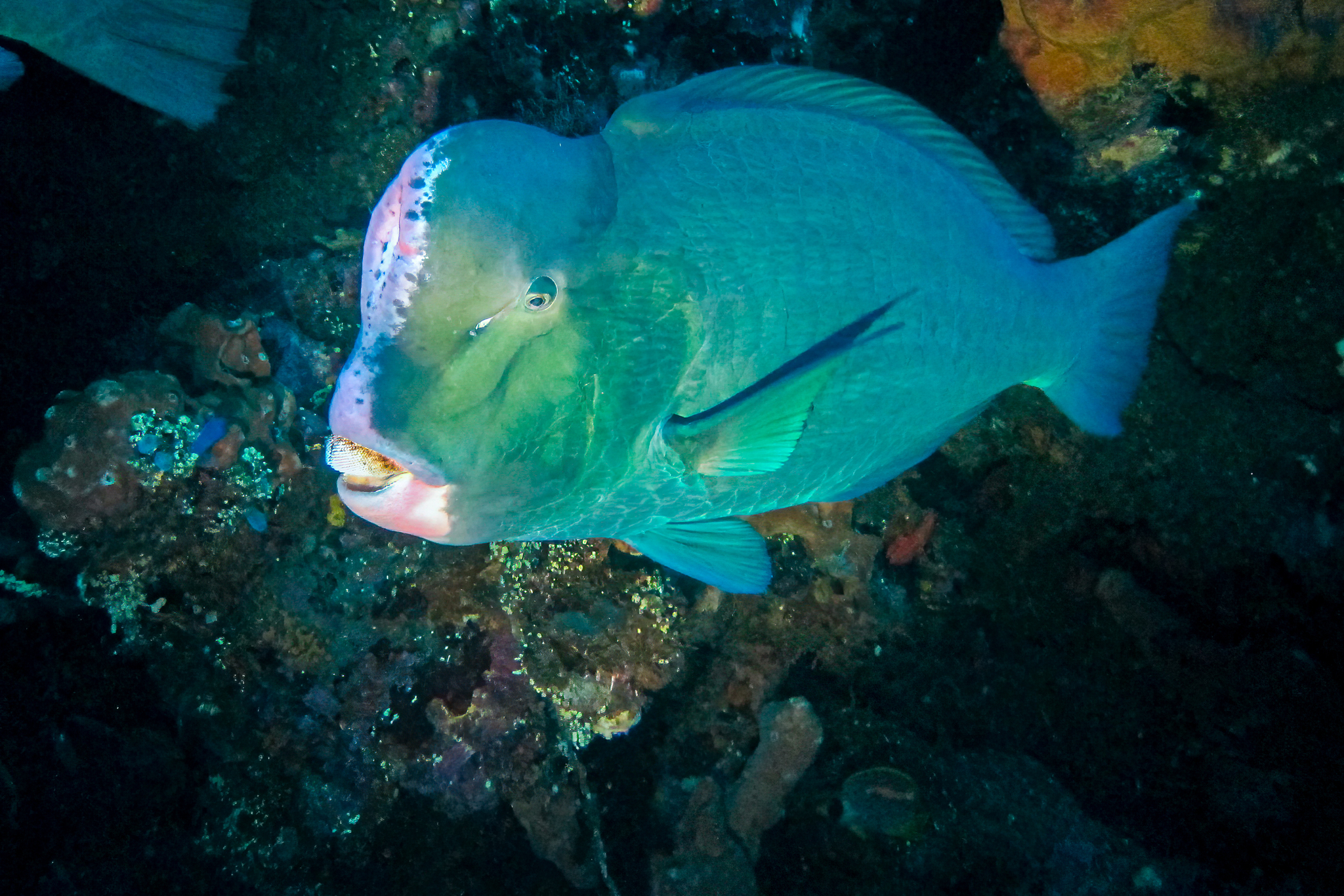
Parrotfish are important for coral reefs
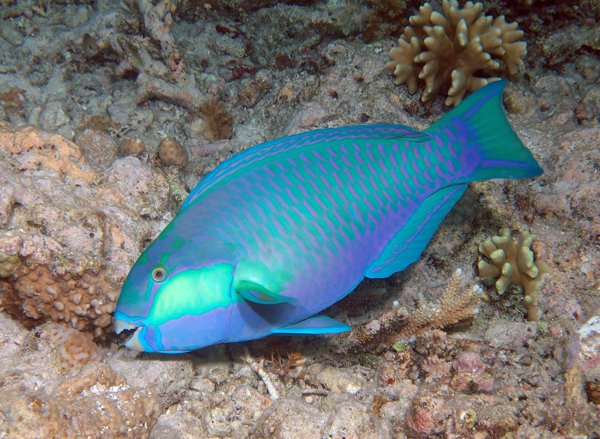
Robin Philippo, director of the Tropical Research and Conservation Centre (TRACC) in Semporna, told SAYS that parrotfish play an especially important role in maintaining coral reef ecosystems.
"Parrotfish are particularly bad to eat because they are one of the most important fish on a coral reef. They spend much of their time grazing algae off the reef, which stops algae from taking over and gives new corals space to grow, and they also produce a huge amount of sand by scraping and digesting the reef," he said.
He added that parrotfish are relatively slow growing and can take years to reach a size where they reproduce.
"So removing the larger adults has a much bigger impact than people often realise," Philippo said.
Their role as algae grazers means parrotfish can help prevent algae from overwhelming corals and competing with them for space.
Some species also contribute to the production of sand as they scrape and digest parts of the reef while feeding.
But is it illegal to sell parrotfish in Malaysia?
Not necessarily.
While certain parrotfish species are threatened, there is no blanket ban on catching or selling parrotfish in Malaysia.
Philippo confirmed this, saying, "However, it's not illegal. Some species are listed as endangered, but generally, it's not forbidden."
A 2022 report by Twentytwo13 similarly cited the Department of Fisheries as saying that most parrotfish sold in Malaysian markets are not considered endangered, although there are exceptions.
The Greenback Parrotfish (Scarus trispinosus), for example, is classified as Endangered, while the Bumphead Parrotfish (Bolbometopon muricatum) is classified as Vulnerable.
Parrotfish are also protected within Malaysia's marine parks, where fishing activities are prohibited under the Fisheries Act 1985.
This means that seeing a parrotfish at a supermarket does not automatically mean it was illegally caught or sold.
Its exact species and where it was caught would need to be established before determining whether any regulations had been breached.
So why avoid eating them?
For Philippo, the issue is less about whether eating parrotfish is technically legal and more about choosing seafood that has less impact on reef ecosystems.
"That said, there are better species of fish to eat that have a lower value to reef health," he said.
"Think of pelagic fish that have less time spent on the reef and don't directly impact the health of the coral reefs like parrotfish do."
Choosing seafood from species with a lower ecological impact can therefore be one way consumers support marine conservation, even when a particular fish is not legally protected.
Sharks are facing their own conservation concerns
The hammerhead shark mentioned in the Threads post raises a separate issue.
Malaysia has regulations controlling the capture of certain endangered fish species, including some hammerhead sharks.
However, the photos shared in the post do not establish the exact species of hammerhead pictured, so it is not possible to determine from the images alone whether it was a legally protected species or whether its alleged sale breached Malaysian regulations.
Philippo told SAYS that shark fishing remains an ongoing concern in Sabah.
"The shark situation is an ongoing issue in Sabah. You can visit most fish markets and find sharks landed daily. I have seen more sharks in the fish market than I have in my 15 years of diving."
"And that number, you can probably multiply tenfold," he added.
Sharks are particularly vulnerable to overfishing because they generally grow slowly, mature relatively late, and produce relatively few young.
Hammerhead sharks in particular face serious conservation pressures globally, although the protection afforded to an individual shark depends on its species and the applicable regulations.
Ultimately, knowing what species you're buying and where it came from can help consumers make more informed choices about the seafood on their plates.
SAYS has reached out to NSK for comment and has yet to receive a response.
Read more trending stories on SAYS

Flight Attendant Who Ploughed Into Work Crew, Killing DBKL Road Supervisor, Granted Bail
Mohd Iman Nafiz Fong Mohd Sabirin, 26, allegedly recorded a blood alcohol level above Malaysia's legal limit.