
Pet Owners Turn To Traditional Chinese Medicine To Treat Senior Dogs And Cats
The trend is gaining traction in China, with the hashtag #petTCM raking in over five million views on social media.


 Cover image via
 Follow us on Instagram, TikTok, and WhatsApp for the latest stories and breaking news.
When conventional treatments fail, an increasing number of pet owners in China have begun exploring traditional Chinese medicine (TCM) to soothe their ageing companions
The trend has exploded online, with the hashtag #petTCM raking in over five million views on social media.
According to South China Morning Post, for one Beijing owner, TCM was a last resort for his 7-year-old dog, Iron Man. The border collie mix suffered from severe inflammatory bowel disease that did not improve with Western medication.
After examining the dog's pulse, tongue, and eyes, a TCM practitioner prescribed herbal pills and a special diet. In just three days, Iron Man's persistent diarrhoea stopped completely.
Another owner, Zhang, noticed her 17-year-old dog losing energy and decided to mix ground herbal tonics into his meat. She saw significant improvements in his strength within a month, comparing the regimen to yang sheng, the traditional practice of holistic wellness.

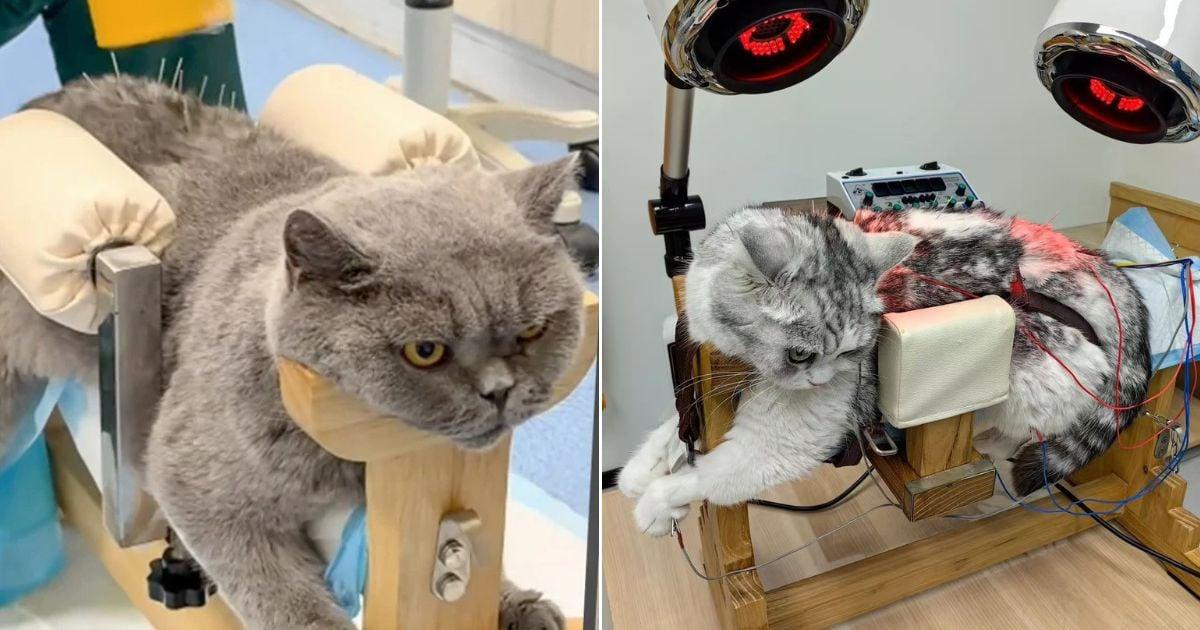
This approach is particularly appealing for elderly animals, which make up about one in six of the 126 million urban pets in China. Treatments range from acupuncture and moxibustion to bee sting therapy.
A Beijing veterinarian, also surnamed Zhang, runs a slow-paced clinic focusing on compassionate care.
"We cannot guarantee full recovery for pets, but we can offer them peace and dignity in their later years," Zhang said.
To support this booming industry, the Chinese Veterinary Medical Association recently released its first acupuncture guidelines for pets, marking a major step towards professionalising TCM for animals.
