
RM1 Billion PERSADA Initiative Aims To Make Public Healthcare More Connected
The project aims to cover 150 government hospitals and 2,488 public healthcare facilities nationwide.


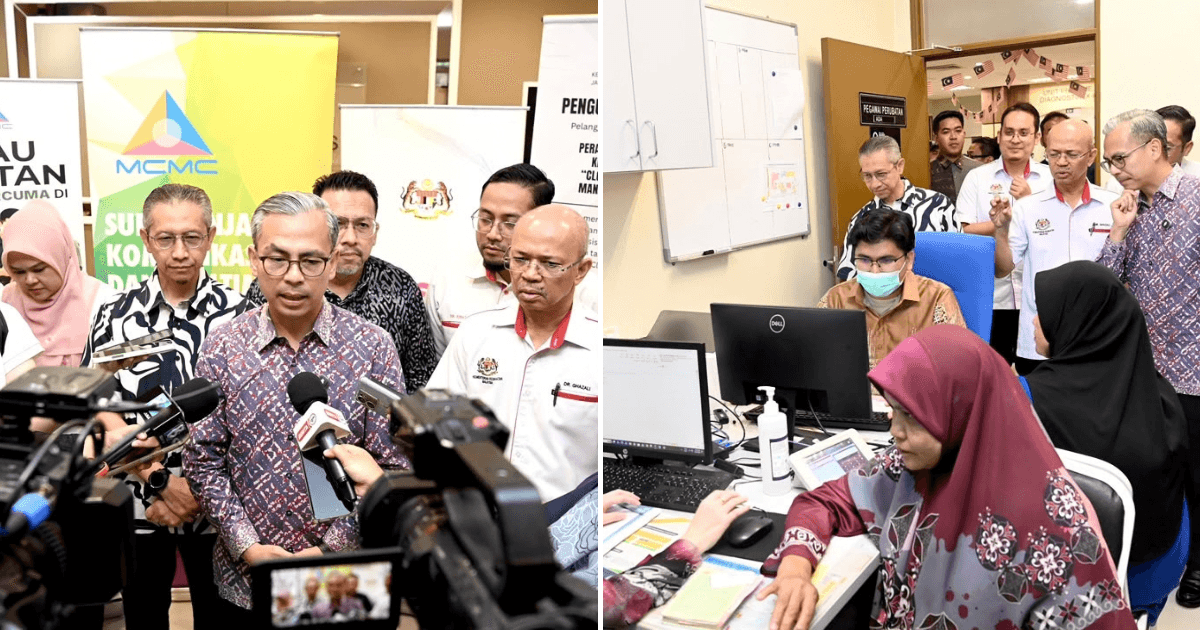 Cover image via MCMC
Follow us on Instagram, TikTok, and WhatsApp for the latest stories and breaking news.
Malaysia's public healthcare system is set to receive a digital boost through the National Digital Health Ecosystem and Connectivity Catalyst Initiative (PERSADA)
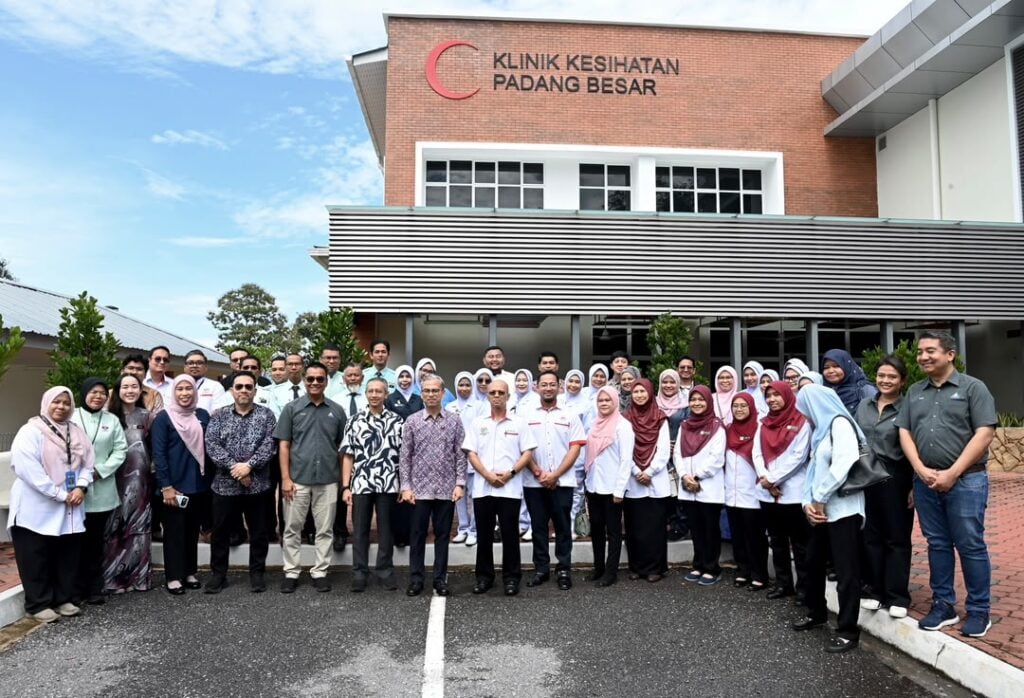
Communications Minister Datuk Seri Fahmi Fadzil visited the Padang Besar Health Clinic in Perlis yesterday to review the initiative, a collaboration between the Communications Ministry, through the Malaysian Communications and Multimedia Commission (MCMC), and the Health Ministry.
During the visit, Fahmi was briefed on PERSADA's implementation and attended demonstrations of digital solutions supporting the national healthcare ecosystem, including electronic medical records (EMR) and connectivity applications for healthcare delivery.
One of its key aims is to support the government's 'One Individual, One Health Record' aspiration by enabling health information to be shared more smoothly between healthcare facilities
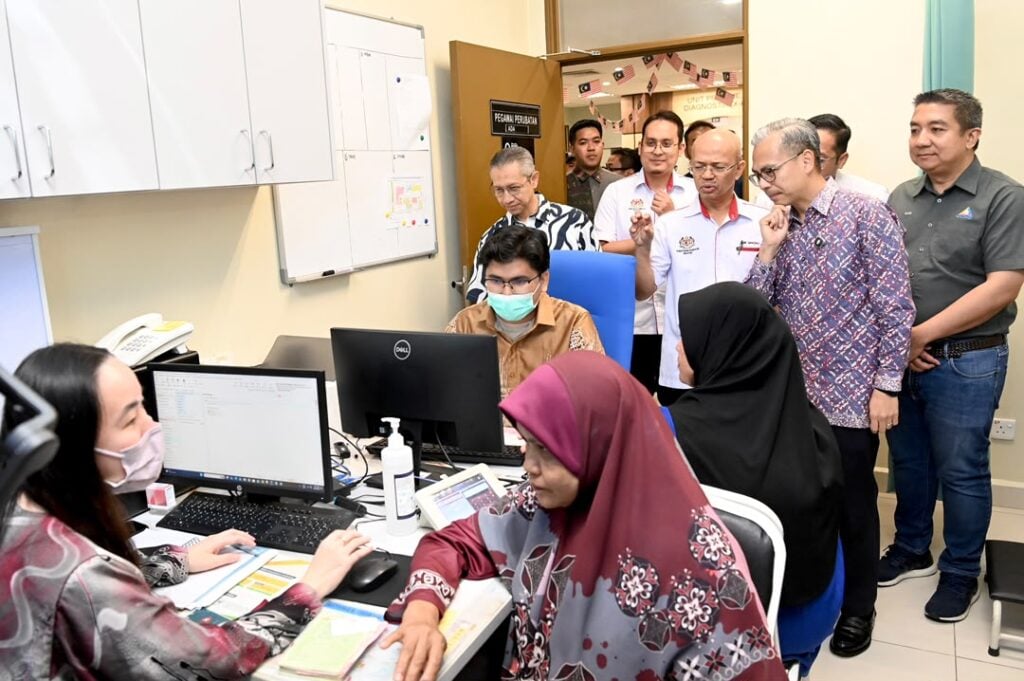
This means patients' medical records can be accessed when they seek treatment at different facilities or locations, helping doctors and healthcare workers provide more continuous and organised care.
PERSADA received a total allocation of RM1 billion last month, including an additional RM350 million announced by the government
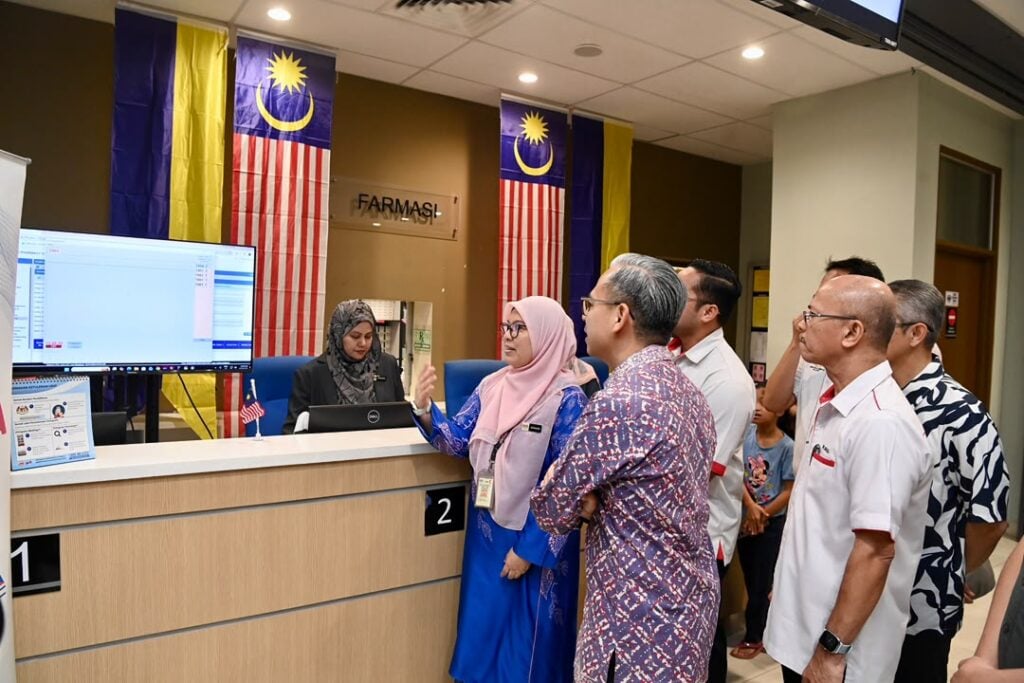
This is to strengthen connectivity, digital systems, and supporting infrastructure across the public healthcare network.
The initiative will use a cloud-based Clinical Management System (CCMS) to improve operational efficiency, support doctor-patient care, and facilitate the development of telehealth services in Malaysia.
The project will be implemented in two phases through 2028, covering 150 government hospitals and 2,488 public healthcare facilities nationwide.
With CCMS, doctors and nurses are expected to have real-time access to patients' medical histories, reducing reliance on paper records and fragmented transfers of information between facilities
The system could also help speed up diagnosis, reduce repeated tests, and shorten waiting times by making patients' medical information more readily accessible across the public healthcare system.
This article originally appeared in the New Straits Times, with rights to be republished on SAYS.
