
Sabah Hospital Successfully Separates Conjoined Twin Girls In Landmark Surgery
The Sabah State Health Department described the landmark surgery as a testament to Sabah's growing capability in handling highly complex and high-risk medical cases.


 Cover image via Jabatan Kesihatan Negeri Sabah (Facebook)
Follow us on Instagram, TikTok, and WhatsApp for the latest stories and breaking news.
The Sabah Women and Children's Hospital (HWKKS), also known as Hospital Likas, has successfully separated a pair of conjoined twin girls in a complex operation, marking a major milestone for healthcare in the state
In a Facebook post, the Sabah State Health Department described the landmark surgery as a testament to Sabah's growing capability in handling highly complex and high-risk medical cases.
The operation was carried out on 2 July at HWKKS' main operating theatre by a multidisciplinary team comprising specialists in neonatology, anaesthesiology, paediatric surgery, brain and spine surgery, neurosurgery, plastic and reconstructive surgery, radiology, as well as nursing staff and other clinical support personnel.
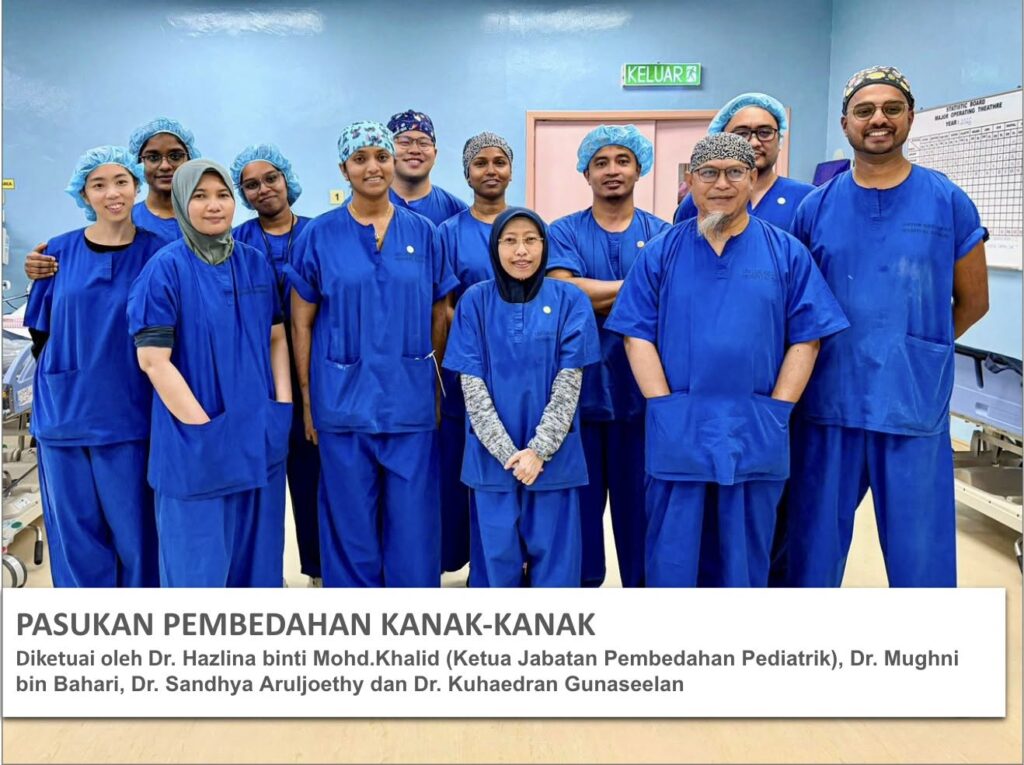
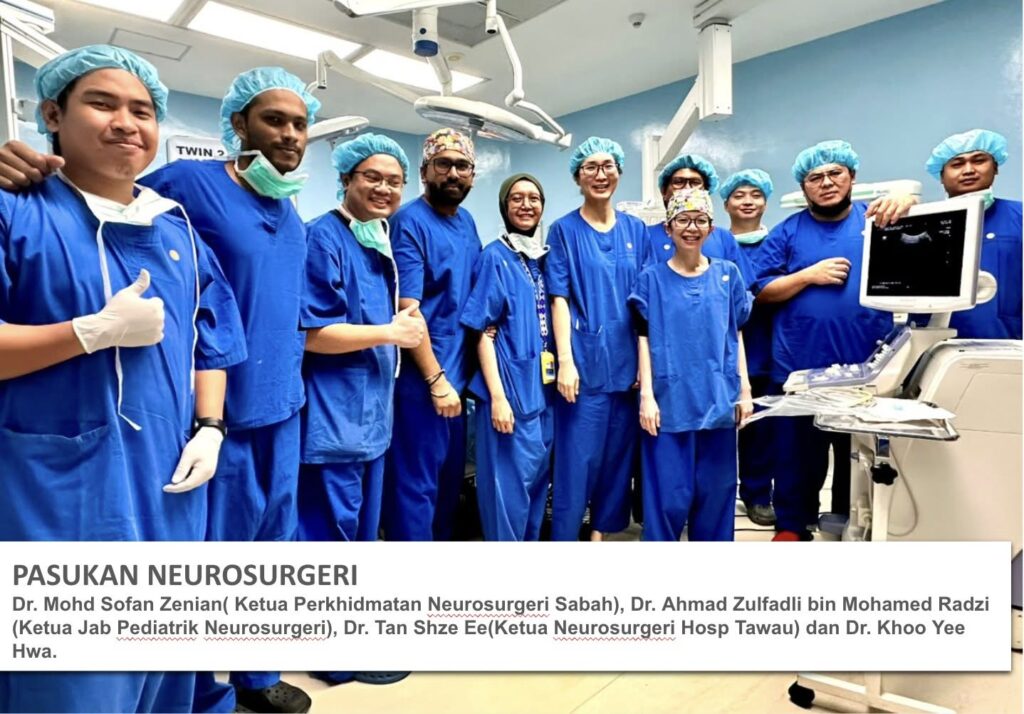
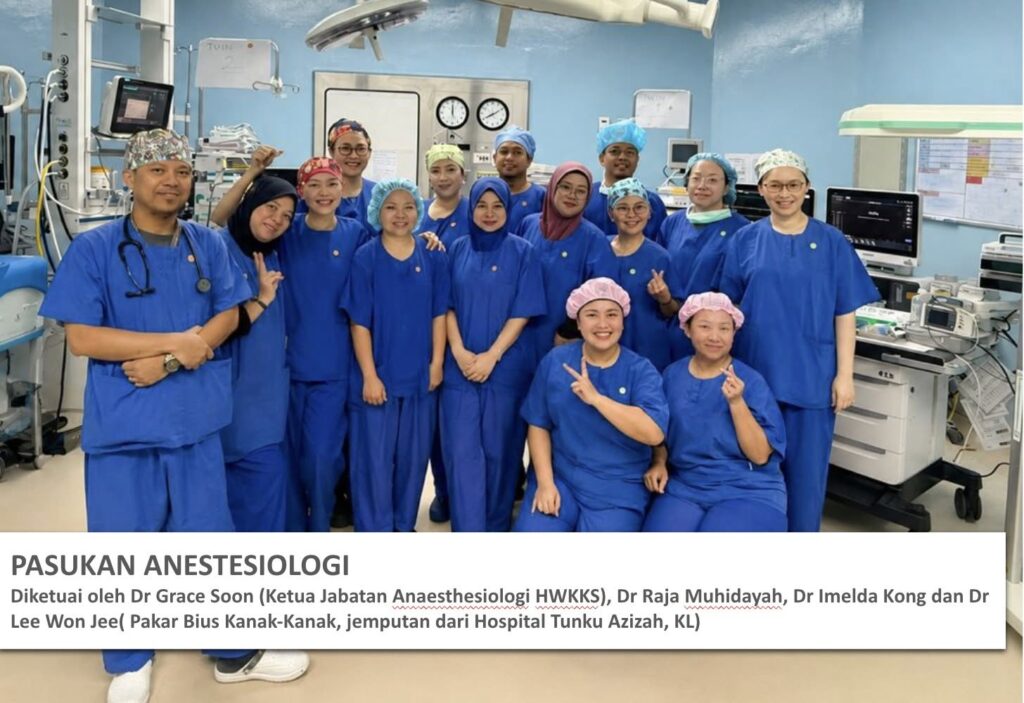
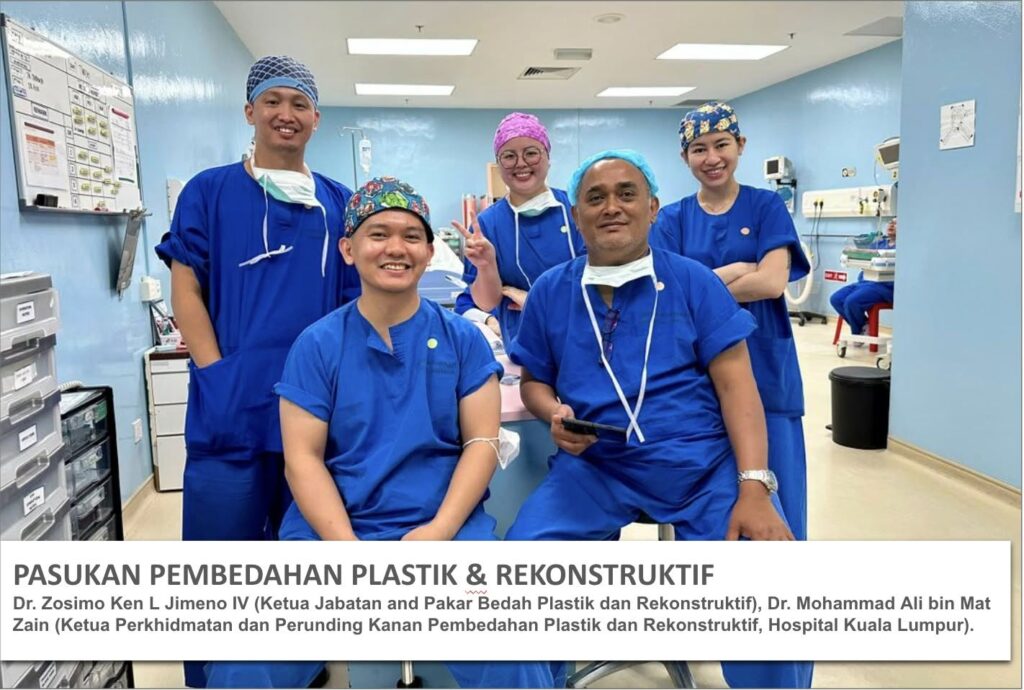
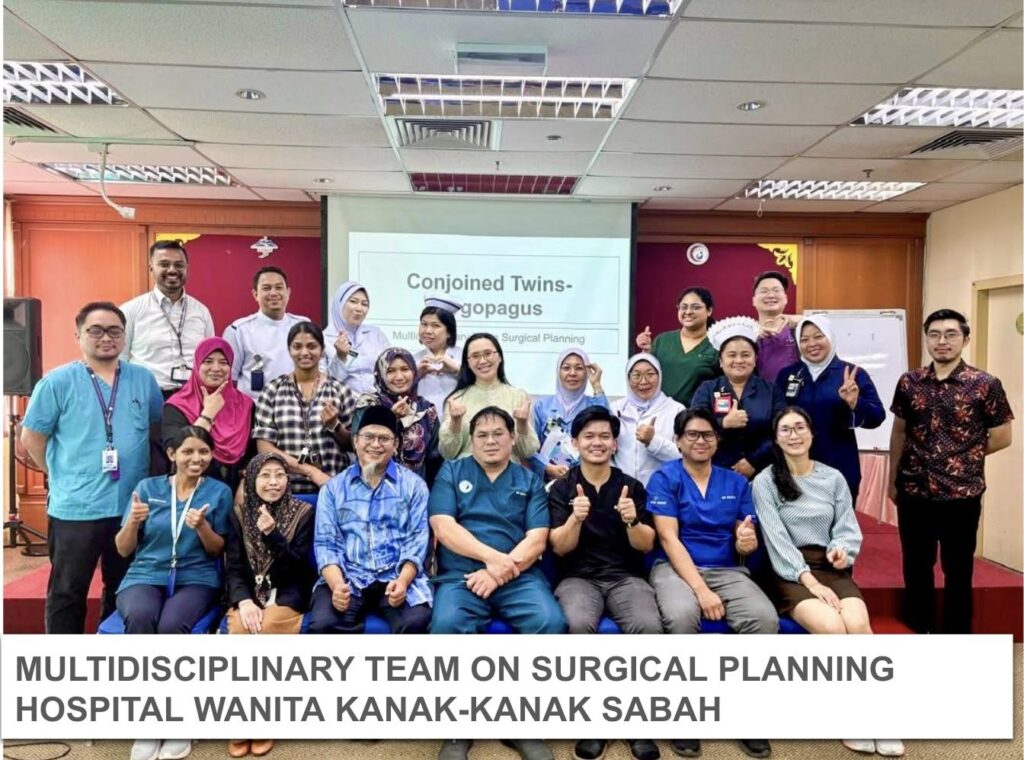
The surgery was conducted on a pair of 32-week premature baby girls from the interior region of Sabah, where one of them was experiencing heart complications and kidney failure
Therefore, the separation surgery had to be performed when the twins were just 28 days old, much earlier than the usual four to six months of age, when the procedure is typically performed.
The babies were pygopagus twins, a rare type of conjoined twin joined back-to-back at the sacrum. They shared parts of their neural tube, lower gastrointestinal tract, and genitalia.
Both girls are currently being monitored in the hospital's neonatal intensive care unit
According to the department, the successful operation reflects the dedication and expertise of HWKKS' medical team in caring for children born with complex congenital conditions.
It added that the continued expansion of specialist services in Sabah will allow more patients to receive treatment closer to home, reducing the emotional, financial, and logistical burden on families who would otherwise need to seek care outside the state.
