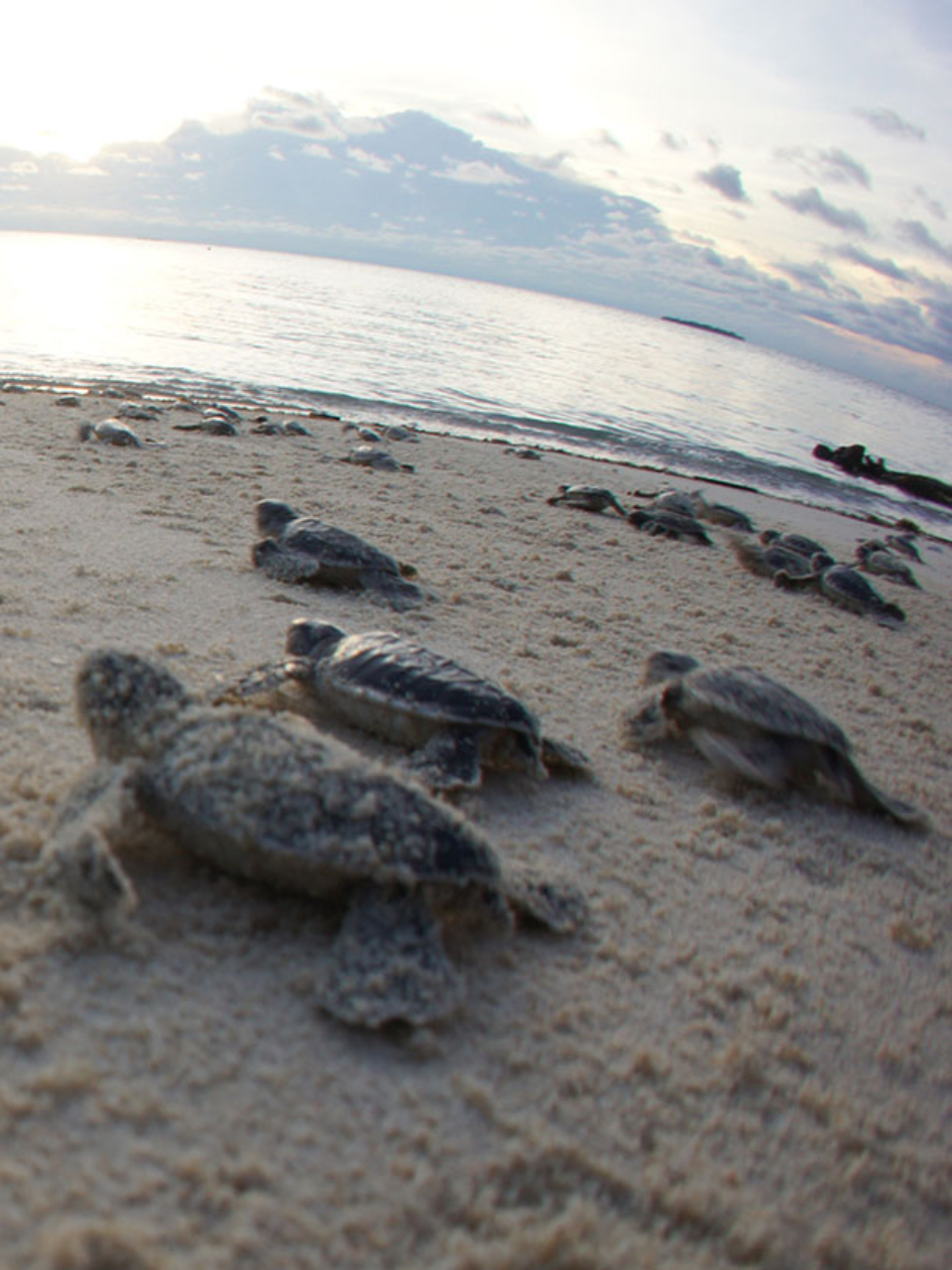
Sabah’s Sea Turtle Nests Have Tripled Since The 1970s, Says Researcher
A conservation win.


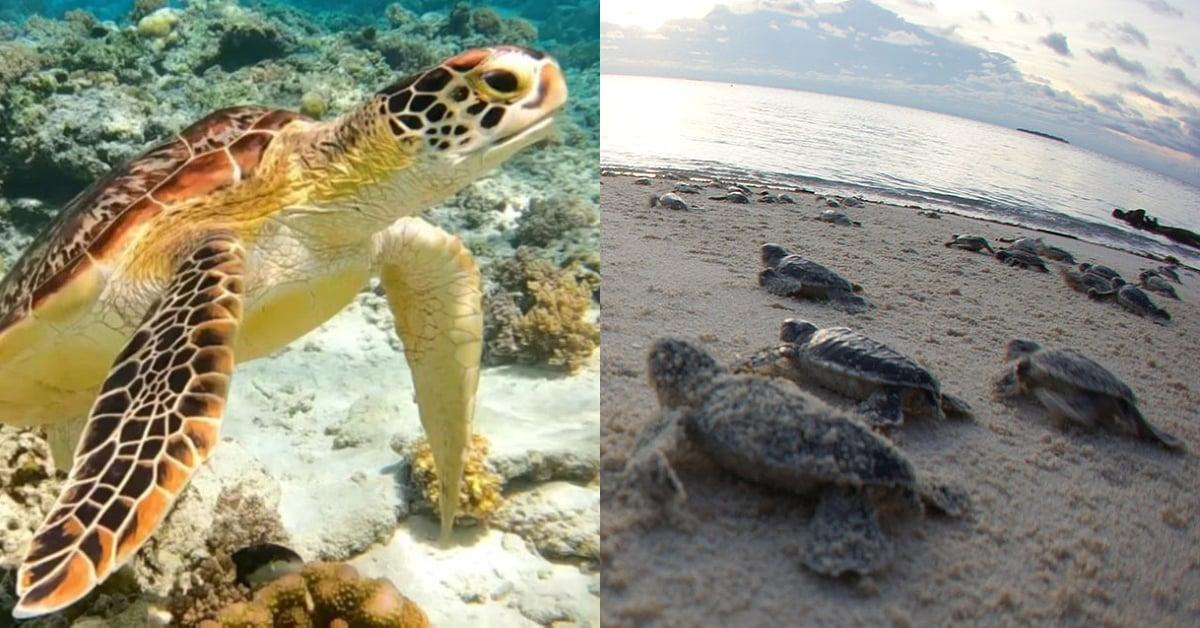 Cover image via
 Follow us on Instagram, TikTok, and WhatsApp for the latest stories and breaking news.
After decades of conservation work, Sabah is now home to more than 20,000 sea turtle nests every year, nearly three times the number recorded in the 1970s, says a researcher
According to the New Straits Times, Associate Professor Dr Juanita Joseph from Universiti Malaysia Sabah (UMS) said the remarkable increase is the result of decades of research and conservation efforts, making Sabah one of the world's most recognised sea turtle sanctuaries.
Speaking at the Sabah state-level World Biodiversity Day celebration, Juanita said the Turtle Islands Park in Sandakan is recognised internationally as an outstanding conservation model.
"It is one of the world's longest-running sea turtle conservation programmes — even longer than similar programmes in the US," she said.
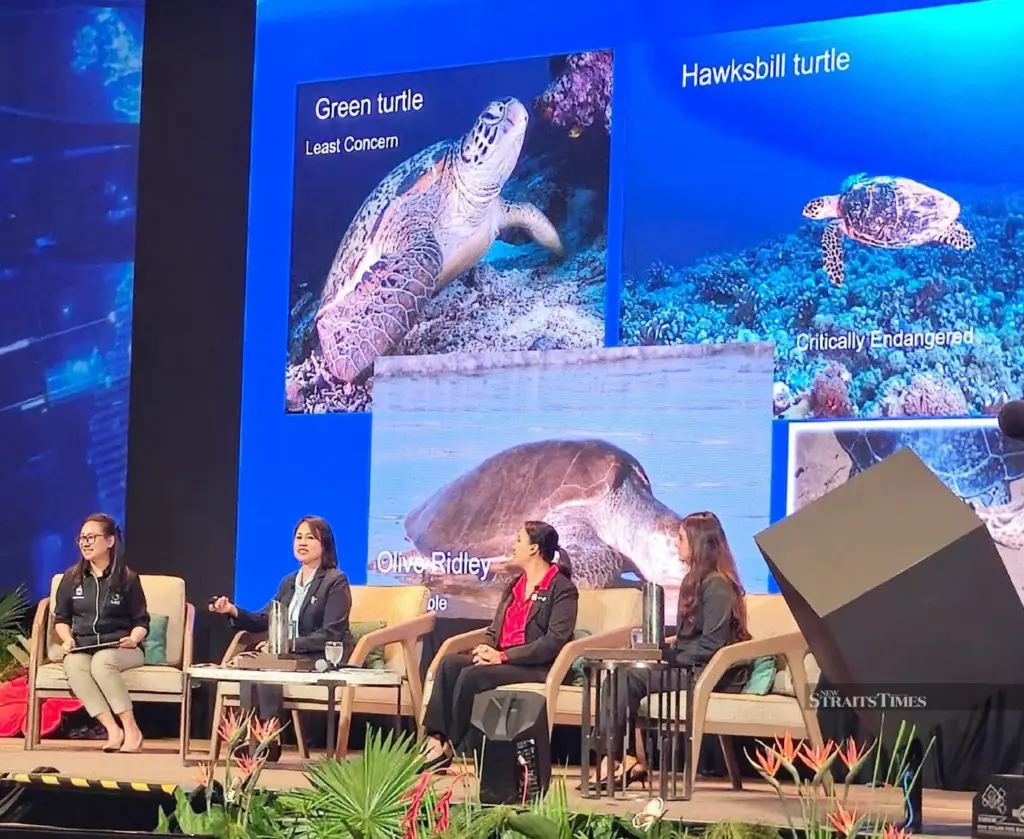
Associate Professor Dr Juanita Joseph (second left) speaking at the Sabah World Biodiversity Day celebration.
Image via New Straits TimesAccording to Juanita, sea turtle conservation in Sabah has been ongoing for over a century
She said conservation efforts in Sabah began as early as the 1920s during the British North Borneo administration, while scientific research expanded significantly in the 1990s.
And these long-term efforts have helped improve the outlook for some species.
She said the green turtle, the most common sea turtle found in Sabah, has seen its conservation status improve from 'Endangered' to 'Least Concern' following decades of protection.
However, other species continue to face significant threats. The hawksbill turtle remains 'Critically Endangered', while the olive ridley turtle is considered rare in Sabah.
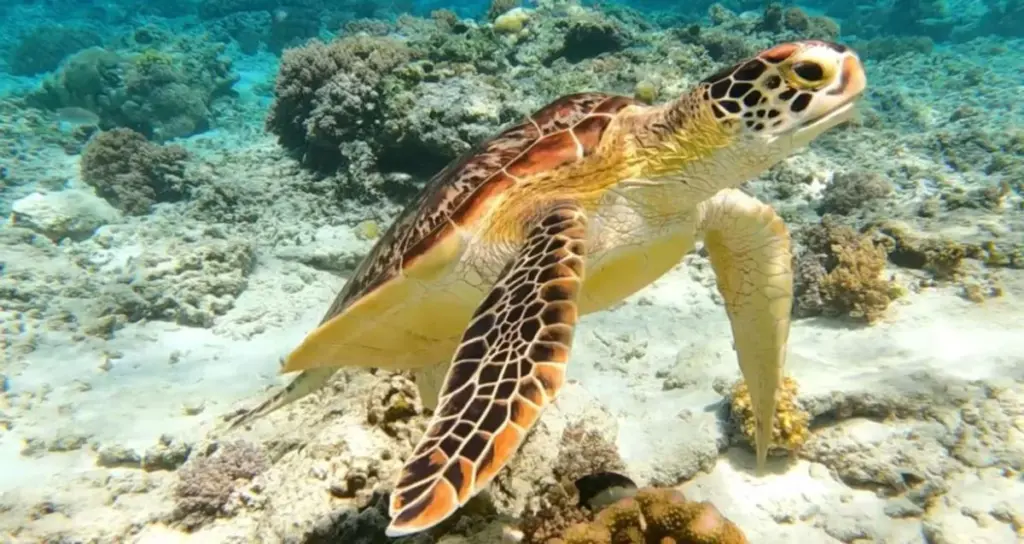
A hawksbill sea turtle.
Image via Harian MetroJuanita said decades of genetic research have also had a significant impact on conservation efforts, revealing just how connected Sabah's sea turtles are to the wider region
"Genetic studies show that turtles nesting in Sandakan forage in Semporna and Brunei Bay, while some travel as far as Thailand, Indonesia, and the Philippines.
"Likewise, many turtles feeding in Semporna actually hatched in places such as Micronesia," she said.
"This perfectly illustrates the theme of acting locally while creating global impact," she added, highlighting that, beyond nesting beaches, Sabah's coastal waters also serve as important feeding grounds for sea turtles.
Juanita said Semporna is home to the largest sea turtle foraging ground in Southeast Asia, while other important feeding areas include Tun Mustapha Park and Brunei Bay.
Research has also strengthened collaboration between local communities, government agencies, NGOs, and international conservation partners
Juanita said UMS has also contributed research to the Sabah Wildlife Department's Turtle Action Plan, including recommendations to improve hatchery management.
Beyond research, the university and its NGO partners have also been running education and awareness programmes to encourage local communities to take an active role in protecting sea turtles.
In Kudat, for example, local communities now manage sea turtle conservation efforts themselves while generating income through ecotourism activities, including hatchling release programmes for visitors.