
Scientists In Sabah Are Using A Special Grass To Reduce Conflicts Between Elephants & Humans
This involves a new project that sees Napier grass planted inside designated wildlife corridors.


Follow us on Instagram, TikTok, and WhatsApp for the latest stories and breaking news.
As palm oil plantations continue to expand in eastern Sabah, conservation groups are trying out a simple idea that could help both elephants and plantation operators
Palm oil remains one of Sabah's biggest economic drivers, creating jobs and contributing significantly to Malaysia's exports. But the industry's growth has also increased pressure on natural forests, leaving wildlife with less space to live and move.
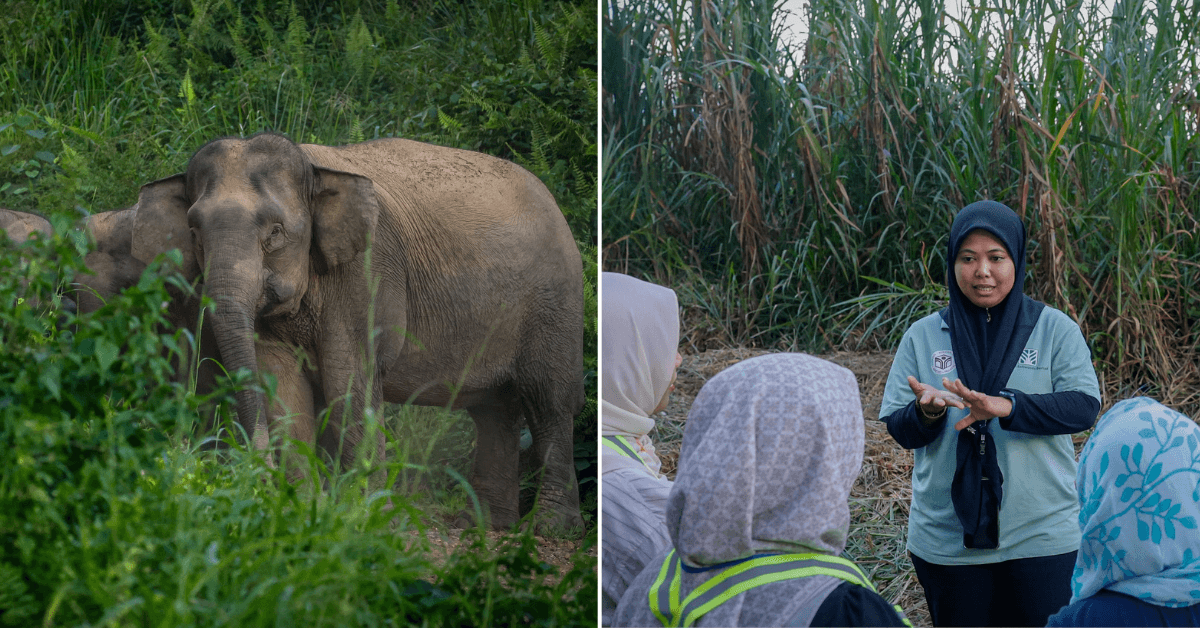
One of the biggest challenges is the growing number of encounters between humans and wildlife, particularly the endangered Borneo elephant.
To reduce these conflicts, the Malaysian Palm Oil Green Conservation Foundation (MPOGCF), Sabah Softwoods Berhad (SSB), and the Sabah Wildlife Department are working together on a research project that uses Napier grass as an alternative food source for elephants.
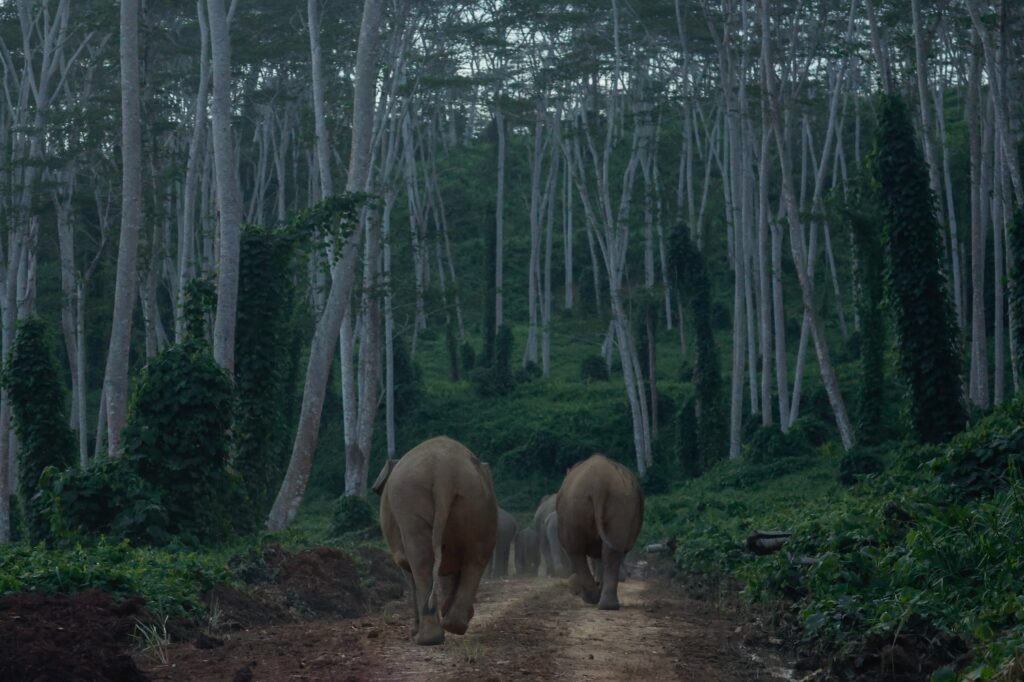
The project involves planting Napier grass inside designated wildlife corridors that connect the Ulu Kalumpang Forest Reserve and Ulu Segama Forest Reserve in Tawau
Rather than searching for food inside commercial plantations, elephants are encouraged to feed within these corridors, where the grass is readily available.
If successful, the approach could reduce crop damage while allowing elephants to continue moving safely through their natural range.
The two-year project runs from 2025 to 2026 and covers about 15 hectares.
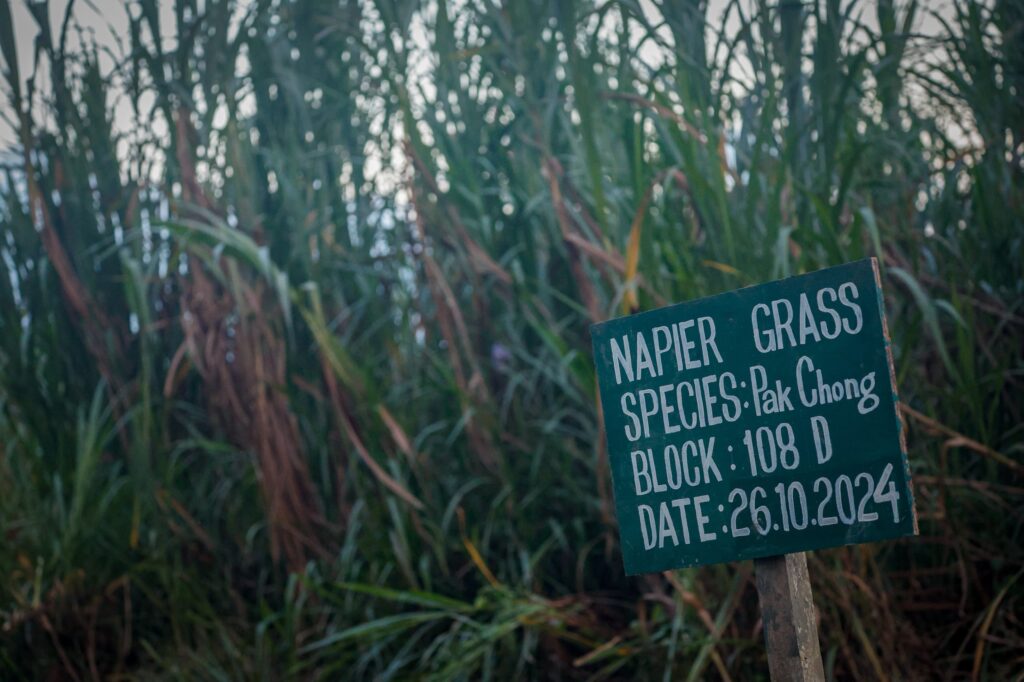
The project is being carried out with researchers from Universiti Putra Malaysia (UPM), who are comparing two varieties of Napier grass
Right now, the two types include Napier Pakchong from Thailand and Napier Taiwan.
Both varieties were chosen because they are nutritious, grow quickly, and are easy to cultivate.
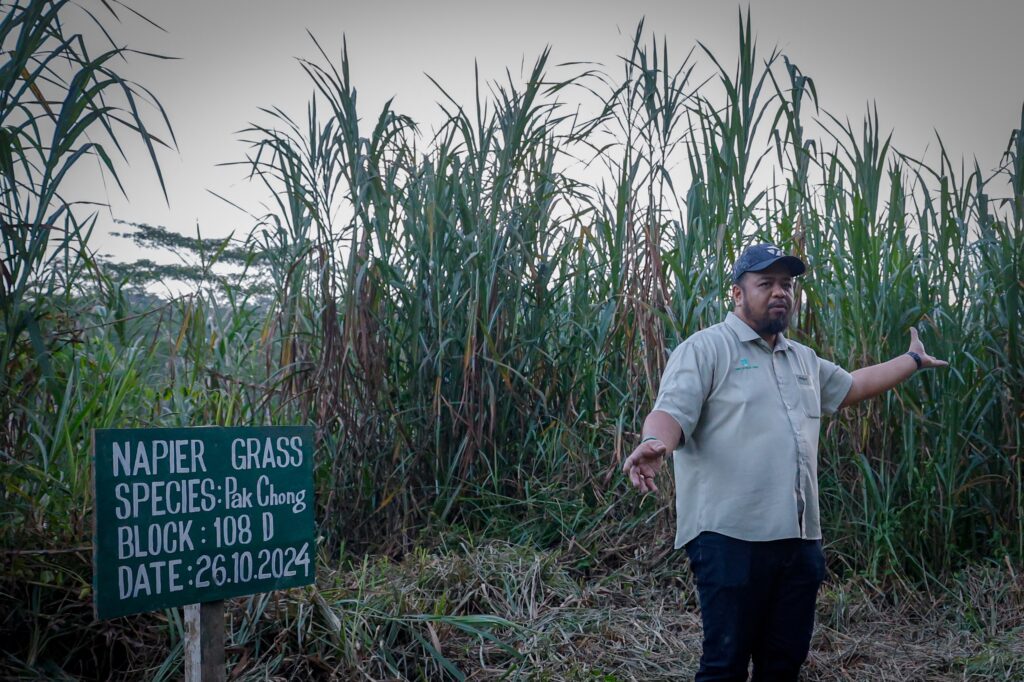
Previous studies have shown they work well as livestock feed, but researchers now want to know whether Borneo elephants are equally willing to eat them instead of their natural food sources.
Additionally, the researchers are also using several scientific methods to monitor elephant behaviour
These tools include:
- Camera traps
- GPS tracking
- Behavioural observations
- Dung sample analysis
These tools allow researchers to study where elephants travel, what they eat, and whether the planted food sources influence their movements.
According to SSB Sustainability Manager Mohd Hafizzul Samutu, early monitoring has already shown several elephant groups entering the newly established feeding areas.
While that is an encouraging sign, he said the project's effectiveness can only be confirmed after the scientific analysis is completed. Preliminary findings are expected within the next two months before being compiled into the research report.
Ultimately, the data collected will help MPOGCF, Sabah Softwoods Berhad, and the Sabah Wildlife Department improve the way wildlife corridors are managed
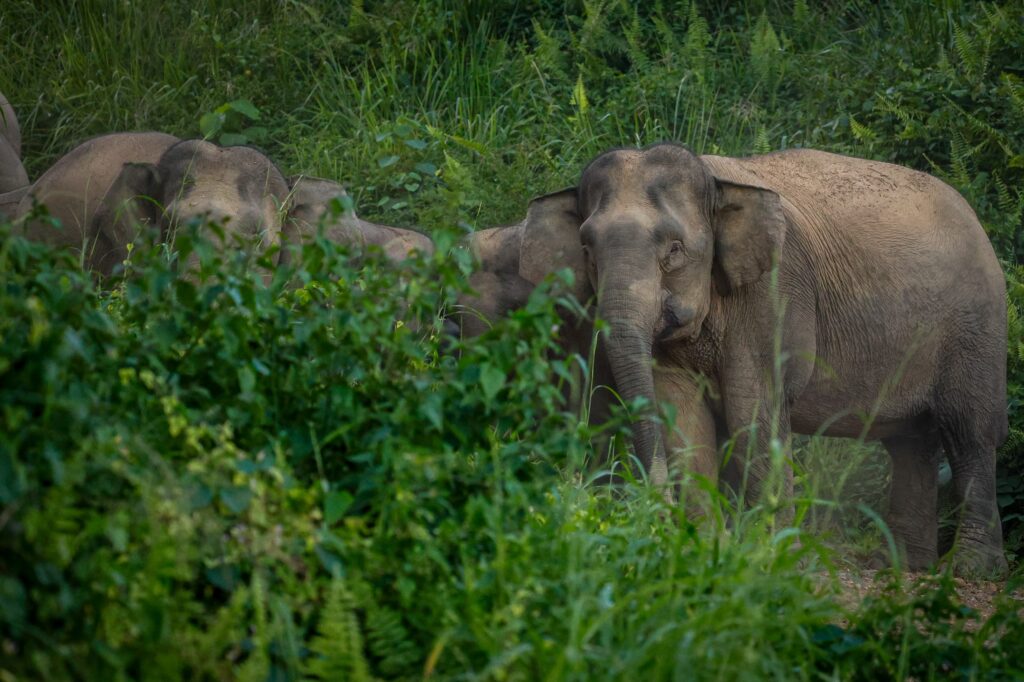
The long-term aim is to reduce conflicts between people and elephants by ensuring the animals have enough food and safe routes between forests despite ongoing development.
The project also reflects a broader effort to balance palm oil product with biodiversity conservation through science-based management instead of relying solely on reactive measures after conflicts occur.
