
Singaporeans Set To Spend RM3.5 Billion More In Johor Bahru Every Year
A new study estimates Singaporeans could spend an extra SGD1.05 billion (RM3.5 billion) a year in Johor Bahru after the RTS Link opens, outweighing the additional spending coming into Singapore.


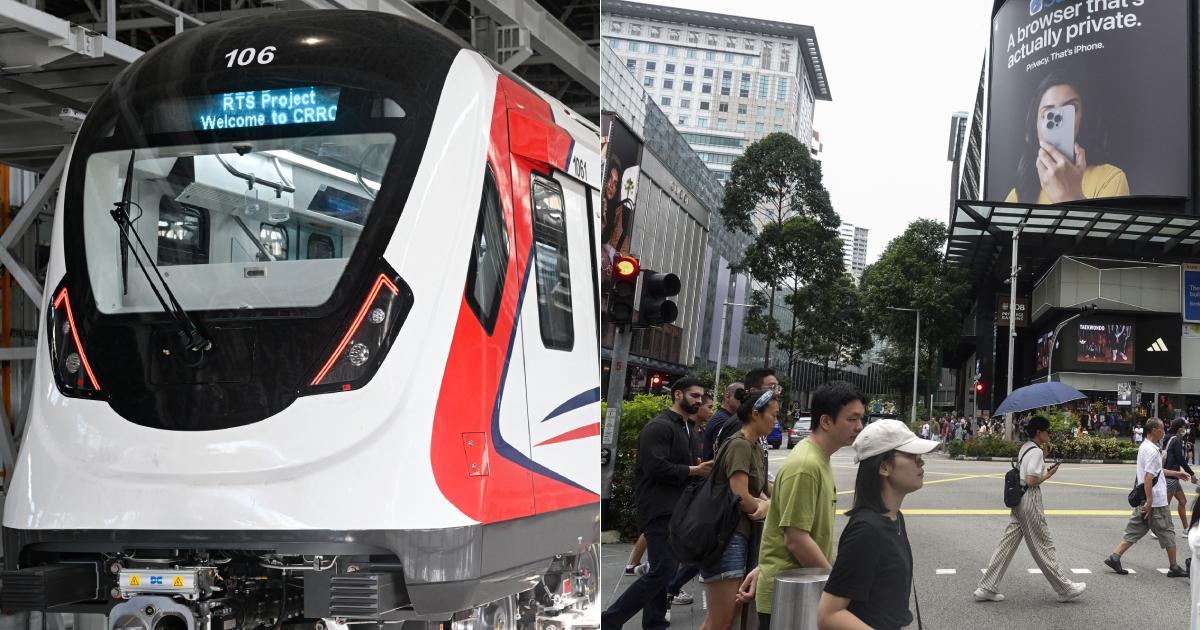 Cover image via Xinhua/Cheng Yiheng/AFP & Agoes Rudianto/Anadolu/AFP
Follow us on Instagram, TikTok, and WhatsApp for the latest stories and breaking news.
The Johor Bahru-Singapore Rapid Transit System (RTS) Link promises to make travelling across the Causeway faster and more convenient
However, Singaporean businesses fear that greater convenience could also encourage even more Singaporeans to shop and dine across the border instead.
A new study jointly commissioned by the Singapore Business Federation (SBF), Restaurant Association of Singapore (RAS), and Singapore Retailers Association (SRA) projects that Singapore consumers will spend an additional SGD1.05 billion (around RM3.5 billion) annually in Johor Bahru after the RTS Link begins operations.
While visitors from Johor are also expected to spend more in Singapore, bringing in an estimated SGD756 million (around RM2.5 billion) in extra annual spending, it would still leave Singapore with a net spending outflow of about SGD290 million (around RM915 million) every year.
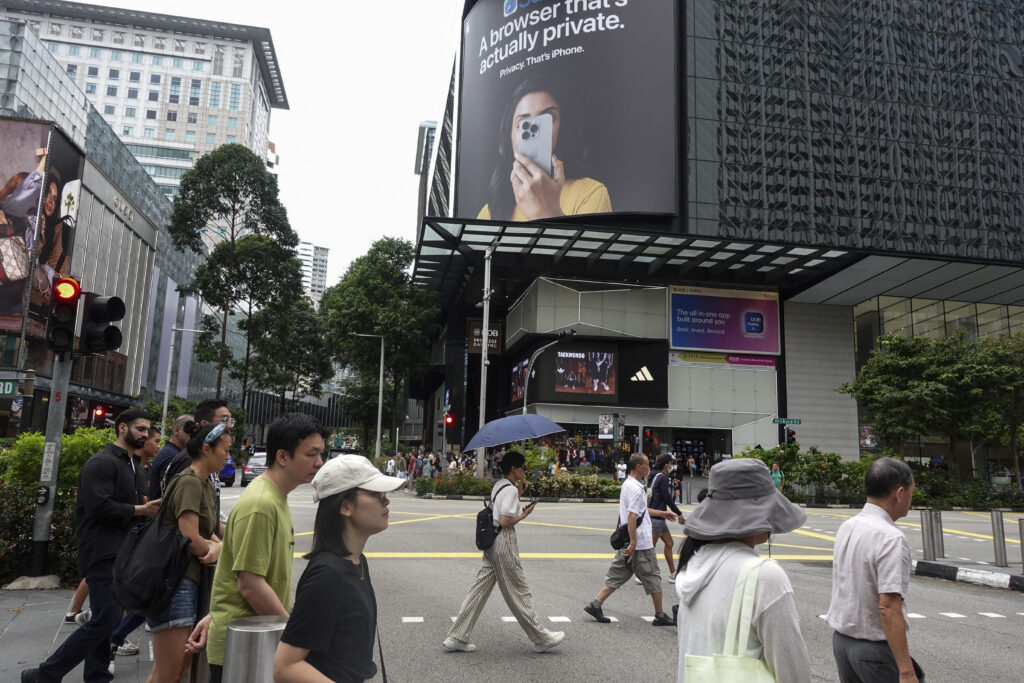
Pedestrians in the central business district in Singapore.
Image via Agoes Rudianto/Anadolu/AFPRTS could lead to millions more cross-border trips every year
According to the study, which was published today, 16 July, Singapore residents currently make around 19.4 million annual round trips to Johor Bahru using existing transport options, while JB residents make about 5.9 million trips into Singapore.
Once the RTS Link is operational, researchers expect:
- 11.2 million additional annual round trips from Singapore to JB
- 3.3 million additional annual round trips from JB to Singapore
- An average daily ridership of almost 40,000 trips
The report projects outbound trips by Singaporeans could jump by 51%, with groceries expected to account for the biggest share of spending in Johor, followed by pharmacies, restaurants, and beauty services as consumers continue seeking better value across the border.
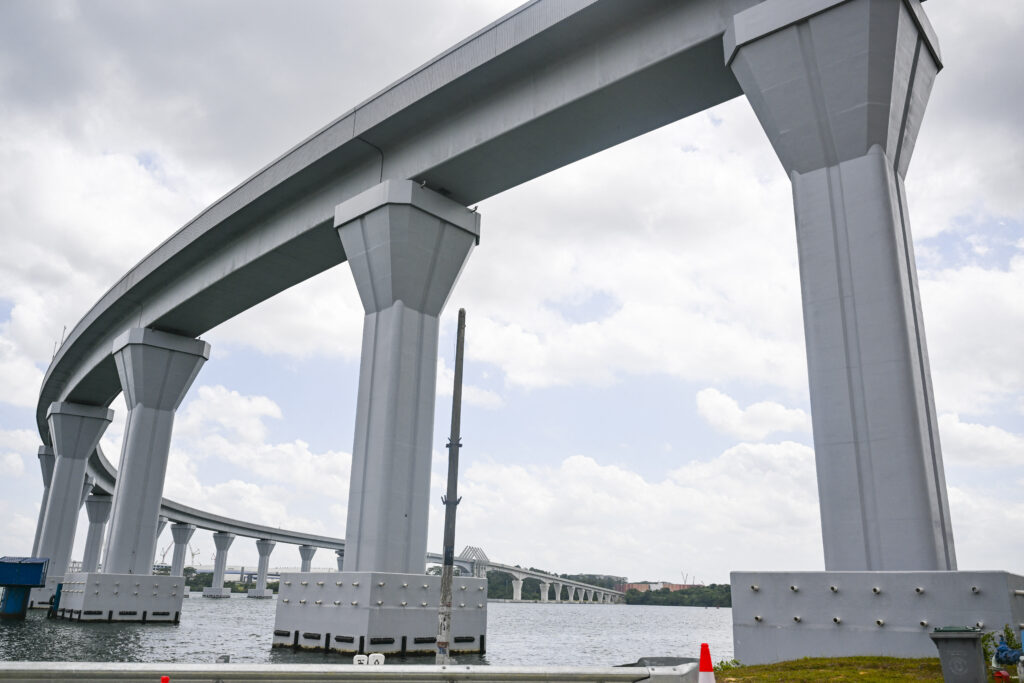
The cross-sea section of the Johor Bahru-Singapore Rapid Transit System (RTS) in Johor, Malaysia.
Image via Xinhua/Cheng Yiheng/AFPBut Singapore also expects more Malaysian visitors
The study says improved rail connectivity could encourage more Johor residents to visit Singapore for experiences they cannot easily get at home.
Among JB respondents surveyed:
- 34% said they intend to visit Singapore for events after the RTS opens, compared with 24% currently
- Public transport users are expected to increase their annual Singapore trips by 57% on average
- Many motorists said they would switch to the RTS Link, with overnight stays becoming more common
Researchers also expect recreation spending by Malaysian visitors to double, driven largely by concerts, major events and entertainment offerings.
Singapore businesses say they can't compete on price
Despite the expected influx of Malaysian visitors, businesses participating in focus group discussions admitted that matching Johor's lower prices simply isn't realistic.
Instead, retailers and F&B operators believe Singapore needs to focus on:
- Better customer service
- Unique shopping and dining experiences
- Products and concepts that cannot easily be found across the border
Many businesses, particularly SMEs, also said rising labour costs, manpower shortages, and compliance requirements make it harder to innovate or respond quickly to increased competition.
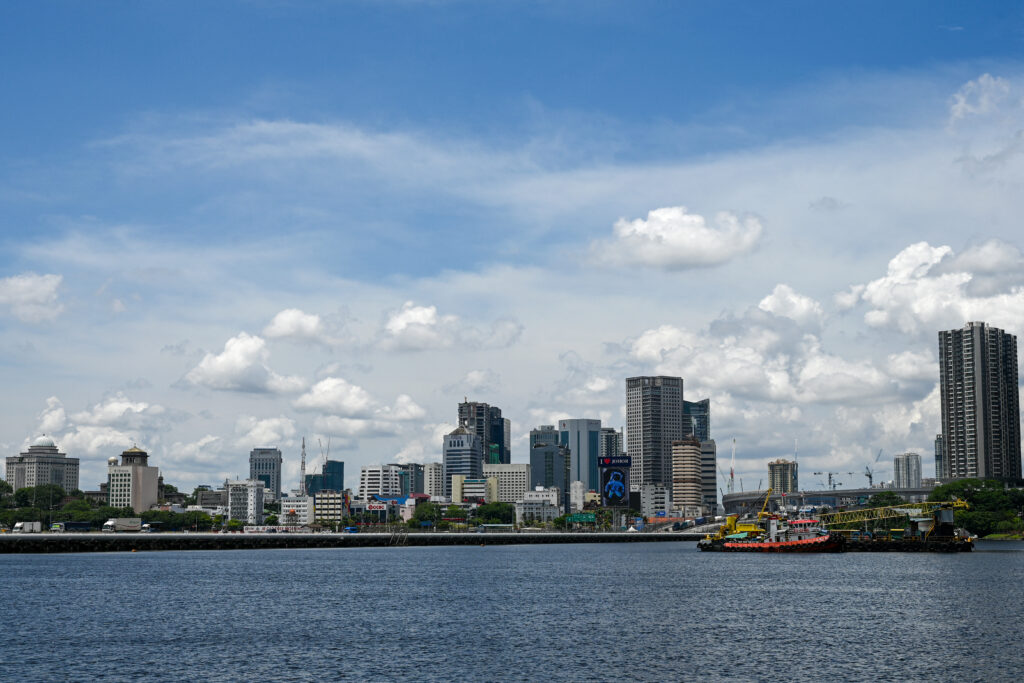
Vehicles (L) travel across the causeway link from Malaysia's Southern state of Johor to Woodlands immigration checkpoint in Singapore
Image via Roslan Rahman/AFPIndustry groups want government support
The study outlines three key priorities to help businesses adapt once the RTS Link opens:
- Introduce measures to encourage Singaporeans to spend more locally, including expanding or enhancing consumption voucher schemes
- Attract RTS passengers to stay longer and spend more through events, entertainment and tourism offerings
- Help retail and F&B businesses cope with higher competition through manpower support, lower operating costs and greater flexibility
Among the recommendations are extending tourist tax refunds to travellers leaving Singapore via land checkpoints, creating more cross-border promotions between Singapore and Johor, investing in more large-scale events outside the city centre, and providing temporary manpower and rental support for affected businesses.
Singapore Business Federation CEO Kok Ping Soon described the RTS Link as a "structural" change rather than an incremental one, saying businesses will need to compete on quality, experiences, and productivity instead of price alone.
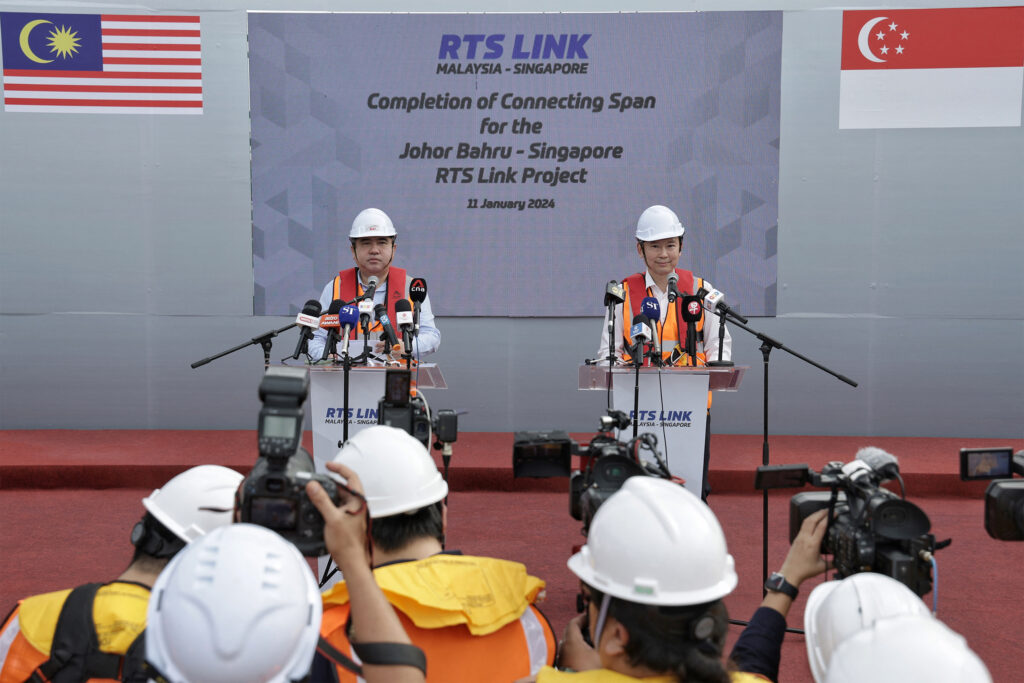
Singapore's Acting Transport Minister Chee Hong Tat (right) and Malaysian Transport Minister Anthony Loke at a press conference after an event to mark a construction milestone for the Rapid Transit System (RTS) Link, 11 January 2024.
Image via Kevin Lim/ST/SPH Media/AFP