
US Tightens AI Chip Rules For Malaysia. Here’s What Data Centre Operators Need To Know
Malaysia is among five countries facing new US licensing requirements for advanced semiconductors, while overseas data centres supplying computing power to Chinese companies will also face tighter restrictions.


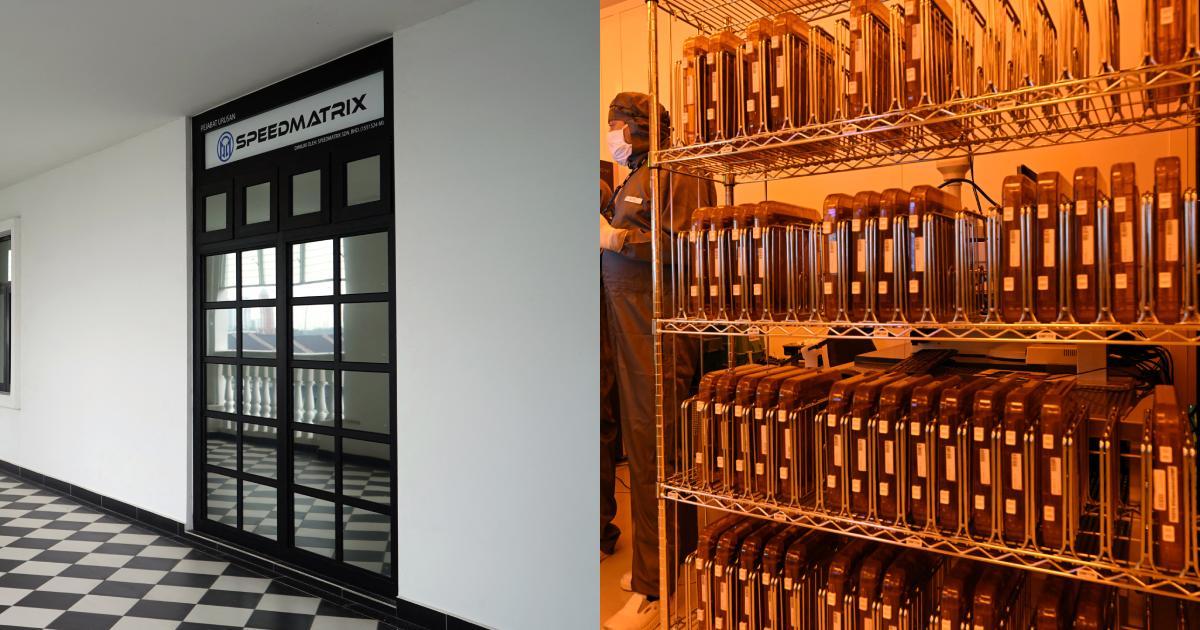 Cover image via Taryn NG/AFP & Martin Schutt/dpa/AFP
Follow us on Instagram, TikTok, and WhatsApp for the latest stories and breaking news.
Malaysia is among five countries that will face tighter US export controls on advanced artificial intelligence (AI) chips, under new rules introduced by the US Department of Commerce
The rules will require licences for the export, re-export, and transfer of certain advanced semiconductors to or within Malaysia, Singapore, Indonesia, Thailand, and Brazil.
The move could affect how Malaysian data centre operators, cloud computing companies, and other businesses obtain and use advanced computing hardware, particularly Nvidia GPUs.
It also introduces new restrictions on overseas data centres that allow companies based in China and other restricted jurisdictions to remotely access large amounts of computing power.
The US said the measures are intended to prevent companies from circumventing its technology export restrictions by accessing advanced chips through data centres located in third countries.
The development comes amid increased scrutiny of international chip supply chains following allegations that advanced Nvidia chips were being diverted to China through overseas data centre operations.
Photo illustration of the NVIDIA logo is displayed on a smartphone screen in front of a computer screen showing a technological computer chipset environment.
Image via Gene Medi/NurPhoto/AFP1. Why is the US tightening its AI chip export rules?
The US Department of Commerce's Bureau of Industry and Security (BIS) announced the new interim final rule on 16 November, which is scheduled to be published in the US Federal Register on 19 November.
It is intended to prevent foreign companies from accessing advanced American computing technology in ways that could threaten US national security and foreign policy interests.
Previously, US export restrictions focused heavily on preventing certain advanced chips from being sold directly to restricted companies and destinations. However, companies unable to purchase those chips could still potentially access their computing power by renting capacity from data centres in countries where the hardware was permitted.
The new rule seeks to close that loophole by regulating not only where advanced chips are sent, but also how the computing power generated by those chips is accessed. This means data centre operators and chip suppliers will face stricter checks on who ultimately owns, controls, and uses their computing infrastructure.
2. Malaysia is among five countries requiring US licences for advanced chips
Under the new rules, exporters will generally need US approval before shipping certain advanced semiconductors to, or transferring them within, five countries:
- Malaysia
- Singapore
- Indonesia
- Thailand
- Brazil
The licensing requirement covers specified advanced computing chips, including certain graphics processing units (GPUs), as well as related equipment, software, and technology.
It does not mean every semiconductor imported into these countries will require a US licence. The controls apply to specific categories of advanced computing items covered by US export regulations, including chips classified under certain technical export-control categories.
Applications will be assessed on a case-by-case basis, with the US considering whether the transaction could undermine its national security or foreign policy interests. The rule also allows the US to add more countries to the list if its authorities identify further destinations with a higher risk of technology diversion.

3. Are US companies exempt from the new licensing requirements?
Yes, but the exemption comes with conditions.
The new licensing requirement for the five countries will not apply to covered semiconductors destined for companies headquartered in the US, or companies whose ultimate parent company is headquartered there. However, exporters, re-exporters, and parties transferring the chips must comply with additional reporting requirements.
These include providing information about the companies involved in the transaction, their ownership, the destination of the chips, their product classifications, and processing capabilities. The reports must be submitted monthly to US authorities.
This means a US-headquartered technology company operating a data centre in Malaysia could qualify for the exemption, provided the relevant conditions are met.
However, Malaysian companies receiving covered chips directly cannot automatically claim the same exemption simply because they operate in the same country as a US technology company.
4. Data centres serving Chinese companies will face separate restrictions
The new rules also target a different part of the supply chain: overseas data centres that allow companies in China and other restricted jurisdictions to remotely access advanced computing power.
Under the regulations, companies cannot knowingly export, re-export, or transfer covered advanced computing items to data centres that provide more than 12 million aggregate total processing performance (TPP) to companies headquartered in China, Macau, or other destinations listed under the US's restricted Country Group D:5.
This applies even when the physical data centre is located outside those restricted destinations. In other words, a company based in China could potentially access advanced American computing technology through a data centre in Malaysia without physically importing the chips into China.
The new rules are intended to prevent this type of arrangement from being used to bypass existing export restrictions.
Data centre operators, chip exporters, and foreign semiconductor manufacturers will also have to conduct more extensive customer checks.
These include investigating whether their customers are directly or indirectly owned or controlled by individuals or companies based in restricted destinations.
Existing data centres already providing significant computing capacity to companies in those jurisdictions will have 90 days from the rule's effective date to obtain the necessary licence if they want to continue doing so.
There is an exemption for computing systems used exclusively for commercial recommendation services, such as suggesting products to online shoppers or recommending content on social media platforms. However, this exemption does not cover general-purpose AI systems that generate new text, images, audio, video, or software.

This photo shows audio microphone chips at a workshop in Hainan Hangxin High-Tech Industrial Park in Haikou, south China's Hainan Province.
Image via Xinhua/Guo Cheng/AFP5. What does this mean for Malaysian data centre operators?
The new rules could make it more complicated for Malaysian businesses to procure certain advanced AI chips, particularly if they do not qualify for the US-headquartered company exemption.
Data centre operators may need to account for additional licensing procedures, reporting obligations, and checks on the ownership and location of their customers.
Companies renting out computing capacity will also need to understand who ultimately uses their infrastructure, rather than simply knowing which business signed the contract.
This could be particularly relevant for Malaysian facilities serving international cloud computing companies and businesses with customers in China.
According to UOB Kay Hian, the impact on Malaysia will depend largely on the ownership of companies receiving the chips and the end-users accessing the computing capacity.
The investment research firm said US cloud providers bringing advanced chips into Malaysia for their own operations could qualify for the exemption, provided they meet the reporting requirements.
However, Malaysian data centre operators receiving covered chips directly could face additional licensing requirements, while facilities supplying substantial computing capacity to customers in restricted jurisdictions could face further scrutiny.
The rules do not mean Malaysia's data centre industry will be shut out of advanced AI hardware.
However, businesses will have to pay closer attention to the ownership structures of their customers, where their computing capacity is being used, and whether their chip procurement arrangements comply with US export controls.
6. How does this affect the Speedmatrix investigation?
The new US restrictions come as Malaysian authorities are already investigating whether advanced Nvidia AI chips imported by Speedmatrix Sdn Bhd were subsequently re-exported to other countries.
Speedmatrix is a Malaysian affiliate of Singapore-based Megaspeed International, which has come under scrutiny over allegations that advanced Nvidia chips were diverted to China.
On 13 November, the Ministry of Investment, Trade, and Industry (MITI) said it was working with the Royal Malaysian Customs Department to determine whether any chips brought into the country had been re-exported in breach of Malaysian law.
The ministry also clarified that importing AI chips into Malaysia does not currently require a permit or licence.
However, since July 2025, companies seeking to export, re-export, transship or transit high-performance US AI chips from or through Malaysia must obtain a permit under the Strategic Trade Act 2010.
MITI also said Malaysia does not enforce unilateral export controls imposed by other countries, although businesses operating locally are expected to take such controls into account in their international dealings.
The new US rule is a separate measure. It does not replace Malaysia's existing requirements, but introduces additional obligations under US export-control regulations for covered transactions.
Importantly, the new rule does not name Megaspeed or Speedmatrix. It establishes broader controls covering advanced chip shipments and overseas computing facilities.
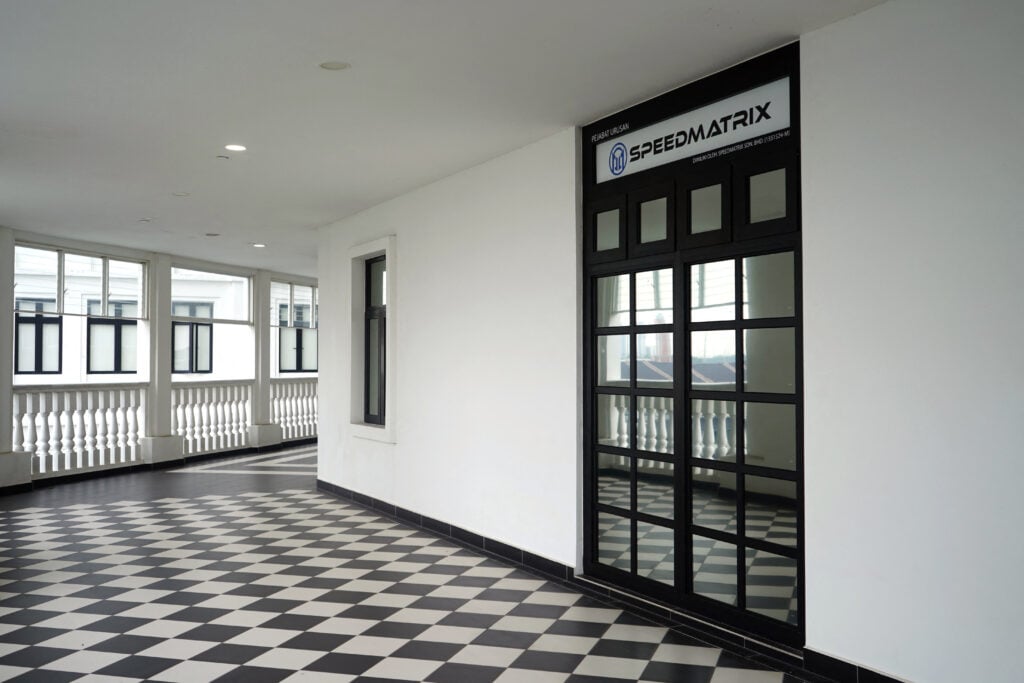
The logo of Speedmatrix, one of Megaspeed's Malaysia subsidiaries, is pictured at an office in the Eco Botanic township in Malaysia's southern state of Johor.
Image via Taryn NG/AFP