
4 Things You Need To Know About China’s Crackdown On AI Companions
These policies are implemented to reverse China's plummeting birth rate.


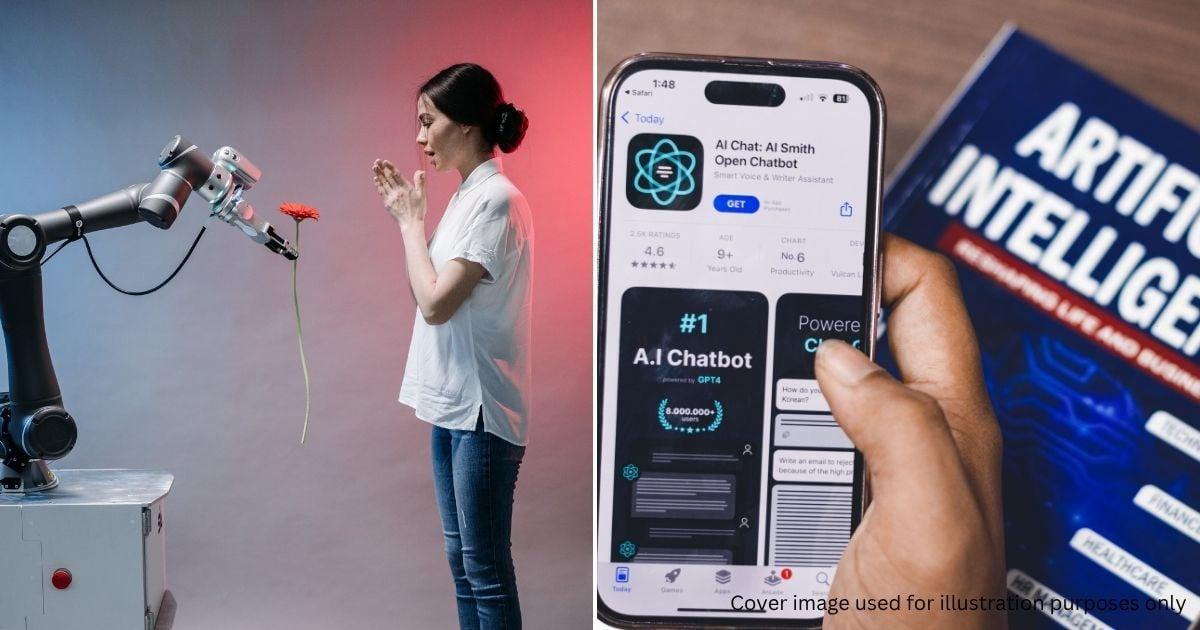 Cover image via
 Follow us on Instagram, TikTok, and WhatsApp for the latest stories and breaking news.
The generative AI landscape has undergone a major regulatory shift after China officially implemented the world's first comprehensive national policy governing anthropomorphic AI companion applications
Taking effect on 15 July, the guidelines were jointly issued by five federal agencies, including the Cyberspace Administration of China, and have prompted tech companies to review or remove virtual relationship features to avoid potential regulatory violations, according to ABC News.
The crackdown has disrupted services used by millions of users who turned to virtual companions for emotional support and daily interactions.
1. The new regulation and its timeline
The new legal framework represents a coordinated effort by five government agencies to establish clearer boundaries for generative AI applications.
The policy introduces stricter requirements for platforms that simulate human romance or provide emotional companionship. Regulators have targeted customisable systems that allow users to create virtual soulmates, placing greater oversight on a sector that previously operated with fewer restrictions.

Image used for illustration purposes only.
Image via Tech Wire Asia2. Redefining AI boundaries and emotional memory limits
Under the new rules, developers must ensure that their algorithms do not excessively encourage user engagement, engineer foster emotional dependencies, or negatively affect real-world human relationships.
To remain operational, applications must include transparent anti-addiction guardrails, including mandatory pop-up usage notifications, real-time reminders that the AI is not human, and limits on how long the system can retain emotional memories.
The regulatory framework does not apply to strictly utilitarian applications, such as digital customer service representatives, academic tutoring resources, and corporate workplace assistants, as long as they do not encourage prolonged emotional bonding.
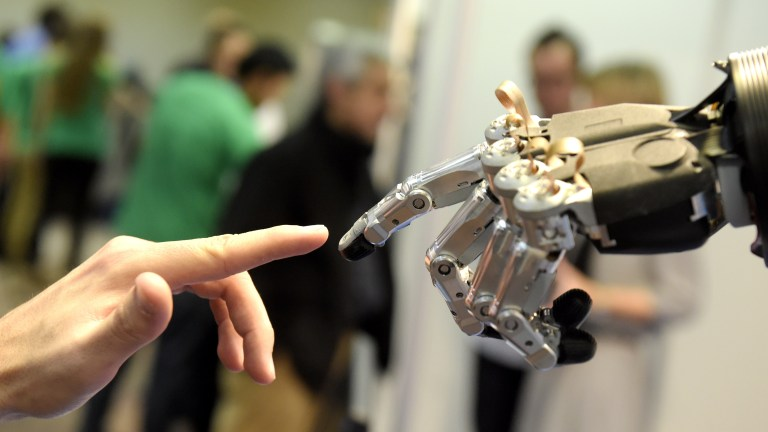
Image used for illustration purposes only.
Image via Big Think3. Tech giants suspend companion features instead of adapting
Faced with the challenge of adjusting their systems to meet the new requirements, industry leaders have chosen to suspend AI companion features instead.
ByteDance suspended the highly popular agent features within its Doubao chatbot, while Alibaba and Tencent also closed related functions across their Qwen and Yuanbao platforms.
To manage the transition, ByteDance is allowing Doubao users to export their conversation data until mid-October 2026, before directing them to a separate app called Maoxiang, which is designed to provide AI companion features under the new regulatory framework.
Meanwhile, platforms like Alibaba's Qwen have not announced similar data retrieval options, leaving some users unable to preserve their previous AI interactions.
4. Public reaction and demographic concerns
The shutdown of these platforms triggered emotional reactions on Chinese social media networks like Weibo, where users shared their distress over the sudden loss of their virtual partners.
Many users posted digital archives of their interactions, describing their custom AI boyfriends and girlfriends as important sources of emotional support and companionship.
Chinese authorities have linked the regulatory push to broader efforts to reverse plummeting marriage and birth rates, amid concerns that AI relationships could affect real-life intimacy. However, sociologists argue that economic pressure and urban loneliness are also major factors behind the growing appeal of digital intimacy among younger generations.

Image used for illustration purposes only.
Image via Ron Lach/PexelsChina's regulatory approach serves as a case study as the Malaysian Communications and Multimedia Commission (MCMC) continues to evaluate its own long-term generative AI policies and content guidelines
While Malaysia has not placed restrictions on synthetic emotional interactions, local psychiatric groups and digital watchdogs have raised similar concerns regarding the unregulated growth of AI relationship software among tech-dependent youths.
As adoption of conversational AI grows, Beijing's approach underscores the expanding debate surrounding digital health, consumer protection, and the potential social impacts of immersive emotional technologies.
