
How To Prepare For A Major Digital Blackout Caused By Cyberattacks In Malaysia
A major tech blackout could disrupt everything from payments to water supply. Here's how Malaysians can prepare to survive a 72-hour grid failure.


 Cover image via
Follow us on Instagram, TikTok, and WhatsApp for the latest stories and breaking news.
Recently, viral social media posts have sparked panic by claiming that over 30 countries are suddenly stockpiling food
Fortunately, the reality is far more grounded.
Governments are not preparing for global starvation. They are updating routine civil defence guidelines to address modern vulnerabilities, specifically severe electrical grid failures and cyberattacks on critical infrastructure.
For Malaysians, the primary concern is not empty supermarket shelves, but a sudden, widespread technological blackout.
When a severe outage or a targeted cyber disruption occurs, the digital infrastructure we take for granted, including personal banking apps, payment platforms, cellular base stations, and even automated condo water pumps, can stop working simultaneously.
Here's how to prepare for and navigate a sudden digital and electrical blackout in Malaysia, based on guidance from the National Disaster Management Agency (NADMA), Tenaga Nasional Berhad (TNB), and national cybersecurity bodies
Modern Malaysian commerce is heavily reliant on QR payments and ewallets.
A major telecommunications outage or cyber incident targeting payment gateways could immediately paralyse cashless transactions.
1. Maintain an 'Offline Cash Reserve'
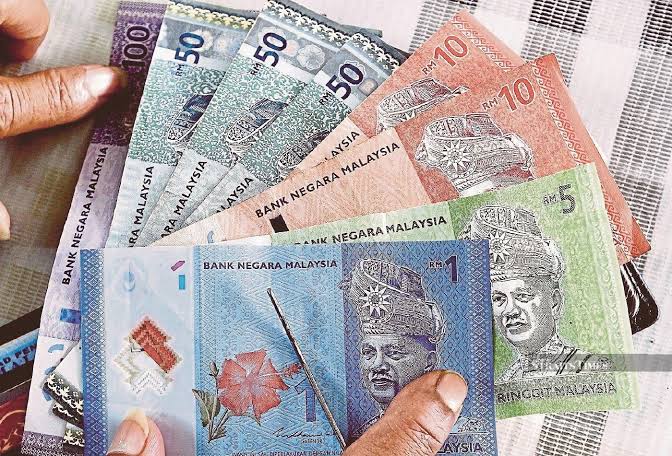
Keep a baseline emergency reserve of physical ringgit notes at home, focusing on small denominations (RM5, RM10, and RM20).
Remember that ATMs depend on both power and telco fibre connections. If either goes down, you may not be able to withdraw cash.
2. Keep physical ID and transit cards handy
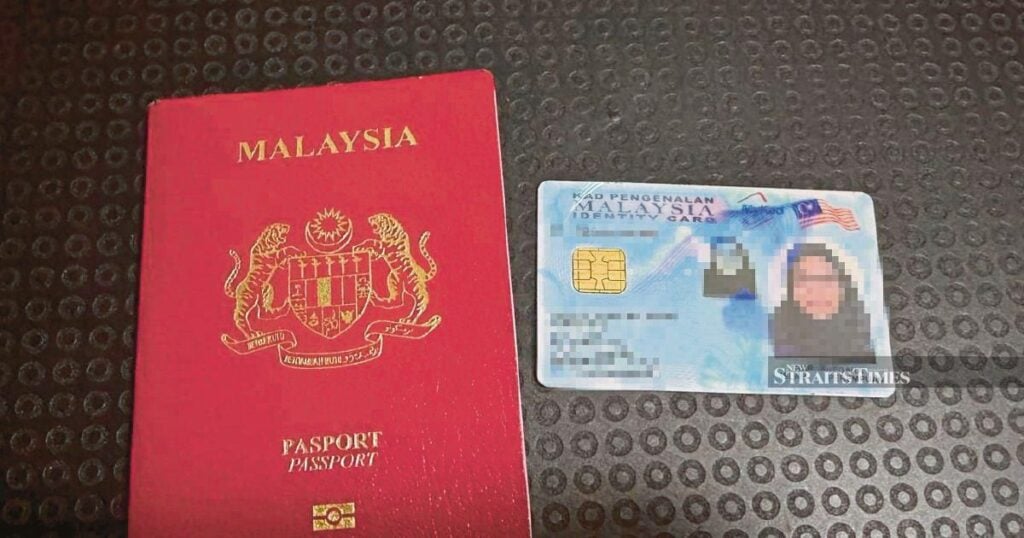
Ensure your physical MyKad, physical Touch 'n Go cards, and driving licence are accessible.
If mobile networks fail, digital apps like MyJPJ or ewallet cards cannot authenticate you at toll booths, transit gantries, or roadblocks.
3. Create offline digital backups
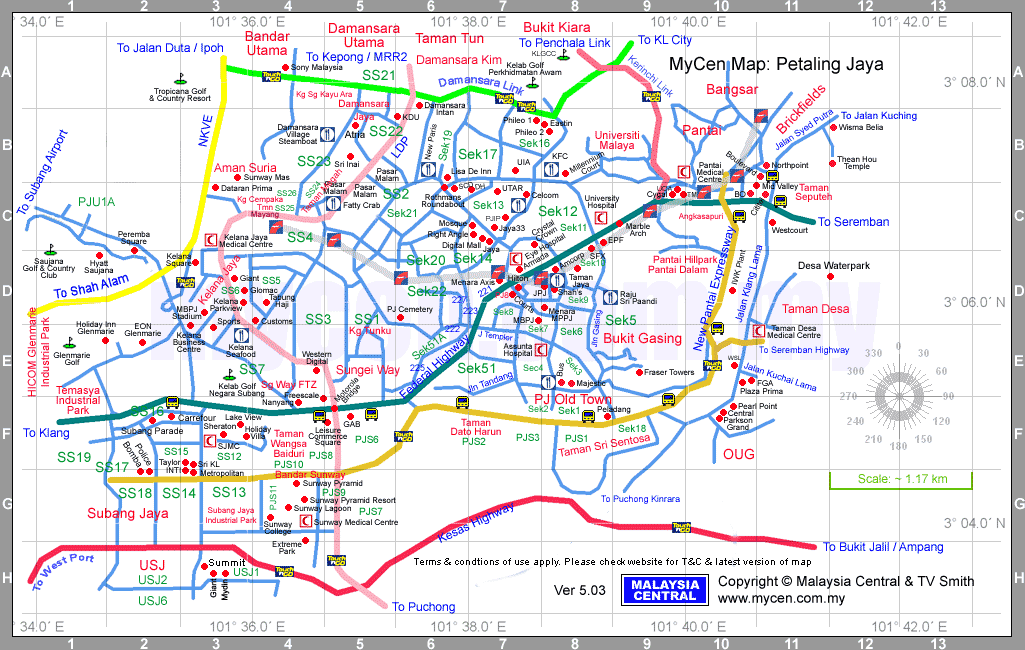
Download offline maps for your local district and save critical contact numbers in a physical notebook rather than relying solely on cloud synchronisation.
When the power suddenly goes out across a large area, taking immediate precautions at home can prevent costly damage and protect vital resources.
4. Unplug sensitive appliances immediately
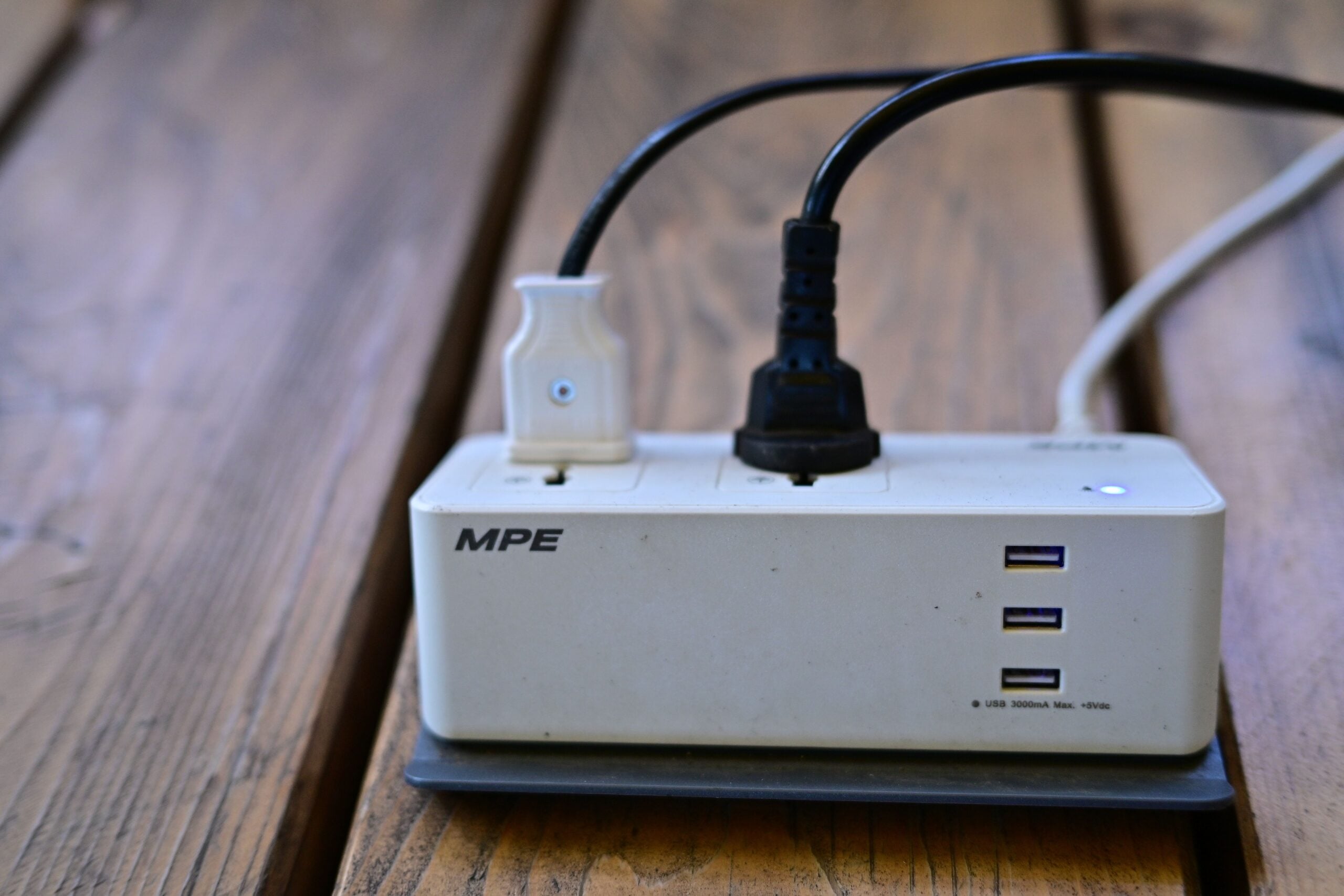
Leave one light switched on so you know when power is restored. Unplug laptops, televisions, desktop PCs, modems, and inverter air conditioners.
When TNB restores power to major substations, power surges could damage unprotected electronic devices and circuit boards.
5. Store water right away

In Malaysia, multi-storey condominiums rely on electric booster pumps, while municipal water treatment plants depend on a steady electrical supply.
If water is still running when the grid fails, fill clean storage pails, kettles, and bathtubs immediately for drinking and sanitation before water pressure drops.
6. Preserve the 'cold chain'

According to food safety guidelines, an unopened refrigerator can keep food at a safe temperature for about four hours.
A full, unopened freezer can maintain its temperature for up to 48 hours (or 24 hours if half-full).
Consume perishable cooked foods and dairy products first before turning to shelf-stable items such as canned goods.
7. Manage heat and ventilation
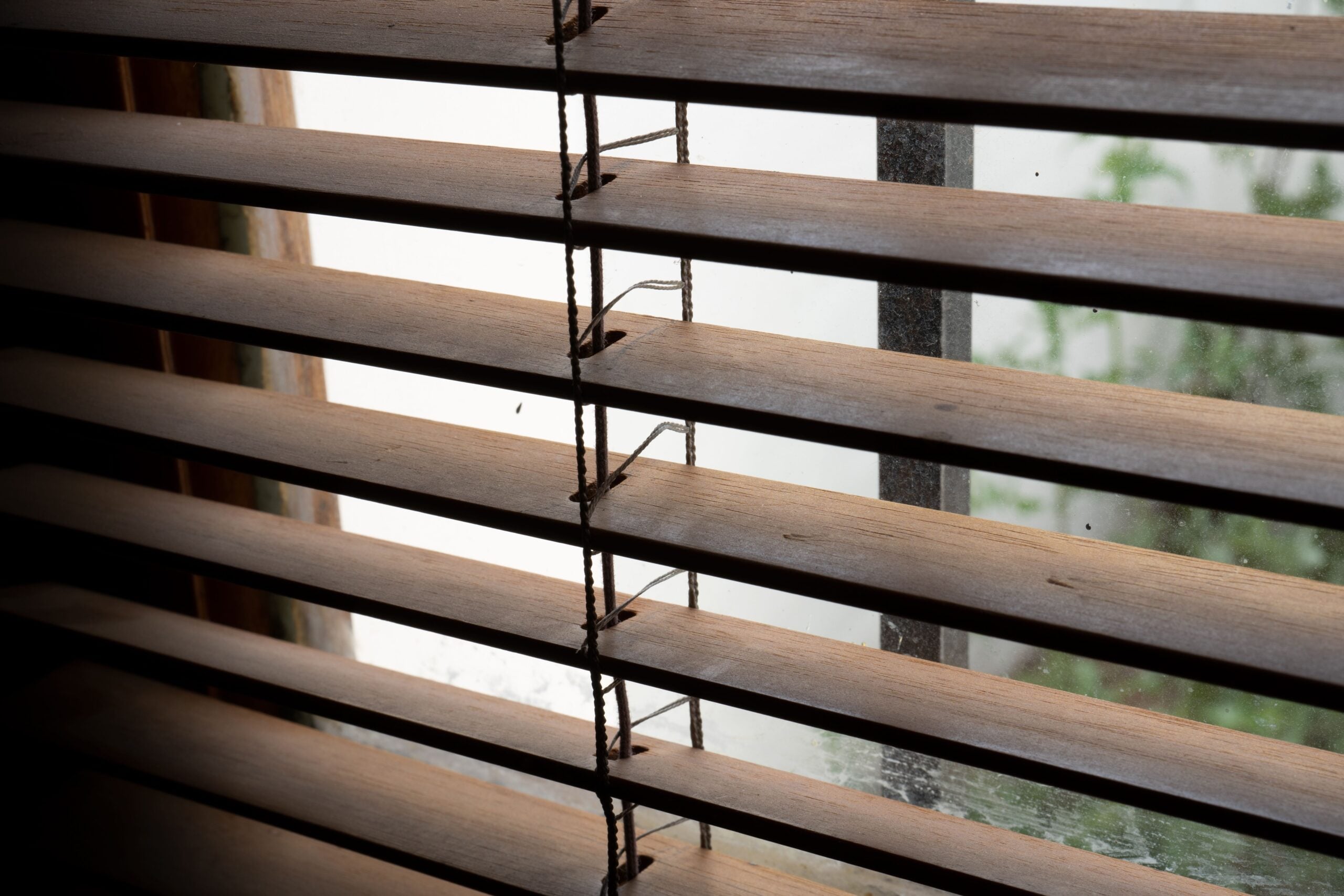
Given Malaysia's tropical humidity, shutter blinds or blackout curtains on sun-facing windows to block radiant heat.
Open windows on opposite sides of your home to create cross-ventilation, and use battery-operated portable USB fans to stay cool.
If the disruption is caused by a state-level cyberattack or ransomware targeting Critical National Information Infrastructure (CNII), such as utilities or banks, confusion and misinformation could spread rapidly.
8. Verify information through official broadcast channels

In an infrastructure-level cyber crisis, online social channels get flooded with unverified voice notes and phishing scams.
Rely on analogue radio broadcasts (keep a basic battery-powered AM/FM radio tuned to RTM) or direct SMS alerts from the Malaysian Communications and Multimedia Commission (MCMC) and NADMA.
9. Watch for 'disruption phishing'
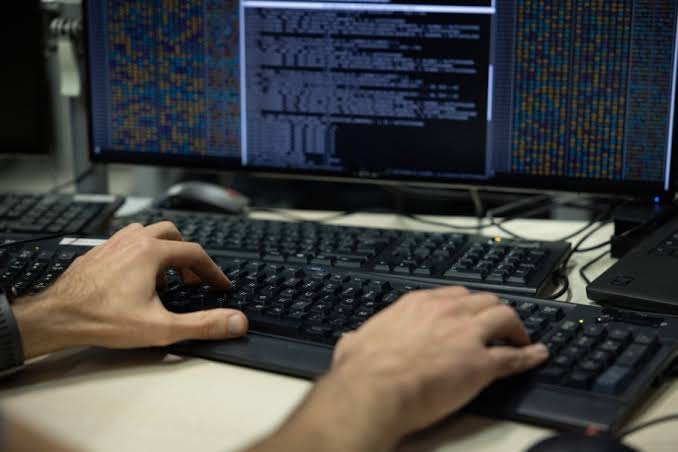
Threat actors exploit confusion during emergencies. Be wary of text messages or emails claiming: "Your TNB account is suspended due to grid maintenance, click here to reactivate" or "Bank server migration: update your TAC immediately."
Legitimate agencies will never ask for login credentials during a restoration window.
10. Report incidents swiftly

If you notice unauthorised banking transactions or identity theft during a breach, report it immediately to the National Scam Response Centre (NSRC) at 997 or CyberSecurity Malaysia's Cyber999 hotline.
NADMA advises all Malaysian households to maintain an emergency bag (beg kecemasan) that is ready to grab within minutes
This prevents emergency services from being overwhelmed during the critical first 72 hours of an emergency. Your bag should include:
- Water and Nutrition: Three litres of potable bottled water per person per day, paired with shelf-stable, ready-to-eat foods (canned tuna or sardines, energy bars, vacuum-packed crackers, and UHT milk).
- Power and Illumination: High-capacity power banks (keep them charged at 80–100%), LED flashlights or headlamps (which are much safer than candles to avoid fire hazards), and spare batteries.
- Medical and Sanitation: A compact first-aid kit, a seven-day supply of personal prescription medication, water purification tablets, moist towelettes, and oral rehydration salts.
- Identity and Papers: A waterproof pouch containing certified photocopies or thumb drives with MyKad copies, insurance policies, land titles, and your emergency cash.
Here are essential emergency contacts to remember:
- MERS (General Emergency / Police / Bomba / Ambulance): 999
- TNB CareLine (Power Outage Reporting): 15454
- Cyber999 Incident Response (Cyber Threats / Hacking): 1-300-88-2999 or +6019-2665850
- National Scam Response Centre (NSRC): 997
Preparing for a tech disruption isn't about giving in to panic. It is an act of civic responsibility.
By ensuring your household can comfortably weather a 72-hour digital or electrical blackout, you protect your finances, secure your basic needs, and allow emergency responders to focus on the most vulnerable.
