
Why The Kelantan Dialect Sounds So Different & How You Can “Kecek Kelate”
"Oh my Kelate!"



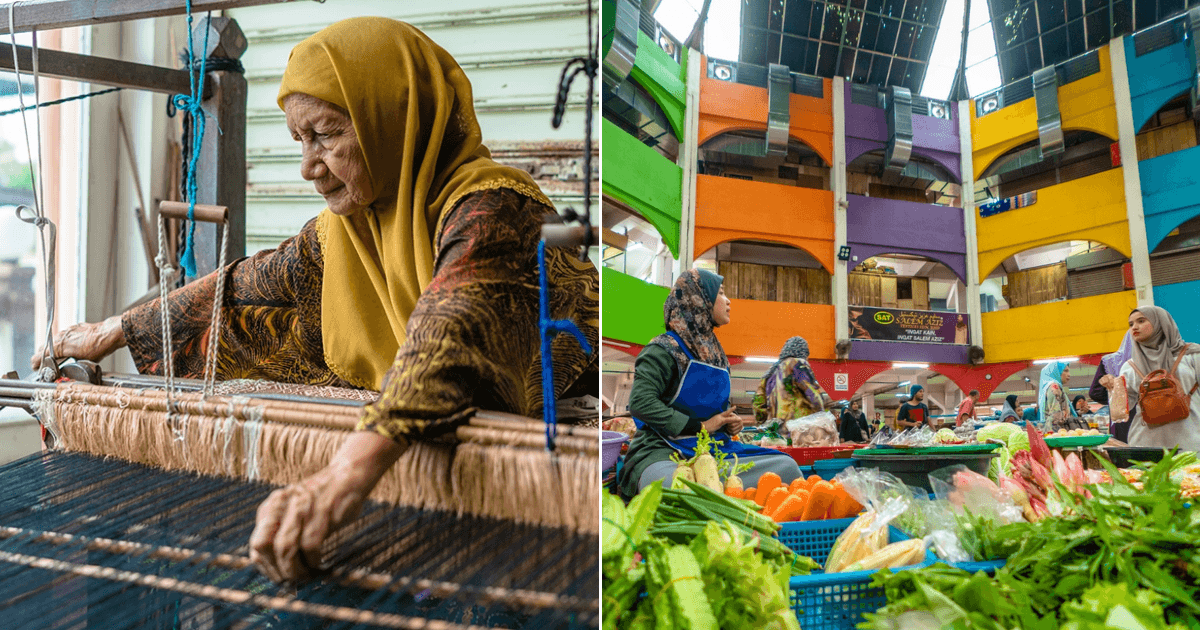 Cover image via Tourism Kelantan
Follow us on Instagram, TikTok, and WhatsApp for the latest stories and breaking news.
First off, how much of this Kelantanese sentence do you get?
"Ore kelate oyak, 'sek kito jange pecoh'. Kalu mu pehe, maghi sikkabu deh!"
Here's what it actually translates to:
"There's a saying, 'Our people should stick together'. If you understand this, I'll treat you to nasi kerabu!"
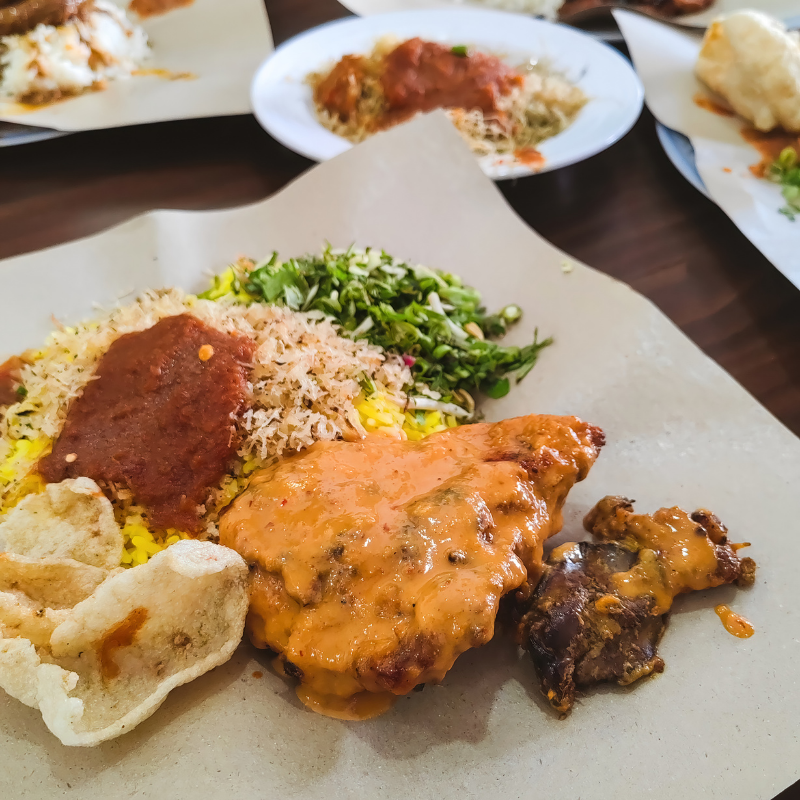
If you only got two words out of that whole thing, don't worry, you're not alone.
Even Malaysians who grew up speaking Bahasa Malaysia their whole lives can struggle to understand the Kelantan dialect, which has its own sound system, vocabulary, and grammar patterns.
Here are a few things that make Kelantanese Malay distinct:
1. Final consonants often disappear or soften
Words ending in -n, -m, or -ng in Bahasa Malaysia frequently shift toward a nasalised vowel sound in Kelantanese. "Makan" becomes something closer to "make" with a nasal trail.
2. The "a" at the end of words often becomes "o"
This is probably the single most recognisable feature of the dialect. "Apa" turns into "gapo", "mana" turns into "mano".
3. A completely different set of everyday words exist
Not just slang, but core vocabulary that has no obvious link to the Bahasa Malaysia equivalent. Here's a quick vocab cheat sheet to see just how different they can be:
| Bahasa Malaysia | Kelantan dialect | English |
| Apa | Gapo | What |
| Tidak | Dok | No/not |
| Kenapa | Bakpo | Why |
| Awak/kamu | Awok/mu | You |
| Saya | Sayo/ambo | I/me |
| Dia | Demo | He/She/They |
So, is Kelantanese completely different from Bahasa Malaysia?
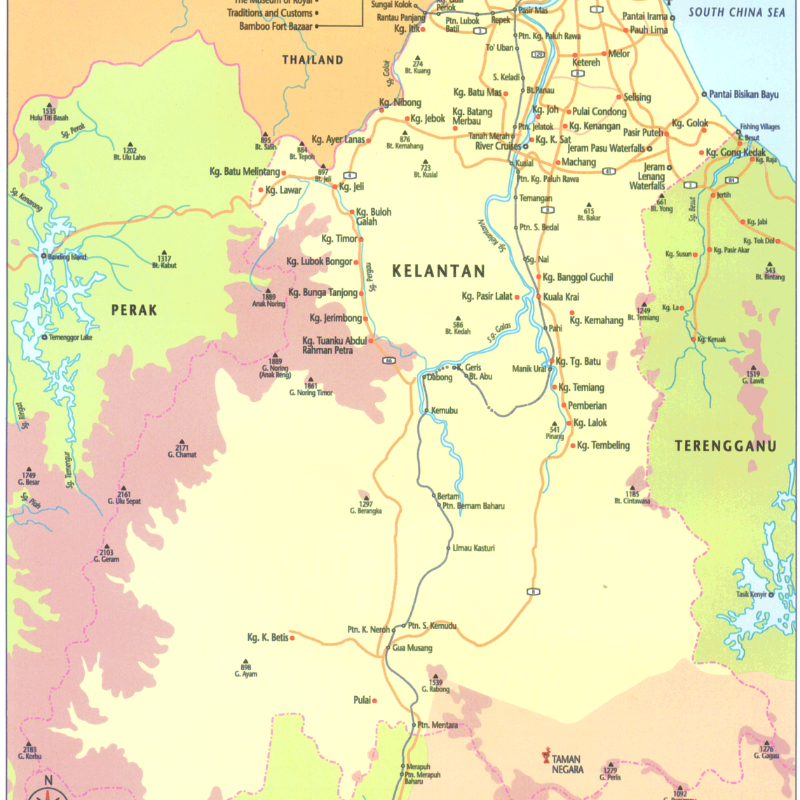
Kelantanese descends from the same Malayic language family as Bahasa Malaysia. Underneath the surface differences, a lot of the core grammar, sentence structure, and a huge chunk of vocabulary still trace back to the same source.
At the same time, centuries of regional development have given Kelantanese its own distinctive sounds, vocabulary, and expressions.
As you travel from Kelantan through Terengganu, Pahang, and down toward the central states, the dialects shift gradually like a gradient rather than sharply.
This is also why someone from another part of Malaysia may recognise certain words in Kelantanese while still struggling to follow an entire conversation.
The secret to learning how to "kecek Kelate" isn't memorising all the vocab, but actually learning to recognise key terms
For example, if someone asks: "Demo nok gi mano?" ("Where do you want to go?")
Even if you don't understand every word, you might eventually recognise "gi" as pergi and "mano" as mana.
Here's the thing, don't panic when you hear a string of unfamiliar words. Instead, try listening for words that you already know.
Once you start familiarising yourself with phrases, you'll find that understanding the Kelantan dialect is less about translating every single word and more about recognising patterns.
