Malaysia May Allow 225,000 Refugees To Work In Dirty, Dangerous & Difficult Jobs
The government is considering allowing registered refugees to fill labour shortages in Malaysia's 3D sectors and reduce reliance on foreign workers.


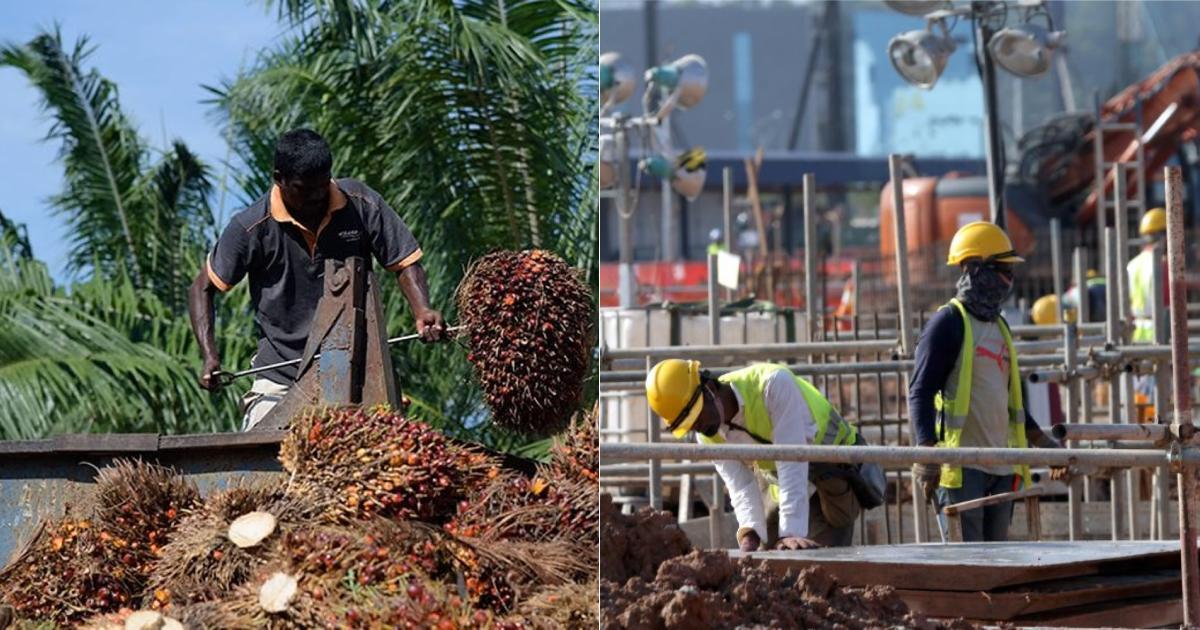 Cover image via FMT & New Straits Times
Follow us on Instagram, TikTok, and WhatsApp for the latest stories and breaking news.
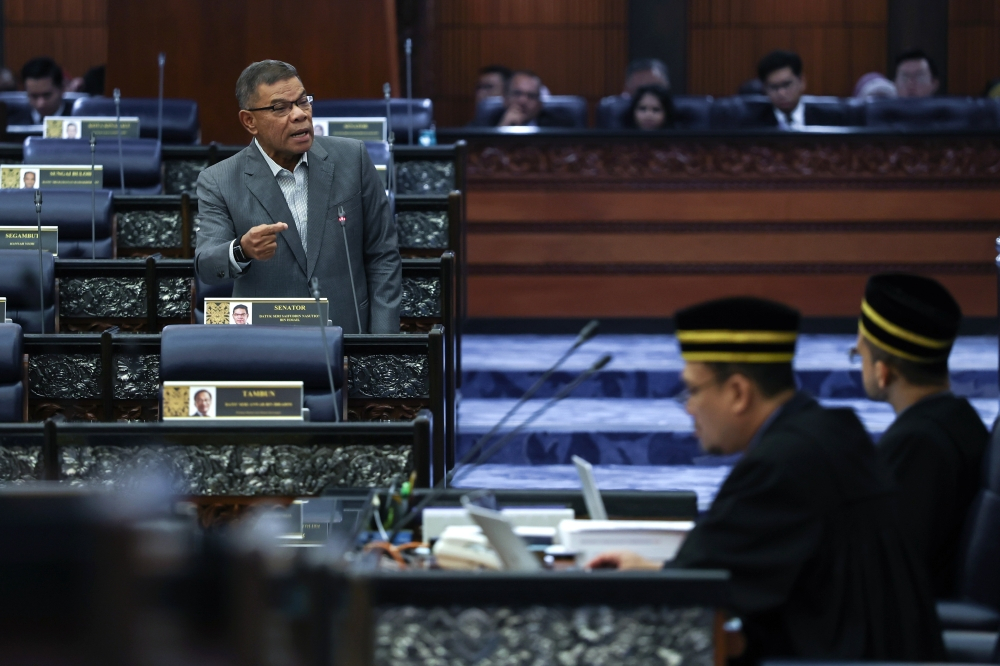
Home Minister Datuk Seri Saifuddin Nasution Ismail said the government could examine data on approximately 225,000 refugees to identify those who could potentially join the workforce in Malaysia
He said the government would need to identify working-age refugees recognised by the United Nations High Commissioner for Refugees (UNHCR) who had undergone screening before determining whether they could help address labour shortages in dirty, dangerous, and difficult (3D) sectors.
However, Saifuddin stressed that the proposal was still under consideration and had not been implemented.
"If we could compile data on these 225,000 people and identify those within the productive age range, such as 20, 25, or 30, who have been screened, we would have the data," he said in the Dewan Rakyat.
He added that the government wanted to explore ways to meet domestic workforce needs without necessarily recruiting more workers from overseas.
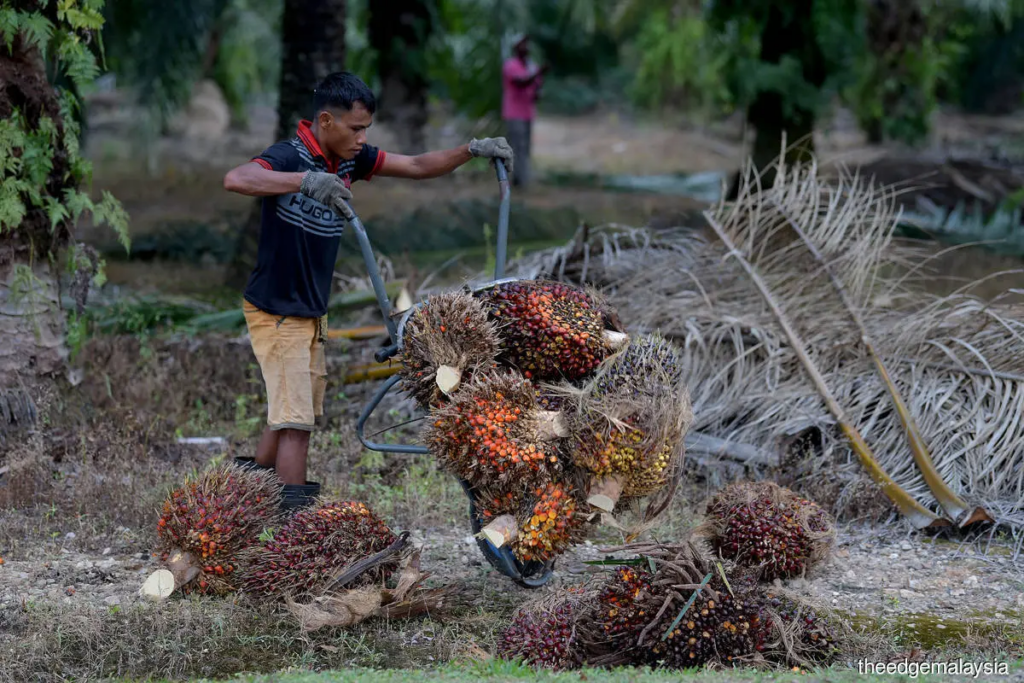
The minister illustrated the proposal by referring to an oil palm plantation in Pasir Gudang that needed 100 workers
Rather than recruiting workers from Bangladesh and incurring the associated costs, he said the government could examine its existing refugee registration database to determine whether suitable candidates were already in Malaysia.
"For now, I am not ruling out the possibility of taking this route to meet the actual workforce needs we face," he said, as reported by the New Straits Times.
Saifuddin was responding to Tebrau MP Jimmy Puah Wee Tse of Pakatan Harapan, who asked whether the government planned to allow Rohingya refugees registered under the Refugee Documentation Programme (DPP) to work in 3D sectors amid concerns about foreign worker shortages.
The proposal also comes amid concerns over the low take-up rate for 3D jobs among Malaysians.
In August, Human Resources Minister Datuk Seri R Ramanan revealed that only 352 Malaysians applied for such positions through the MyFutureJobs website, despite thousands of vacancies being offered.
He had said Malaysians were given priority, but vacancies would be opened to foreign workers, refugees, or other groups if no local candidates came forward to fill them.
Malaysia needs workers in five key economic sectors
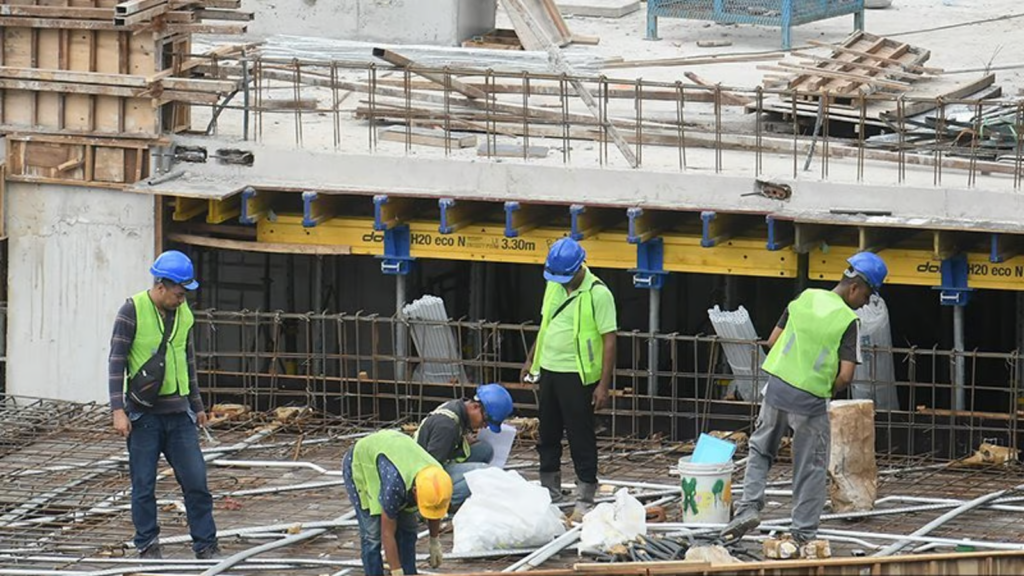
Saifuddin said foreign workers were currently needed in five major economic sectors: manufacturing, plantations, agriculture, construction, and services.
He warned that shortages could disrupt economic activities, including oil palm harvesting and bricklaying.
Under the 13th Malaysia Plan, the government has set a ceiling of 10% of the country's workforce for foreign workers across these five sectors.
With Malaysia's workforce standing at approximately 17 million, this translates to a ceiling of 1.7 million foreign workers throughout the plan period.
"If these five sectors do not have foreign workers, our economy will be affected. That means there would be no one to harvest oil palm or lay bricks. That is the reality," he said.
Saifuddin added that the Home Ministry was among the regulatory agencies involved in decisions on foreign worker approvals and related matters.
For now, the government has not announced an implementation date or confirmed whether registered refugees will be allowed to work under the proposed arrangement.