
A ‘Weird Cat’ Found In Bolivia Has Turned Out To Be An Entirely New Species
New cat just dropped.


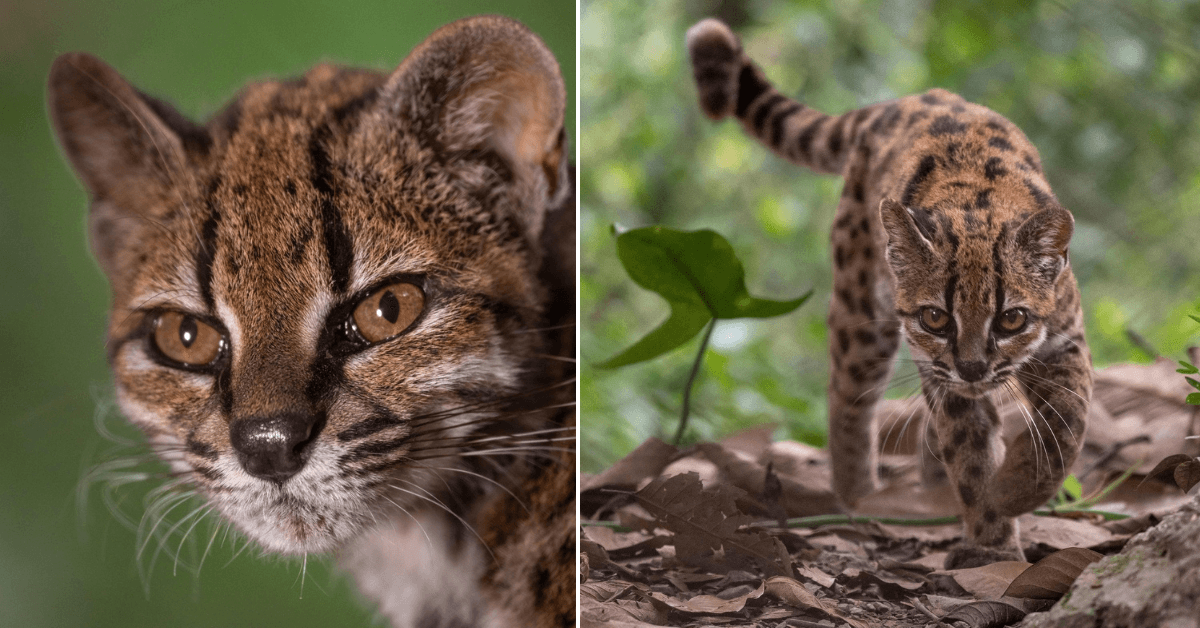 Cover image via @fernando.faciole/@natgeo (Instagram)
Follow us on Instagram, TikTok, and WhatsApp for the latest stories and breaking news.
A small spotted feline that was once described as a "weird cat" has turned out to be something much more exciting: a species scientists didn't even know existed
Meet Leopardus tilcayo, a newly identified wild cat from Bolivia and the first completely new cat species discovered in more than 100 years.
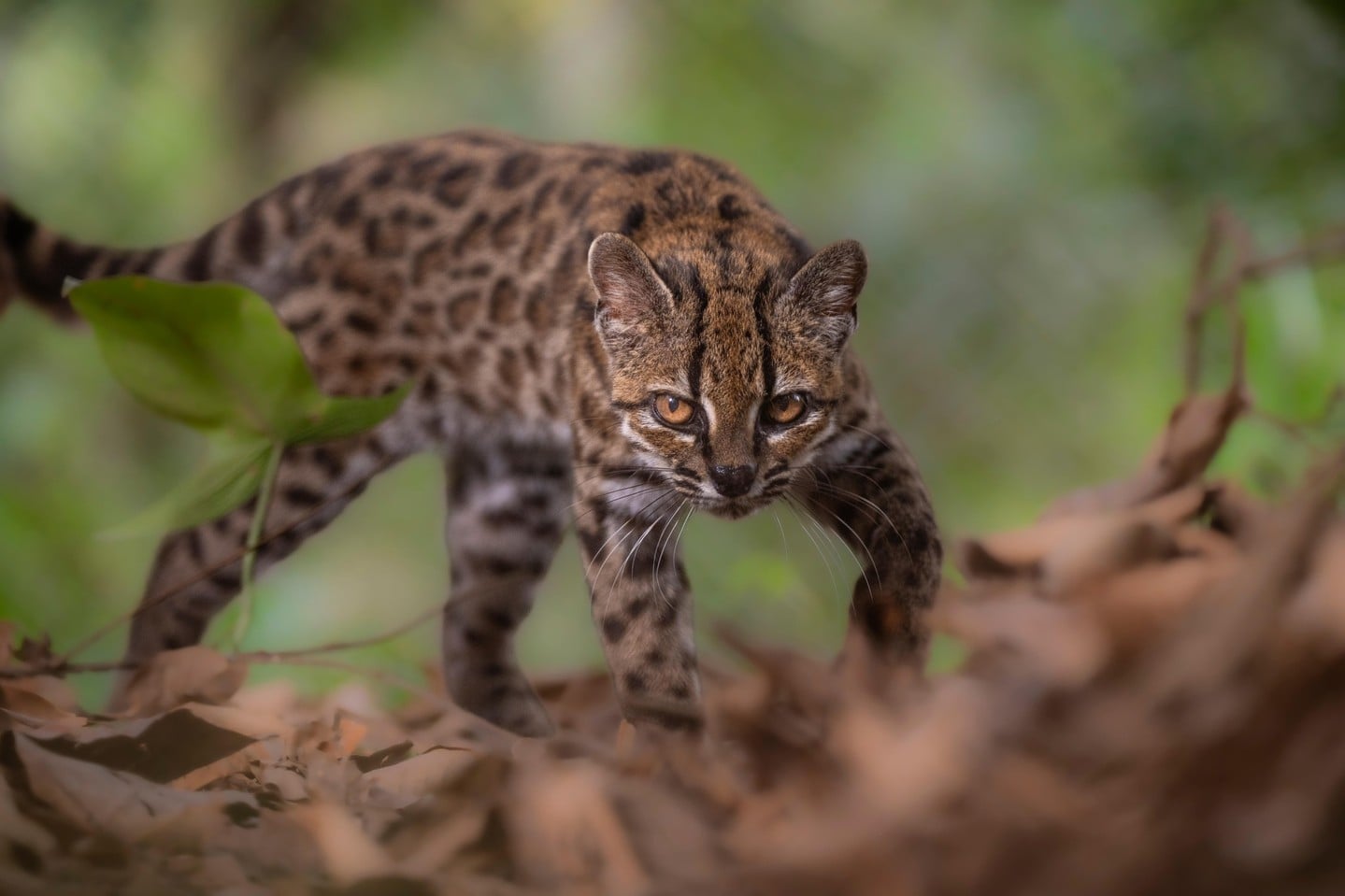
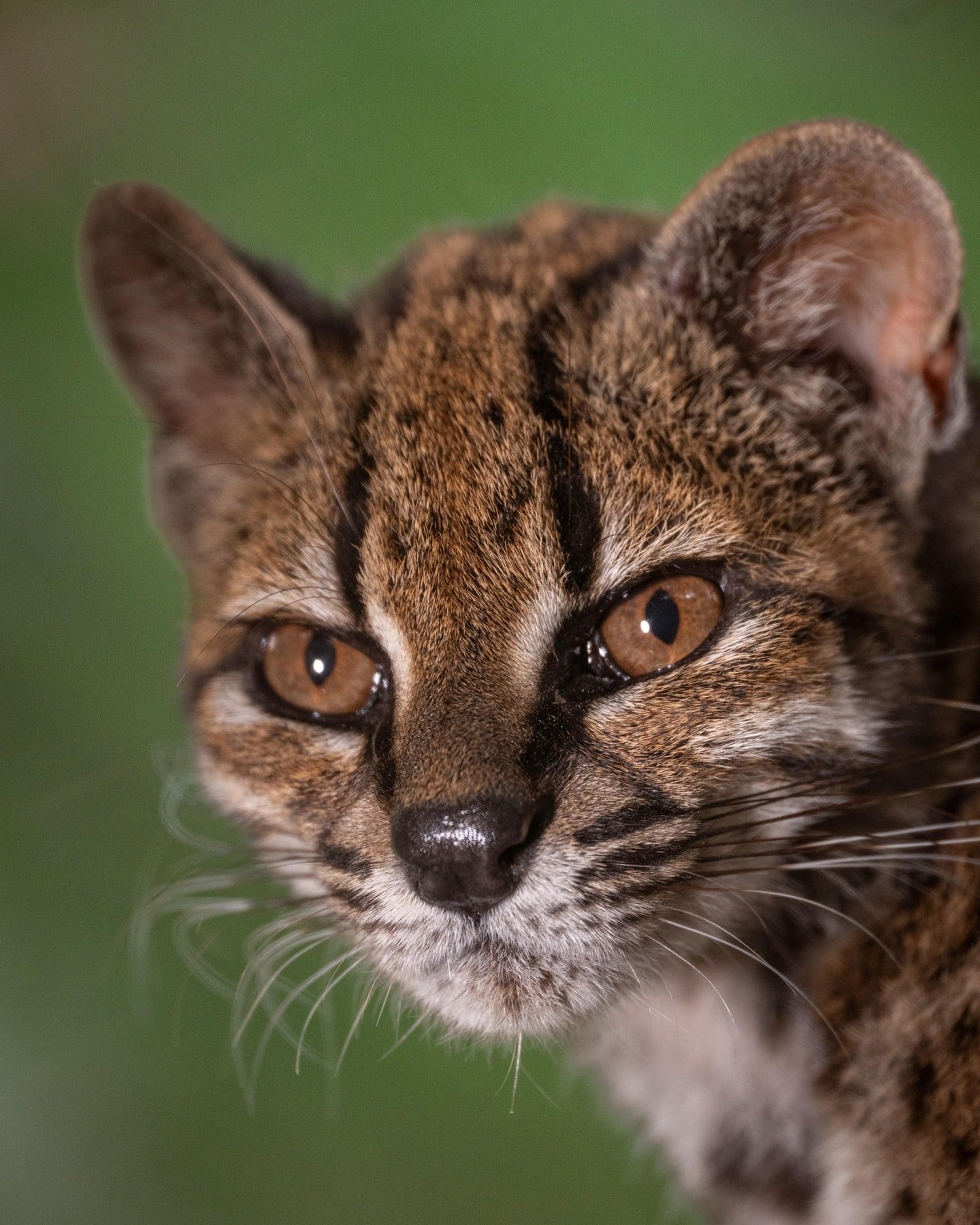
In 2017, Bolivian biologist Paola Nogales-Ascarrunz was contacted by the Senda Verde wildlife sanctuary about an unusual cat
According to National Geographic, a local man had found the animal as a kitten near a forest and initially took it home, thinking it was a domestic cat.
But after about a year, he realised the animal was clearly wild and brought it to the sanctuary.
When Nogales-Ascarrunz saw the cat, she was fascinated by its leopard-like spots and unusual appearance.
She initially thought it was a tiger cat, known scientifically as Leopardus tigrinus.

Biologist Paola Nogales-Ascarrunz.
Image via @fernando.faciole/@natgeo (Instagram)But a few years later, she noticed something wasn't quite right
The cat had much larger rosettes, or ring-shaped spots, than those seen on known tiger cats.
That prompted researchers to investigate further.
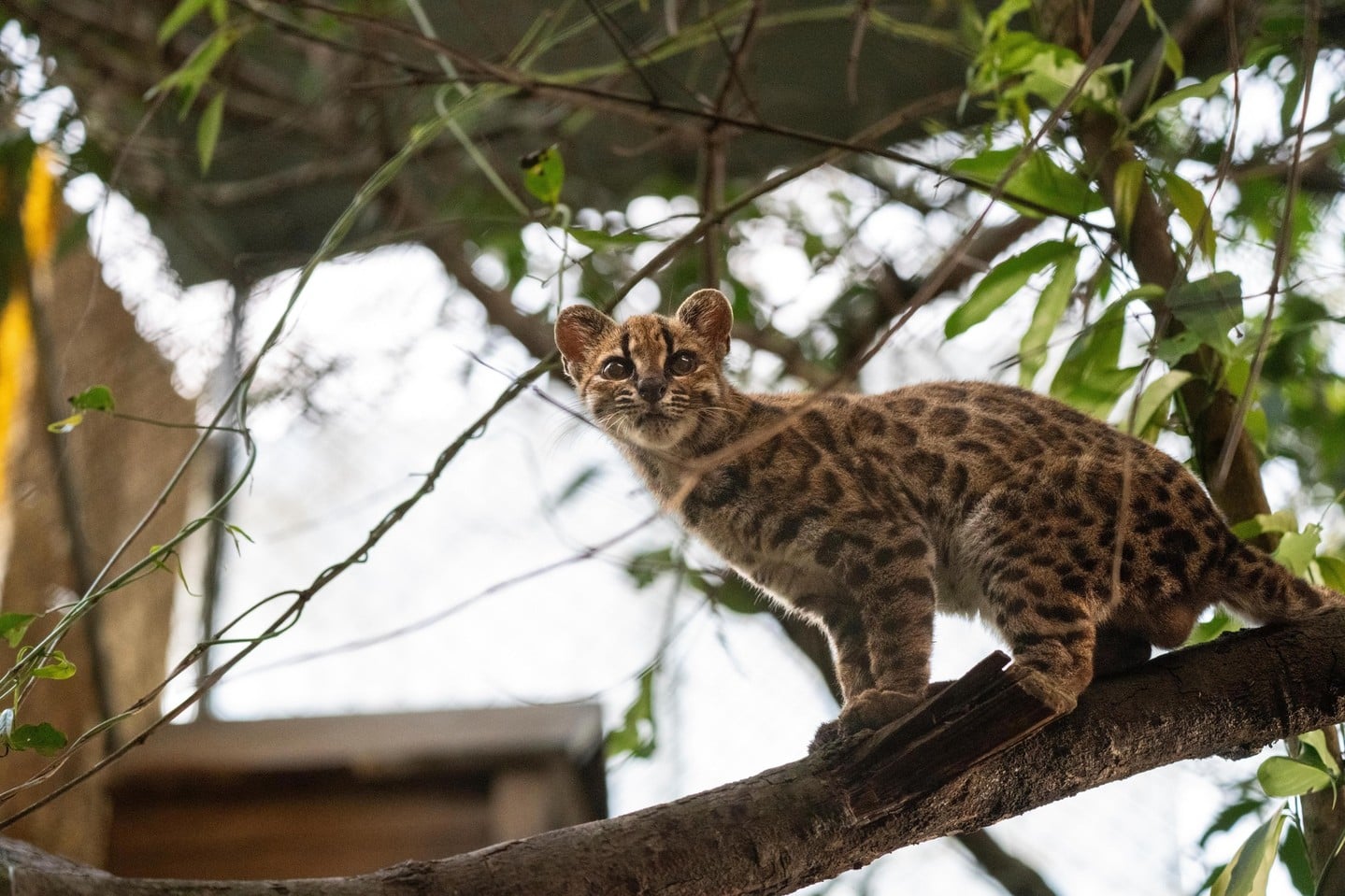
The team eventually compared the cat's DNA with other cats in the Leopardus genus
The results showed that the Bolivian cat was genetically distinct from the other tiger cats.
It had also been separately evolving for around 1.4 million years.
The researchers proposed the name Leopardus tilcayo, based on the name local people have traditionally used for the animal.
For now, scientists know that L. tilcayo lives in Bolivia's Yungas forest, along the eastern slopes of the Andes.
It's a tiny feline too, measuring around 46cm long and weighing about 1.4kg.
But there's still plenty scientists don't know about it, including what it eats, how it reproduces, and how many L. tilcayo are living in the wild.
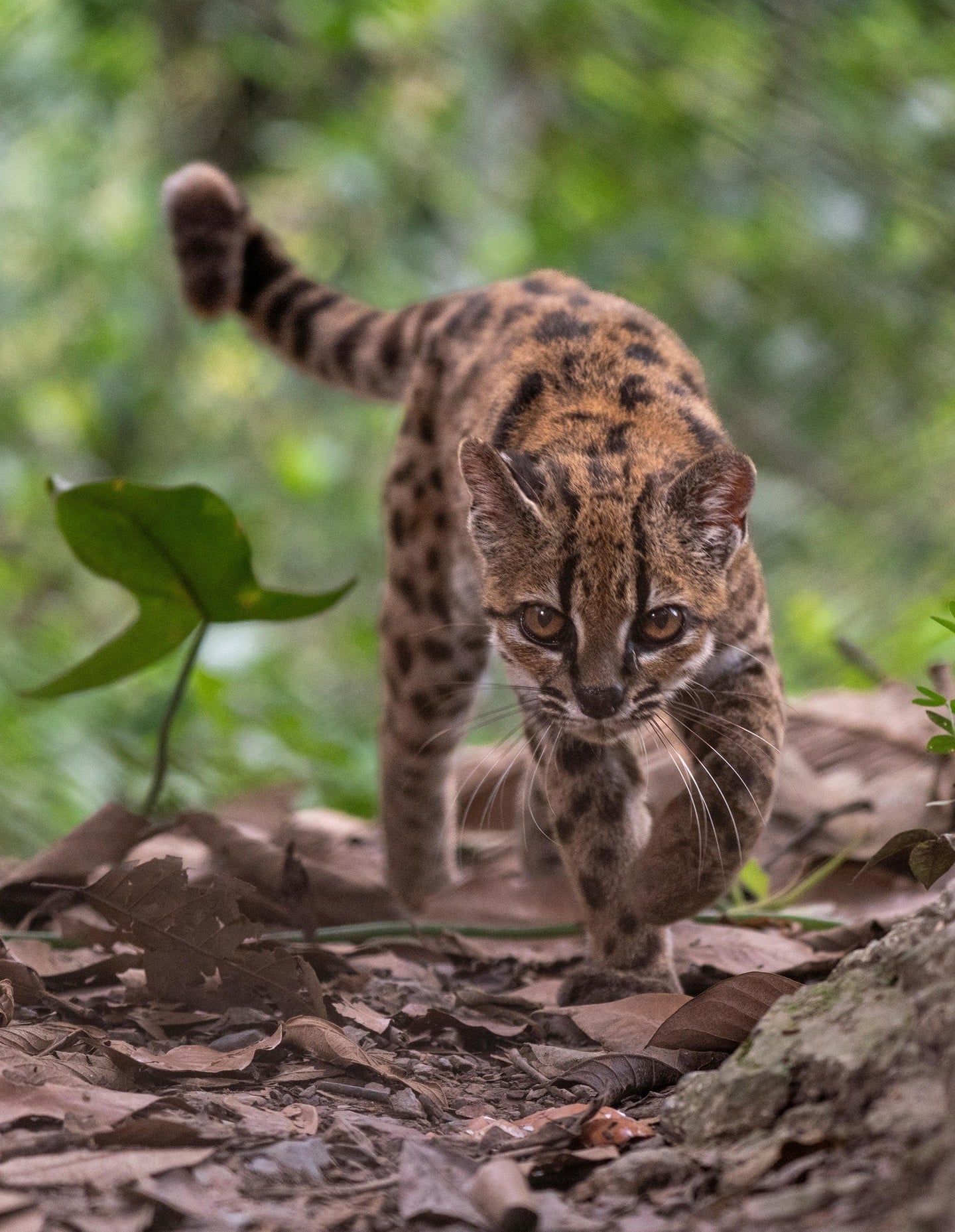
The discovery has also changed scientists' understanding of tiger cats.
Genetic research has shown that what scientists once considered one tiger cat species is actually made up of five distinct species.
Researchers believe the same kind of genetic analysis could uncover even more previously unknown small wild cat species around the world.
And L. tilcayo may not be the last surprise.
