
Can You Turn A Residential Property Into An Office? Here’s What The Law Says
Turning your home into an office may require more than just an SSM registration.


 Cover image via
 Follow us on Instagram, TikTok, and WhatsApp for the latest stories and breaking news.
Remote work, freelancing, and online businesses have become part of everyday life for many Malaysians
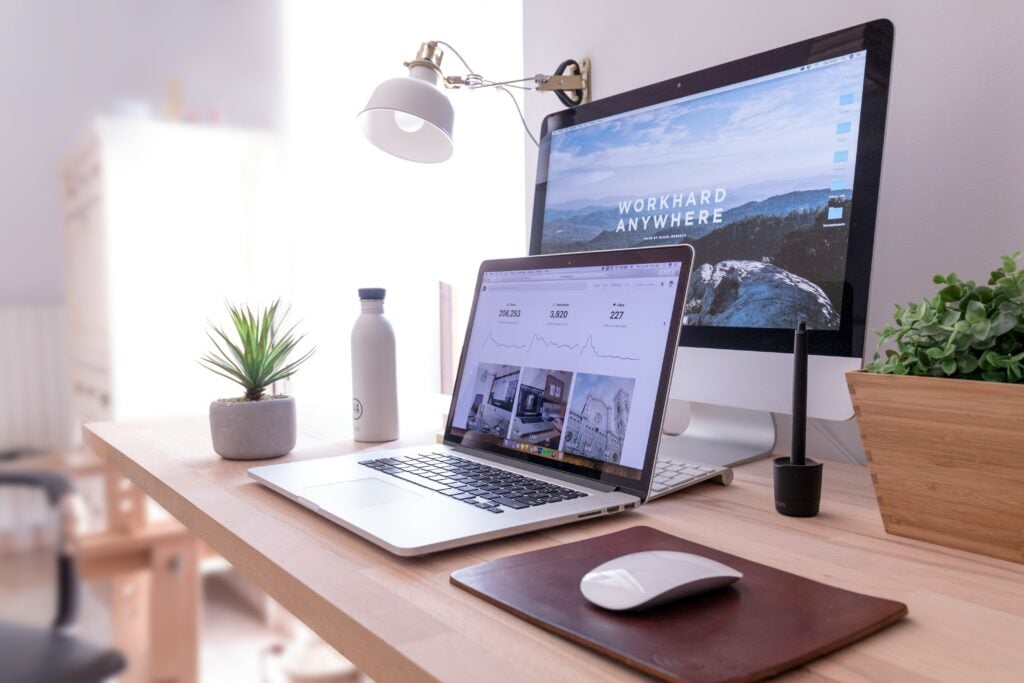
As a result, more people are wondering whether they can simply use their house or apartment as an office.
The short answer is: It depends.
Using your home for work is not, by itself, the same as converting it into commercial office premises.
One of the biggest misconceptions is that once your business is registered with the Companies Commission of Malaysia (SSM), you're automatically allowed to operate an office from your house

But that's not how it works. Working from home and setting up a business in your home are two different things.
For sole proprietorships and partnerships, the Registration of Businesses Act 1956 requires a principal place of business to be registered and SSM allows businesses to register or update that address.
However, business registration is an administrative requirement and does not override planning laws, zoning restrictions, or local authority requirements.
Likewise, companies incorporated under the Companies Act 2016 may notify SSM of their registered office and business address, but doing so does not by itself authorise commercial use of a residential property.
In other words, SSM registration and land-use approval are two separate legal matters.
The legal issue isn't whether you've placed office desks in your spare bedroom or registered your business using your home address

Instead, the key question is whether the business activity remains incidental to the property's residential use, or whether it amounts to a material change of use that requires planning permission under the Town and Country Planning Act 1976 (Act 172).
Whether planning permission is required depends on the statutory planning framework, the applicable development plan, zoning for the area, and the specific facts of each case.
Factors that may be relevant include:
- The scale of the business
- The number of employees
- The frequency of customer visits
- Signage
- The overall impact on the surrounding neighbourhood
No single factor is conclusive, and the assessment is ultimately made under the applicable planning laws and policies administered by the relevant local planning authority.
Many Malaysians now work remotely as employees or run low-impact businesses from home
For example, someone working online as a software developer, graphic designer, consultant, or accountant without employing staff or receiving customers would generally continue using the property primarily as a residence.
By contrast, a business that regularly receives clients, employs multiple staff, displays commercial signage, or generates significant customer traffic or deliveries is more likely to raise planning considerations because those activities may indicate that the property's use has gone beyond what is incidental to residential occupation.
Although planning control is governed by the Town and Country Planning Act 1976, each local planning authority administers the law through its own local plans, zoning policies, and licensing framework

As a result, a business activity that may be acceptable in one council area could require additional approvals, or it may not be permitted in another.
Depending on the nature of the business, you may also need planning permission, a business or trade licence issued by the relevant local authority, or other approvals required under that council's by-laws or licensing regime.
The exact requirements vary depending on both the council and the specific activity.
If your property is part of a strata development, other regulations will also apply
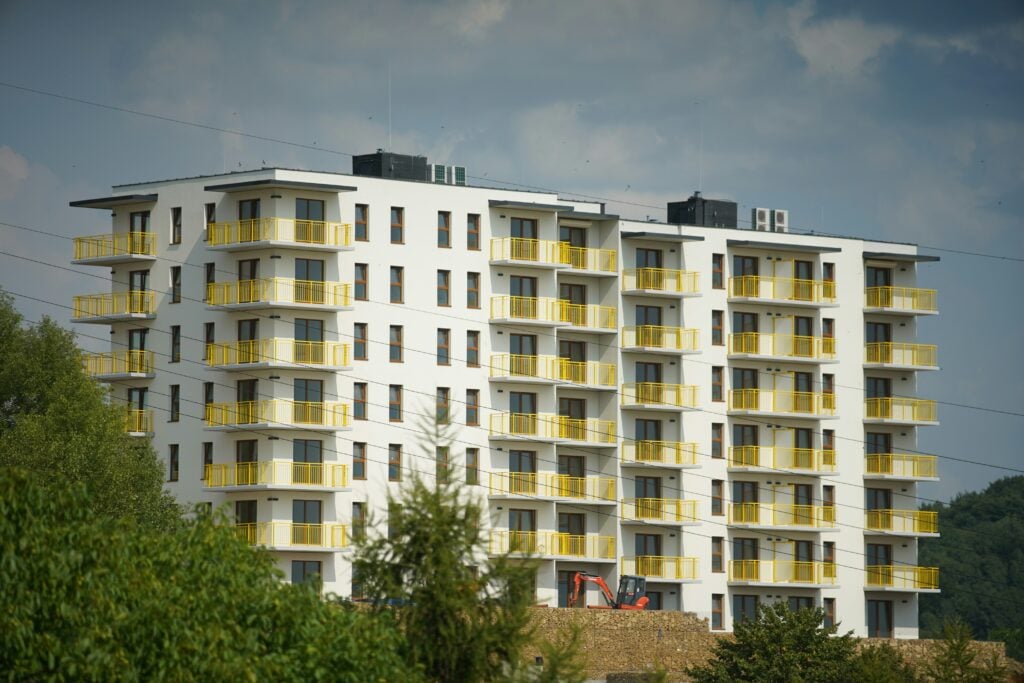
Under the Strata Management Act 2013 (Act 757), a joint management body (JMB) or management corporation (MC) may make and enforce by-laws regulating the use and enjoyment of parcels and common property.
Those by-laws may restrict certain business activities, particularly where they create noise, increase visitor traffic, or interfere with other residents' enjoyment of the building.
Before operating a business from home, it's worth checking:
- Whether the property's zoning permits the intended activity
- Whether planning permission is required for the proposed use
- Whether your local authority requires a business or trade licence for that activity
- Whether your strata by-laws permit the proposed use
- If you're renting, whether your tenancy agreement allows you to operate a business from the property
Doing those checks before you get the ball rolling can save you from enforcement action, licensing issues, or disputes with your management corporation later.
Unsure whether your case falls under incidental use or residential occupation? Here are a few examples:
| Scenario | Likely position |
|---|---|
| Working from home as a freelance video editor or graphic designer with no clients visiting | Generally acceptable, as the business is likely to remain incidental to residential use. |
| Running an online business from home where orders are packed and shipped occasionally | May be acceptable, provided the activity remains low-impact and doesn't generate significant traffic, noise or deliveries. |
| Using a spare room as an office for an interior design consultancy while meeting clients mainly off-site | May be acceptable, but if clients regularly visit the property or the business begins operating like a commercial office, additional approvals may be needed. |
| Converting a terrace house into an office with multiple employees, customer appointments and business signage | More likely to amount to a material change of use that requires planning permission or other approvals, depending on the applicable local authority requirements. |
| Operating a tuition centre, beauty salon or childcare service from home with regular visitors | Likely to require compliance with additional local authority licensing or planning requirements, and may not be permitted in some residential areas. |
| Running a café, restaurant or retail shop from a residential property | Generally requires compliance with planning, licensing, and other regulatory requirements, and may not be permitted depending on the property's zoning and local authority rules. |
These examples are intended as a general guide and shouldn't be taken as legal advice. If you're unsure, it's best to check with your local planning authority before operating a business from a residential property.
