
Can Your Landlord Keep A Spare Key And Enter To Check On You? Here’s What The Law Says
Something to keep in mind as a renter.


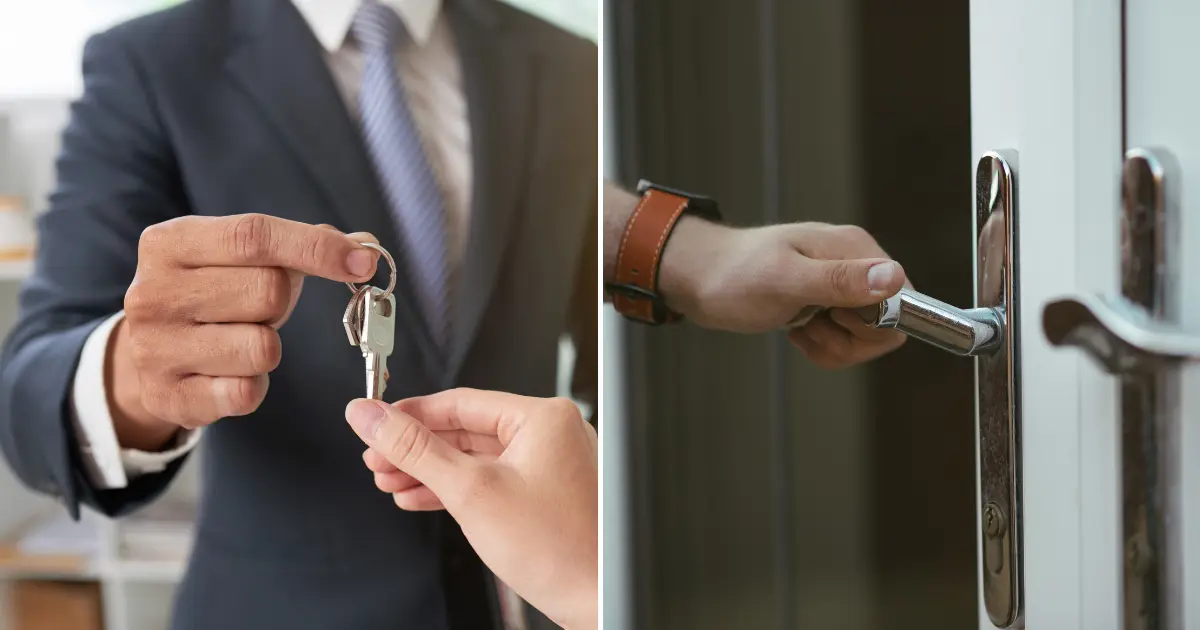 Cover image via
 Follow us on Instagram, TikTok, and WhatsApp for the latest stories and breaking news.
When it comes to renting, you may have had landlords who occasionally drop by to "check on their house"
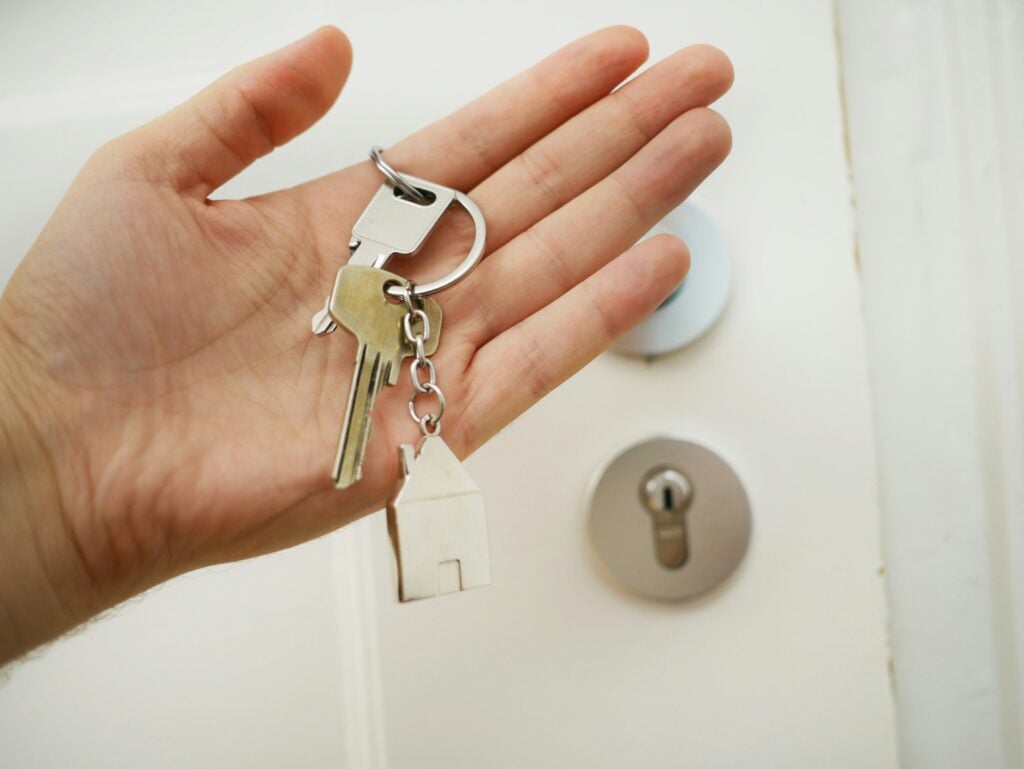
While it may sound logical (they are the owners after all), you may have wondered if this is actually legal in the first place.
After all, the last thing you'd want is to be paid a surprise visit during your day off or while you're in the middle of something.
So, can landlords keep spare keys to your home?
The short answer is yes, a landlord can keep a spare key to the unit you're renting, but that doesn't mean they can welcome themselves in at any time.
In actual fact, Malaysia does not have a comprehensive law that specifically regulates private residential tenancies
Many landlord-tenant disputes are decided based on the tenancy agreement and common law principles applied by Malaysian courts.
Under Section 3 of the Civil Law Act 1956, Malaysian courts may apply English common law where there is no local written law on the issue and where it is suitable to local circumstances.
One of these principles is exclusive possession, which means that although the landlord continues to own the property, the tenant generally has the right to occupy and use it for the duration of the tenancy.
In practice, this means a landlord cannot simply enter the property whenever they wish unless the tenancy agreement allows it or there's a genuine emergency.
In most situations, landlords are expected to arrange with the tenant before entering the property

This usually applies to situations such as:
- Routine inspections
- Maintenance or repairs
- Pest control
- Property valuations
- Viewings for prospective tenants or buyers
Typically, tenancy agreements also require landlords to give reasonable notice, usually 24 or 48 hours before entering. While this isn't a legal requirement for every tenancy, it's a common contractual term that both parties are expected to follow.
However, there are situations where a landlord may need to enter immediately without waiting for your permission.
These include emergencies where immediate access is necessary to prevent injury or significant property damage such as fires, gas leaks, and more.
If your landlord repeatedly enters the property without your knowledge or consent, start by keeping a record of each incident
Save text messages and emails, note the date and time of each visit, and, if available, retain CCTV footage or other evidence showing that someone entered the property.
It's also a good idea to raise the issue with your landlord in writing. Explain that while you understand they may need access for repairs or inspections, you'd like future visits to be arranged in advance unless there's a genuine emergency. Sometimes, a clear written reminder is enough to prevent further misunderstandings.
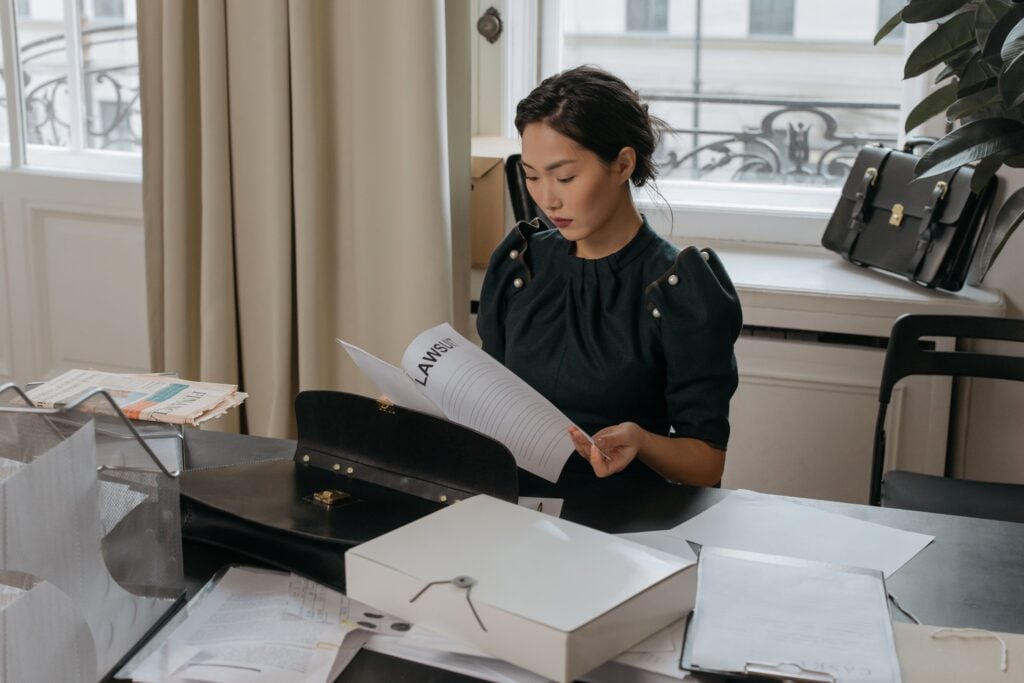
If the behaviour continues despite your requests, you may wish to seek legal advice about your rights under the tenancy agreement.
In more serious situations where the landlord damages your belongings or takes your property, you should also consider lodging a police report.
Read more trending stories on SAYS

“Red Means Go” — This Short Film Reminds M’sians To Keep Moving Forward Amid Life’s Challenges
It doesn't matter if you're expanding your business, starting your family, or saving up for the future.