
How To Spot Dementia In Your Loved Ones & Find Support In Malaysia
Early detection makes things easier to manage.


 Cover image via
 Follow us on Instagram, TikTok, and WhatsApp for the latest stories and breaking news.
Dementia is often misunderstood as a common, almost normal, part of ageing.
But medical experts consider it a progressive condition that affects memory, thinking, behaviour, and a person's ability to manage everyday life independently.
As Malaysia's population continues ageing, awareness around dementia has also grown in recent years. Yet, many families still struggle to recognise the early warning signs because symptoms usually appear gradually rather than all at once.
What starts as occasional confusion or forgetfulness may slowly begin affecting communication, routines, finances, navigation, and social behaviour over time.
According to the Alzheimer's Disease Foundation Malaysia (ADFM), dementia can affect not only memory, but also judgement, mood, problem-solving, and daily functioning

This is why early detection matters, as recognising behavioural changes earlier allows families to seek medical assessment, identify possible underlying causes, and plan support before situations become more difficult to manage.
Here's what you need to know about recognising possible signs of dementia:
Dementia is not a single disease, but a term used for conditions that affect brain function
Most people are familiar with Alzheimer's disease, which is the most common form of dementia. Other types include vascular dementia, Lewy body dementia, and frontotemporal dementia.
Beyond some distinct differences, almost all types feature a core set of overlapping cognitive decline which can begin showing up as smaller behavioural changes.
According to the Alzheimer's Disease Foundation Malaysia (ADFM), some of the more common warning signs include:
- Memory loss that disrupts daily life
- Confusion with time or place
- Difficulty completing familiar tasks
- Communication problems
- Noticeable mood or personality changes
Some early signs can look subtle enough to be mistaken for "normal ageing"

But don't be fooled: Dementia becomes more concerning when behavioural changes start happening repeatedly and begin affecting daily routines or independence.
For example, someone may repeatedly forget recent conversations, struggle to manage bills they previously handled without issue, or become confused in familiar places.
The changes can also extend into personality switches. Some individuals become unusually withdrawn, anxious, irritable, or less interested in social activities and hobbies they once enjoyed.
Because symptoms often develop gradually, families may only recognise the pattern after multiple incidents begin adding up over time.
But not every memory problem automatically means someone has dementia
Some medical conditions can cause symptoms that resemble dementia, including stress, depression, poor sleep, vitamin deficiencies, medication side effects, or thyroid-related conditions.
This is one reason why proper medical assessment matters instead of relying entirely on assumptions or online symptom lists.
Sudden confusion or rapid behavioural changes should also not be ignored, especially if they appear alongside speech difficulties, fever, weakness, or disorientation.
Monitoring behavioural changes over time can help families spot clearer patterns

Doctors often look for consistent patterns rather than isolated incidents, so keeping a simple record of unusual behaviour can help families communicate concerns more clearly during medical appointments. This does not need to be overly detailed.
Some useful things to note include:
- What happened
- When it happened
- How often it occurs
- Whether it affected daily routines or safety
Recognising possible symptoms is only one part of dealing with dementia.
Beyond identifying dementia, dealing with it has its unique set of challenges:
Conversations around dementia can feel uncomfortable, especially when older family members become defensive or reluctant to seek help
Instead of framing the discussion around "forgetfulness", experts generally encourage families to approach the topic calmly and focus on support rather than blame.
For example, rather than saying:
"You keep forgetting everything."
A calmer approach may sound more like:
"I noticed some things seem more stressful lately. Maybe we should check in with a doctor together."
The goal is to reduce feelings of shame or embarrassment while encouraging early medical assessment.
Doctors may use several assessments to better understand what is happening
At the first point of treatment (usually a GP or primary care clinic), doctors may ask questions about memory, behaviour changes, medications, and daily functioning. Depending on the situation, they may also carry out memory screening tests, blood tests, or brain scans.
Some patients may later be referred to geriatricians, neurologists, or specialist memory clinics for further evaluation.
Importantly, not every person experiencing memory problems will immediately receive a dementia diagnosis, especially during the earlier stages.
Several organisations and hospitals in Malaysia already provide dementia support
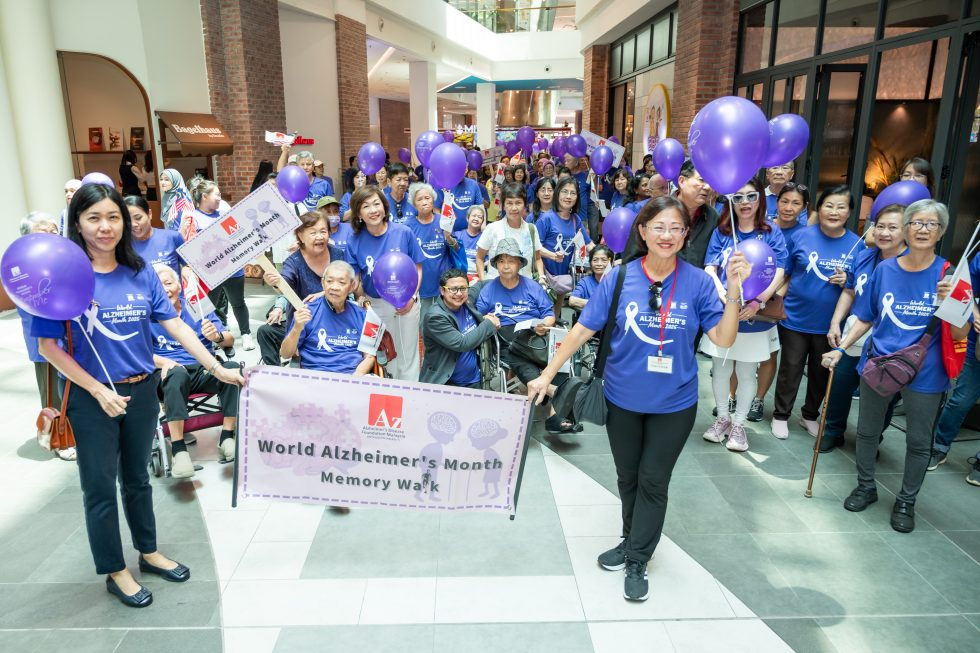
The Alzheimer's Disease Foundation Malaysia (ADFM) provides educational resources, caregiver support groups, awareness programmes, and guidance for families navigating dementia care.
Public hospitals such as University Malaya Medical Centre and Hospital Kuala Lumpur also operate geriatric and memory assessment services through specialist departments.
Meanwhile, private hospitals including Sunway Medical Centre, Pantai Hospital Kuala Lumpur, and Gleneagles Hospital Kuala Lumpur increasingly offer memory assessment and rehabilitation programmes as well.
You can make small adjustments at home to make things simpler for patients and caregivers
Dementia care often becomes easier when routines are kept simple and consistent.
Some practical adjustments families can make include:
- Using reminder notes or calendars
- Keeping frequently used items in consistent places
- Reducing clutter and trip hazards
- Simplifying instructions and conversations
- Using medication organisers
Communication style also matters. Short, calm sentences are usually more effective than arguing or repeatedly correcting someone's memory.
And remember: Caregivers themselves may also need support over time, especially when balancing work, parenting, and caregiving responsibilities simultaneously.
Ultimately, identifying dementia earlier can help families plan ahead more safely and calmly

While dealing with dementia can feel overwhelming, seeking help earlier may allow loved ones to receive proper assessment, access support systems sooner, and make practical care decisions before situations become more difficult to manage.
You can access in-depth help and resources about dealing with dementia in Malaysia here.
