
Should You Close Your Containers When Microwaving Your Food?
Here's what happens when you use a lid (and when you don't).


 Cover image via Canva Teams
Follow us on Instagram, TikTok, and WhatsApp for the latest stories and breaking news.
Microwaves have become a staple in Malaysian kitchens, and it's one of the quickest ways to reheat food.
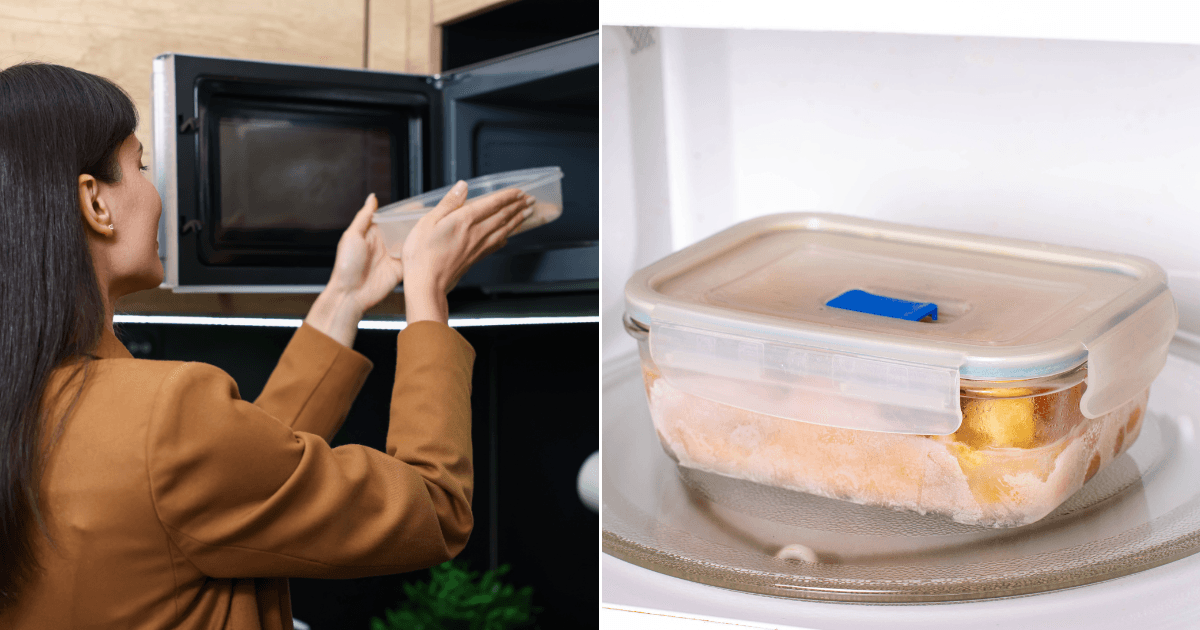
But if you're microwaving food in a container, should you keep the lid on or off?
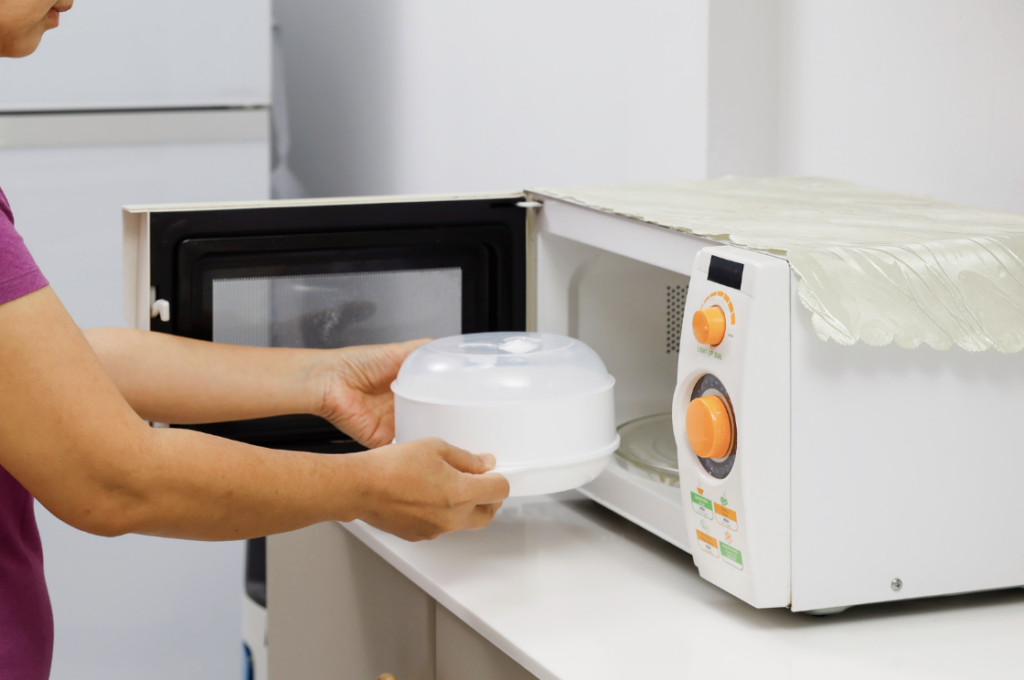
According to food safety guidance from the US Department of Agriculture (USDA), it's generally best to leave the lid slightly open or vented instead of sealing it tightly, as it allows steam to escape.
A microwave works by producing microwave radiation, which cause water molecules (as well as some fats and sugars) inside your food to rapidly vibrate. That movement creates heat, warming the food from within rather than from the outside.
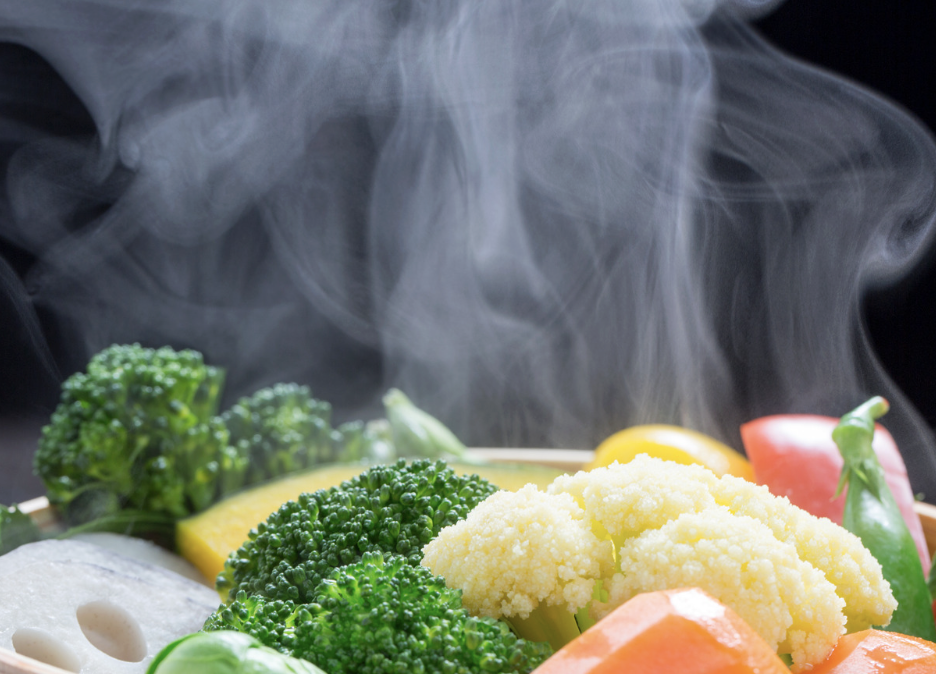
Because of this, food with a higher water content, such as soups, rice and vegetables, usually reheats faster than dry foods. As the food heats up, water turns into steam. And that's where lids become important.
If you seal the container completely, steam has nowhere to escape and pressure builds up inside the container
Depending on the container and the amount of steam produced, several things can happen:
- The lid may suddenly pop open
- Hot steam can burst out when you remove the lid, potentially causing burns
- In some cases, lightweight containers may even warp or become damaged from the pressure
ㅤ
Foods with lots of moisture, such as soup, curry, or pasta, produce even more steam, making this especially important.
If you don't use a lid at all, it could lead to dry food or a messy microwave
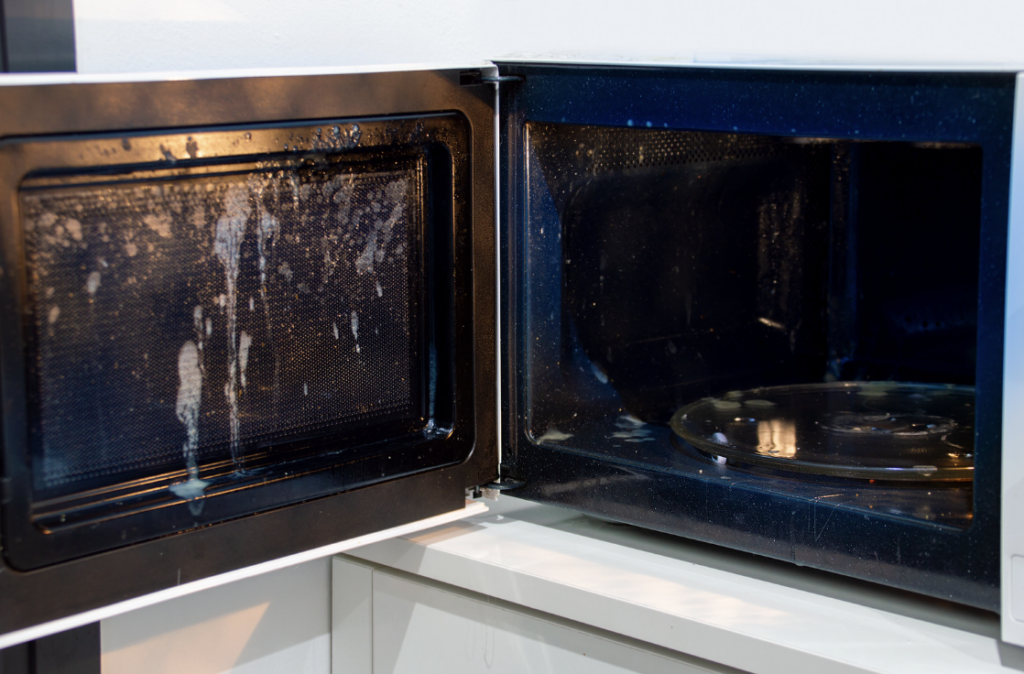
Without a lid:
- Food can splatter all over the inside of your microwave
- Moisture escapes more quickly, causing food to dry out
- Heating may become less even, especially for foods like rice and pasta
The sweet spot is to cover your food loosely with a lid, while allowing steam to escape
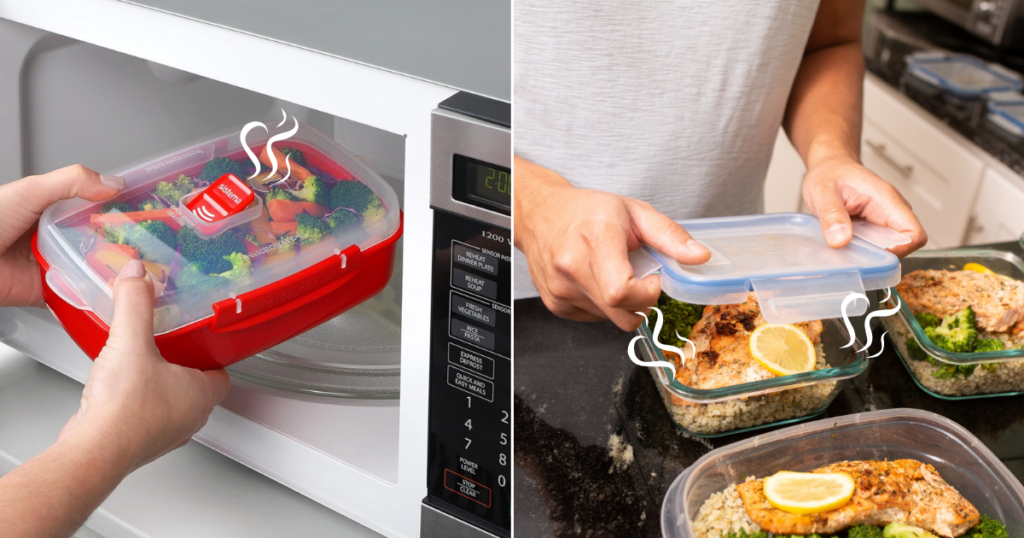
If your container has a steam vent, open it before microwaving. If it doesn't, leave one corner of the lid slightly lifted so steam can escape safely.
Alternatively, you can cover your food with a microwave-safe plate or a microwave-safe food cover instead of sealing the container completely.
These steps help to reduce splatters, retain enough moisture to keep food from drying out, and allow excess steam to escape safely.
