
Ever Spotted These Small, Demon-Shaped Things At The Supermarket? Here’s What They Actually Are
Not a Halloween decoration, these can actually be eaten!


 Cover image via Tamara Jayne/SAYS
Follow us on Instagram, TikTok, and WhatsApp for the latest stories and breaking news.
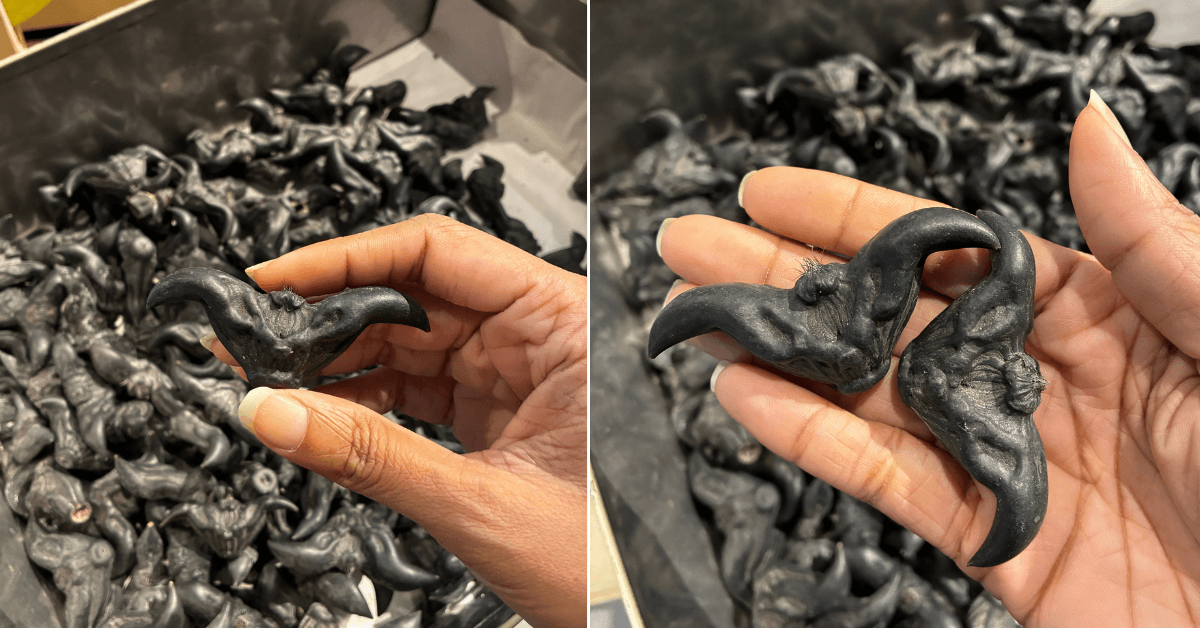
Ever spotted these black, horn-shaped objects that look like they belong in a Halloween decoration box rather than a grocery cart?
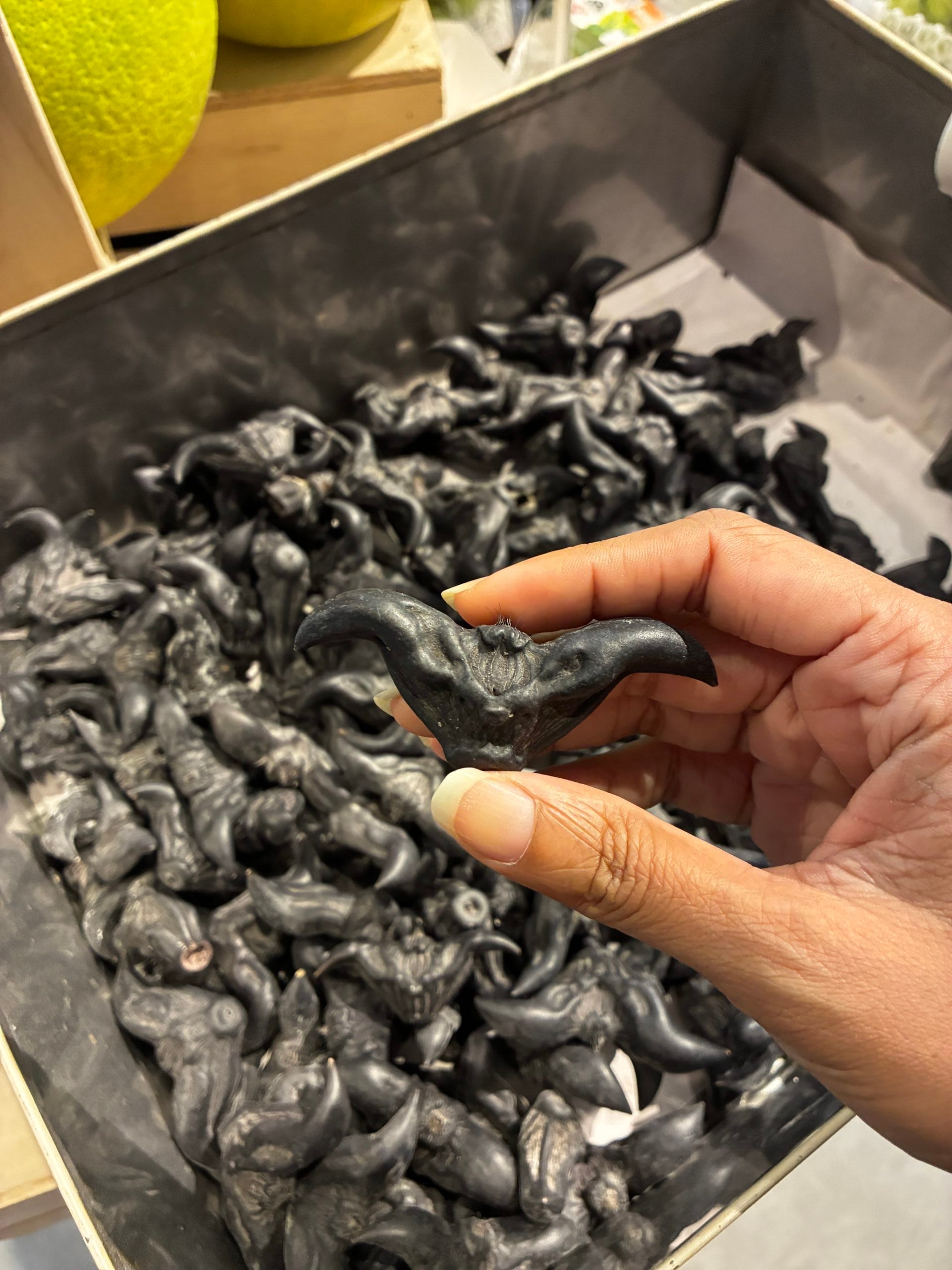
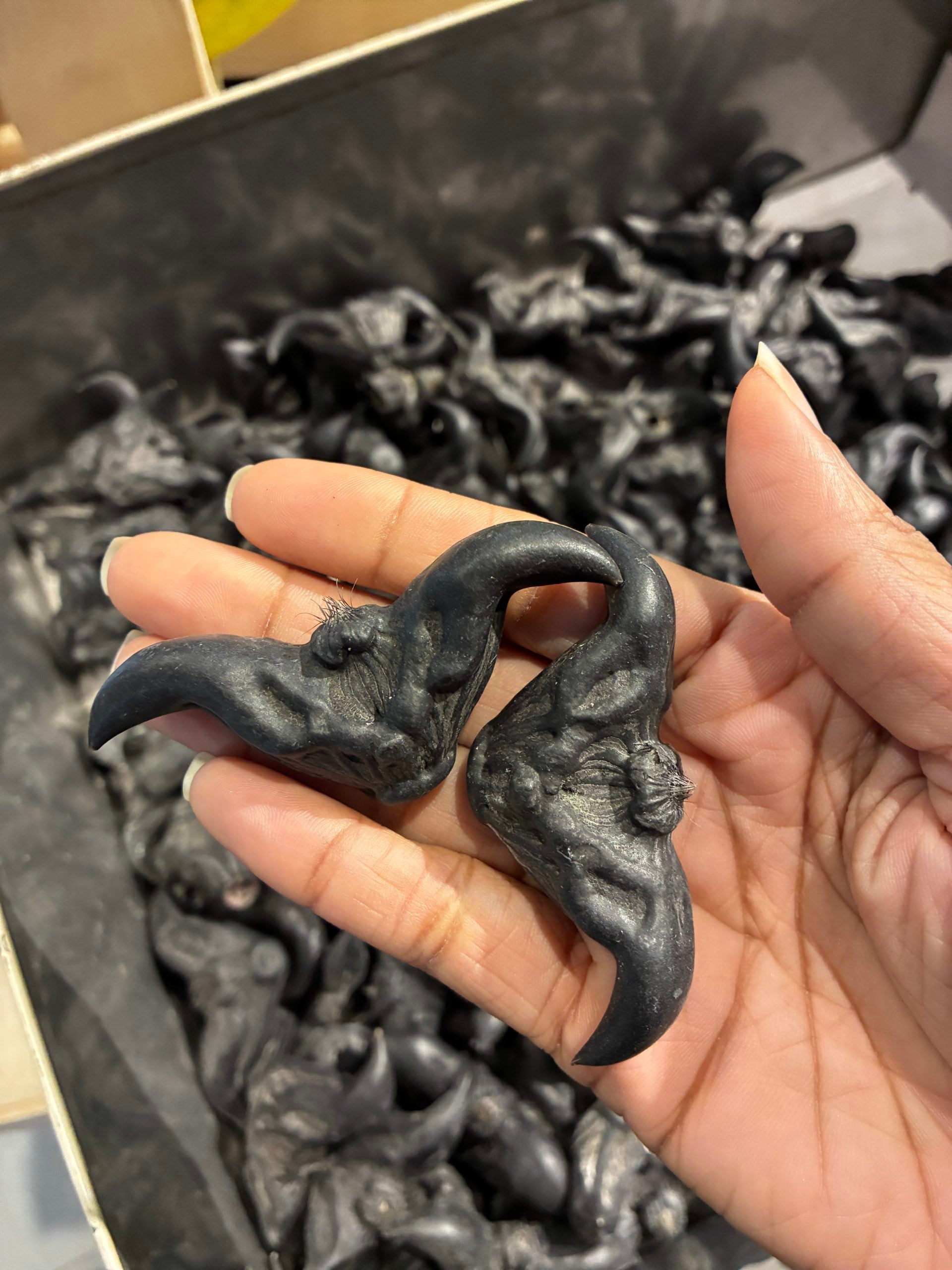
These strange-looking items, often sold at places like Village Grocer or wet markets, have a hard, dark shell with two distinct, curved horns sticking out from the sides.
At first glance, they can look like tiny carved bats, a bull's head, or even miniature devil horns.
But don't let their slightly intimidating, gothic appearance fool you
These are actually edible water caltrops, a seasonal snack that has been enjoyed across Asia for centuries.
Also known as bat nuts, devil pods, buffalo nuts, and ling nuts, water caltrops are particularly recognisable for their unusual horned shape.
Despite the word "nut" being in their name, they aren't actually nuts
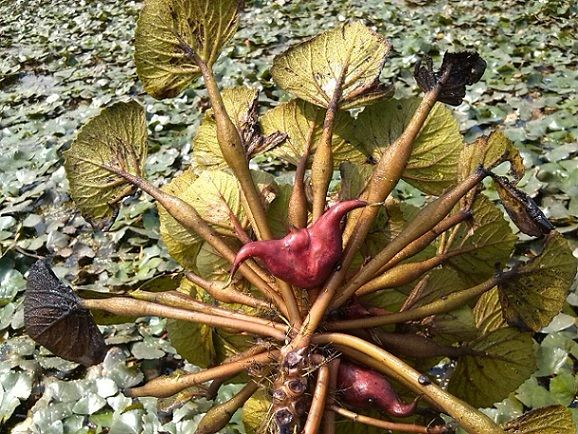
Water caltrops are the nut-like fruits of aquatic plants.
The plants grow in freshwater ponds, lakes, and slow-moving bodies of water across parts of Asia.
Their distinctive fruits develop underwater and are harvested once they mature.
Once cracked open, the meat inside is white, starchy, and surprisingly mild
The texture is starchy and can be compared to chestnuts or potatoes.
Because they are so mild, they can easily absorb the flavours of whatever they are cooked with.
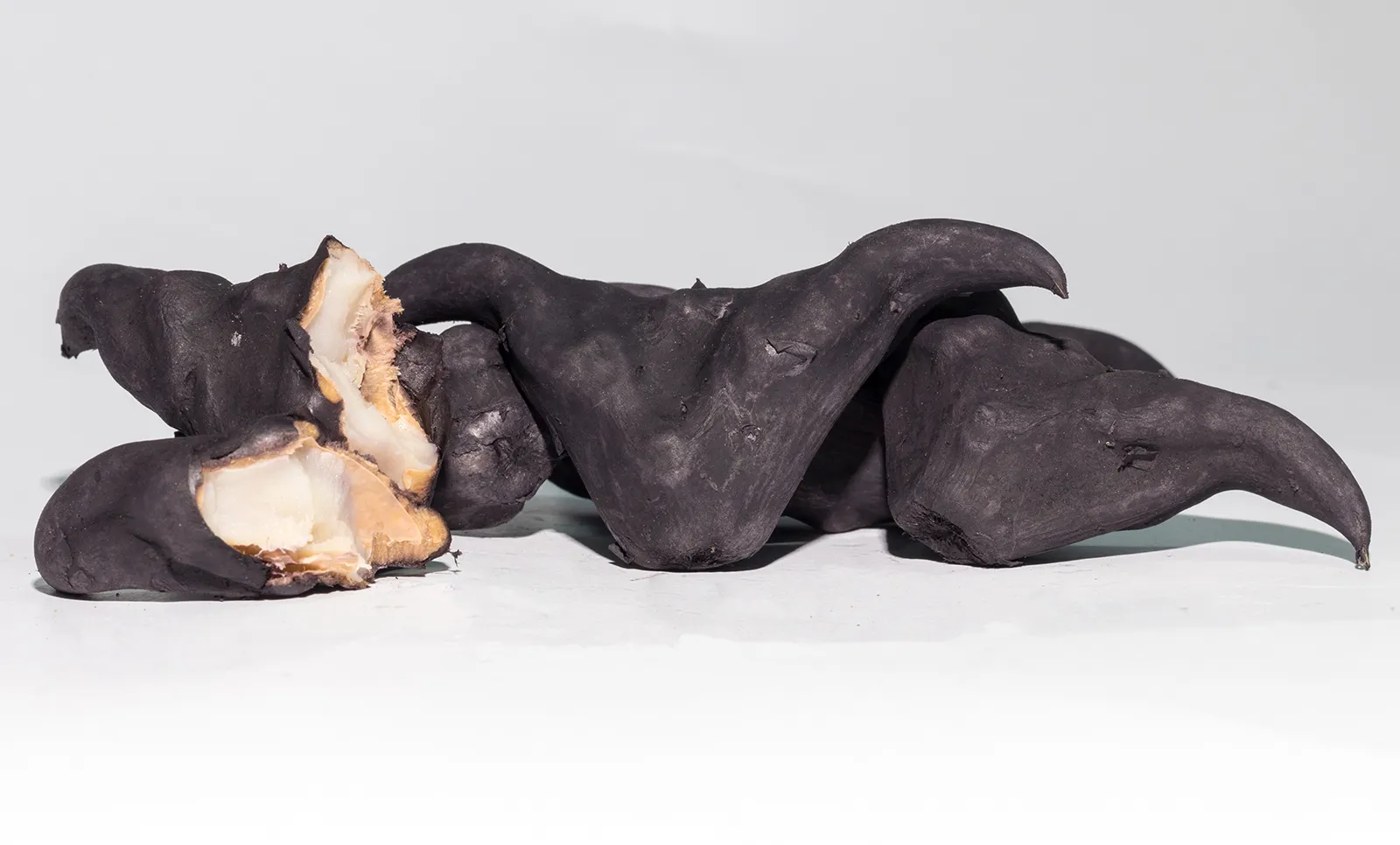
In Malaysia and other parts of Asia, water caltrops are traditionally eaten around the Mid-Autumn Festival
Known as língjiǎo (菱角) in Mandarin and leng kok in Cantonese, water caltrops are a familiar seasonal food around the festival.
But before you bite into one, there's one important thing to know: Don't eat them raw.
Because they are freshwater plants, raw or undercooked water caltrops can potentially be contaminated with parasites.
The Centers for Disease Control and Prevention warns that eating raw or undercooked freshwater plants can transmit Fasciolopsis, a type of intestinal fluke found in parts of South and Southeast Asia.
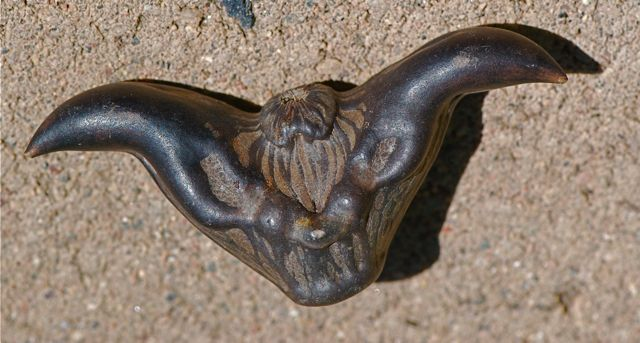
To make them safe and delicious, they must be thoroughly cooked
They can be washed thoroughly and boiled for around 20 to 30 minutes with a pinch of salt. Some people also add star anise or ginger for extra flavour.
Once they are cooked and cooled, carefully crack the hard shell with a nutcracker or a heavy knife to get to the starchy centre.
