
What’s The Difference Between Gula Melaka And Gula Apong? A Guide To Malaysia’s Sugars
They come from totally different plants.


 Cover image via
Follow us on Instagram, TikTok, and WhatsApp for the latest stories and breaking news.
If you've ever wondered what's the difference between gula Melaka, brown sugar, and gula apong, you're not alone
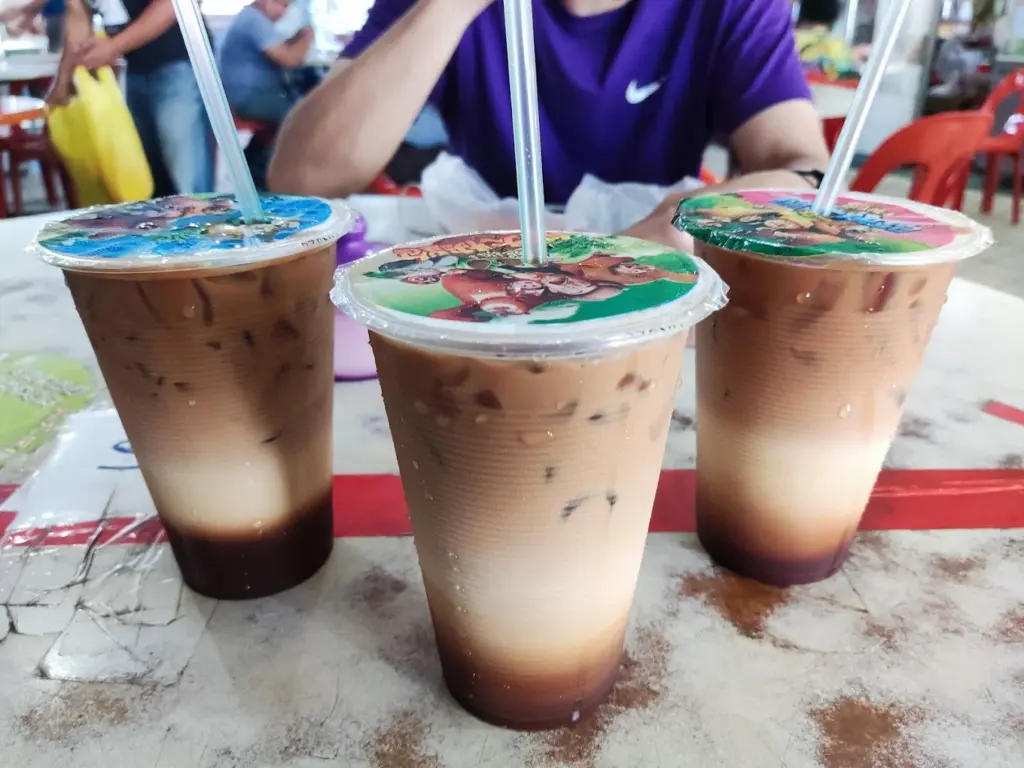
Sarawak teh C peng from Fresh Three Layer Food Court in Kuching
Image via Dixon/Google MapsMost of us simply know sugar as white or brown. But Malaysia is actually home to a wide range of regional and traditional sugars, often used in cooking, baking, and in drinks. While brown sugar is unrefined or partially refined cane sugar (with natural molasses that gives it a brown colour), gula Melaka and gula apong are palm sugars.
Gula Melaka is traditionally made from coconut palm sap, while gula apong comes from nipah palm sap and is closely associated with Sarawak.
How do gula Melaka and gula apong differ in flavour and texture?
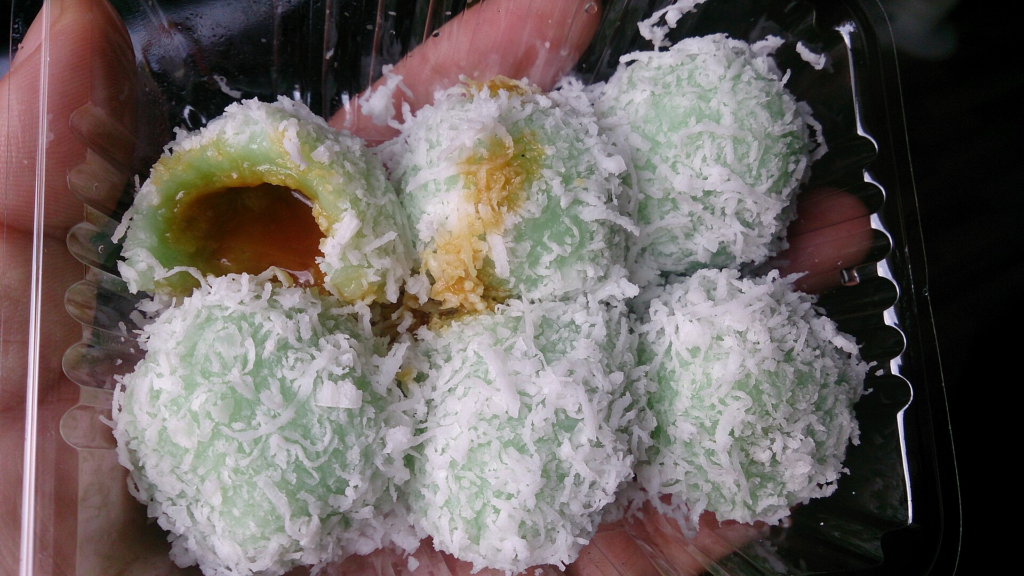
Gula Melaka has a smoky, caramelised flavour with notes of butterscotch, while gula apong has a caramel sweetness that can carry a lightly salty edge.
You will usually find gula Melaka in moulded blocks or cylinders, ready to chop, grate, or melt into syrup. Gula apong, on the other hand, is often a thick, sticky, semi-solid sugar that can be spooned from a container, although consistency varies between products.
| Gula Melaka | Gula apong | |
|---|---|---|
| Made from | Coconut palm sap | Nipah palm sap |
| Flavour | Smoky and caramelised, with butterscotch notes | Caramel-like, sometimes with a lightly salty edge |
| Texture | Usually sold in solid blocks or cylinders | Often thick, sticky, and semi-solid |
| Regional association | Melaka | Sarawak |
When it comes to gula Melaka, locals have their favourites, often debating whose is the best or most fragrant. Interestingly, a Universiti Malaysia Sarawak (UNIMAS) study also found differences in moisture, sugar profiles, and organic acids between gula apong samples from parts of Sarawak, meaning gula apong could taste different depending where you have it.
But these two sugars are not the only ones found in Malaysia. What other traditional sugars can you find in Malaysia?
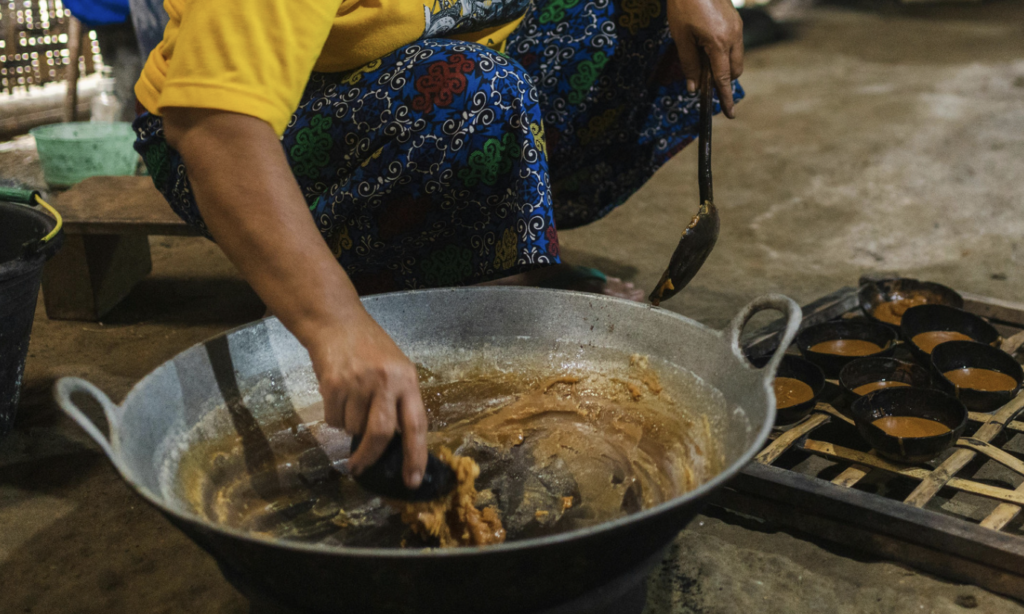
Here are some of the traditional varieties and regional names you may come across:
| Sugar name | What it's made from | What sets it apart |
|---|---|---|
| Gula Melaka | Traditionally, coconut palm blossom sap | Closely associated with Melaka; commonly moulded into blocks or cylinders. Familiar in cendol, onde-onde, and sago desserts. |
| Gula apong / gula nipah | Nipah palm sap | Closely associated with Sarawak and often sold as a thick, semi-solid sugar. Apong refers to the nipah palm locally. |
| Gula kelapa / coconut sugar | Coconut palm blossom sap | Made from the same palm as traditional gula Melaka. Also sold as dry granules. |
| Gula kabung / kabong / enau / aren | Kabung, or enau, palm sap | Made from a different palm, the kabung palm. Gula kabung is particularly associated with Pahang. |
| Gula nisan / nise | Coconut palm sap | Regional names for coconut palm sugar. Nise is used in Kelantan, while nisan kerek is associated with Terengganu. |
| Jaggery | Sugarcane juice or palm sap, depending on the type | Can be cane jaggery or palm jaggery. Both are sold under the name jaggery. |
Is gula apong the same as gula nipah?
Yes. Gula apong is made from nipah palm sap; apong is the local name for the palm in Sarawak. The two names refer to the same kind of palm sugar.
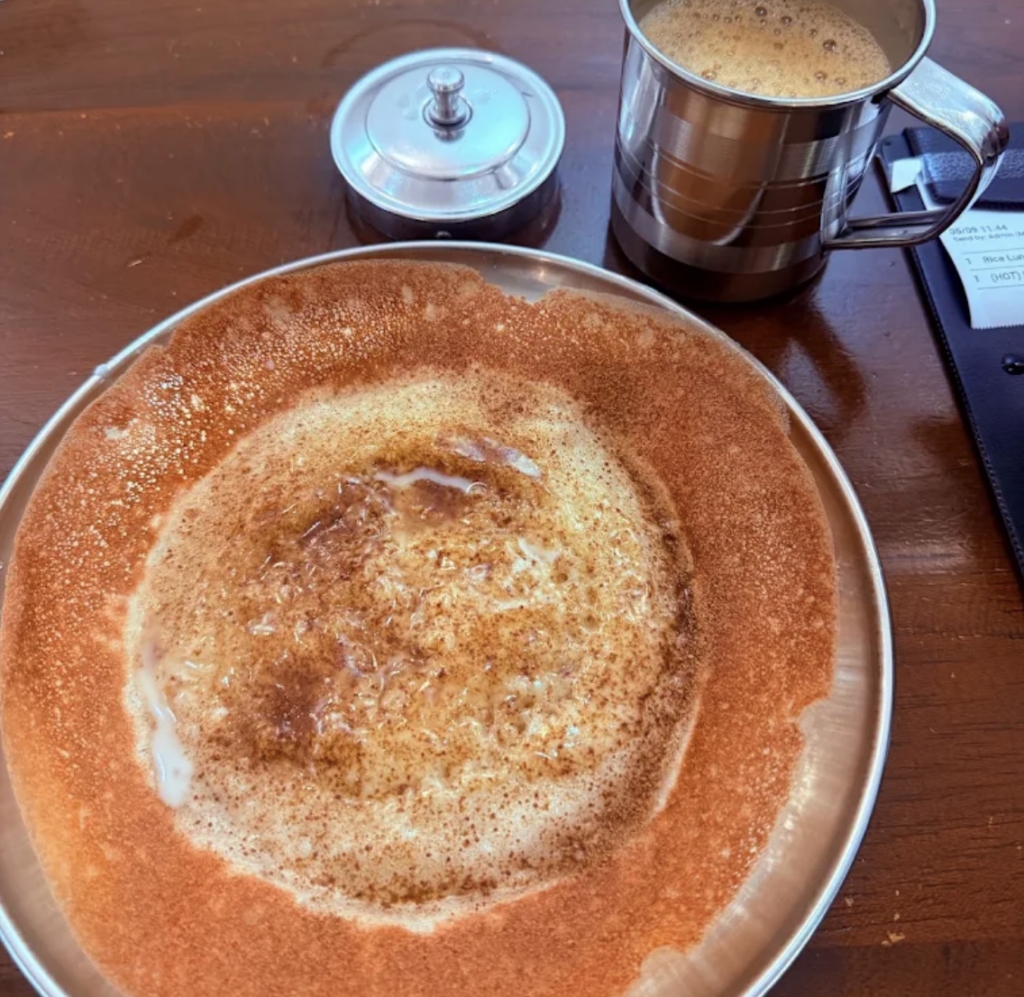
Apom with jaggery at Amachi's Palagaram in Subang
Image via SkalaBiz 9901/Google MapsWhat about palm sugar, coconut sugar, gula kelapa, and jaggery? Are they the same thing?
Palm sugar covers sugars made from several types of palm. Coconut sugar, or gula kelapa, comes specifically from the coconut palm, just like traditional gula Melaka. Jaggery can be made from sugarcane or palm sap.
Gula Jawa and gula tuak are also names used for coconut sap sugar. You may see these in recipes or on packets alongside gula Melaka and gula kelapa.
Gula merah is a broader name. It can refer to brown cane sugar or, in some usage, sugar made from the enau palm. If a recipe calls for gula merah, check whether it means loose brown sugar or a traditional palm sugar before choosing a packet.
What's the difference between the sugars in the grocery aisle?
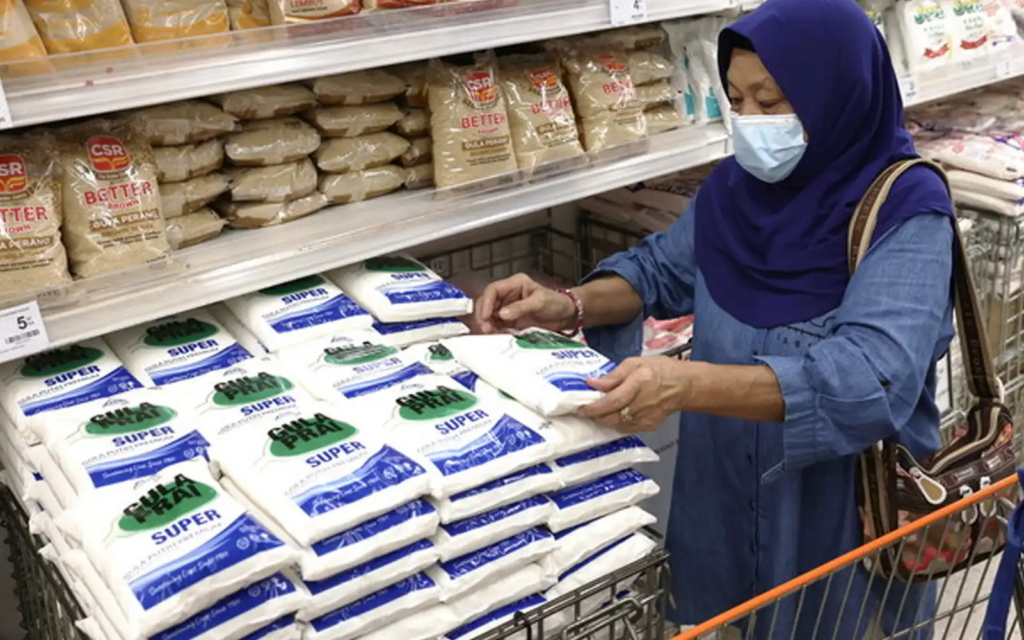
For everyday cooking, the main differences are usually crystal size, moisture, and flavour. Alongside palm sugars, these are the familiar options in grocery and baking sections:
- White sugar / gula putih / gula pasir: The everyday granulated sugar for drinks and cooking. Coarse and fine versions mainly differ in crystal size.
- Caster sugar / gula kastor: Smaller white sugar crystals that dissolve more readily, useful for cakes and meringues.
- Icing sugar / gula aising: Powdered sugar for icing, frosting, and dusting. Some versions contain starch to prevent clumping.
- Brown sugar / gula perang: Cane sugar whose molasses gives it colour and flavour. Soft brown versions are moist and add depth to bakes and sauces
- Rock sugar / gula batu: Large, hard sugar crystals. The chunky form does not identify it as a palm sugar.
- Molasses: A thick, dark syrup left after sugar crystals are removed from cane or beet juice. It has a stronger, sometimes bitter flavour and is used in baking and sauces. It is a syrup rather than another granulated sugar.
Can you use brown sugar instead of gula Melaka in cendol or kuih?
Brown sugar can work in some recipes, but the result will taste different. It brings sweetness, colour, and its own molasses flavour, rather than reproducing gula Melaka's distinct palm sugar character.
Baking guidance lists brown sugar as a substitute for granulated coconut sugar, although that is not a universal replacement rule for blocks, syrups, or kuih. For cendol, making a brown sugar syrup is a practical alternative if you have run out of gula Melaka. The compromise is mainly the flavour you are looking for in the finished bowl.
Gula apong is another option if you want a palm sugar flavour, but check its consistency before swapping.
