
El Niño Could Last Until 2027. Here Is Malaysia’s Plan To Deal With The Heat
With 56 dams under watch and 606 mobile pumps on standby, Malaysia is getting ready before water levels get too low.


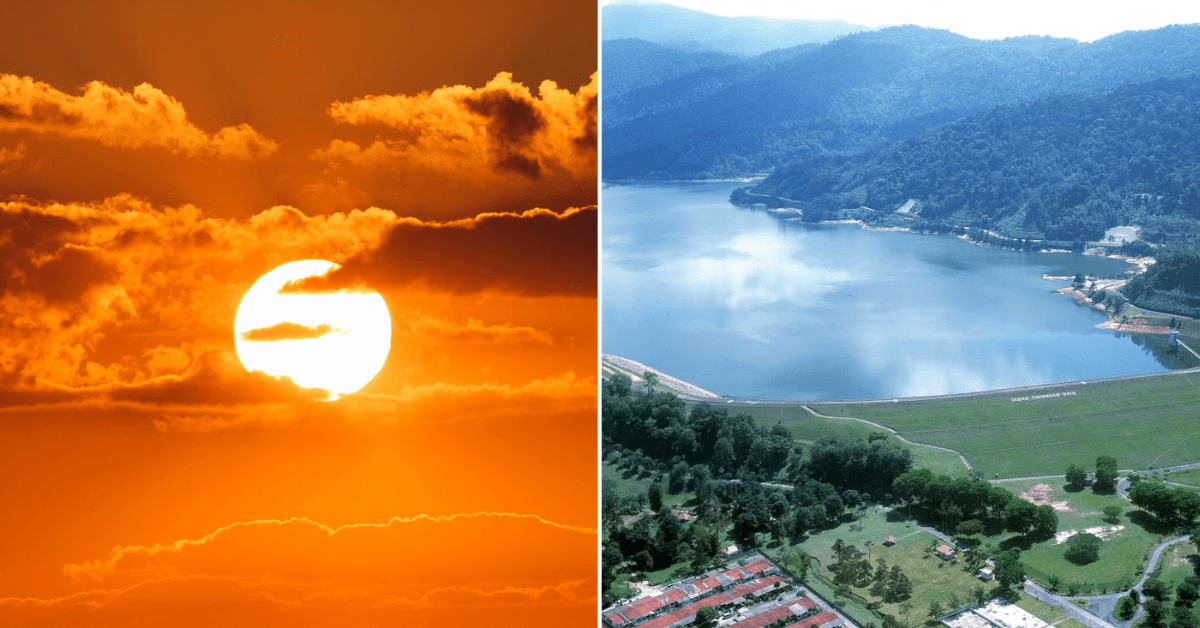 Cover image via
 Follow us on Instagram, TikTok, and WhatsApp for the latest stories and breaking news.
This Spotlight is sponsored by Energy Transition and Water Transformation Ministry (PETRA).
Malaysia could face a prolonged spell of hotter and drier weather, with El Niño expected to continue into early 2027
According to the Malaysian Meteorological Department's (MET Malaysia) Long-Range Weather Outlook updated on 29 July 2026, lower rainfall is expected in several parts of the country.
These include areas along the west, east, and south of Peninsular Malaysia, central to western Sarawak and eastern Sabah.
If dry conditions persist, they could increase drought risk and put more pressure on water resources used by households, farms, industries, and natural ecosystems.

The Department of Irrigation and Drainage (JPS), an agency under the Energy Transition and Water Transformation Ministry (PETRA), says preparations are already underway, with a focus on monitoring water levels, identifying risks early and keeping equipment ready on the ground.
For Klang Valley residents old enough to remember 1998, the consequences of a severe El Niño are probably familiar
During the 1997 to 1998 El Niño episode, falling water levels at the Klang Gates and Langat dams reportedly led to almost six months of water rationing affecting around 3.2 million people in the Klang Valley.
Malaysia subsequently experienced drought episodes in 2006, 2014, and 2024, making early monitoring and water-resource planning particularly important when extended dry weather is forecast.
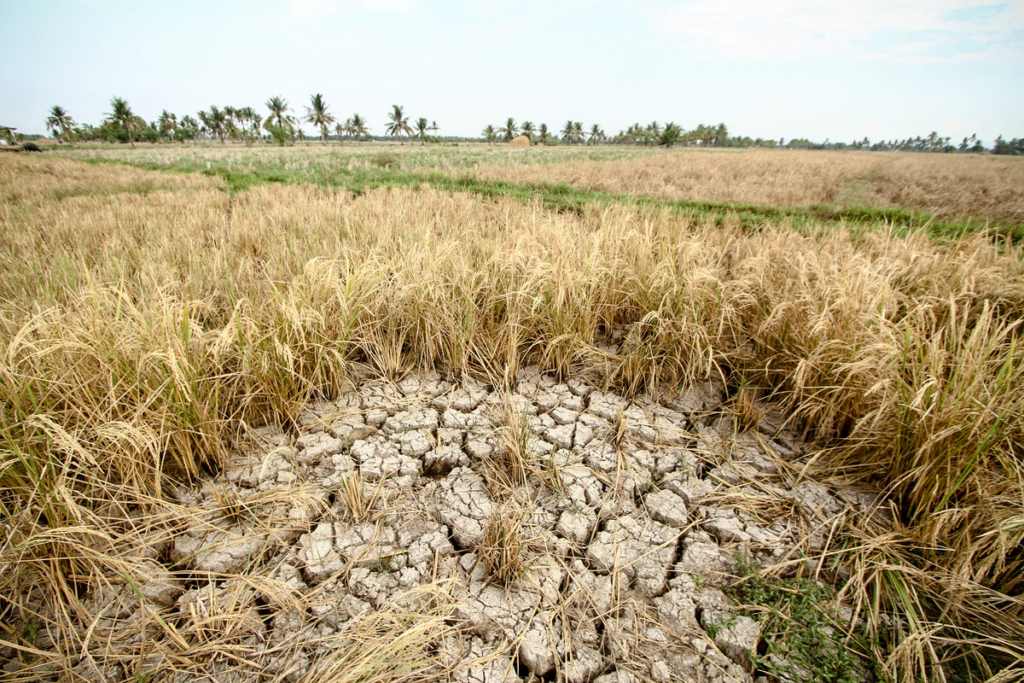
JPS's current preparations cover hydrological monitoring, dam management, forecasting, and operational readiness. Under National Disaster Management Agency (NADMA) Directive No. 1 of 2024, the department supplies hydrological information to disaster-management committees, NADMA, and other government agencies.
Its offices also refer to the 2025 Drought and Dry Season Disaster Management Guidelines when responding to dry-weather risks.
One of JPS's main jobs during a prolonged dry spell is watching how much water Malaysia actually has available
The department currently monitors 56 dams across the country managed by different authorities, including JPS, the Agriculture and Food Security Ministry, the Sabah Water Department, and state water regulatory divisions.
These dams serve different purposes, from supplying water and supporting agricultural irrigation to helping manage floods. By tracking dam levels alongside river flow and rainfall, JPS can identify changes in water availability before the situation becomes more serious.
These preparations also tie into the National Water Sector Transformation Roadmap, or AIR 2040, which guides longer-term efforts to strengthen how Malaysia manages its water resources. JPS's approach combines hydrological monitoring, forecasting, dam management, and operational readiness so agencies can respond before shortages become critical.
The public can also refer to InfoKemarau, an official drought-information portal developed in 2000. At dams managed by JPS, technical teams use the Reservoir Information Management System (RIMS) for real-time information on dam levels, hydrology, and weather conditions.
Water releases from dams follow established operating procedures, with teams having to consider domestic supply, agricultural needs and the structural safety of each dam. JPS also works with state water operators to manage intake operations and maintain water supply where possible.
JPS is also using forecasting to spot potential problems before a river or reservoir reaches a critical level
The National Water Balance Management System (NAWABS) combines current hydrological data with weather forecasts from MET Malaysia to project water-resource availability up to two months ahead. It can also provide early warnings up to 14 days in advance.
NAWABS currently operates across seven river basins: Kedah, Muda, Bernam, Klang, Melaka, Kelantan, and Similajau. Another 12 basins are being added, with the expansion expected to be completed in 2028.
JPS supplements this with a weekly Water Resource Assessment Report covering river flow, dam storage, and current drought conditions. The information is shared with agencies including NADMA, PETRA, and the National Water Services Commission, as well as JPS offices and senior management.
The data can then inform decisions such as issuing early drought alerts, adjusting water-supply plans or considering cloud-seeding operations.
Cloud seeding, when required, is coordinated by NADMA, MET Malaysia, and the Royal Malaysian Air Force to increase the potential for rainfall over catchment areas where dam levels are declining.
If water levels do become critical, JPS has equipment ready to move
The department has 606 mobile emergency pumps of various specifications stationed around the country. They can be deployed to move water to agricultural areas, irrigation schemes, and locations facing water-supply disruptions.
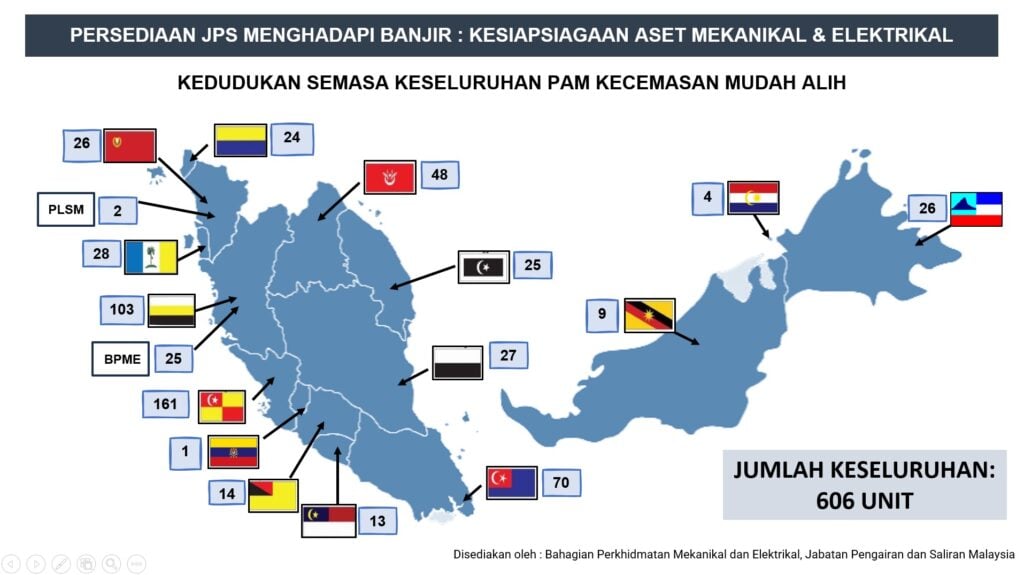
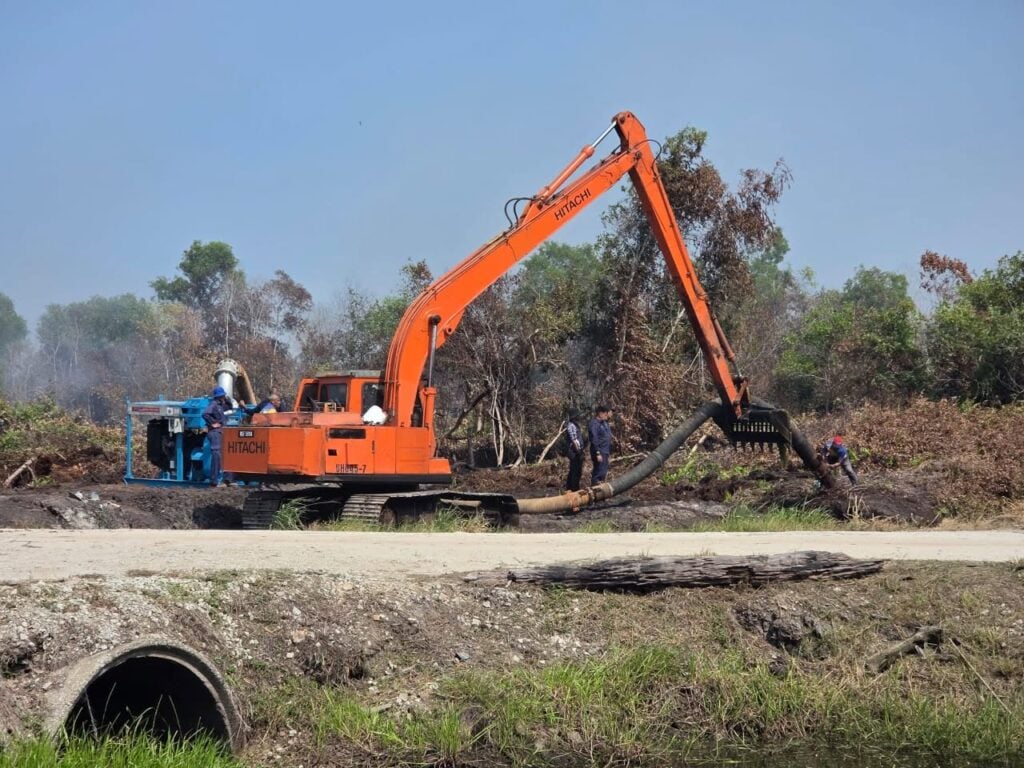
The pumps can also be used for other emergencies linked to dry conditions. For example, JPS equipment may support the Fire and Rescue Department of Malaysia and other agencies dealing with forest or peatland fires.
JPS says preventive maintenance is carried out on the pumps and hydromechanical infrastructure ahead of the dry season. Once assistance has been requested and coordinated, the department says equipment can be mobilised to affected areas within 24 hours.
But having hundreds of pumps around the country is useful only if teams know where they are and if they're working properly
JPS uses Supervisory Control and Data Acquisition technology alongside a Pump Tracking System to monitor pumps and water gates in real time.
This helps technical teams detect disruptions and potential equipment failures earlier, allowing problems to be addressed before they interfere with drought-response operations.
One recent example came on 4 April 2026, when a pump with a capacity of 140 litres per second was installed in Kampung Mak Chili, Kemaman, to assist firefighting operations during a peatland fire.
Ultimately, preparing for a drought involves several agencies working from the same information
JPS is only one part of Malaysia's drought response. Its preparations involve coordination with NADMA, MET Malaysia, state governments, water operators, agricultural agencies, and other relevant authorities.
Forecasting can flag potential shortages weeks ahead, dam and river monitoring can show where water levels are starting to fall, while the 606 mobile pumps give teams something they can actually deploy when conditions on the ground worsen.
With El Niño potentially extending into early 2027, these measures are intended to help agencies act before rivers, reservoirs, and local water systems reach critical levels.
Read more trending stories on SAYS

“Red Means Go” — This Short Film Reminds M’sians To Keep Moving Forward Amid Life’s Challenges
It doesn't matter if you're expanding your business, starting your family, or saving up for the future.