
How Malaysians Can Reduce Our Country’s Carbon Footprint By Using Energy More Efficiently
Clean energy is one half of the solution. The other half is using it wisely.


 Cover image via
 Follow us on Instagram, TikTok, and WhatsApp for the latest stories and breaking news.
This Spotlight is sponsored by the Energy Transition and Water Transformation Ministry (PETRA).
Climate change is already shaping how we live, from rising temperatures and unpredictable weather to the growing pressure on countries to reduce carbon emissions
Although Malaysia contributes only around 0.8% of global carbon emissions, the country has committed to doing its part in the global push towards net zero.
One of the biggest challenges lies in the energy sector, which still relies heavily on fossil fuels for electricity generation. Reducing emissions from this sector has become a major priority because cleaner electricity benefits almost every part of the economy.
Under the National Energy Transition Roadmap (NETR), Malaysia aims for renewable energy to make up 70% of the country's total installed electricity capacity by 2050.
Solar farms, hydropower and other renewable sources have received plenty of attention as the country works towards that goal.
An important point to remember is that renewable energy and energy efficiency are actually two sides of the same coin
When people think about reducing carbon emissions, renewable energy is usually the first thing that comes to mind. Solar panels, wind turbines, and hydroelectric dams are all visible examples of cleaner energy generation.
But another equally important part of the equation that often gets overlooked is energy efficiency.
Renewable energy focuses on where electricity comes from. Energy efficiency focuses on how wisely that electricity is used, regardless of whether it comes from renewable or conventional sources.
For example, installing solar panels doesn't automatically make a home or office energy efficient. If electricity is still wasted through inefficient appliances, poor building design or unnecessary consumption, much of the environmental benefit is lost.
Ultimately, producing cleaner energy doesn't work unless we also use energy in a smart way
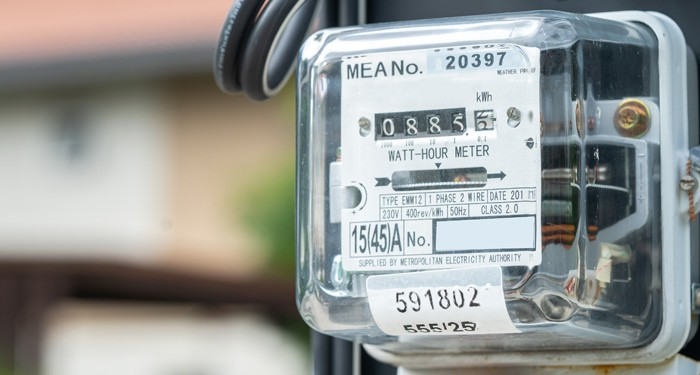
Simple actions such as switching off unused appliances, choosing energy-efficient equipment, improving building insulation and managing electricity consumption more carefully all help reduce unnecessary energy use.
Businesses and organisations also play a significant role by investing in more efficient machinery, lighting systems, and building management practices.
So, when these improvements happen across thousands of homes and workplaces, the combined impact can be substantial.
If you didn't already know: Malaysia now has a law dedicated to improving energy efficiency.
Knowing the importance of reducing energy waste, Malaysia introduced the Energy Efficiency and Conservation Act (EECA) 2024, which came into force in early 2025.
The legislation is designed to encourage more efficient energy use across industries, commercial buildings, and organisations, while supporting Malaysia's long-term climate goals.
Here's a quick summary of what EECA entails:
- Requires large energy users to monitor and report their energy consumption
- Makes it mandatory for eligible organisations to appoint registered Energy Managers
- Requires periodic energy audits to identify areas for improvement
- Sets minimum energy efficiency standards for certain commercial buildings
- Introduces energy performance standards and labelling for selected electrical appliances
- Establishes a registration system for Energy Managers and Energy Auditors
- Enforces compliance through penalties for organisations that fail to meet the Act's requirements
According to government projections, implementation of the Act through 2050 could deliver:
- Energy savings of 2,017 million gigajoules
- Around RM97.1 billion in utility bill savings
- Avoidance of approximately 197,877 kilotonnes of carbon emissions
These figures highlight that improving efficiency doesn't just lower electricity bills, but can also contribute significantly to reducing Malaysia's overall carbon footprint.
The Energy Transition and Water Transformation Ministry (PETRA) calls EECA implementation a "tsunami of change" in how Malaysians think about energy use
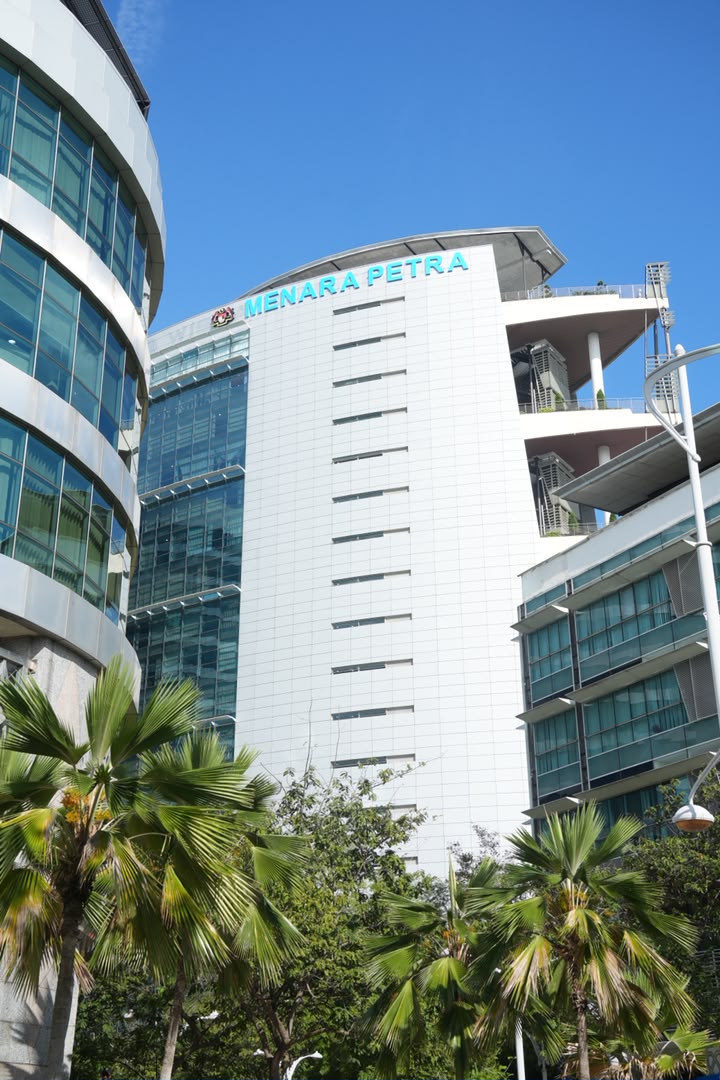
Beyond encouraging individuals to adopt more energy-conscious habits, PETRA also hopes to see stronger participation from businesses, government agencies and financial institutions.
Greater investment in energy efficiency projects could help accelerate Malaysia's transition towards a lower-carbon economy while reducing operating costs across multiple sectors.
The long-term goal is to make energy efficiency a normal part of decision-making, whether someone is purchasing household appliances, designing commercial buildings or planning industrial operations.
Energy efficiency may be the climate solution that deserves more attention
If Malaysia hopes to achieve its net-zero ambitions, expanding renewable energy alone won't be enough. Producing cleaner electricity and using it responsibly must happen together.
The success of the country's energy transition may ultimately depend not only on how much clean energy is generated, but also on how efficiently every Malaysian chooses to use it.
Got some cool brand news to share?

Take a look at all of our Spotlight stories to date here.
