
Here’s Why Most Plastic Bottles Have A Small Dent At The Bottom
The next time you're getting a drink, take a look at the bottom of the bottle!


 Cover image via
 Follow us on Instagram, TikTok, and WhatsApp for the latest stories and breaking news.
Have you ever finished a bottle of mineral water and noticed that the bottom isn't completely flat?
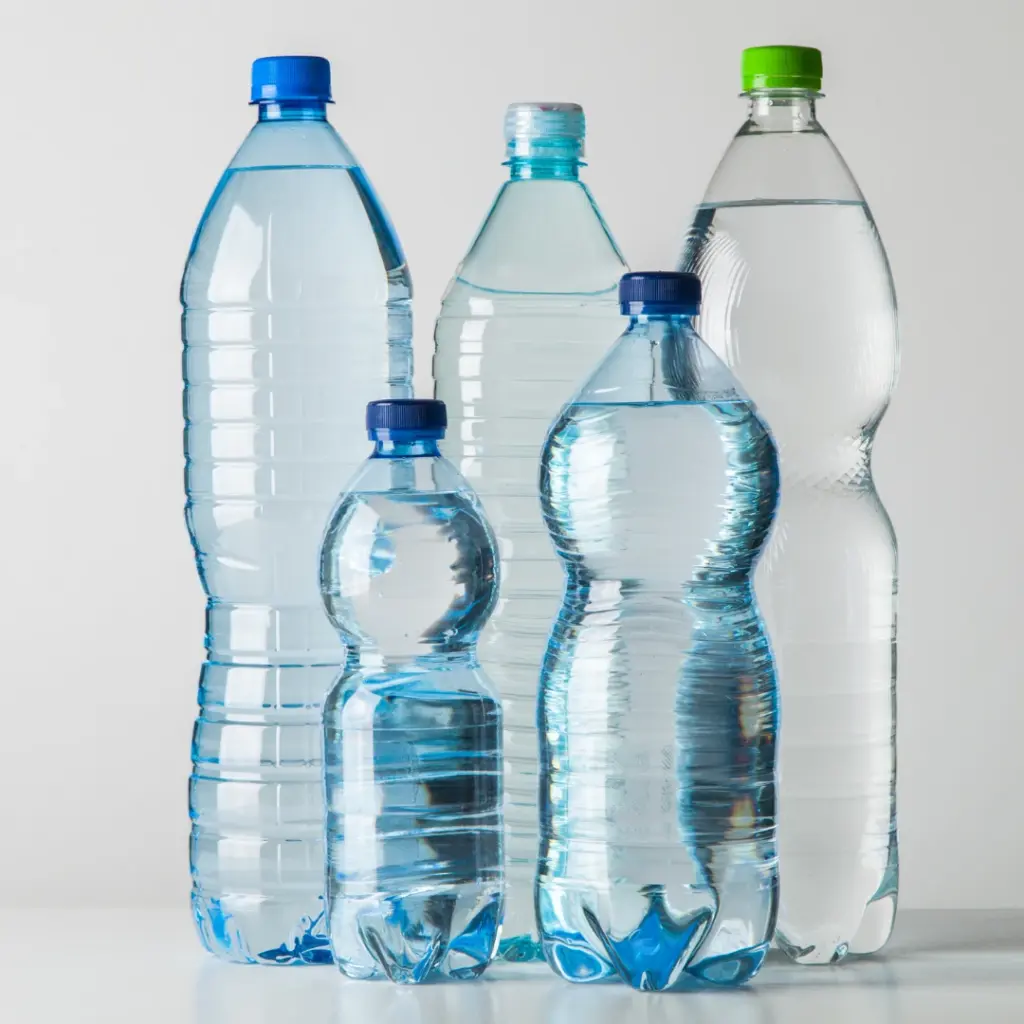
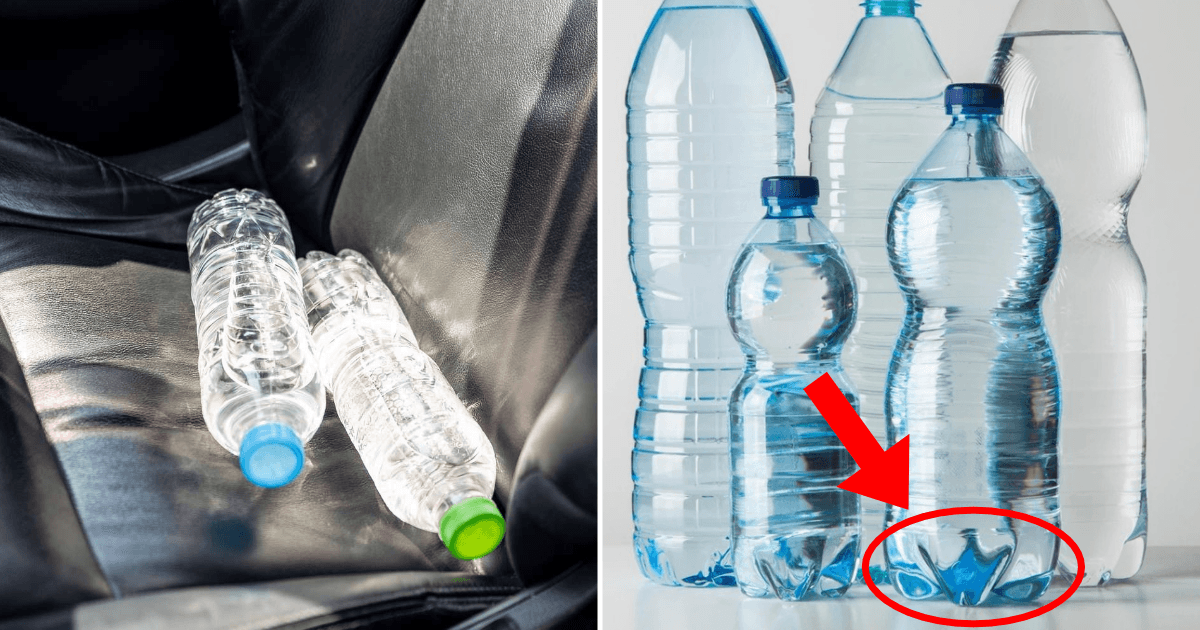
Instead, there's often a small dent in the middle, or several bumps arranged in a circle.
While it might seem like a random design choice, the shape of a plastic bottle's bottom actually serves a few important purposes.
Here's why so many plastic bottles have an indented or specially shaped bottom:
1. The shape is part of the bottle's structural design
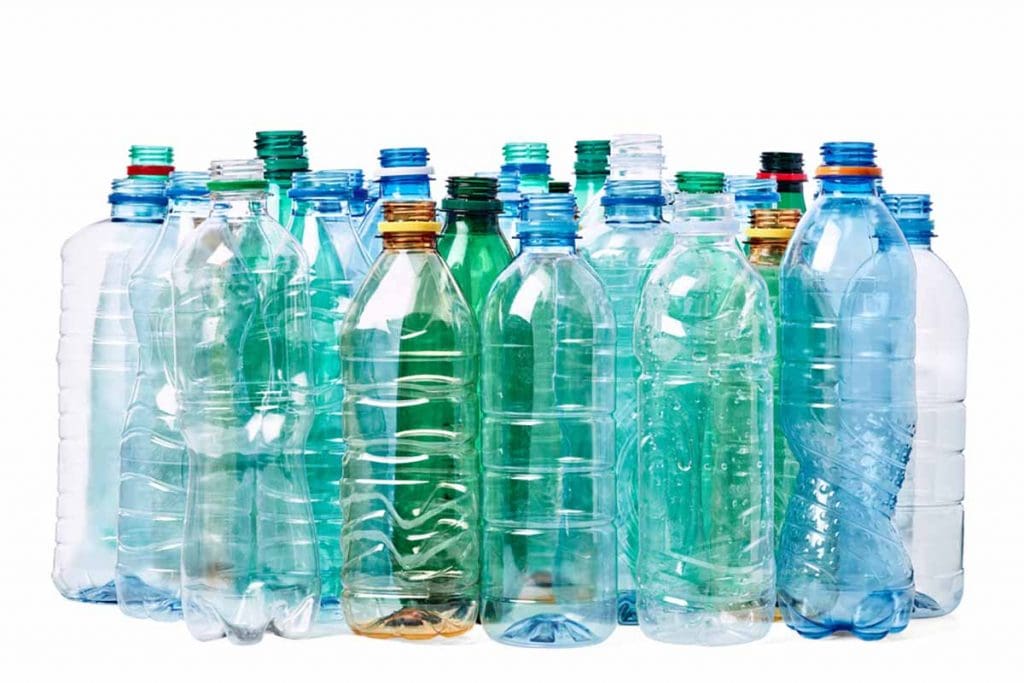
Most plastic beverage bottles are made from polyethylene terephthalate (PET), a lightweight plastic that can be moulded into different shapes.
Rather than being completely flat, a bottle's base can feature contours that influence how the plastic bends and how stress is distributed through the material.
These details matter because the wrong shape can cause certain areas to deform more than others, potentially making the bottle less stable or more prone to damage.
The design also helps when bottles are packed together in cartons or stacked during transportation and storage as they need to withstand the weight and forces without deforming.
The base's overall geometry also affects how the bottle rests on a surface. A set of feet helps the bottle maintain its stability even when there's a slight deformation at the base.
2. The design helps control internal pressure for soft drinks
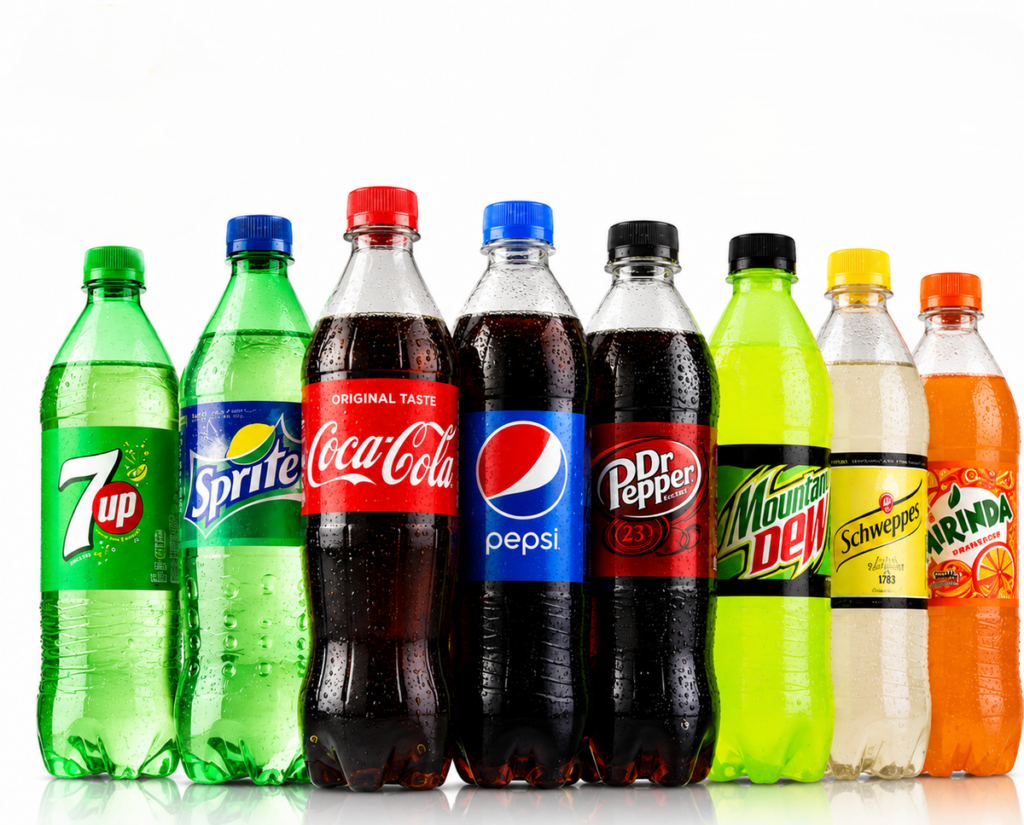
Many fizzy drink bottles have several rounded sections at the bottom, giving them a flower-like appearance. This design is known as a petaloid base.
Carbonated drinks contain dissolved carbon dioxide, which creates internal pressure inside a sealed bottle. The bottle must be designed to withstand that pressure without its base deforming excessively.
The shape, dimensions, and thickness of the plastic also influence how the bottle responds to internal pressure.
Getting these details right helps manufacturers balance pressure resistance, stability, and the amount of material used.
Although recessed and uneven bases are common, there isn't one standard design used for every plastic bottle
A bottle of still water might have a relatively simple base, while a carbonated soft drink bottle often has a more elaborate petaloid design.
Other containers, such as those used for cooking oil, shampoo, and household cleaning products, may have different base shapes depending on the material, contents, and packaging requirements.
