
3 Reasons Why Public Restroom Doors & Walls Have Gaps At The Bottom
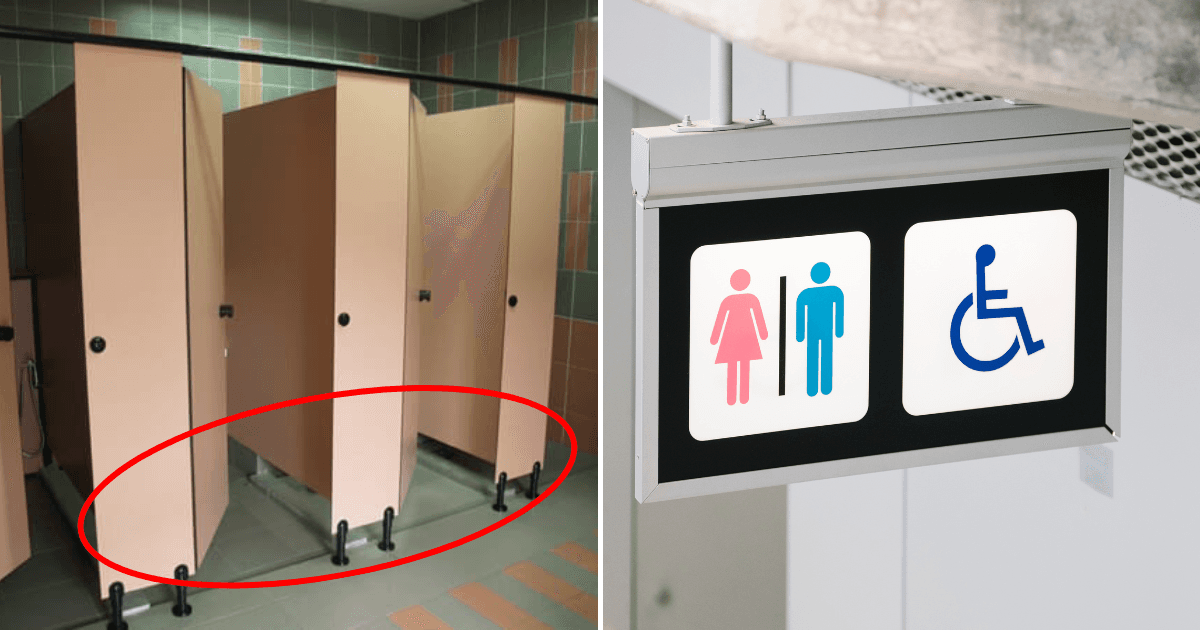
For many people, the biggest drawback is the lack of privacy.


 Cover image via
 Follow us on Instagram, TikTok, and WhatsApp for the latest stories and breaking news.
Have you ever wondered why public restroom doors and walls in places like shopping malls, petrol stations, and highway rest areas don't extend all the way down to the floor?
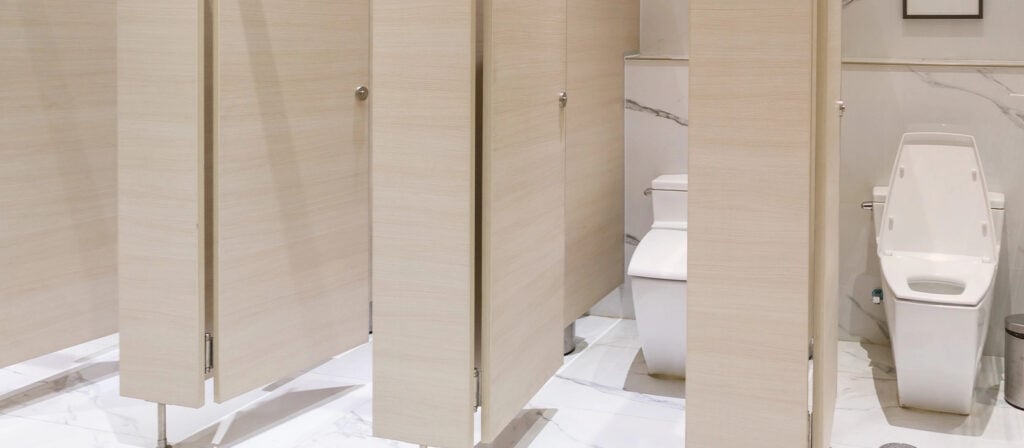
It's one of those things that most people rarely think about, even though it can sometimes make using a public toilet feel less private than you'd like.
It turns out that this design has become common because it offers several practical advantages:
1. It makes restrooms cheaper and faster to build
Floor-to-ceiling cubicles require more materials, stronger structural support, and more precise installation. Every additional panel, bracket, hinge, and finishing detail adds to the overall cost.
Leaving space underneath allows manufacturers to produce standardised partition systems that can fit a wide variety of buildings with minimal customisation. This also helps contractors install them faster, helping to reduce labour costs.
For large facilities with dozens of cubicles, such as airports, universities, stadiums, and shopping centres, even relatively small savings per stall can add up significantly across an entire project.
2. The gap makes cleaning and maintenance much easier
Public toilets need frequent cleaning, especially in places that receive tens of thousands of visitors each day.
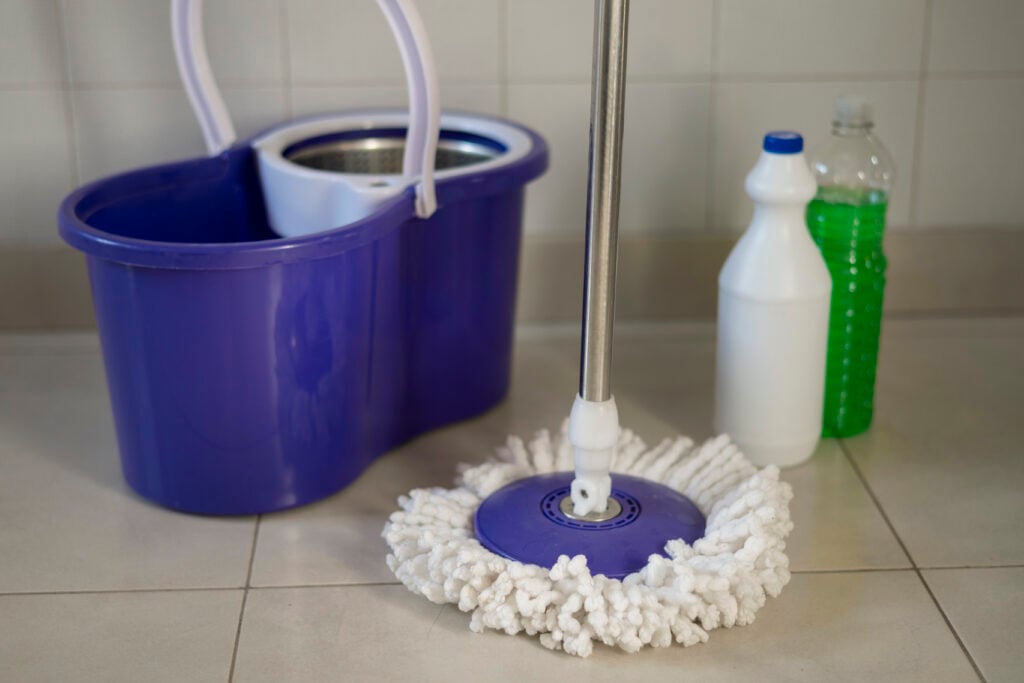
The gap beneath each cubicle allows cleaners to mop the entire floor without opening every stall individually. Cleaning equipment, water, and even automated floor scrubbers can move through the space more easily, making routine maintenance quicker and more efficient.
It also helps prevent water from pooling inside cubicles after cleaning, allowing floors to dry more quickly and making the space easier to keep hygienic.
The gap also allows air to circulate more freely throughout the restroom as part of its overall ventilation system. Together with the floor blowers commonly found in many public toilets, this helps floors dry more quickly after cleaning, minimising slippery surfaces while making it harder for bacteria and mould to grow in damp conditions.
3. It makes emergency situations a lot easier to handle
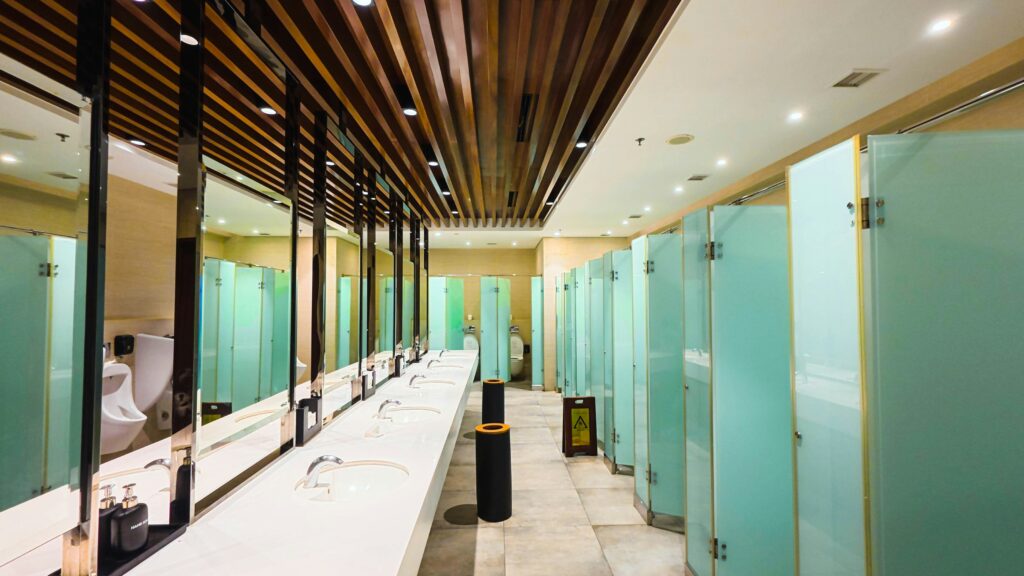
The open space beneath restroom stalls can make it easier to respond when someone experiences a medical emergency or becomes trapped inside a cubicle.
If a person faints or becomes unresponsive, staff or emergency responders may be able to assess the situation more quickly and, in some cases, gain access without having to dismantle the partition or forcing open the door.
Advances in partition systems have made it easier to improve privacy while still allowing facilities to clean and maintain restrooms efficiently, although these systems generally cost more to install
Open-bottom cubicles remain common because they strike a practical balance between cost, maintenance, safety, and everyday operation.
